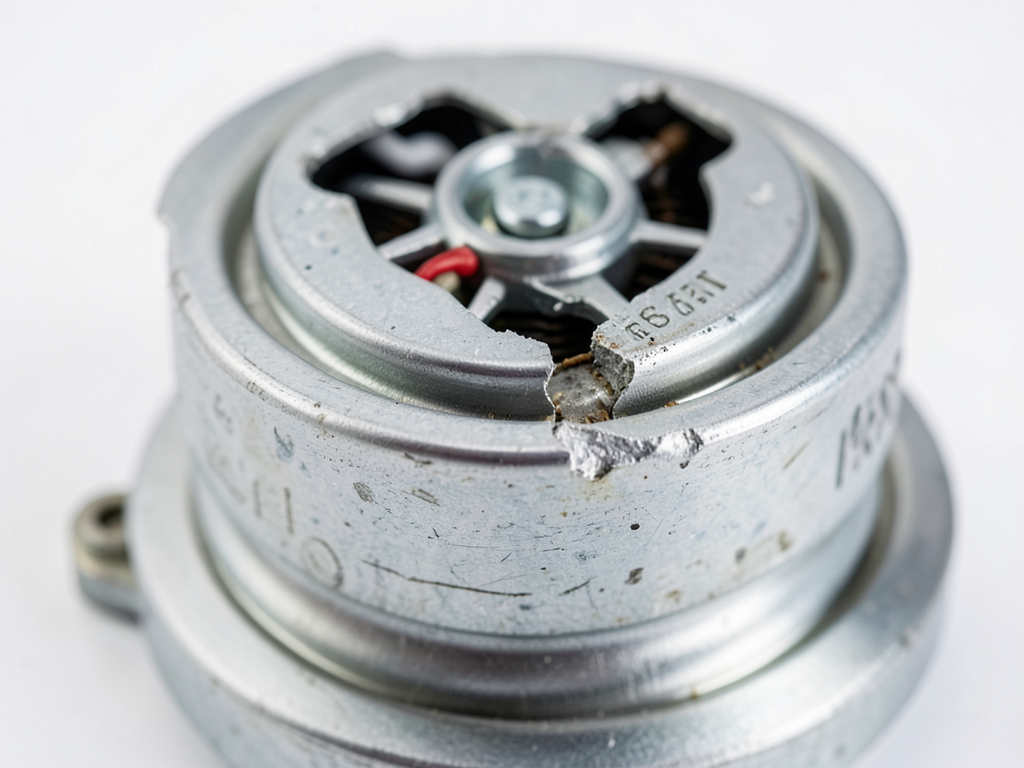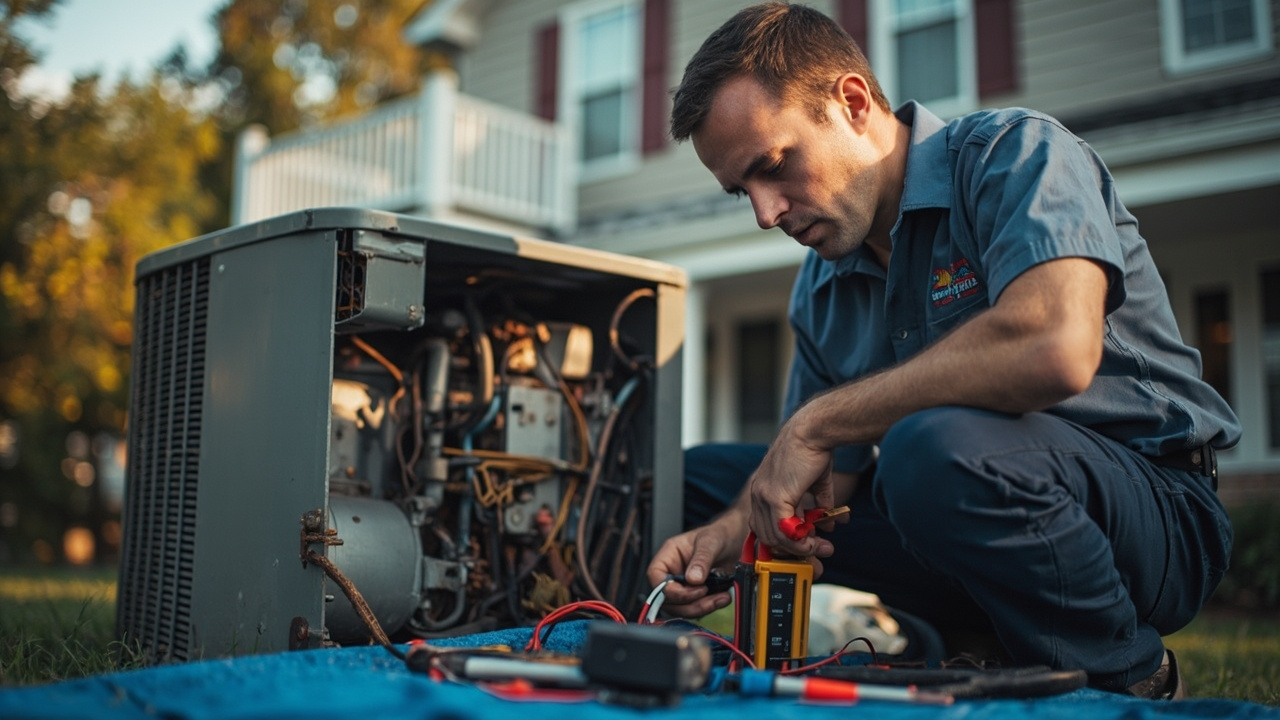
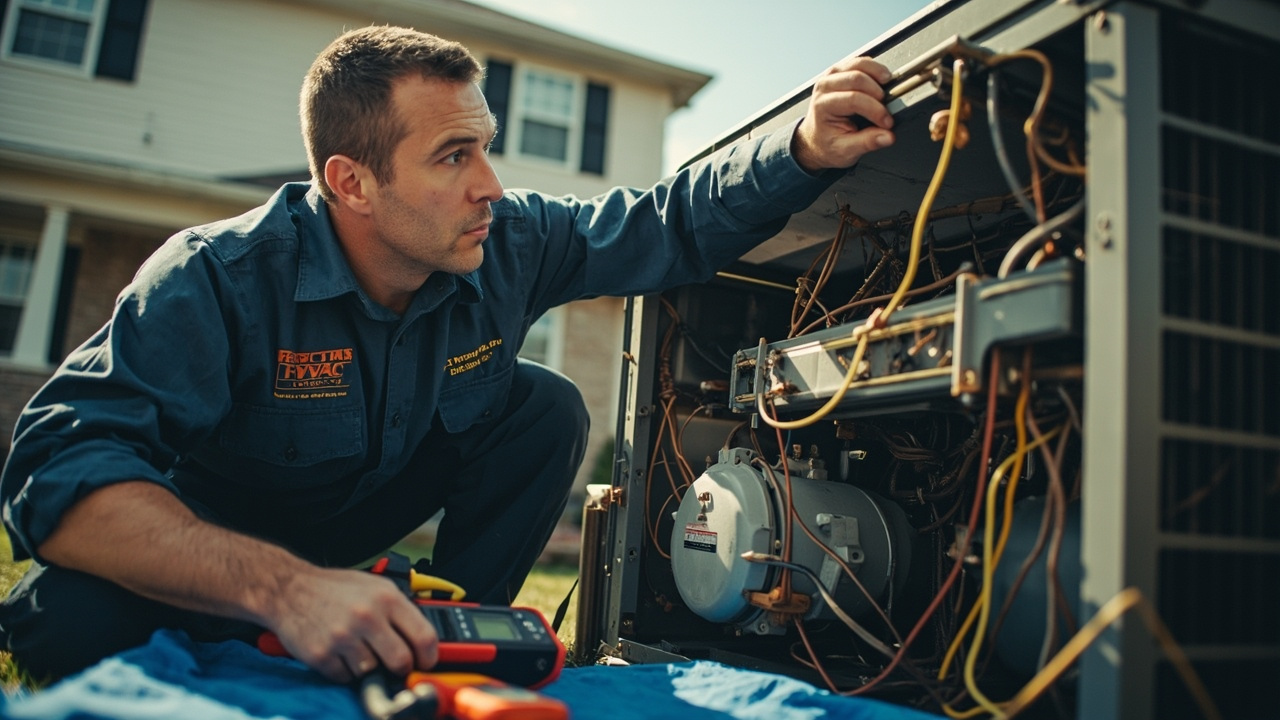
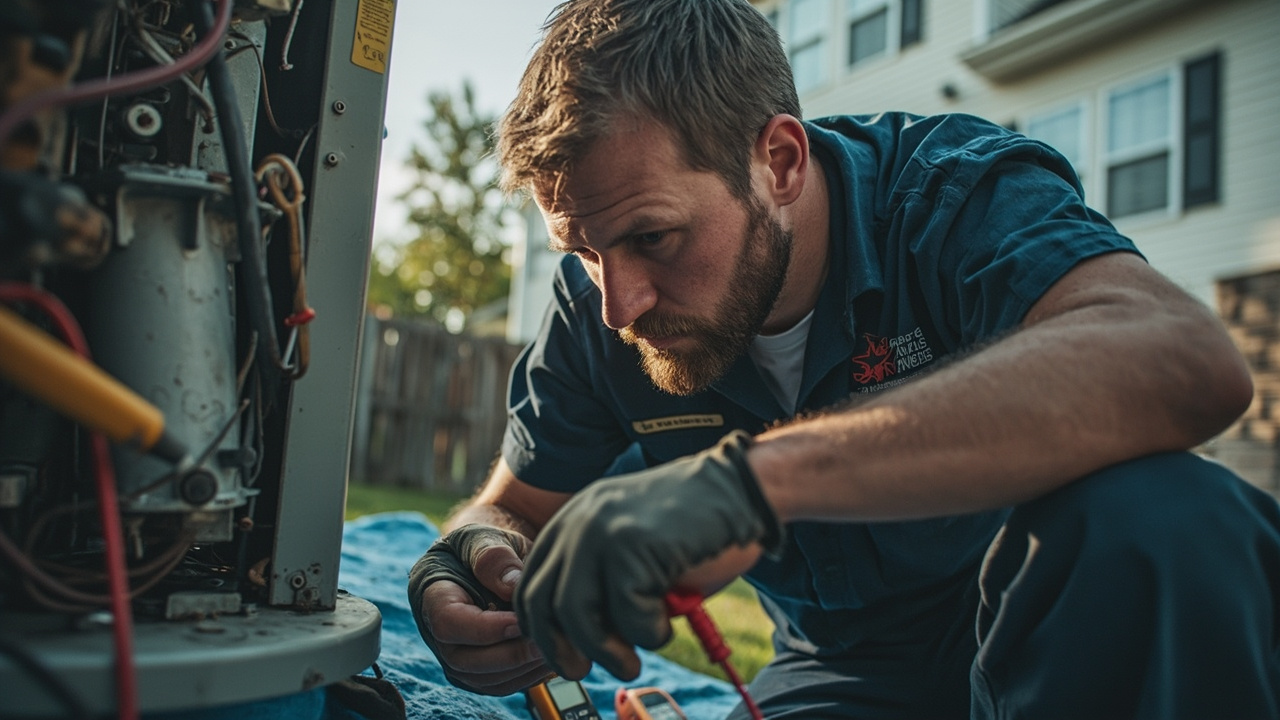
Cincinnati averages 85 percent relative humidity during summer mornings, forcing air conditioners to run longer cycles to remove moisture. When your AC runs continuously, the compressor motor never gets a break. Heat builds up in the windings. Add frequent thunderstorms that cause voltage sags and surges, and you create conditions that shorten compressor life by years. Homes near major electrical substations in Norwood or College Hill experience fewer voltage problems than rural areas in eastern Hamilton County. Brownouts during peak cooling demand cause compressors to draw excessive amperage, overheating the motor. A whole-house surge protector helps, but it does not eliminate the stress Cincinnati's electrical grid places on HVAC compressors.
We have worked on thousands of AC systems across Greater Cincinnati, from historic homes in Mount Lookout with undersized electrical services to new construction in Liberty Township with modern high-efficiency systems. We understand how local building codes require proper compressor installation, including disconnect placement, refrigerant line insulation, and condenser pad leveling. Hamilton County inspectors check for EPA Section 608 certification during HVAC work. You need contractors who pull permits, follow code, and pass inspections the first time. We know which supply houses stock compressors for older R-22 systems still common in Cincinnati and which refrigerants work best in our high-humidity climate.