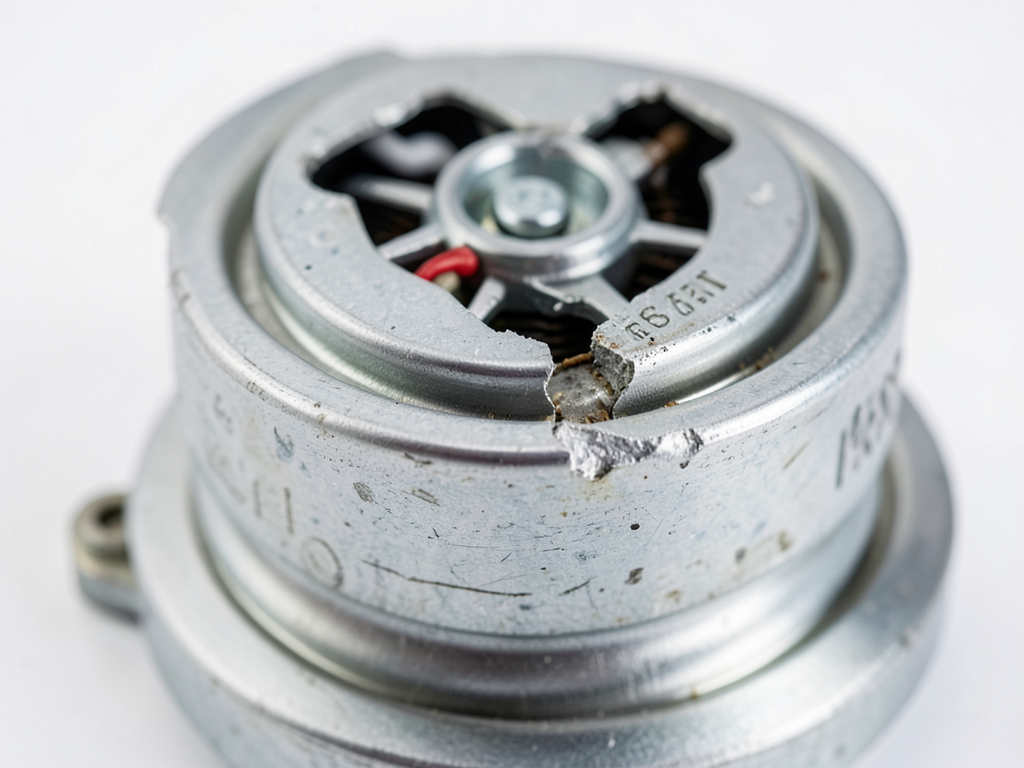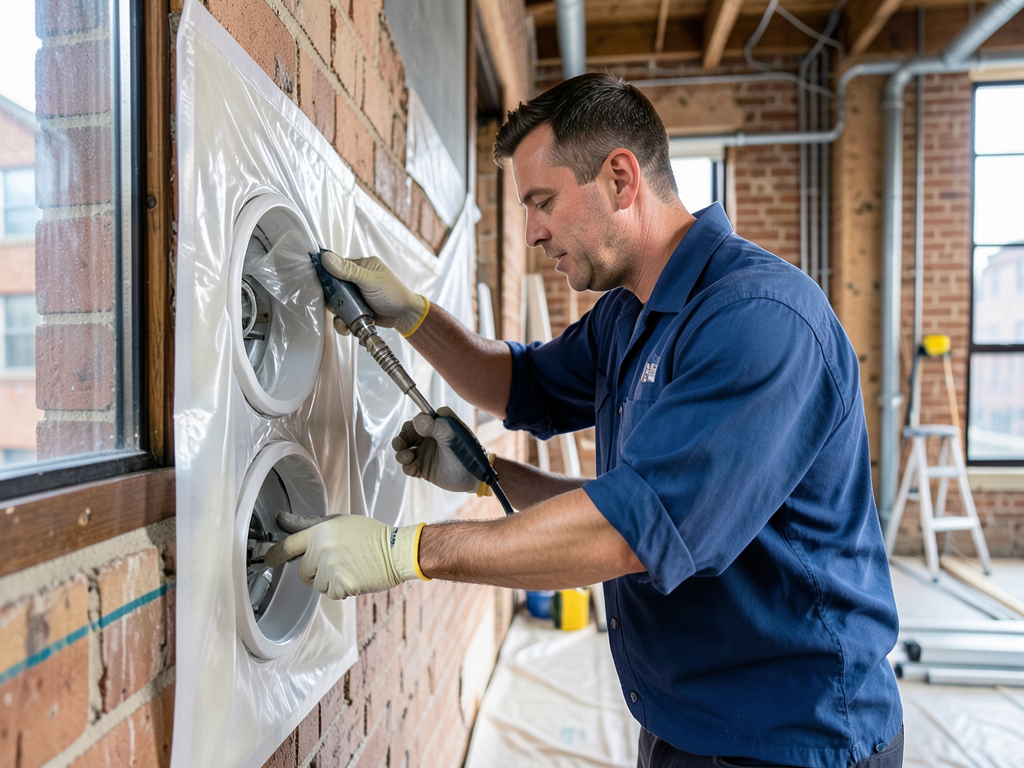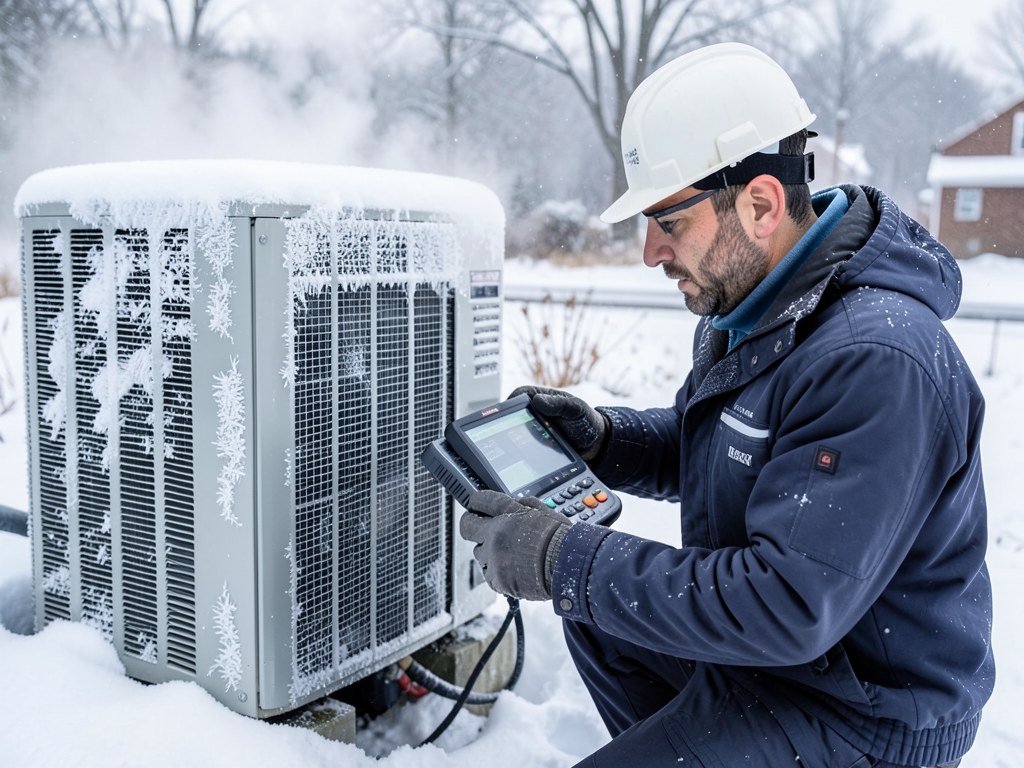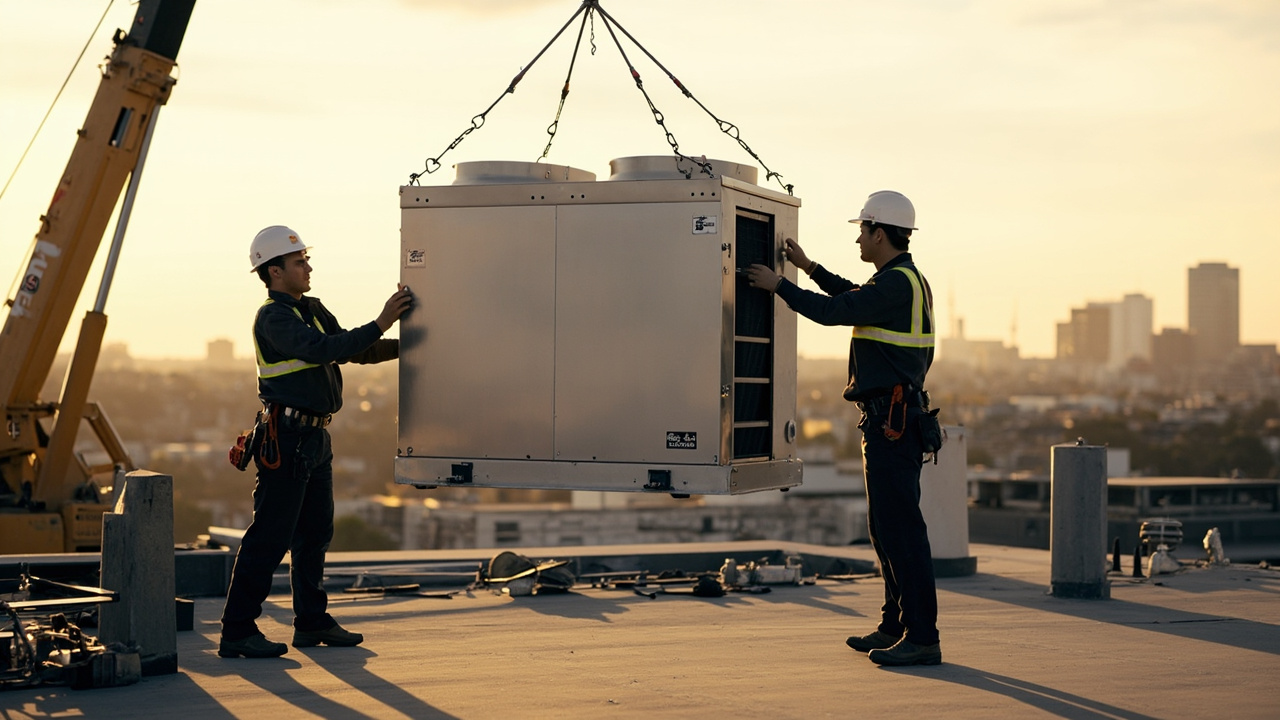
Cincinnati averages 75 percent relative humidity during summer months, creating an aggressive environment for rooftop HVAC equipment. Moisture infiltrates electrical compartments and corrodes control boards. Condenser coils accumulate biological growth that restricts airflow and forces compressors to work harder. A commercial rooftop HVAC installation in Cincinnati requires upgraded corrosion protection including epoxy-coated cabinets and marine-grade electrical connections. Units designed for dry climates fail prematurely when exposed to Ohio River Valley humidity without these protective measures.
Hamilton County enforces strict permitting rules for rooftop equipment modifications. Any RTU installation over 10 tons requires stamped engineering drawings and a mechanical permit before work begins. Inspectors verify proper load calculations, refrigerant recovery documentation, and electrical disconnect sizing during the final inspection. Contractors unfamiliar with these local requirements often face project delays and reinspection fees. Our team maintains active relationships with Cincinnati building officials and understands their specific documentation expectations for commercial HVAC projects.