Menu

AC Repair Services in Cincinnati | Same-Day Diagnostics and Expert System Restoration

When your air conditioner fails in Cincinnati's humid summer heat, you need fast, accurate diagnostics and repairs that last. Our factory-trained technicians diagnose compressor failures, refrigerant leaks, and electrical faults the same day you call.

Slider Image 1
Slider Image 2
Slider Image 3
Slider Image 4
Slider Image 5
Slider Image 7
Slider Image 8
Slider Image 9
Slider Image 10
Slider Image 11

Why Air Conditioning Systems Fail Faster in Cincinnati's Climate

Cincinnati's humid subtropical climate creates the perfect storm for central air conditioning failure. Your system works harder here than in drier climates. When outdoor humidity levels climb above 70 percent from June through September, your evaporator coil struggles to remove moisture from indoor air. This constant strain accelerates wear on the compressor, the most expensive component in your HVAC system.

The Ohio River Valley traps moisture and pollution, creating corrosive conditions that degrade refrigerant lines and electrical connections. You will notice this when your AC struggles to cool during peak afternoon heat or when strange odors drift from your vents. These are not minor inconveniences. They signal refrigerant leaks, failing capacitors, or biological growth inside your air handler.

Cincinnati's temperature swings between seasons stress your system too. A mild 50-degree spring morning can turn into an 85-degree afternoon by May. Your air conditioner cycles on and off more frequently than systems in stable climates. Each startup cycle wears down contactors, fan motors, and compressor bearings.

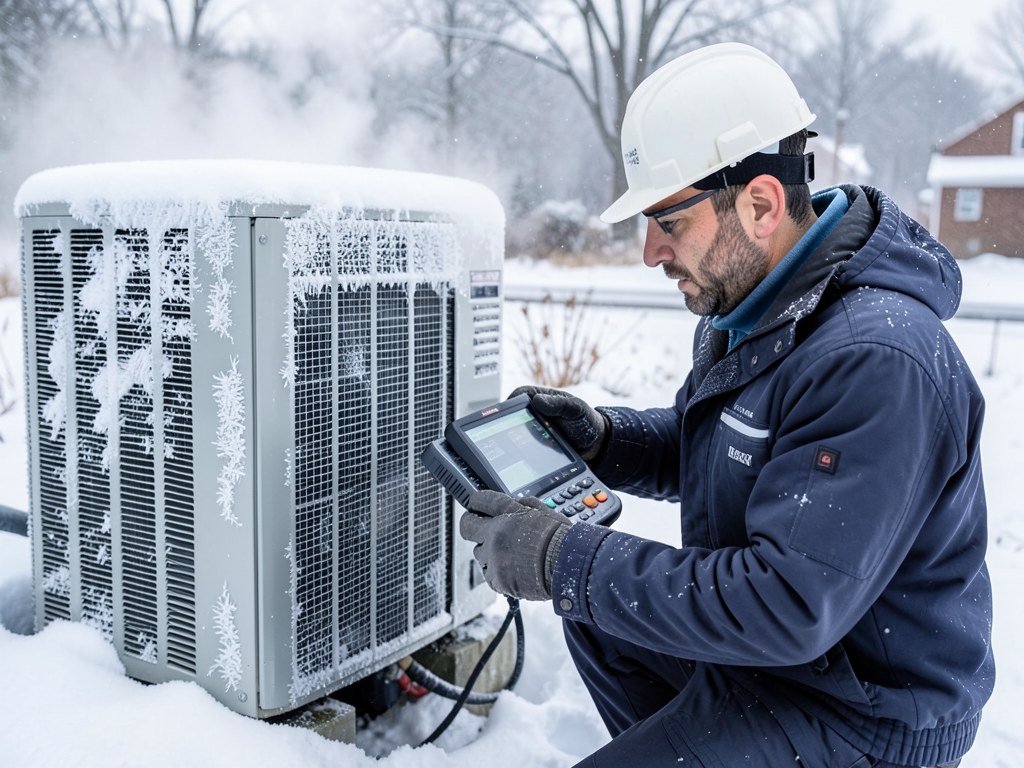
Clay soil movement in neighborhoods like Hyde Park and Mount Lookout shifts foundation slabs, which can misalign refrigerant line sets and create pinhole leaks. When you see ice forming on your outdoor unit or hear hissing sounds near copper lines, you are losing refrigerant. Your system cannot cool properly without the correct charge, and running it low damages the compressor.

Air conditioning repair in Cincinnati is not optional maintenance. It prevents complete system failure during the months you need cooling most.

Why Air Conditioning Systems Fail Faster in Cincinnati's Climate
How We Diagnose and Repair AC Systems the Right Way

How We Diagnose and Repair AC Systems the Right Way

Most HVAC repair calls fail because technicians guess instead of diagnose. We use manifold gauge sets to measure suction and discharge pressures at the service ports. These readings tell us if your compressor is weak, if you have a restriction in the metering device, or if refrigerant charge is low. We do not add refrigerant without finding the leak first.

Our technicians check subcooling and superheat values to verify your thermostatic expansion valve is feeding the evaporator coil correctly. If these numbers are off, adding refrigerant wastes your money and masks the real problem. We use electronic leak detectors and nitrogen pressure tests to find pinhole leaks in copper line sets, not guesswork.

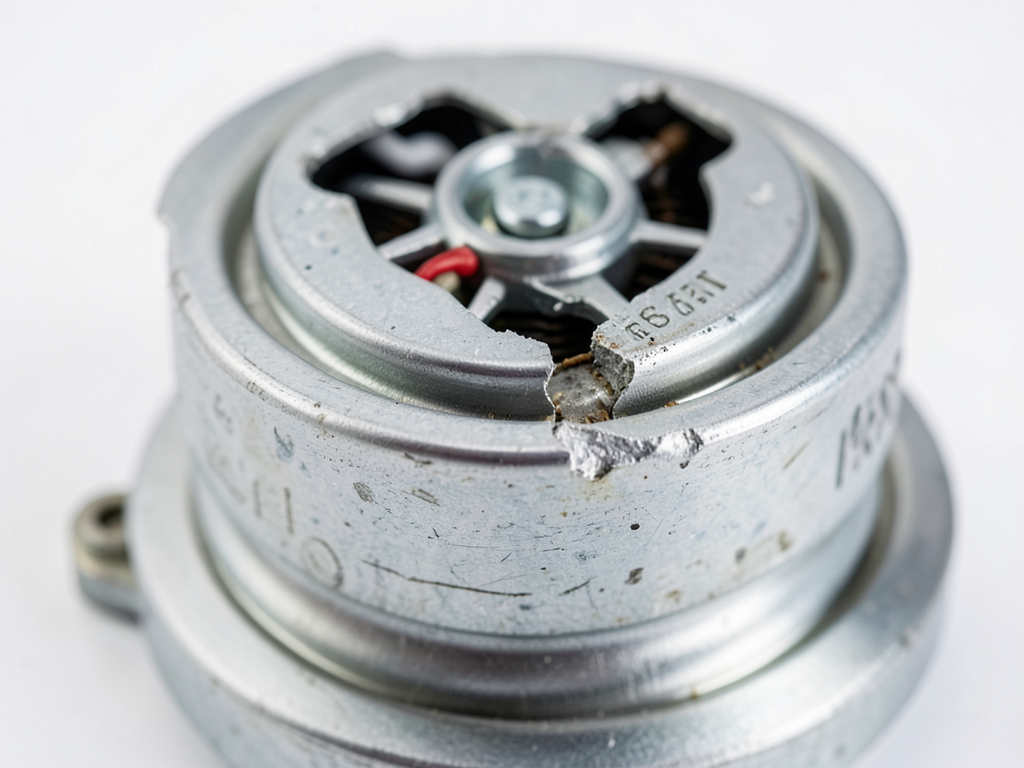
Electrical diagnosis separates us from companies that swap parts randomly. We measure voltage and amperage at the contactor, capacitor, and compressor terminals. A failing run capacitor drops voltage to the compressor, making it draw high amps and overheat. Replacing the compressor without fixing the capacitor means you will need another repair in six months.

We inspect the condensate drain system because a clogged drain pan shuts down your air handler through the float switch. In Cincinnati's high humidity, algae and biofilm grow fast in drain lines. We clear blockages with pressurized nitrogen and treat lines with biocide tablets to prevent future clogs.

Blower motor failures happen when return air filters get neglected. Restricted airflow makes the motor work harder and overheat. We check static pressure across the filter and verify CFM output matches your system design. Proper airflow protects your compressor and ensures you get the cooling capacity you paid for.

What Happens When You Call for AC Service

AC Repair Services in Cincinnati | Same-Day Diagnostics and Expert System Restoration
01

Initial System Evaluation

We arrive with diagnostic equipment, not a sales pitch. Our technician inspects your outdoor condensing unit and indoor air handler, checking electrical connections, refrigerant pressures, and airflow. We test the thermostat, safety controls, and voltage supply to isolate the failure point. You get a clear explanation of what failed and why before any repair work begins.
02

Repair and Component Replacement

Once we identify the problem, we complete the repair with OEM-equivalent parts that match your system specifications. Compressor replacements include new filter driers and proper oil charges. Refrigerant leaks get brazed repairs and pressure tested before recharging. We follow EPA Section 608 protocols for refrigerant recovery and charging. Every electrical connection is torqued to manufacturer specifications to prevent future failures.
03

Performance Verification Testing

After repairs, we run a full system test cycle to verify proper operation. We measure supply air temperature, confirm correct refrigerant subcooling and superheat, and check amp draw on all motors. You see the gauge readings and temperature splits that prove your system is cooling correctly. We document baseline performance numbers so future service calls have reference points for comparison.

Why Cincinnati Homeowners Choose Five Star HVAC Cincinnati

You need a technician who understands how Cincinnati's climate affects HVAC performance. We have repaired systems in every neighborhood from East Walnut Hills to Anderson Township. We know that homes near the Ohio River deal with higher humidity loads. We know that older homes in historic districts like Clifton have undersized ductwork that restricts airflow.

Our training goes beyond the basics. We attend factory schools for Carrier, Trane, Lennox, and Rheem systems. This means we understand the engineering differences between brands. A Carrier Infinity system uses different control logic than a Trane XV20i. We do not use generic troubleshooting charts. We reference manufacturer service bulletins and wiring diagrams specific to your model.

Local building codes matter for AC repair work. When we replace a condensing unit, we pull permits and schedule inspections. Hamilton County requires proper refrigerant line sizing, correct electrical disconnects, and adequate clearances around outdoor units. We follow these codes because they protect your home value and insurance coverage.

Emergency air conditioning repair happens fast because we stock common parts on our trucks. Contactors, capacitors, thermostatic expansion valves, and blower motors for popular brands are available for same-day installation. You do not wait three days for a part order when it is 90 degrees outside.

We service both residential and commercial HVAC systems. This experience helps us handle complex repairs that other companies avoid. Multi-zone systems, heat pumps with auxiliary heat, and variable-speed air handlers require advanced diagnostic skills. We have the tools and training to fix them right the first time.

What to Expect from Professional AC Repair

Response Time and Availability

We dispatch technicians within two hours for emergency calls during business hours. When your air conditioner fails during a heat wave, waiting until next week is not acceptable. We understand that indoor temperatures above 85 degrees create health risks for children and elderly family members. Our trucks carry diagnostic equipment and common repair parts so we can complete most repairs in one visit. You get a confirmed arrival window when you call, not a vague promise. We respect your time and show up when we say we will.

Diagnostic Process and Transparency

Our diagnostic process takes 30 to 45 minutes for a complete system evaluation. You see the refrigerant pressure readings, voltage measurements, and temperature differentials that identify the problem. We explain what failed in plain language, not technical jargon designed to confuse you. Before we start repairs, you receive a written estimate that breaks down parts and labor. No hidden fees appear on your final invoice. If we find multiple problems, we prioritize repairs by urgency so you can make informed decisions about what to fix now and what can wait.

Quality of Repairs and Parts

We install parts that meet or exceed original equipment specifications. Generic aftermarket capacitors fail faster than quality brands like Turbo or Amrad. When we replace a compressor, you get a scroll compressor with the correct tonnage and SEER rating for your system. We vacuum refrigerant lines to 500 microns before charging to remove moisture and contaminants. This protects your new compressor from acid formation and premature failure. Every brazing joint is pressure tested with nitrogen before we release refrigerant into the system. These extra steps take more time, but they prevent callbacks and extend equipment life.

Follow-Up and Maintenance Support

After your repair, we provide written documentation of all work performed, including parts installed and system performance readings. We recommend a maintenance schedule based on your system age and usage patterns. Annual maintenance visits include coil cleaning, refrigerant charge verification, and electrical connection tightening. These preventive services catch small problems before they become expensive failures. We keep service records for your system so future technicians have baseline data for comparison. If you have questions after the repair, you call our office directly and speak with someone who can access your service history.

Frequently Asked Questions

You Have Questions,
We Have Answers

What is the $5000 AC rule? +

The $5000 AC rule is a quick formula to decide between repair or replacement. Multiply the age of your unit by the repair cost. If the result exceeds $5000, replace the system. For example, if your 12-year-old AC needs a $500 repair, that's $6000, so replacement makes sense. In Cincinnati, where units work hard against humidity and summer heat, older systems often lose efficiency. This rule helps you avoid throwing money at a failing unit that will cost more in repairs and energy bills than a new, efficient system.

What is the average cost to have your AC serviced? +

Basic AC maintenance in Cincinnati typically runs $80 to $150 for a tune-up. This includes filter replacement, coil cleaning, refrigerant level check, and electrical connection inspection. More involved service addressing specific issues like refrigerant recharges, capacitor replacement, or blower motor repairs can range from $150 to $600. Given Cincinnati's humid summers, regular service prevents bigger problems. Units working against high humidity accumulate dirt faster and strain harder, making annual maintenance essential to catch small issues before they become expensive failures.

What is the most expensive repair on an AC unit? +

Compressor replacement is the most expensive AC repair, often costing $1500 to $2500 for parts and labor. The compressor is the heart of your system, pressurizing refrigerant to cool your home. In Cincinnati, compressors fail from overwork during hot, humid summers or from electrical issues during storms. If your compressor fails and your unit is over 10 years old, replacement usually makes more financial sense than repair. A failing compressor often signals other components are near end-of-life, making full system replacement the smarter investment.

Can I write off my new AC unit on my taxes? +

You may qualify for tax credits if you install an energy-efficient AC unit. The federal Inflation Reduction Act offers credits up to $2000 for systems meeting specific SEER2 ratings and efficiency standards. You can also deduct improvements as medical expenses if a doctor prescribes AC for a health condition. Keep all receipts and manufacturer certifications. Rules change, so consult a tax professional familiar with Ohio regulations. Energy-efficient systems also lower utility bills in Cincinnati's humid climate, providing ongoing savings beyond the initial tax benefit.

What is the 3 minute rule for AC? +

The 3-minute rule prevents compressor damage by requiring a three-minute wait between system cycles. When you shut off your AC, refrigerant pressure needs time to equalize throughout the system. Restarting too quickly forces the compressor to start against high pressure, causing electrical strain and premature failure. Many modern thermostats have built-in delay timers. In Cincinnati, where frequent storms cause power fluctuations, this rule protects your investment. Avoid rapidly adjusting your thermostat up and down. Give the system time to complete its cycle before making temperature changes.

What is the average lifespan of an AC unit? +

AC units typically last 12 to 15 years with proper maintenance. In Cincinnati, lifespan depends on how hard your system works against summer humidity and heat. Units installed in shaded locations or homes with good insulation last longer. Poor maintenance, dirty filters, and neglected coils shorten life significantly. Systems over 10 years old lose efficiency and require more frequent repairs. If your unit needs major repairs after year 10, replacement often makes better financial sense. Regular annual tune-ups extend lifespan and catch problems early, maximizing your investment.

Can I service my AC myself? +

You can handle basic tasks like changing filters monthly and keeping outdoor units clear of debris, leaves, and grass clippings. Rinse the condenser coils gently with a garden hose if accessible. Beyond that, AC service requires specialized tools, refrigerant handling certification, and electrical knowledge. DIY repairs on refrigerant lines, compressors, or electrical components risk injury, void warranties, and can make problems worse. Cincinnati's humidity demands properly charged systems. Incorrect refrigerant levels reduce efficiency and damage components. Annual professional service catches issues you cannot see and keeps your system running safely.

What are common AC problems? +

Common AC problems in Cincinnati include refrigerant leaks from corrosion, dirty evaporator coils from high humidity, frozen coils from restricted airflow, failed capacitors from electrical strain, clogged condensate drains causing water damage, and thermostat malfunctions. Dirty filters restrict airflow and make systems work harder. Outside units clogged with cottonwood seeds or leaves overheat. Electrical issues from summer storms damage contactors and wiring. Many problems stem from deferred maintenance. Regular filter changes and annual tune-ups prevent most common failures and catch small issues before they become expensive emergency repairs.

What is the most expensive part to replace on an air conditioner? +

The compressor is the most expensive single component to replace, often costing $1500 to $2500 installed. It circulates refrigerant and creates the pressure differential needed for cooling. Compressors fail from electrical issues, overheating, or refrigerant contamination. In Cincinnati, units strain against summer heat and humidity, accelerating wear. If your compressor fails and your system is over 8 years old, full replacement usually makes better financial sense. A new compressor does not fix aging coils, blower motors, or ductwork issues that often accompany compressor failure in older systems.

What are the most common HVAC repairs? +

Common HVAC repairs include capacitor replacement, refrigerant recharge, blower motor repair, contactor replacement, thermostat issues, condensate drain clearing, and evaporator coil cleaning. Capacitors fail frequently from electrical stress. Refrigerant leaks develop from corrosion or vibration. Blower motors wear out from continuous operation. In Cincinnati, humidity causes drain clogs and mold growth on coils, reducing efficiency. Dirty filters cause most airflow problems. Electrical components fail during summer storms. Regular maintenance prevents many repairs. Address small problems quickly before they cascade into bigger failures that leave you without cooling during peak summer heat.

How Cincinnati's Humidity Accelerates AC Component Wear

Cincinnati averages 68 percent relative humidity during cooling season, forcing your air conditioner to remove more moisture than systems in drier climates. This extended runtime wears out contactors, capacitors, and compressor bearings faster. Evaporator coils in the Ohio River Valley collect more biological growth because constant moisture creates ideal conditions for mold and bacteria. When your AC runs 12 hours daily in July instead of 8 hours in Phoenix, component lifespan drops by 30 percent. Regular HVAC repair and maintenance becomes essential to prevent complete system failure during peak demand.

Five Star HVAC Cincinnati technicians train specifically for high-humidity climate challenges. We understand that condensate drain systems in this region need quarterly inspection and treatment to prevent algae blockages. We know that older homes in neighborhoods like Oakley and Madisonville often have inadequate return air pathways, which increases indoor humidity even when the AC runs continuously. Local building codes require proper drainage for condensate lines, and we verify compliance on every service call. Choosing a company familiar with Cincinnati's unique climate conditions protects your investment and ensures reliable cooling when you need it most.
HVAC Services in The Cincinnati Area

Five Star HVAC proudly serves all homes and businesses in the greater Cincinnati area. Our skilled team is ready to respond to your service requests, whether you're in the city center or the surrounding suburbs. Use the map to explore our service area and see how close we are to you. We're committed to providing prompt and dependable service, no matter where you are within our coverage zone.

Address:
Five Star HVAC Cincinnati, 4024 Hamilton Ave, Cincinnati, OH, 45223

Additional Services We Offer

Our news updates

Latest Articles & News from The Blogs

Is Duct Cleaning Worth It for Older Homes in the Gaslight District of Clifton? \n\n Duct cleaning in older Clifton…

Is duct cleaning actually worth it for older homes in the Gaslight District of Clifton?

Is Duct Cleaning Worth It for Older Homes in the Gaslight District of Clifton? \n\n Duct cleaning in older Clifton…

How to ventilate an attached garage in Mason to keep exhaust fumes out of your living room

How to ventilate an attached garage in Mason to keep exhaust fumes out of your living room If you live…

Protecting your expensive HVAC system with whole house surge protection in West Chester

Why West Chester Homes Need Whole House Surge Protection West Chester homeowners face unique electrical challenges that can damage expensive…

Contact Us

Call Five Star HVAC Cincinnati at (513) 717-5155 now for same-day air conditioning repair. Our technicians carry diagnostic equipment and common parts on every truck. Stop sweating and get your home comfortable again.