Menu

New HVAC System Cost 2026 in Cincinnati – Complete Pricing Breakdown With Real Cost Factors

Get accurate information on 2026 HVAC replacement costs specific to Cincinnati's climate demands, including system sizing, efficiency ratings, and installation variables that affect your final price.

Slider Image 1
Slider Image 2
Slider Image 3
Slider Image 4
Slider Image 5
Slider Image 7
Slider Image 8
Slider Image 9
Slider Image 10
Slider Image 11

Why HVAC Replacement Costs Vary So Much in Cincinnati

You need a new HVAC system, and the price quotes you are getting range from reasonable to absurd. The confusion is real, and it stems from the fact that HVAC replacement is not one-size-fits-all.

Cincinnati's climate adds specific demands to your system. We experience humid summers that push cooling systems hard, and winters cold enough to require reliable heat. The freeze-thaw cycles we see here stress equipment faster than in milder regions. That means your replacement needs to account for both cooling capacity and heating reliability.

The average HVAC system price in 2026 depends on several variables. System size matters. A 1,200-square-foot bungalow in Oakley requires different tonnage than a 3,000-square-foot home in Indian Hill. Efficiency ratings drive cost. A 14 SEER system costs less upfront than a 20 SEER variable-speed unit, but the monthly utility difference adds up over 15 years. Ductwork condition plays a role. If your ducts leak or were sized incorrectly, replacement costs increase.

The 2026 heating and cooling system cost also reflects labor complexity. Older homes in neighborhoods like Mount Adams or Clifton often require custom solutions due to limited space or outdated electrical panels. New construction in Mason or West Chester typically offers straightforward installations.

Understanding these factors helps you evaluate quotes properly. A low bid might skip necessary ductwork repairs. A high bid might include features you do not need. The 2026 HVAC replacement cost guide is not about finding the cheapest option. It is about understanding what you are paying for and why it matters for your home.

Why HVAC Replacement Costs Vary So Much in Cincinnati
What Actually Drives Your 2026 HVAC Installation Price

What Actually Drives Your 2026 HVAC Installation Price

New HVAC installation pricing in 2026 breaks down into four main cost centers. Equipment selection is the first. You are choosing between single-stage, two-stage, and variable-speed compressors. Single-stage units cycle on and off, which works but creates temperature swings. Variable-speed systems modulate output to match demand, which improves comfort and efficiency but increases upfront investment.

Refrigerant type matters now more than ever. R-410A systems are being phased out. New installations increasingly use R-454B or R-32 refrigerants, which meet updated environmental standards. Equipment designed for these refrigerants costs more initially but avoids future obsolescence.

Ductwork evaluation is the second cost driver. We perform a blower door test and duct leakage assessment to measure actual airflow. Leaky ducts waste 20 to 30 percent of conditioned air. Sealing ducts with mastic and adding insulation in unconditioned spaces like attics improves system performance. Skipping this step means your new system underperforms from day one.

Electrical infrastructure is the third factor. Modern HVAC systems require dedicated 220-volt circuits and sometimes panel upgrades. Older homes with 100-amp service might need a 200-amp upgrade to handle the load safely. This is not optional. It is code.

Installation labor is the fourth component. Proper refrigerant line installation, accurate charge measurement, and airflow balancing require skill. Rushed installations lead to short cycling, uneven temperatures, and premature equipment failure. The 2026 HVAC replacement price guide should account for the time required to do the work correctly, not just the time it takes to bolt equipment in place.

How We Calculate Your Actual Replacement Cost

New HVAC System Cost 2026 in Cincinnati – Complete Pricing Breakdown With Real Cost Factors
01

In-Home Load Calculation

We perform a Manual J load calculation to determine the exact heating and cooling capacity your home requires. This accounts for square footage, insulation levels, window area, orientation, and occupancy. Oversized systems short cycle and waste energy. Undersized systems run constantly and never reach comfort. Accurate sizing is the foundation of proper HVAC replacement cost estimation in Cincinnati.
02

System Design and Selection

We match equipment to your calculated load and present options across efficiency tiers. You see the upfront cost difference between a 16 SEER and 18 SEER system, along with projected energy savings over the equipment lifespan. We include ductwork modifications, electrical upgrades, and thermostat options in the written estimate. No surprise costs appear later. You get a complete 2026 heating and cooling system cost breakdown.
03

Installation and Commissioning

Installation includes refrigerant line sizing, proper evacuation, precise refrigerant charge by superheat or subcooling, and airflow verification at every register. We program the thermostat, walk you through operation, and provide maintenance recommendations. You receive documentation of all work performed, including equipment serial numbers and refrigerant charge specs. The system is tested under load before we leave.

Why Local HVAC Knowledge Matters for Accurate Pricing

Cincinnati HVAC contractors who understand local building stock provide better estimates. Homes built before 1980 often lack adequate insulation and have undersized ductwork. Homes built during the 1990s construction boom in West Chester or Liberty Township may have oversized equipment installed by builders trying to cut costs. Each era requires different solutions.

Local permitting requirements affect costs. Hamilton County and surrounding jurisdictions require permits for HVAC replacement, and inspections verify proper installation. Contractors familiar with local inspectors streamline this process. Out-of-area contractors unfamiliar with local codes face delays and rework.

We understand Cincinnati's microclimates. Homes near the Ohio River in areas like East End or Riverside experience higher humidity than properties on hillsides in Mount Lookout or Hyde Park. Humidity control affects equipment selection. A standard air conditioner removes some moisture, but homes in high-humidity areas benefit from variable-speed systems or supplemental dehumidification.

Our experience with local HVAC distributors ensures access to equipment and parts. Supply chain issues in 2024 and 2025 created long lead times for certain brands. We maintain relationships with multiple distributors to avoid delays. When you receive a new HVAC installation pricing estimate from us, it reflects real availability, not theoretical pricing on backordered equipment.

We also understand local soil conditions. Homes with crawl spaces in areas with clay soil often experience settling that stresses ductwork connections. We inspect for this during estimates and include any necessary duct repairs in the quote. A contractor who does not check for this delivers an incomplete estimate.

What Your HVAC Replacement Investment Includes

Timeline and Scheduling

Most replacements take one to two days depending on complexity. Simple changeouts in homes with good ductwork and adequate electrical service finish in a day. Projects requiring ductwork modification, electrical upgrades, or equipment relocation take longer. We schedule installations to minimize disruption and communicate timing clearly. You know when we arrive, how long the work takes, and when your system will be operational. We do not leave until the system runs properly and you understand how to operate it.

Pre-Installation Assessment

Before installation day, we verify equipment delivery, confirm access to installation areas, and review any last-minute concerns. We walk through the proposed equipment location and confirm ductwork access points. If your home has pets or specific areas that need protection, we discuss that beforehand. The assessment ensures installation day runs smoothly. We identify potential obstacles before they become problems. This preparation is included in your quoted price and eliminates surprises that can derail projects and inflate costs.

System Performance and Efficiency

You receive a system that meets the calculated load for your home and operates at the efficiency level you selected. We verify airflow at each register, check temperature splits across the coil, and confirm proper refrigerant charge. The thermostat is programmed for your schedule and preferences. We test both heating and cooling modes regardless of season to ensure full functionality. You get written documentation of all performance metrics. The system delivers the comfort and efficiency you paid for, not an approximation.

Maintenance and Longevity

Your new system comes with manufacturer warranties on parts and compressor. We provide maintenance recommendations to protect that investment. Annual maintenance includes filter changes, coil cleaning, refrigerant pressure checks, and electrical connection inspection. Proper maintenance extends equipment life from 12 to 15 years on average to 18 to 20 years. We offer maintenance plans that schedule service automatically and provide priority response if issues arise. Maintenance costs are predictable and far lower than premature replacement due to neglect.

Frequently Asked Questions

You Have Questions,
We Have Answers

Will HVAC systems cost more in 2026? +

Yes. HVAC systems will likely cost more in 2026 due to rising material costs, updated efficiency mandates, and supply chain pressures. New federal regulations push higher SEER2 minimums, which require upgraded components. Cincinnati homeowners should expect modest price increases compared to 2025. Labor costs also trend upward as skilled technicians become scarcer. If you plan to replace your system, locking in a quote now can save money. Energy-efficient models may cost more upfront but reduce utility bills long-term, especially during Cincinnati's humid summers and cold winters.

Will HVAC systems be more expensive in 2025? +

Yes. HVAC systems are more expensive in 2025 compared to prior years. Federal efficiency standards changed in January 2023, requiring higher SEER2 ratings. Manufacturers adjusted pricing to reflect upgraded technology. Material costs for copper, aluminum, and refrigerants remain elevated. Labor shortages also drive installation costs higher across Cincinnati. Homeowners replacing systems in 2025 should budget accordingly and prioritize units with strong warranties. Energy-efficient models offset higher purchase prices through lower monthly bills, which matters during Cincinnati's temperature swings and high humidity months.

How much does a new HVAC system cost 2000 square-foot 2025? +

A new HVAC system for a 2000 square-foot home in 2025 typically requires a 3 to 4-ton unit. Pricing depends on efficiency rating, brand, and installation complexity. Budget systems start lower, while high-efficiency models with variable-speed technology cost more. Cincinnati homes with older ductwork or poor insulation may need additional work, increasing total project cost. Get multiple quotes from licensed contractors. Higher SEER2 ratings reduce energy bills, which matters for Cincinnati's humid summers and cold winters. Factor in rebates and financing options to ease upfront expense.

What are the new HVAC regulations for 2026? +

New HVAC regulations for 2026 focus on refrigerant transitions and efficiency mandates. The EPA phases down HFC production, pushing systems toward A2L refrigerants like R-454B and R-32. SEER2 minimums remain at 14.3 for northern regions like Cincinnati, but manufacturers optimize units for lower global warming potential. Split systems require updated installation practices to handle mildly flammable refrigerants safely. Expect technician training requirements and equipment changes. Cincinnati homeowners replacing systems should confirm contractors understand A2L handling and code compliance to avoid future retrofit costs.

What is the $5000 AC rule? +

The 5000 dollar AC rule is a tax guideline, not an HVAC industry standard. It refers to the IRS threshold for capitalizing home improvements versus deducting repairs. If your AC replacement exceeds this amount, it may qualify as a capital improvement, adding to your home's cost basis for future sale. For Cincinnati homeowners, HVAC replacements often exceed this threshold. Consult a tax professional to understand how your system upgrade affects deductions or credits, especially with federal energy-efficiency incentives available through 2032 under the Inflation Reduction Act.

Is it better to buy a home in 2025 or 2026? +

Buying a home in 2025 or 2026 depends on your financial readiness and local market conditions, not HVAC costs alone. Cincinnati's real estate market fluctuates based on interest rates, inventory, and buyer demand. If a home needs HVAC replacement, factor that into your offer. Buying in 2025 lets you address system upgrades before regulations tighten further. Waiting until 2026 may offer more A2L refrigerant options but could mean higher equipment costs. Inspect HVAC systems thoroughly before closing and budget for replacement if units are older than 12 years.

Is a new HVAC system tax deductible in 2025? +

A new HVAC system may qualify for federal tax credits in 2025 if it meets efficiency standards. The Inflation Reduction Act offers up to 30 percent back on qualifying heat pumps and high-efficiency central air systems, capped at specific dollar amounts. Gas furnaces and standard AC units typically do not qualify. Cincinnati homeowners should verify SEER2 and HSPF2 ratings before purchase. Energy Star certification helps. Consult a tax professional to confirm eligibility and claim credits correctly. Installation costs may also qualify under certain home improvement deductions.

How much is HVAC for a 2000 square-foot house? +

HVAC systems for a 2000 square-foot house typically require 3 to 4 tons of cooling capacity. Pricing varies by efficiency rating, brand, and installation complexity. Standard systems start lower, while high-efficiency variable-speed models cost more. Cincinnati homes with older ductwork, poor insulation, or multi-story layouts may increase installation complexity. Labor rates vary by contractor. Get at least three quotes from licensed professionals. Higher SEER2 ratings reduce energy bills, which matters during Cincinnati's humid summers and cold winters. Factor in warranties and maintenance plans for long-term value.

What is the 3 minute rule for AC? +

The 3 minute rule for AC refers to the time delay before restarting a compressor after shutdown. Compressors need time to equalize refrigerant pressure between the high and low sides. Restarting too soon strains the motor and can damage the system. Most modern thermostats include built-in delay timers to prevent short cycling. Cincinnati homeowners should avoid manually cycling the thermostat on and off repeatedly. If your AC short cycles frequently, contact a technician. It signals underlying issues like refrigerant leaks, dirty coils, or oversized equipment.

Why is replacing HVAC so expensive? +

Replacing HVAC systems is expensive because of complex equipment, skilled labor, and installation demands. Modern systems include advanced electronics, variable-speed compressors, and refrigerant handling requirements. Cincinnati homes often need ductwork modifications, electrical upgrades, or insulation improvements. Refrigerant costs rose due to EPA regulations phasing out older types. Labor shortages drive up technician rates. Permits and code compliance add expense. Energy-efficient systems cost more upfront but reduce monthly bills and increase home value. Quality installation matters for performance and longevity, justifying the investment over cheaper shortcuts.

How Cincinnati's Humidity and Temperature Swings Affect HVAC Replacement Decisions

Cincinnati sits in a humid continental climate zone where summer dew points regularly hit 65 to 70 degrees and winter temperatures drop into the teens. This combination stresses HVAC equipment. Air conditioners must remove moisture and sensible heat, which requires proper coil sizing and airflow. Furnaces cycle frequently during shoulder seasons when temperatures swing 30 degrees between morning and afternoon. Systems designed for milder or more stable climates underperform here. The average HVAC system price in 2026 reflects equipment built to handle these demands, and skimping on capacity or efficiency creates comfort problems you will regret.

Local contractors who install hundreds of systems annually in Cincinnati understand these performance requirements. We see the failures that result from improper equipment selection and rushed installations. Builders who install the cheapest equipment to hit a price point leave homeowners with systems that struggle. Homeowners who hire unlicensed installers face equipment that fails inspection or operates inefficiently. Our familiarity with Hamilton County permitting, local utility rebate programs, and the building stock across neighborhoods from Downtown to Loveland ensures you get a system designed for your specific situation, not a generic solution that works elsewhere.
HVAC Services in The Cincinnati Area

Five Star HVAC proudly serves all homes and businesses in the greater Cincinnati area. Our skilled team is ready to respond to your service requests, whether you're in the city center or the surrounding suburbs. Use the map to explore our service area and see how close we are to you. We're committed to providing prompt and dependable service, no matter where you are within our coverage zone.

Address:
Five Star HVAC Cincinnati, 4024 Hamilton Ave, Cincinnati, OH, 45223

Additional Services We Offer

Our news updates

Latest Articles & News from The Blogs

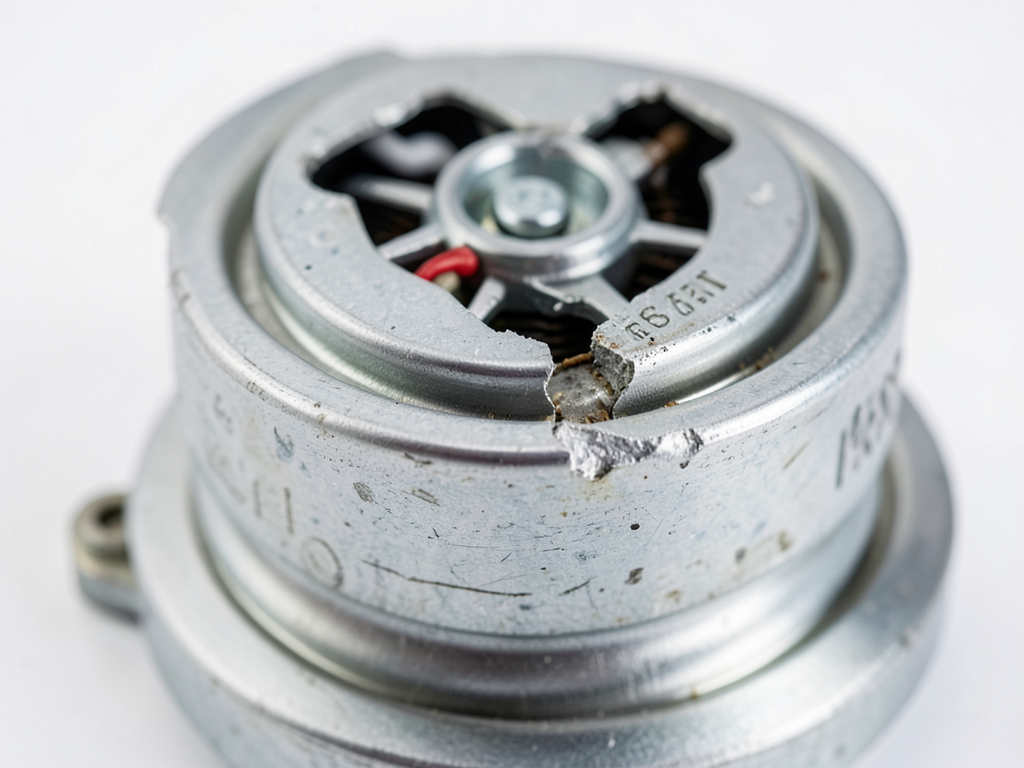
How to tell if a bad capacitor is the reason your Hyde Park AC won't start Your Hyde Park home…

How to tell if a bad capacitor is the reason your Hyde Park AC won't start

How to tell if a bad capacitor is the reason your Hyde Park AC won't start Your Hyde Park home…

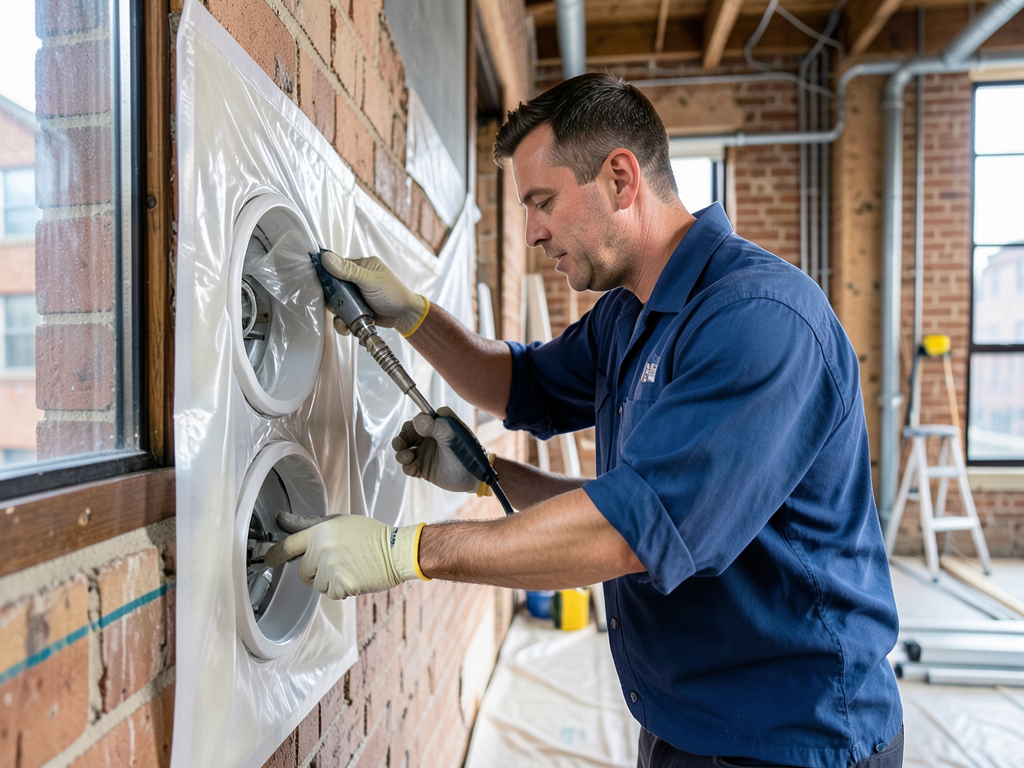
Protecting your Downtown loft from the dust of nearby construction projects

Protecting Your Downtown Loft from Construction Dust Construction dust is more than just a nuisance for Downtown Cincinnati loft owners.…

Preparing your Sharonville HVAC system for a sudden Ohio Valley flash freeze

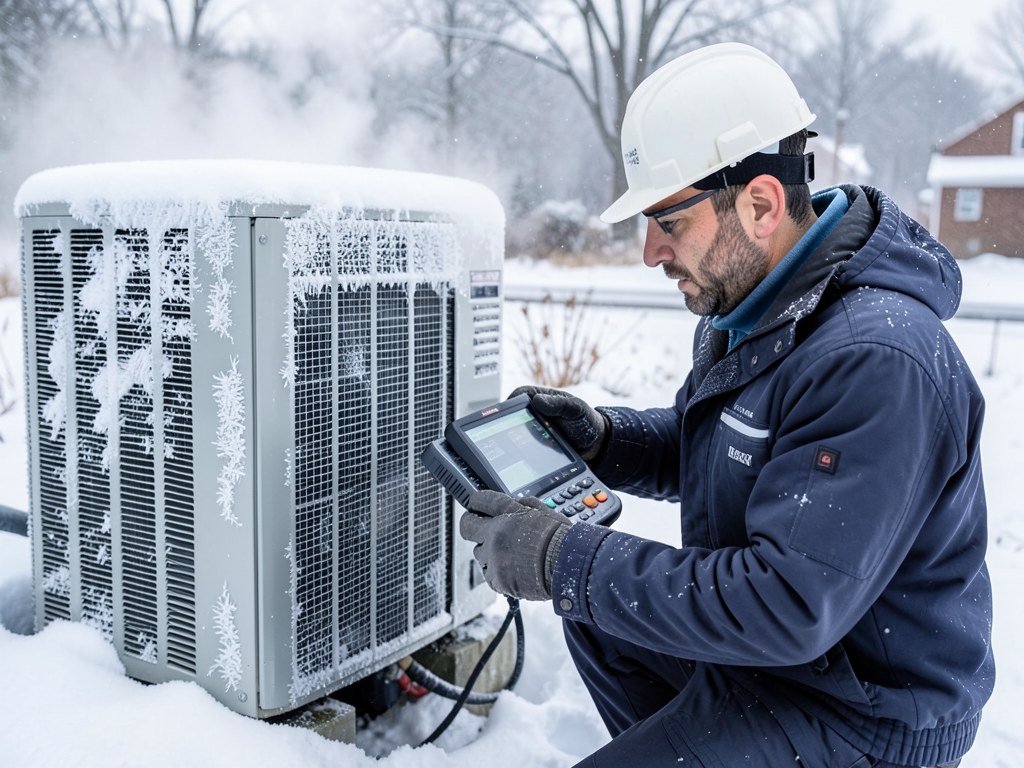
Preparing your Sharonville HVAC system for a sudden Ohio Valley flash freeze Ohio Valley winters can turn brutal in hours…

Contact Us

Stop guessing about replacement costs. Call Five Star HVAC Cincinnati at (513) 717-5155 for a detailed estimate based on your home's actual requirements. We provide transparent pricing and answer every question about equipment options and installation scope.