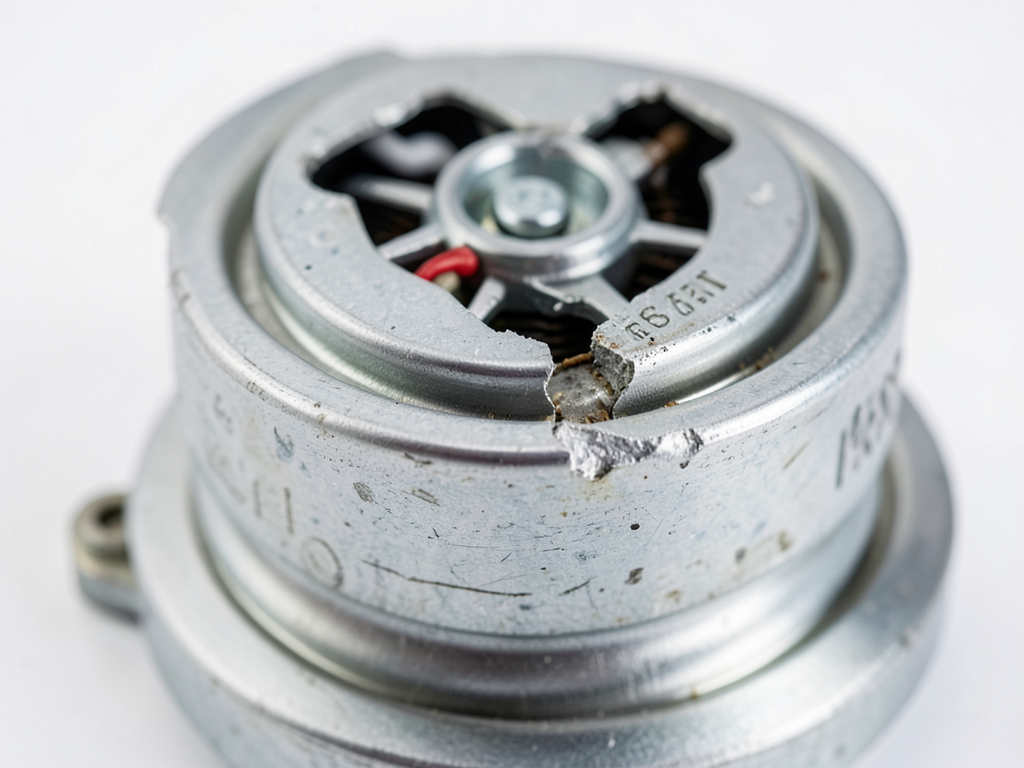
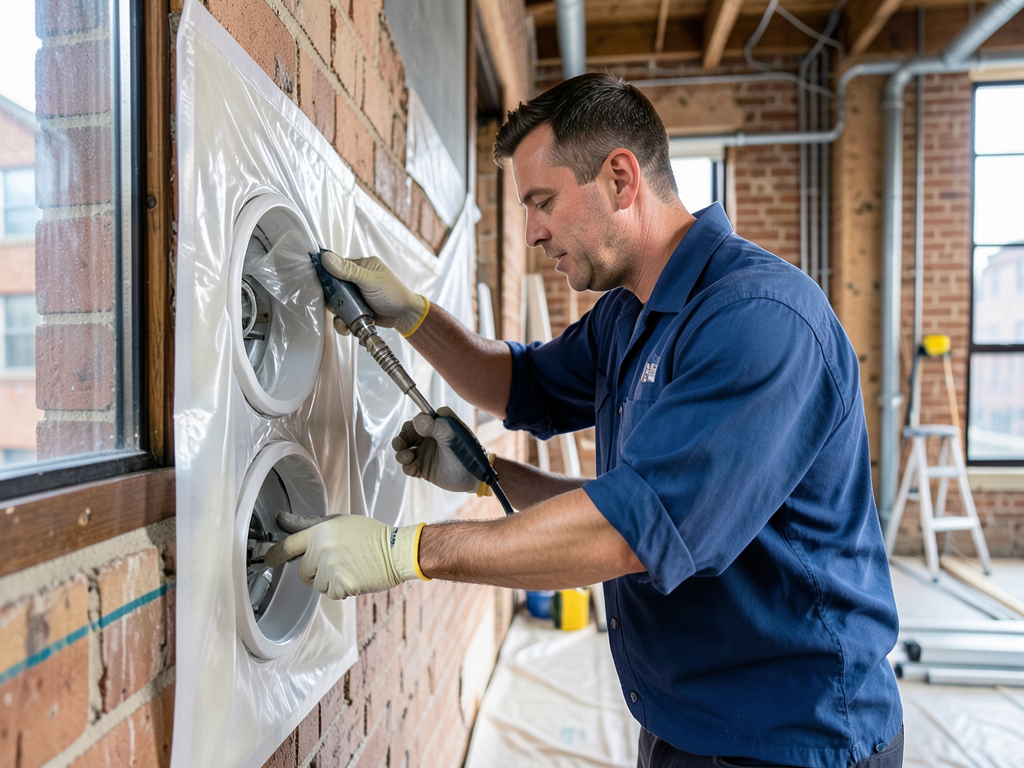
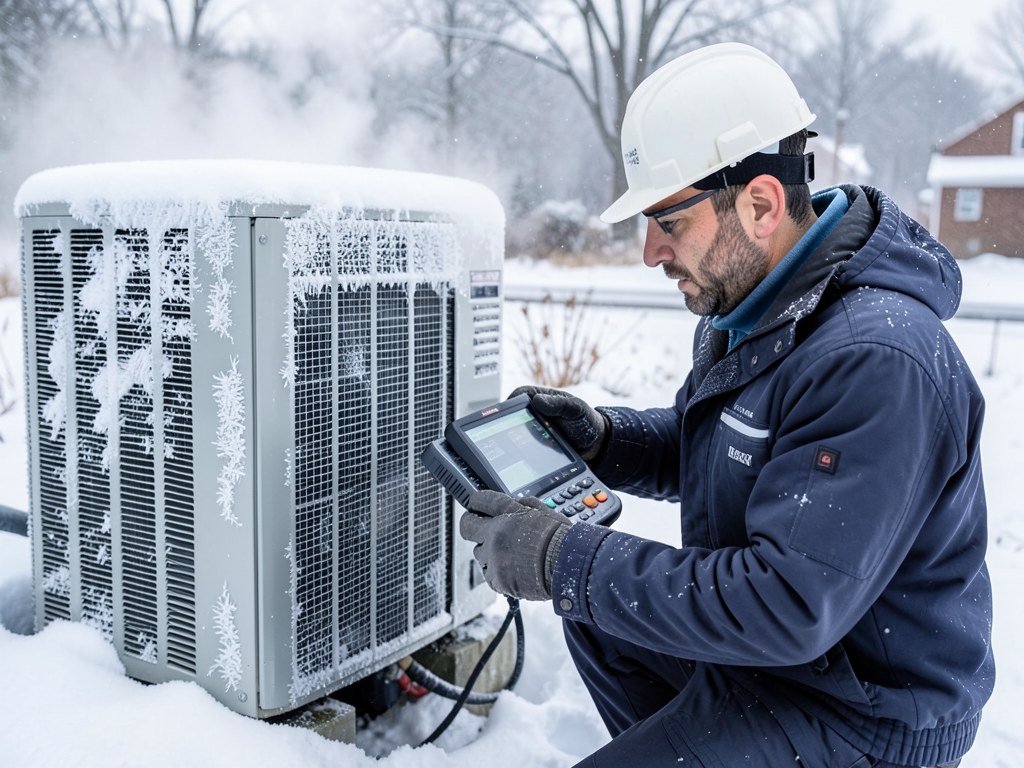
The Ohio River Valley creates unique moisture conditions that accelerate furnace component wear. Summer humidity reaches 70 to 80 percent, which causes condensation inside inactive furnaces during cooling season. This moisture promotes rust on heat exchangers and burner assemblies. When October arrives and furnaces fire up for the first time, corroded components often fail immediately. Following a preventative heating maintenance guide that includes summer shutdown procedures protects against moisture damage during the off-season. Cincinnati's dramatic temperature swings between day and night during spring and fall also stress furnaces. Systems cycle on and off frequently, wearing ignition components and control boards faster than in climates with stable temperatures.
Cincinnati building inspectors follow Ohio mechanical code requirements for furnace installations and maintenance. These codes mandate carbon monoxide testing, proper venting, and adequate combustion air supply. Local HVAC companies familiar with these requirements ensure your system meets all safety standards. This matters during home sales, when inspectors scrutinize heating systems closely. Buyers often request furnace inspections, and documented maintenance records increase home value. Working with technicians who understand Greater Cincinnati's specific code requirements prevents compliance issues that delay closings or reduce sale prices.