Menu

Why Air Filter Changes Matter in Cincinnati – Protecting Your Home from Ohio Valley Humidity and Allergens

Regular air filter replacement is critical in Cincinnati's humid climate, where moisture, pollen, and mold spores overload HVAC systems faster than in drier regions, reducing efficiency and indoor air quality.

Slider Image 1
Slider Image 2
Slider Image 3
Slider Image 4
Slider Image 5
Slider Image 7
Slider Image 8
Slider Image 9
Slider Image 10
Slider Image 11

How Cincinnati's Climate Accelerates Filter Contamination

Cincinnati sits in the Ohio Valley, where humidity levels regularly spike above 70 percent during summer months. This moisture-heavy air carries pollen from surrounding deciduous forests, mold spores from the Ohio River basin, and particulates from industrial activity across the tri-state area. Your HVAC system pulls all of this through the air filter every time it cycles.

The impact of dirty air filters in this environment is measurable. A clogged filter forces your blower motor to work harder, increasing energy consumption by 15 to 20 percent. The significance of air filter replacement goes beyond energy bills. When filters saturate with moisture and debris, they become breeding grounds for mold and bacteria, which then circulate through your ductwork into living spaces.

Benefits of changing air filters regularly include maintaining proper airflow across your evaporator coil. In Cincinnati's muggy summers, restricted airflow causes coils to freeze, leading to compressor failure. During winter, a blocked filter prevents warm air distribution, causing your furnace to overheat and trip safety switches.

Reasons for changing ac filters are straightforward in this region. The combination of Ohio Valley humidity, seasonal pollen loads, and urban air quality creates a perfect storm for rapid filter degradation. What works on a 90-day schedule in Phoenix fails in 30 days here. Your system cannot compensate for this environmental reality. Why replace hvac filters more frequently in Cincinnati? Because the air itself demands it.

How Cincinnati's Climate Accelerates Filter Contamination
The Technical Reality of Filter Performance in High-Humidity Environments

The Technical Reality of Filter Performance in High-Humidity Environments

Filter efficiency ratings, measured by MERV (Minimum Efficiency Reporting Value), tell only part of the story. A MERV 8 filter captures particles down to 3 microns under laboratory conditions. In Cincinnati's real-world humidity, that same filter loses structural integrity faster as moisture weighs down fibers and reduces electrostatic charge.

We evaluate filter performance based on static pressure drop across the media. A new filter shows 0.05 to 0.1 inches of water column pressure differential. When that number climbs to 0.3 or higher, your blower motor draws excessive amperage. This is measurable with a manometer, and it happens faster here than in arid climates.

The reasons for changing ac filters extend to equipment longevity. Your blower motor's rated lifespan assumes normal operating conditions. Forcing it to push air through a saturated filter for months creates heat buildup in the windings. This degrades insulation and leads to premature failure. Replacing a residential ECM blower motor costs between $800 and $1,200 in parts and labor.

Benefits of changing air filters include maintaining designed airflow velocity through your ductwork. HVAC systems are engineered for specific CFM (cubic feet per minute) rates. When filters restrict flow, you get pressure imbalances, hot and cold spots, and reduced dehumidification capacity. In Cincinnati's summer months, proper dehumidification is not optional. It prevents mold growth in wall cavities and maintains structural integrity of wood framing.

Why replace hvac filters on a strict schedule? Because your system's mechanical components operate within narrow tolerances that clogged filters disrupt.

What Happens During a Professional Filter Assessment

Why Air Filter Changes Matter in Cincinnati – Protecting Your Home from Ohio Valley Humidity and Allergens
01

System Airflow Testing

We measure static pressure at the return plenum and supply plenum using calibrated manometers. This shows whether your current filter is restricting airflow beyond manufacturer specifications. We compare readings to your equipment's factory data plate requirements. If pressure drop exceeds 0.25 inches of water column with a clean filter, we evaluate ductwork design. This diagnostic approach identifies whether you need higher-capacity filter grilles or if existing contamination is the problem.
02

Filter Media Evaluation

03

Custom Replacement Schedule

Based on your home's square footage, occupancy, pet count, and local pollen data, we calculate an optimal replacement interval. For most Cincinnati homes, this ranges from 30 to 60 days during high-humidity months. We provide filter specifications matched to your equipment's blower capacity, not generic big-box recommendations. You receive a written schedule that accounts for seasonal variations in Ohio Valley air quality. This prevents both over-filtering, which restricts airflow, and under-filtering, which damages equipment.

Why Local HVAC Knowledge Matters for Filter Selection

National HVAC manufacturers publish filter replacement guidelines based on average national conditions. Cincinnati is not average. The Ohio Valley's microclimate, combined with prevailing winds from the southwest that carry agricultural dust and pollen, creates contamination levels that exceed standard assumptions.

Five Star HVAC Cincinnati understands these local variables because we service systems across Hamilton County's diverse neighborhoods. Homes in Hyde Park, with mature tree canopies, face different pollen loads than properties in West Chester's newer developments. We account for proximity to I-71 and I-75, where diesel particulates increase filter contamination rates. This is not generic advice. It is data from years of service calls and equipment failures.

The significance of air filter replacement increases when you consider Cincinnati's specific building stock. Many homes date to the early 1900s, with retrofit HVAC systems installed in basements with limited return air pathways. These configurations create higher static pressure, making filter cleanliness even more critical. We have mapped failure patterns across zip codes and know which neighborhoods experience faster filter saturation.

Local building codes in Hamilton County require specific ventilation rates for new construction and major renovations. Meeting these codes while maintaining efficiency requires proper filter selection. A filter that is too restrictive violates designed airflow rates. One that is too porous fails to protect equipment. We match filter MERV ratings to your system's blower capacity and ductwork design, following ACCA Manual D calculations.

This level of specificity matters because HVAC systems are not plug-and-play appliances. They are engineered assemblies that require local expertise to maintain properly. Generic advice from national call centers cannot account for Cincinnati's environmental realities.

What You Should Know About Filter Maintenance in Cincinnati

Replacement Frequency in the Ohio Valley

Most Cincinnati homes need filter changes every 30 to 45 days during peak seasons. Spring pollen from March through May and summer humidity from June through August accelerate contamination. Homes with pets, smokers, or nearby construction require even shorter intervals. We provide specific timelines based on your equipment type and location. Electronic air cleaners and media filters have different maintenance requirements than disposable fiberglass units. Neglecting seasonal adjustments leads to reduced system performance when you need it most. Setting calendar reminders aligned with Cincinnati's weather patterns prevents the efficiency loss that comes with forgotten filter changes.

Choosing the Right Filter for Your System

Filter selection requires matching MERV rating to your blower motor capacity. Higher MERV ratings capture smaller particles but increase airflow resistance. Older systems with PSC motors cannot handle MERV 13 or higher without motor damage. Newer variable-speed ECM motors tolerate higher-efficiency filters. We measure your system's actual CFM output and compare it to design specifications. This determines the highest MERV rating your equipment can support without performance loss. Using filters that exceed your system's capacity causes the same problems as never changing them. Proper selection balances air quality improvement with mechanical compatibility.

Measuring Filter Performance

You can visually inspect filters monthly by checking for visible debris accumulation and structural integrity. Hold the filter up to light. If you cannot see through it, airflow is restricted. Check the frame for moisture damage or warping that creates bypass gaps. We recommend annual professional static pressure testing to verify your system maintains proper airflow. This catches problems before they cause equipment damage. If you notice longer run times, uneven temperatures between rooms, or increased dust accumulation on furniture, your filter is likely saturated. These symptoms indicate your system is working harder to compensate for restricted airflow.

Long-Term Equipment Protection

Regular filter maintenance extends equipment lifespan by preventing coil contamination and blower motor strain. A clean evaporator coil transfers heat efficiently, reducing compressor runtime and wear. Blower motors operating within designed amperage limits last 15 to 20 years. Those forced to push air through clogged filters fail in 8 to 10 years. We document filter condition during maintenance visits and track replacement history. This creates a maintenance record that helps diagnose recurring problems. Consistent filter changes also maintain manufacturer warranty compliance. Some warranties require proof of regular maintenance, including documented filter replacement intervals.

Frequently Asked Questions

You Have Questions,
We Have Answers

What happens if you don't change your air filter? +

A clogged air filter forces your HVAC system to work harder, which drives up energy bills and shortens equipment life. Dust and allergens circulate freely through your home, aggravating allergies and respiratory issues. In Cincinnati's humid climate, restricted airflow can cause evaporator coils to freeze, leading to costly repairs. Your system runs longer cycles without reaching set temperatures, straining the compressor. Indoor air quality drops as particles bypass the dirty filter. You risk premature system failure and uncomfortable temperature swings. Regular changes prevent these problems and keep your system running efficiently through Ohio's extreme seasonal shifts.

Why is it important to change your air filters? +

Clean filters protect your HVAC investment and your health. They trap dust, pollen, mold spores, and pet dander before these contaminants spread through your home. This matters in Cincinnati, where Ohio River Valley humidity creates ideal conditions for mold growth and allergen buildup. Proper filtration reduces strain on your blower motor and compressor, preventing breakdowns during peak summer heat and winter cold. You maintain consistent airflow, lower energy costs, and extend equipment lifespan. Clean filters also prevent dust buildup on internal components, reducing maintenance needs. Changing filters ranks as the simplest preventive step for system longevity and indoor comfort.

Does changing the air filter improve performance? +

Yes. A clean filter restores proper airflow, allowing your system to reach set temperatures faster and run shorter cycles. Your blower motor moves air efficiently without working against restriction, which reduces energy consumption by up to 15 percent. In Cincinnati's variable climate, improved performance means better humidity control and more even temperature distribution throughout your home. You get faster response times when switching between heating and cooling during spring and fall transitions. Clean filters also improve heat exchange efficiency at the coils, maximizing cooling capacity on hot summer days and heating output during cold snaps. Performance gains show up immediately in comfort and on utility bills.

Will I notice a difference with a new air filter? +

Absolutely. You will feel improved airflow from vents within minutes of installing a fresh filter. Rooms reach desired temperatures faster and maintain them more consistently. Allergy sufferers often notice reduced symptoms as fewer airborne particles circulate. Your system cycles less frequently, creating a quieter home environment. Energy bills typically drop within the first billing cycle. In Cincinnati homes with forced air systems, the difference becomes obvious during high-demand seasons when dirty filters create noticeable hot or cold spots. You may also detect less dust settling on furniture between cleanings. These immediate benefits confirm that filter changes deliver real value for minimal effort and cost.

Can I just clean my air filter instead of replacing it? +

Most residential filters are designed as disposable and lose effectiveness when washed. Cleaning damages the filter media, creating gaps that allow particles through. Water can introduce mold growth if the filter does not dry completely, which is risky in Cincinnati's humid conditions. Only specific washable or electrostatic filters are designed for cleaning, and these require proper procedures to maintain effectiveness. Standard pleated filters cost just a few dollars and take minutes to replace. Cleaning wastes time without delivering true filtration performance. For reliable protection and system efficiency, replace disposable filters on schedule rather than attempting to clean them. Proper maintenance beats false economy.

What is the $5000 rule for AC? +

The $5000 rule suggests replacing your AC unit if repair costs exceed half the replacement cost and the system is past 10 years old. Multiply the repair estimate by your system age. If that total exceeds $5000, replacement often makes better financial sense than repairing. In Cincinnati, where systems handle both humid summers and cold winters, older equipment loses efficiency and reliability. This guideline helps homeowners avoid throwing money at failing equipment. Consider energy savings from newer models, potential refrigerant phase-outs, and reliability needs. While not absolute, this formula provides a practical framework for major repair decisions when your system reaches middle age.

Will my AC work better if I change the filter? +

Yes. A clean filter immediately improves airflow, allowing your AC to move conditioned air efficiently through your home. The evaporator coil maintains proper temperature without ice buildup, maximizing cooling capacity. Your compressor runs shorter cycles to reach thermostat settings, reducing wear and energy consumption. In Cincinnati summers, when humidity compounds heat stress, better airflow means improved moisture removal and more comfortable indoor conditions. The blower motor operates at designed specifications rather than straining against restriction. You get faster temperature recovery, more even cooling, and lower operating costs. This simple maintenance step delivers measurable performance gains that last until the filter needs changing again.

What is the 3 minute rule for air conditioners? +

The three-minute rule prevents compressor damage during rapid cycling. After your AC shuts off, refrigerant pressure equalizes throughout the system. Starting the compressor before pressures balance forces it to work against high resistance, causing excessive wear and potential failure. Wait at least three minutes between shutdown and restart. This applies when adjusting thermostats, resetting breakers, or testing your system. In Cincinnati's climate, where frequent temperature swings tempt homeowners to toggle systems, following this rule protects your equipment. Most modern thermostats include delay timers for this reason. Patient operation extends compressor life and prevents costly emergency repairs during peak demand seasons.

What is the life expectancy of an air filter? +

Standard disposable filters last 30 to 90 days, depending on household factors. Homes with pets, smokers, or high dust levels need monthly changes. Typical Cincinnati households should change filters every 60 days, adjusting for seasonal pollen loads in spring and fall. High-efficiency pleated filters may last 90 days in low-demand situations. Check filters monthly regardless of schedule. If they appear gray or clogged, replace them immediately. During peak heating or cooling seasons, filters collect particles faster and need more frequent changes. System runtime, occupant count, and local air quality all affect filter life. Visual inspection beats arbitrary schedules for optimal performance and protection.

Will a new air filter improve MPG? +

Wrong system. This question applies to automotive cabin or engine air filters, not home HVAC systems. For vehicles, yes, a clean engine air filter can improve fuel economy by allowing proper air-fuel mixture ratios. Restricted airflow forces the engine to work harder, burning more fuel. However, residential HVAC filters affect home comfort and energy costs rather than vehicle MPG. They control indoor air quality and system efficiency. If you meant home energy costs, clean HVAC filters do reduce electricity consumption by improving system performance. For vehicle performance questions, consult an automotive specialist rather than an HVAC professional serving the Cincinnati area.

How Ohio Valley Humidity Affects HVAC Filter Performance in Cincinnati

Cincinnati's position in the Ohio River Valley creates a humid microclimate that accelerates filter saturation compared to surrounding regions. Summer dewpoints regularly reach 70 degrees Fahrenheit, creating conditions where moisture condenses on filter media before it even reaches the evaporator coil. This moisture acts as an adhesive for airborne particles, causing filters to clog faster than manufacturer estimates predict. The combination of river valley fog, seasonal pollen from surrounding hardwood forests, and industrial emissions from the tri-state manufacturing corridor creates a particulate load that overtaxes standard filtration intervals. Why replace hvac filters more frequently here? Because Cincinnati's air carries more moisture and contaminants per cubic foot than drier regions.

Five Star HVAC Cincinnati has tracked filter performance across Hamilton County neighborhoods for years, documenting how local conditions affect replacement schedules. We understand that homes in Oakley face different air quality challenges than properties in Anderson Township. This local knowledge informs our recommendations and prevents the one-size-fits-all approach that leads to equipment failure. Cincinnati building inspectors increasingly focus on HVAC efficiency during property transfers and rental inspections. Documented filter maintenance demonstrates proper system care and prevents compliance issues. Choosing a local provider means working with technicians who understand regional climate patterns, local building codes, and the specific challenges of maintaining HVAC systems in Ohio Valley humidity.
HVAC Services in The Cincinnati Area

Five Star HVAC proudly serves all homes and businesses in the greater Cincinnati area. Our skilled team is ready to respond to your service requests, whether you're in the city center or the surrounding suburbs. Use the map to explore our service area and see how close we are to you. We're committed to providing prompt and dependable service, no matter where you are within our coverage zone.

Address:
Five Star HVAC Cincinnati, 4024 Hamilton Ave, Cincinnati, OH, 45223

Additional Services We Offer

Our news updates

Latest Articles & News from The Blogs

How to tell if a bad capacitor is the reason your Hyde Park AC won't start Your Hyde Park home…

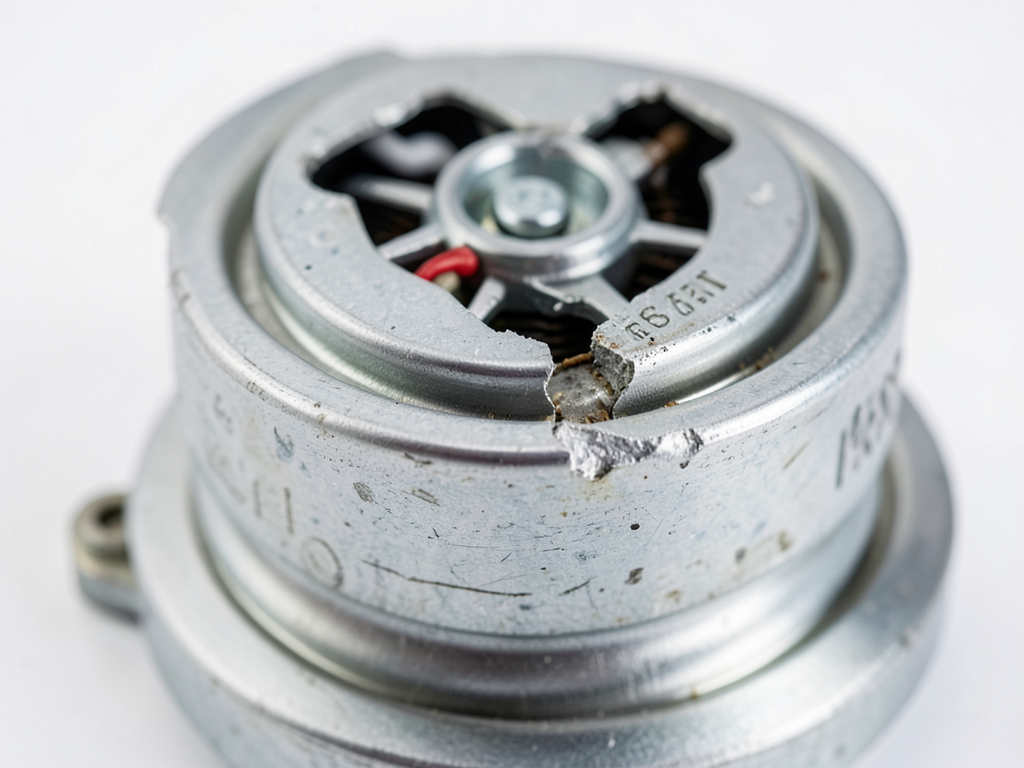
How to tell if a bad capacitor is the reason your Hyde Park AC won't start

How to tell if a bad capacitor is the reason your Hyde Park AC won't start Your Hyde Park home…

Protecting your Downtown loft from the dust of nearby construction projects

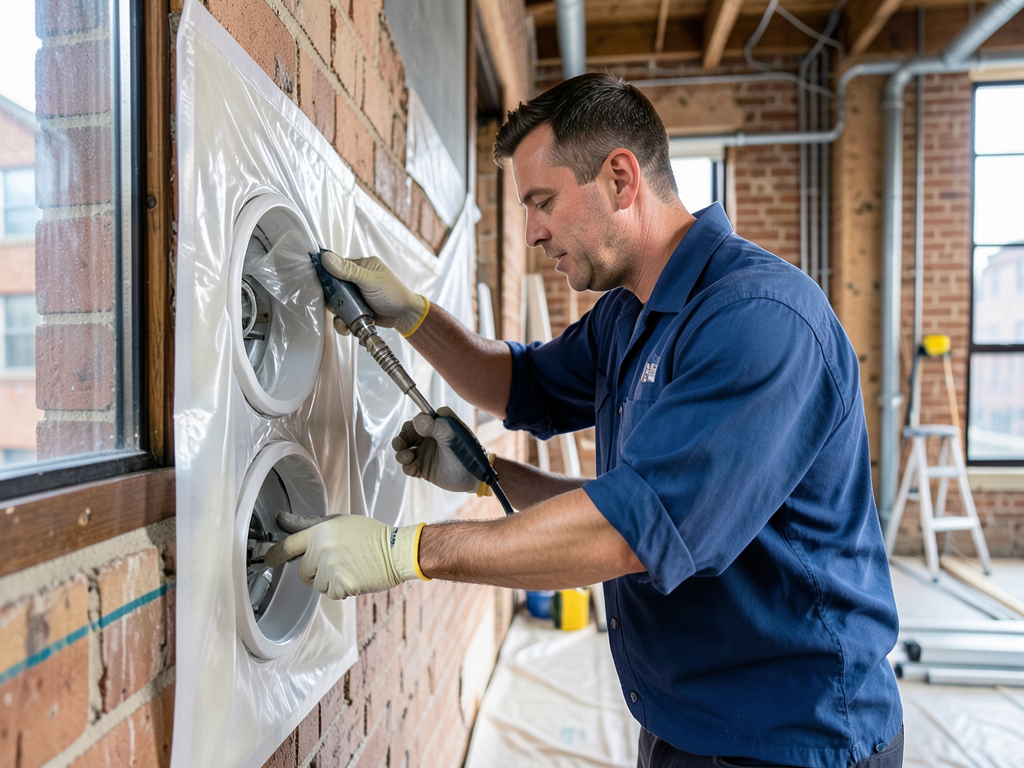
Protecting Your Downtown Loft from Construction Dust Construction dust is more than just a nuisance for Downtown Cincinnati loft owners.…

Preparing your Sharonville HVAC system for a sudden Ohio Valley flash freeze

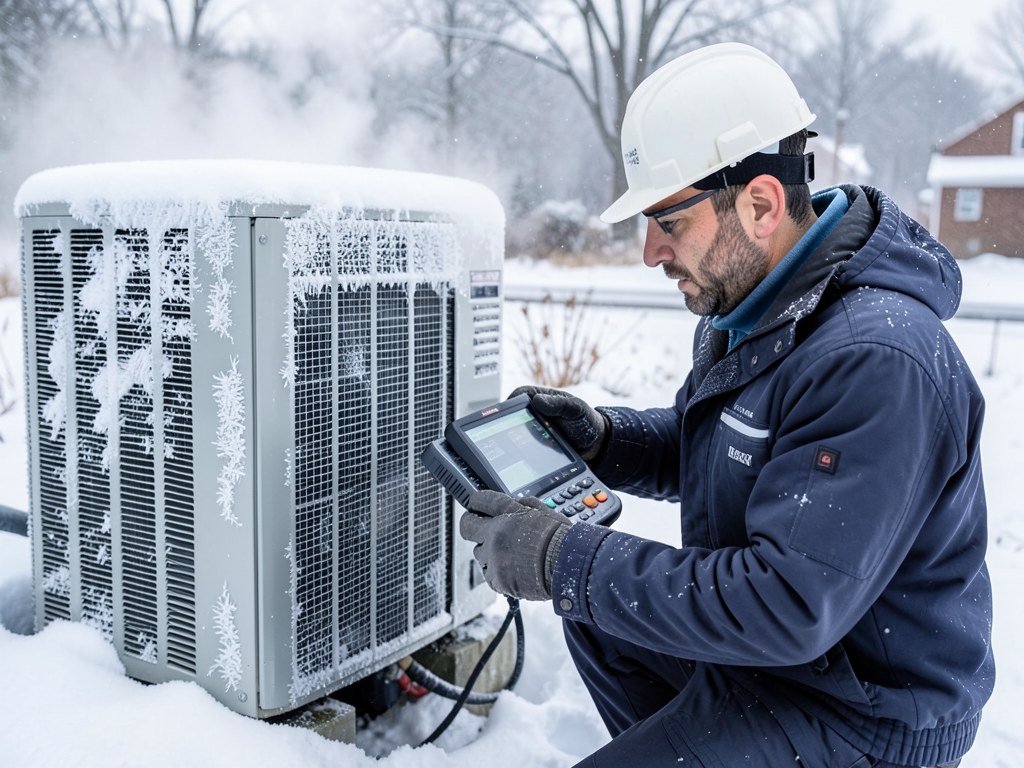
Preparing your Sharonville HVAC system for a sudden Ohio Valley flash freeze Ohio Valley winters can turn brutal in hours…

Contact Us

Stop guessing about filter replacement intervals. Call Five Star HVAC Cincinnati at (513) 717-5155 for a professional airflow assessment. We measure your system's actual performance and provide a custom maintenance schedule for Cincinnati's climate. Protect your equipment before humidity and contamination cause expensive failures.