Menu

Carbon Monoxide Leak Detection in Cincinnati – Emergency Response in 60 Minutes or Less

When your CO detector sounds or you suspect a gas leak, every minute counts. Five Star HVAC Cincinnati deploys certified technicians for immediate carbon monoxide leak detection across the Cincinnati metro, 24 hours a day, 7 days a week.

Slider Image 1
Slider Image 2
Slider Image 3
Slider Image 4
Slider Image 5
Slider Image 7
Slider Image 8
Slider Image 9
Slider Image 10
Slider Image 11

Why Carbon Monoxide Emergencies Happen More Often in Cincinnati Than You Think

Cincinnati winters force furnaces, water heaters, and gas appliances to run longer and harder than in most parts of the country. When temperatures drop into the teens, your heating system operates continuously for weeks. This extended runtime stresses heat exchangers, corrodes vent pipes, and accelerates the breakdown of combustion chambers.

Carbon monoxide does not announce itself with a smell or visible smoke. It displaces oxygen in your bloodstream silently. You feel dizzy, nauseous, or confused before you realize what is happening. If your CO detector activates, you need to evacuate immediately and call for emergency carbon monoxide testing from outside your home.

Older homes in neighborhoods like Over-the-Rhine, Northside, and Mount Adams often have aging furnaces with cracked heat exchangers or improperly vented appliances. Even newer systems can develop dangerous leaks if combustion air is restricted or if flue pipes corrode from condensation. Cincinnati's humidity accelerates rust formation inside vents, especially in basements prone to moisture infiltration.

Professional CO leak inspection requires calibrated gas analyzers and infrared cameras to trace combustion byproducts to their source. Guessing wastes time you do not have. If you smell gas, hear your detector alarm, or experience headaches and fatigue that improve when you leave the house, you need urgent carbon monoxide check services now. Do not wait for symptoms to worsen. Do not try to locate the leak yourself. Every minute of exposure increases health risks for everyone in your home.

Why Carbon Monoxide Emergencies Happen More Often in Cincinnati Than You Think
How We Locate and Stop Carbon Monoxide Leaks Fast

How We Locate and Stop Carbon Monoxide Leaks Fast

Our technicians arrive with multi-gas detectors calibrated to measure CO concentrations in parts per million. We test ambient air in every room, then move to mechanical spaces where furnaces, water heaters, and gas appliances operate. We measure CO levels at supply registers, return grilles, and exhaust terminations to trace the contamination back to the defective appliance.

If your furnace is the culprit, we inspect the heat exchanger for cracks using a fiber-optic camera. Hairline fractures invisible to the naked eye allow combustion gases to migrate into supply air. We also test draft pressure at the flue collar to confirm exhaust gases vent properly. Negative pressure or backdrafting pushes CO into living spaces instead of outside.

Water heaters and boilers require different diagnostics. We check flue pipe connections, measure draft, and inspect vent terminations for blockages. Birds, debris, or ice dams can obstruct exhaust paths and force gases back into your home. We also evaluate combustion air supply. Sealed homes without adequate makeup air starve appliances of oxygen, creating incomplete combustion and elevated CO production.

Once we identify the source, we red-tag the appliance and shut off the gas supply. You cannot operate equipment leaking carbon monoxide under any circumstances. We provide a written report documenting CO levels, the defective component, and corrective actions required. If you need emergency replacement, we carry inventory on our trucks for same-day installation. If repairs are possible, we complete them immediately and retest air quality before leaving your property.

What Happens During Emergency CO Testing

Carbon Monoxide Leak Detection in Cincinnati – Emergency Response in 60 Minutes or Less
01

Immediate Air Quality Assessment

We measure carbon monoxide concentrations in every room using professional-grade analyzers. This establishes baseline contamination levels and confirms whether your home is safe to occupy. If CO exceeds safe thresholds, we ventilate the space and identify evacuation needs. We work quickly but thoroughly because your family's safety depends on accurate readings before we begin tracing the leak source.
02

Source Tracing and Diagnostics

We isolate each gas appliance and test combustion efficiency, draft pressure, and vent integrity. Using infrared cameras and fiber-optic scopes, we inspect heat exchangers, flue pipes, and burner assemblies for cracks, corrosion, or blockages. We also evaluate combustion air supply and measure pressure differentials to determine if your home's ventilation contributes to incomplete combustion or backdrafting conditions.
03

Safe Shutdown and Repair

Once we locate the defect, we shut off gas to the appliance and red-tag it as unsafe for operation. We provide a detailed report and recommend either immediate repair or replacement based on the severity of the failure. If you need a new furnace or water heater, we install it the same day. After repairs, we retest air quality in every room and provide written confirmation that CO levels meet safety standards before restoring service.

Why Cincinnati Homeowners Trust Five Star HVAC for CO Emergencies

Carbon monoxide emergencies require immediate response, not appointment windows. We dispatch technicians to your location within 60 minutes, day or night, including weekends and holidays. Our trucks stock emergency equipment, replacement parts, and backup heating solutions so we resolve the problem in one visit.

Cincinnati's building stock includes everything from 19th-century rowhouses to modern split-levels. Each home presents unique ventilation challenges. Historic homes in neighborhoods like Hyde Park and Clifton often have unlined chimneys, inadequate combustion air, or retrofitted HVAC systems that never vented properly. Newer construction in Mason and West Chester may have sealed building envelopes that starve appliances of oxygen. We have diagnosed CO issues in every type of structure across Hamilton County and know how Cincinnati homes behave.

Our technicians hold certifications in combustion analysis and gas appliance safety. We do not guess. We measure draft, analyze flue gases, and document findings with calibrated instruments. If your furnace needs replacement, we size equipment correctly for your home's heating load and ensure proper venting according to local mechanical codes. Undersized or improperly vented systems create the exact conditions that cause CO buildup.

We also understand the urgency families face when heat goes out in January. If we red-tag your furnace, we provide temporary heating solutions while sourcing replacement equipment. We coordinate with your insurance company if the failure resulted from a covered event. You get transparency, not upselling. If your system can be repaired safely, we repair it. If replacement is the only safe option, we explain why and show you the defect.

What to Expect When You Call for Emergency CO Detection

Response Time and Availability

We dispatch technicians to your location within 60 minutes of your call, 24 hours a day, 7 days a week. Our emergency line connects you directly to a live dispatcher, not an answering service. We do not schedule CO emergencies for the next available appointment. When you call, a certified technician heads to your address immediately, regardless of the time or weather. We serve every neighborhood in Cincinnati and surrounding communities including Blue Ash, Montgomery, Loveland, and Milford. You will receive a text message with your technician's name, photo, and estimated arrival time.

Comprehensive Testing and Diagnosis

We test ambient air quality in every room, then isolate each gas appliance for individual combustion analysis. Using calibrated multi-gas analyzers, infrared cameras, and fiber-optic scopes, we identify the exact source of CO contamination. We measure draft pressure, inspect heat exchangers, evaluate vent terminations, and assess combustion air supply. You receive a written report documenting CO levels, defective components, and corrective actions required. We red-tag unsafe equipment and provide photos showing the defect. No guesswork. No assumptions. Just accurate diagnostics backed by measurable data.

Same-Day Repairs or Replacement

If your furnace, water heater, or boiler can be repaired safely, we complete the work immediately and retest air quality before leaving. If replacement is necessary, we carry high-efficiency equipment on our trucks for same-day installation. We do not leave you without heat in the middle of winter. We size new equipment correctly for your home's heating load, install proper venting, and ensure code compliance. After repairs or replacement, we test CO levels in every room and provide written confirmation that your home meets safety standards. You get peace of mind, not promises.

Follow-Up Testing and Prevention

After resolving the immediate danger, we schedule a follow-up visit to retest air quality and verify your system operates safely under normal conditions. We also evaluate your home's ventilation and recommend improvements if needed. Many CO problems stem from inadequate combustion air or blocked makeup air pathways. We show you how to maintain proper airflow and when to schedule annual combustion safety testing. Preventive maintenance catches heat exchanger cracks, corroded vent pipes, and burner problems before they become emergencies. We offer annual safety inspections that include combustion analysis and CO testing as part of routine service.

Frequently Asked Questions

You Have Questions,
We Have Answers

How do you know if carbon monoxide is leaking? +

You cannot see, smell, or taste carbon monoxide. The only reliable way to detect a leak is with a working carbon monoxide detector. Physical symptoms in your household are the second warning sign. Watch for sudden headaches, dizziness, nausea, or flu-like symptoms that improve when you leave the house. Check your gas furnace, water heater, and any fuel-burning appliances for yellow pilot flames instead of blue, which signals incomplete combustion. If your detector alarms or multiple people feel sick at once, evacuate immediately and call 911.

How to check for carbon monoxide leak at home? +

Install battery-powered or hardwired carbon monoxide detectors on every level of your home, especially near sleeping areas. Test them monthly by pressing the test button. Place detectors at least 15 feet from fuel-burning appliances to avoid false alarms. Check your furnace annually for cracked heat exchangers or blocked vents, which are common in older Cincinnati homes. Inspect gas appliances for soot buildup, yellow pilot flames, or excess moisture on windows. Never run generators or grills indoors. If you suspect a leak, open windows, evacuate, and call professionals immediately.

Does CO rise or fall? +

Carbon monoxide mixes evenly with air because it weighs roughly the same. It does not rise or fall like other gases. This means carbon monoxide spreads throughout your entire home, filling every room, closet, and basement. Cincinnati homes with forced-air heating systems can distribute carbon monoxide quickly through ductwork. This is why you need detectors on every floor, not just in basements. The misconception that it rises or sinks can create dangerous blind spots. Place detectors at breathing height in hallways and bedrooms for best protection.

What are two warning signs of carbon monoxide poisoning? +

Headaches and dizziness are the two earliest warning signs. These symptoms appear suddenly when multiple people in the home experience them at the same time. Other early signs include nausea, vomiting, confusion, and fatigue. These symptoms mimic the flu but without fever. In Cincinnati homes during heating season, families often mistake carbon monoxide poisoning for seasonal illness. If symptoms improve after leaving the house, suspect carbon monoxide. Pets may show distress first. High-level exposure causes chest pain, blurred vision, loss of consciousness, and death. Get out immediately if symptoms appear.

How long can you live in a house with a carbon monoxide leak? +

You can die within minutes at high concentrations above 1,200 parts per million. At moderate levels between 150 and 400 PPM, you could experience symptoms within two to three hours and face serious organ damage or death within days if exposure continues. Low-level exposure below 50 PPM causes chronic symptoms over weeks but can still cause permanent neurological damage. Cincinnati homes with malfunctioning furnaces during winter create deadly overnight exposure while you sleep. Never wait to see if symptoms improve. Evacuate immediately when your detector alarms. Every minute counts.

Can my cell phone detect carbon monoxide? +

No. Your cell phone cannot detect carbon monoxide. Some apps claim detection capability, but these are false and dangerous. Carbon monoxide detection requires specialized electrochemical sensors that measure gas concentration in parts per million. Your phone lacks this hardware. Only install UL-listed carbon monoxide detectors with digital displays. Battery-powered or plug-in models with battery backup work best during power outages, which are common during Cincinnati storms. Never rely on smartphone apps for life-threatening gas detection. Invest in proper detectors for every floor and replace them every five to seven years.

How quickly will you know if you have carbon monoxide poisoning? +

Symptoms can appear within minutes at high concentrations or take hours at lower levels. Mild exposure causes headaches and nausea within one to two hours. Moderate exposure between 150 and 400 PPM produces confusion and chest pain within two hours. Severe exposure above 400 PPM causes unconsciousness within three hours and death shortly after. While you sleep, poisoning happens faster because your breathing rate increases oxygen demand. Cincinnati homes with gas furnaces face peak risk overnight during winter. If your detector alarms, assume poisoning has started. Evacuate and seek medical evaluation immediately.

How do I use my iPhone to detect carbon monoxide? +

Your iPhone cannot detect carbon monoxide. No smartphone has the required electrochemical sensors to measure this deadly gas. Apps claiming detection are scams that put your family at risk. You must install dedicated carbon monoxide detectors certified by Underwriters Laboratories. Battery-powered detectors with digital displays work during power failures, which Cincinnati experiences during severe weather. Place one on each floor, near bedrooms, and at least 15 feet from gas appliances. Test monthly. Replace every five to seven years. Never trust technology that does not exist. Only proper detectors save lives.

Can a small gas leak make you feel sick? +

Yes. Even small natural gas leaks cause headaches, nausea, dizziness, and fatigue. Natural gas contains mercaptan, which smells like rotten eggs and warns you of leaks. However, prolonged exposure dulls your sense of smell. Gas leaks displace oxygen, causing suffocation symptoms in enclosed spaces. Cincinnati homes with aging gas lines or improper appliance installation face higher risk. Small leaks can also create explosion hazards. If you smell gas or feel suddenly ill at home, evacuate immediately. Do not use light switches or electronics. Call your gas company and 911 from outside.

Where does carbon monoxide accumulate first? +

Carbon monoxide does not accumulate in one place first. It mixes evenly throughout your home because it weighs the same as air. However, the source determines initial concentration. Basements with gas furnaces or water heaters show higher levels near the equipment. In Cincinnati homes with forced-air systems, carbon monoxide spreads rapidly through ductwork to every room. Closed-off areas without airflow can trap higher concentrations. Bedrooms become deadly during overnight furnace operation. This is why you need detectors on every level, especially near sleeping areas, not just near appliances.

How Cincinnati's Humidity and Basement Moisture Accelerate CO Risks

Cincinnati averages 42 inches of rain annually, making basements and crawlspaces chronically damp. Moisture accelerates corrosion inside furnace heat exchangers and metal vent pipes. Rust creates pinholes and cracks that leak combustion gases into supply air. The Ohio River Valley's high humidity also condenses inside flue pipes when exhaust gases cool, creating acidic condensate that eats through metal. Homes near the river or in low-lying areas like East End and Lower Price Hill face higher corrosion rates. Regular combustion analysis and heat exchanger inspections catch these defects early, before CO enters your living space.

Cincinnati enforces mechanical codes requiring proper combustion air and venting for all gas appliances. Many older homes were built before these standards existed. Retrofitting modern furnaces into historic homes without addressing ventilation creates dangerous conditions. Five Star HVAC Cincinnati works daily with local building officials and understands Hamilton County permit requirements for HVAC replacements. We ensure every installation meets current code and passes inspection. Our technicians know Cincinnati's housing stock and the specific challenges older homes present. That local knowledge keeps your family safe.
HVAC Services in The Cincinnati Area

Five Star HVAC proudly serves all homes and businesses in the greater Cincinnati area. Our skilled team is ready to respond to your service requests, whether you're in the city center or the surrounding suburbs. Use the map to explore our service area and see how close we are to you. We're committed to providing prompt and dependable service, no matter where you are within our coverage zone.

Address:
Five Star HVAC Cincinnati, 4024 Hamilton Ave, Cincinnati, OH, 45223

Additional Services We Offer

Our news updates

Latest Articles & News from The Blogs

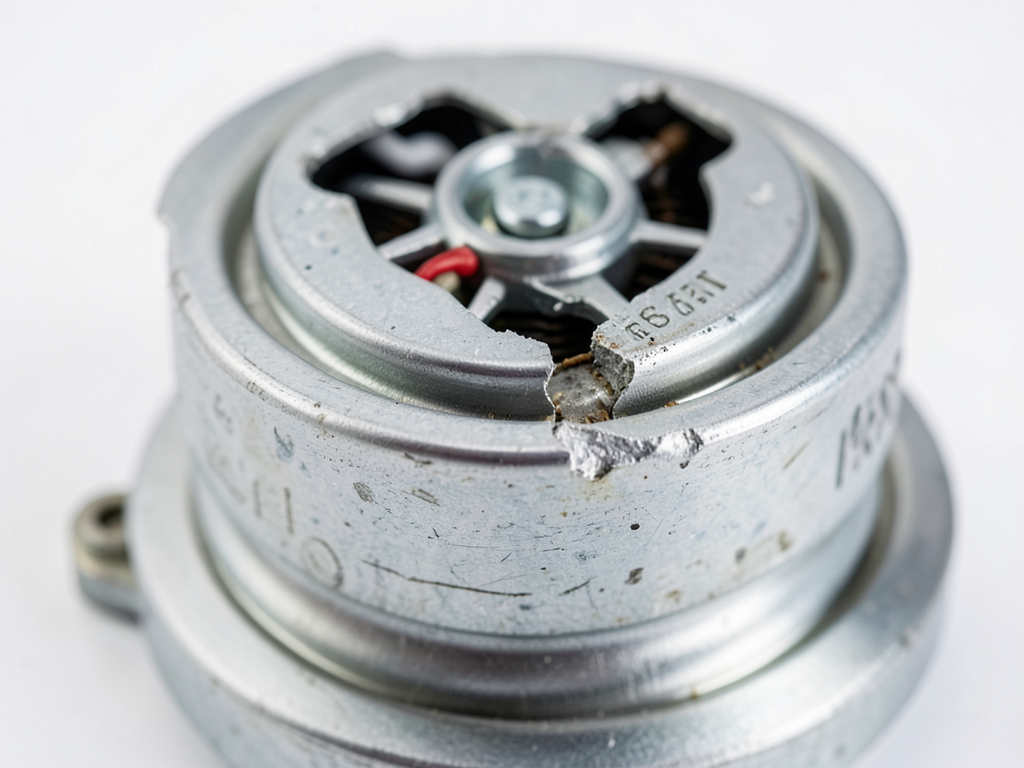
How to tell if a bad capacitor is the reason your Hyde Park AC won't start Your Hyde Park home…

How to tell if a bad capacitor is the reason your Hyde Park AC won't start

How to tell if a bad capacitor is the reason your Hyde Park AC won't start Your Hyde Park home…

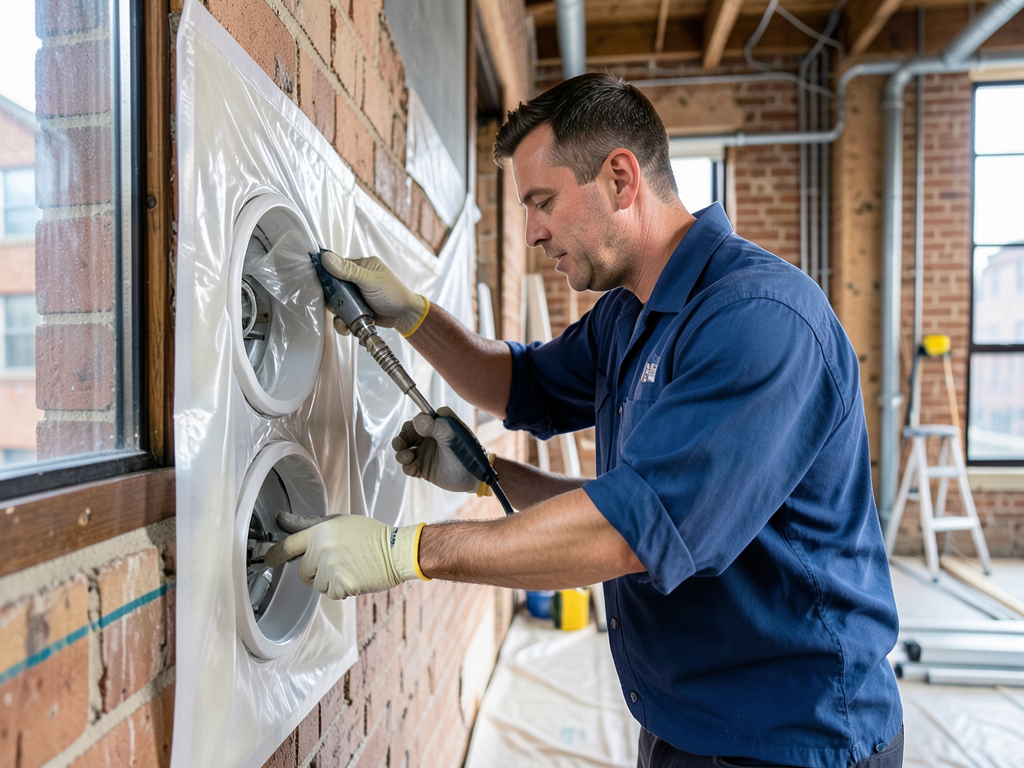
Protecting your Downtown loft from the dust of nearby construction projects

Protecting Your Downtown Loft from Construction Dust Construction dust is more than just a nuisance for Downtown Cincinnati loft owners.…

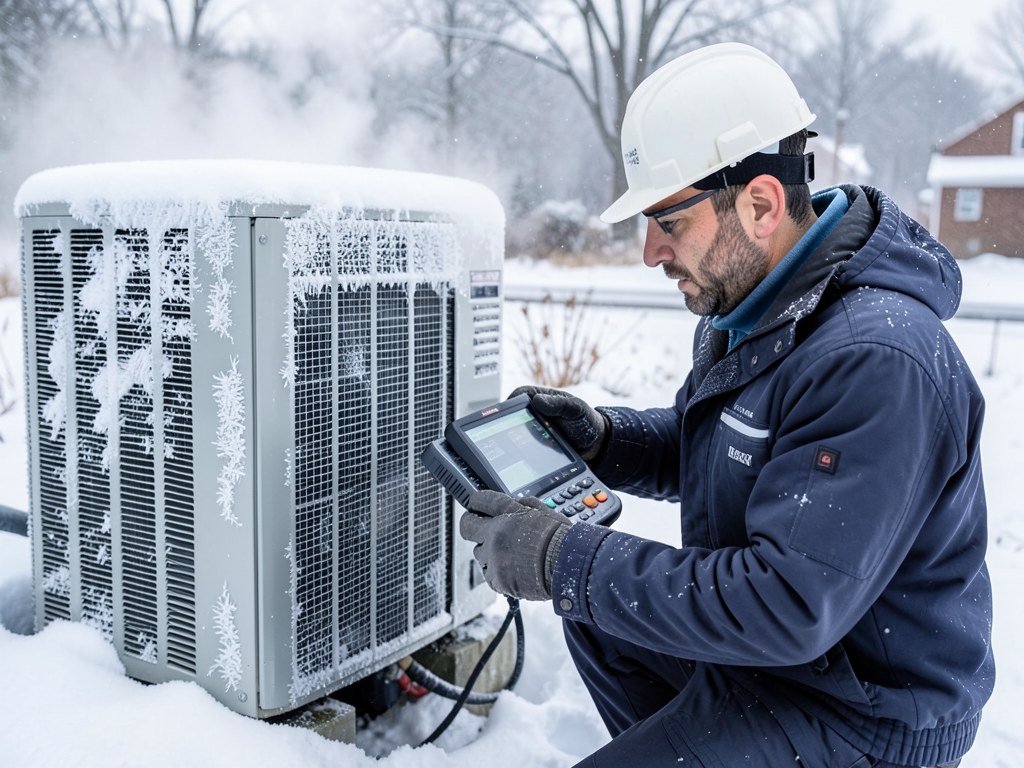
Preparing your Sharonville HVAC system for a sudden Ohio Valley flash freeze

Preparing your Sharonville HVAC system for a sudden Ohio Valley flash freeze Ohio Valley winters can turn brutal in hours…

Contact Us

If your CO detector activated or you suspect a gas leak, evacuate immediately and call (513) 717-5155 from outside your home. We dispatch technicians within 60 minutes, day or night. Your safety cannot wait.