Menu

Iced Up Evaporator Coil in Cincinnati – Fast Expert Diagnosis to Restore Your Cooling

When your air conditioner coil freezes up, you need accurate troubleshooting and the right fix, not guesswork. We identify the root cause of frozen cooling coils and restore proper airflow and refrigerant balance quickly.

Slider Image 1
Slider Image 2
Slider Image 3
Slider Image 4
Slider Image 5
Slider Image 7
Slider Image 8
Slider Image 9
Slider Image 10
Slider Image 11

Why Your AC Evaporator Coil Keeps Freezing in Cincinnati Homes

You walk past your air handler and see a block of ice coating the evaporator coil. Your home feels warm, the air feels stale, and you wonder how ice forms when it's 90 degrees outside. This is not normal, and it signals a breakdown in your system's heat exchange process.

Cincinnati's humid summers create the perfect storm for frozen ac evaporator coil problems. When indoor humidity combines with restricted airflow or low refrigerant levels, condensation on the coil freezes instead of draining away. The ice builds quickly, choking off airflow and forcing your compressor to work harder. You might notice water pooling near your furnace or air handler as the ice melts between cooling cycles.

Common triggers include clogged air filters, collapsed ductwork in older homes, or refrigerant leaks caused by corrosion in copper lines. Homes in neighborhoods like Hyde Park and Mount Adams, with aging HVAC infrastructure, see this more often. The Ohio River Valley's high moisture content accelerates the problem because your system struggles to dehumidify while the coil temperature drops below freezing.

An iced over evaporator coil does not fix itself. Running the system while ice is present damages the compressor and can flood your home. The longer frozen cooling coils remain untreated, the more expensive the repair becomes. You need a technician who understands refrigerant pressures, blower motor performance, and drainage flow to resolve the root cause, not just thaw the ice and leave.

Why Your AC Evaporator Coil Keeps Freezing in Cincinnati Homes
How We Diagnose and Fix Air Conditioner Coil Freezing Up

How We Diagnose and Fix Air Conditioner Coil Freezing Up

We do not just shut off your system and wait for the ice to melt. That wastes time and ignores the underlying mechanical or airflow failure. Our technicians arrive with manifold gauges, infrared thermometers, and static pressure testing tools to measure what is happening inside your system.

First, we verify subcooling and superheat readings to determine if refrigerant charge is correct. Low refrigerant from a leak causes suction line temperatures to drop too far, freezing moisture on the coil. We inspect the copper lines for pinhole leaks, damaged insulation, or incorrect installation from previous work. If refrigerant is low, we locate the leak, repair it, evacuate the lines, and recharge to manufacturer specifications.

Next, we measure airflow across the evaporator coil. A blower motor running at reduced speed, a clogged filter, or crushed flex duct in your crawlspace all reduce air velocity. Without enough warm air moving across the coil, surface temperature plummets and condensation freezes. We check fan speed settings, inspect ductwork for obstructions, and verify that return air pathways are clear.

We also examine the condensate drain system. A clogged drain pan or P-trap failure can cause water to back up and freeze on the coil. Cincinnati's hard water and organic debris from high humidity accelerate algae growth in drain lines. We clear blockages with nitrogen blasts or enzymatic treatments and verify proper pitch and drainage flow.

Once we correct the root cause, we monitor the system through multiple cycles to confirm stable suction pressure, proper airflow, and consistent coil temperature. You get a system that cools correctly without ice buildup.

What Happens When We Respond to Ice on Evaporator Coil

Iced Up Evaporator Coil in Cincinnati – Fast Expert Diagnosis to Restore Your Cooling
01

Immediate System Shutdown

We power down your system to stop compressor damage and prevent flooding. Running the unit while the coil is frozen forces the compressor to work against restricted airflow, which shortens its lifespan. We switch the thermostat to fan-only mode to accelerate thawing, then set up containment for meltwater. This controlled shutdown protects your equipment and your home from water damage while we prepare for diagnostic testing.
02

Root Cause Analysis

Once the coil thaws, we use refrigerant manifold gauges to measure suction and discharge pressures, then compare readings to manufacturer specs. We test blower motor amperage, measure supply and return plenum static pressure, and inspect the evaporator coil for dirt buildup or fin damage. We trace refrigerant lines for leaks using electronic detectors and check the condensate drain for blockages. This step identifies whether the freeze-up stems from mechanical failure, airflow restriction, or refrigerant loss.
03

Correction and Verification

We perform the necessary repair, whether that means replacing a clogged filter, sealing a refrigerant leak and recharging the system, or adjusting blower speed. After repairs, we restart the system and monitor coil temperature, airflow velocity, and condensate drainage through multiple cooling cycles. We verify that suction line temperature stays above freezing and that humidity levels drop properly. You get written documentation of what we found, what we fixed, and how to prevent recurrence.

Why Cincinnati Residents Trust Five Star HVAC Cincinnati for Frozen Coil Repairs

You need someone who understands how Cincinnati's climate and building stock affect HVAC performance. Many of our service calls involve homes built before 1980 with undersized ductwork, original copper lines showing corrosion, or air handlers installed in humid basements. These conditions create recurring freeze-up problems that generic troubleshooting misses.

We know the mechanical codes enforced by Hamilton County and the specific challenges of cooling older brick homes in neighborhoods like Clifton and Northside. We have worked on every major residential HVAC brand installed in the Cincinnati metro, from builder-grade units in West Chester subdivisions to high-efficiency systems in Indian Hill estates. This experience allows us to diagnose problems faster and recommend solutions that fit your home's actual airflow and load requirements.

Our technicians carry the tools needed to measure refrigerant charge accurately, not just add refrigerant and hope for the best. We use digital manifold gauges, not analog gauges that provide rough estimates. We verify proper airflow with manometers and anemometers, not guesswork. When we repair a refrigerant leak, we use nitrogen pressure testing to confirm the repair holds before recharging the system. This precision prevents return trips and wasted money on refrigerant that leaks out again.

We also respect your time. When you call about ice on your evaporator coil, we prioritize your appointment because we know you are running fans and opening windows to stay cool. We arrive with the parts most commonly needed for freeze-up repairs, so we can complete the work in one visit. You get clear explanations, upfront pricing, and repairs that last.

What You Can Expect When You Call About a Frozen AC Coil

Same-Day Service Availability

We schedule frozen coil repairs quickly because we know the discomfort and potential for water damage. Most service calls are completed within four to six hours from your initial call, depending on travel time and diagnostic complexity. If your system froze overnight, we can often arrive by mid-morning. For emergency situations where water is flooding your home, we dispatch immediately. You receive a call when the technician is en route with an accurate arrival window, so you can plan your day.

Thorough System Evaluation

The diagnostic process takes 45 to 90 minutes depending on system complexity and accessibility. We measure refrigerant pressures, test airflow at multiple points, inspect ductwork, and check electrical components. We photograph problem areas and show you what we find, whether that is a dirty coil, a kinked refrigerant line, or a failed blower motor capacitor. You get a written report detailing the cause of the freeze-up and the recommended repair. We explain cost factors before starting any work, so there are no surprises.

Permanent Repair, Not a Bandage

We fix the root cause, not just the symptom. If low refrigerant caused the freeze-up, we locate and repair the leak before recharging. If poor airflow is the problem, we correct duct restrictions or replace the blower motor. If the drain line is clogged, we clear it and treat it to prevent algae regrowth. After repairs, we run the system through multiple cooling cycles and verify stable performance. You get a system that cools properly without recurring ice buildup, not a temporary fix that fails again next month.

Maintenance Guidance to Prevent Recurrence

We provide specific recommendations to prevent future freeze-ups, tailored to your system and home. This might include filter replacement schedules, duct sealing in unconditioned spaces, or seasonal refrigerant checks for older units. For homes with chronic humidity issues, we discuss dehumidification options or drainage improvements. You receive a maintenance checklist and reminders for filter changes or seasonal tune-ups. Our goal is to keep your system running efficiently so you avoid emergency repairs and extend equipment lifespan.

Frequently Asked Questions

You Have Questions,
We Have Answers

What causes ice on an evaporator coil? +

Ice forms on your evaporator coil when airflow drops or refrigerant pressure changes. Restricted airflow from a clogged filter, blocked return vents, or dirty coil surface prevents warm air from reaching the coil. The coil drops below freezing and condensation turns to ice. Low refrigerant from a leak causes pressure to drop, which lowers coil temperature. In Cincinnati homes with high humidity, even minor airflow issues can trigger rapid ice buildup. A failing blower motor or undersized ductwork also restricts airflow. The coil freezes because it cannot absorb enough heat to stay above 32 degrees.

What is the best way to thaw out an iced up evaporator coil? +

Turn off your AC at the thermostat immediately. Switch the fan setting to ON to circulate air over the coil without adding cooling. This melts ice faster than leaving the system completely off. Open cabinet doors near the air handler to improve airflow. Place towels under the unit because melting ice creates significant water. Cincinnati humidity can extend thaw time to 4-6 hours. Never chip or scrape ice off the coil, you will damage the fragile aluminum fins. After the ice melts, check your air filter and look for airflow blockages before restarting the system.

Will low refrigerant cause an evaporator to ice up? +

Yes. Low refrigerant is a common cause of evaporator coil icing. When refrigerant levels drop from a leak, pressure inside the coil decreases. Lower pressure means lower temperature. The coil gets too cold and freezes condensation on contact. You might also notice reduced cooling, longer run times, or hissing sounds near refrigerant lines. Refrigerant does not deplete over time, so low levels always mean a leak exists. A technician must find the leak, repair it, and recharge the system to manufacturer specifications. Simply adding refrigerant without fixing the leak wastes money and repeats the problem.

What is the likely cause for heavy icing in the evaporator coil? +

Heavy icing usually points to severe airflow restriction or a significant refrigerant leak. A completely blocked air filter, closed supply registers in multiple rooms, or collapsed ductwork starves the coil of warm air. Heavy ice also forms when the outdoor temperature drops below 60 degrees and you run AC, a common issue during cool Cincinnati spring nights. A failing blower motor running at reduced speed cannot push enough air. Refrigerant leaks large enough to drop system charge by 30 percent or more create thick ice layers. Multiple small issues combining together can also cause heavy icing.

Can I turn my AC back on after it thaws? +

Wait at least 30 minutes after all ice melts before restarting. Check your air filter first and replace it if dirty. Inspect supply vents and return grilles for blockages. Listen for normal blower operation when you restart. If ice returns within a few hours, shut down immediately and call a technician. Running a system that repeatedly ices risks compressor damage from liquid refrigerant flooding back. The underlying cause, whether a refrigerant leak or airflow problem, still exists. Cincinnati humidity makes coil icing worse, so address the root issue before extended operation.

What are the six common causes of evaporator freezing? +

Six common causes are dirty air filters, blocked return or supply vents, low refrigerant from leaks, dirty evaporator coil surfaces, failing blower motors, and thermostat issues. Clogged filters are the number one culprit in Cincinnati homes. Closed vents in unused rooms reduce total system airflow. Refrigerant leaks drop coil temperature below freezing. Dust and debris on the coil itself act as insulation, preventing heat absorption. A weak blower cannot move enough air. A malfunctioning thermostat may run the system nonstop without cycling off, which eventually freezes the coil during extended operation.

Can a frozen evaporator coil be fixed? +

Yes. The ice itself is a symptom, not the problem. After thawing, a technician diagnoses the root cause. Airflow issues require filter replacement, duct cleaning, or blower motor repair. Refrigerant leaks need leak detection, repair, and recharge. Dirty coils get chemically cleaned to restore heat transfer. The evaporator coil itself rarely needs replacement unless physically damaged or corroded, which is uncommon in systems under 15 years old. Fixing the underlying issue prevents ice from returning. Ignoring the problem leads to compressor failure, which costs thousands to replace in Cincinnati climate conditions.

What is the 3 minute rule for AC? +

The 3-minute rule prevents compressor damage during rapid cycling. After your AC shuts off, refrigerant pressure must equalize between the high and low sides of the system. This takes about 3 minutes. Starting the compressor before equalization forces it to start against high pressure, which strains internal components and shortens lifespan. Most modern thermostats have built-in time delays. If you manually cycle power or reset a breaker, wait at least 3 minutes before restoring power. This simple rule extends compressor life and prevents premature failure in Cincinnati heat.

How to melt ice on an evaporator coil? +

Turn off the AC at the thermostat. Switch the fan to ON to blow air over the coil. This accelerates melting without adding cooling load. The process takes 2-6 hours depending on ice thickness and Cincinnati indoor humidity. Never use space heaters, hair dryers, or hot water, you risk damaging coil fins or causing electrical shorts. Place towels or a drip pan under the air handler to catch meltwater. Keep the area ventilated. Once melted, identify why ice formed before restarting. Repeated icing without fixing the cause damages your compressor.

What is the $5000 AC rule? +

The $5000 rule is a replacement guideline. Multiply the repair cost by your system age in years. If the result exceeds $5000, replacement makes more financial sense than repair. For example, a $500 repair on a 12-year-old system equals $6000, suggesting replacement. This rule accounts for declining efficiency and upcoming repairs on aging equipment. Cincinnati heat and humidity stress older systems harder. A 15-year-old AC with a major compressor failure likely needs replacement, not repair. Newer systems under 8 years old with minor issues should be repaired. Always get multiple opinions before major decisions.

How Cincinnati's Summer Humidity Makes Evaporator Coil Freezing Worse

Cincinnati sits in the Ohio River Valley, where summer dew points regularly reach 70 degrees or higher. This high moisture content creates two problems for air conditioning systems. First, your evaporator coil must remove more water vapor from the air, which increases condensation on the coil surface. Second, any airflow restriction or refrigerant imbalance causes that condensation to freeze faster because the coil temperature drops below 32 degrees while surface moisture is abundant. Homes near the river or in low-lying areas like Columbia-Tusculum see this more often because ambient humidity stays elevated even overnight. When frozen cooling coils develop in this climate, the ice layer grows thick quickly, cutting off airflow and forcing your system into a freeze-thaw cycle that damages components and floods basements.

Five Star HVAC Cincinnati has serviced residential HVAC systems across Hamilton County for years, from historic homes in Mount Auburn to newer construction in Mason. We understand how local building practices and climate conditions affect air conditioner performance. Many Cincinnati homes have HVAC equipment installed in damp basements or poorly ventilated attics, which accelerates refrigerant line corrosion and drain line blockages. We know which brands and models hold up best in this environment and which systems require more frequent maintenance. When you call about an iced over evaporator coil, you get a technician who has seen the problem before and knows how to fix it permanently, not someone guessing their way through a repair manual.
HVAC Services in The Cincinnati Area

Five Star HVAC proudly serves all homes and businesses in the greater Cincinnati area. Our skilled team is ready to respond to your service requests, whether you're in the city center or the surrounding suburbs. Use the map to explore our service area and see how close we are to you. We're committed to providing prompt and dependable service, no matter where you are within our coverage zone.

Address:
Five Star HVAC Cincinnati, 4024 Hamilton Ave, Cincinnati, OH, 45223

Additional Services We Offer

Our news updates

Latest Articles & News from The Blogs

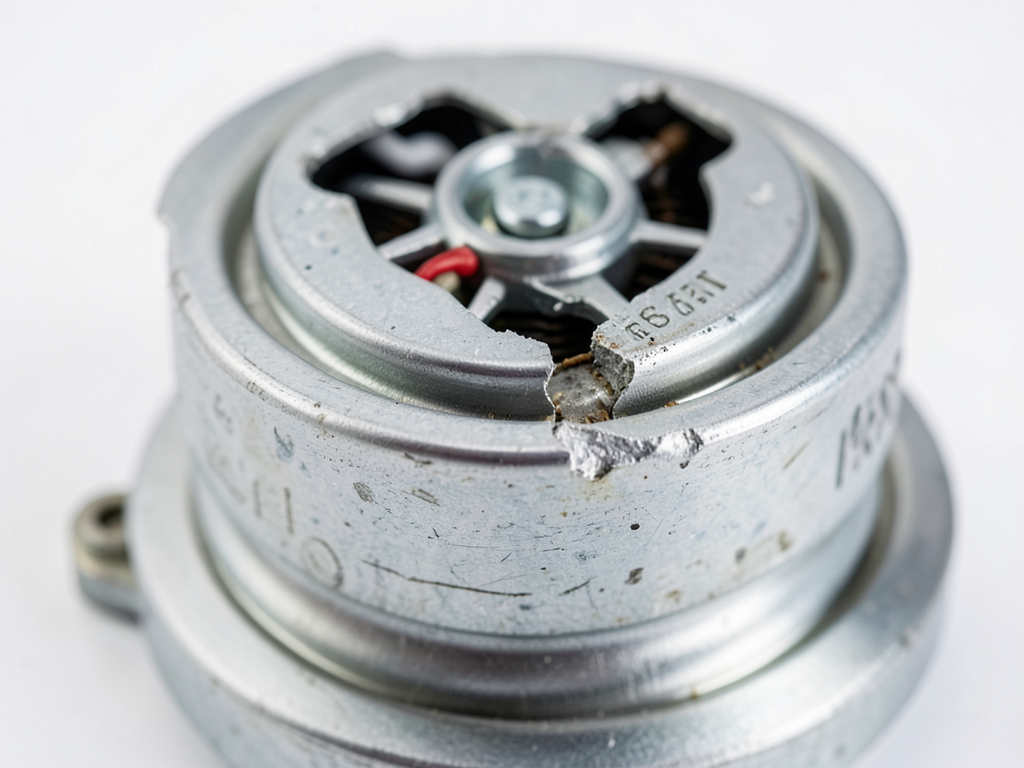
How to tell if a bad capacitor is the reason your Hyde Park AC won't start Your Hyde Park home…

How to tell if a bad capacitor is the reason your Hyde Park AC won't start

How to tell if a bad capacitor is the reason your Hyde Park AC won't start Your Hyde Park home…

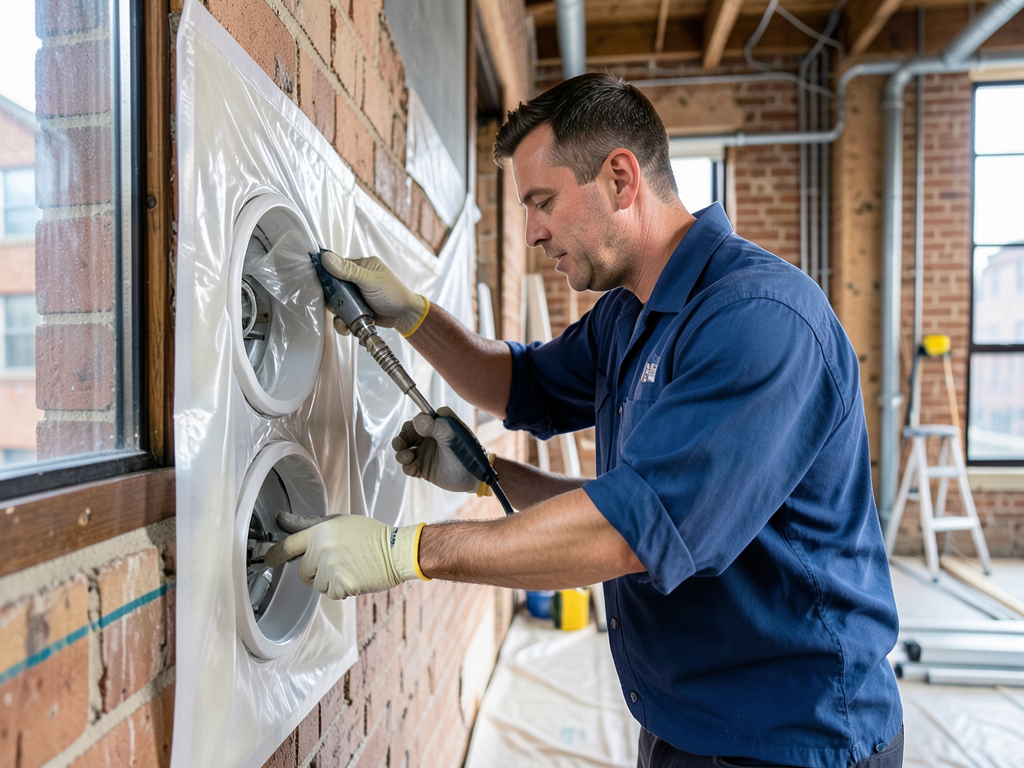
Protecting your Downtown loft from the dust of nearby construction projects

Protecting Your Downtown Loft from Construction Dust Construction dust is more than just a nuisance for Downtown Cincinnati loft owners.…

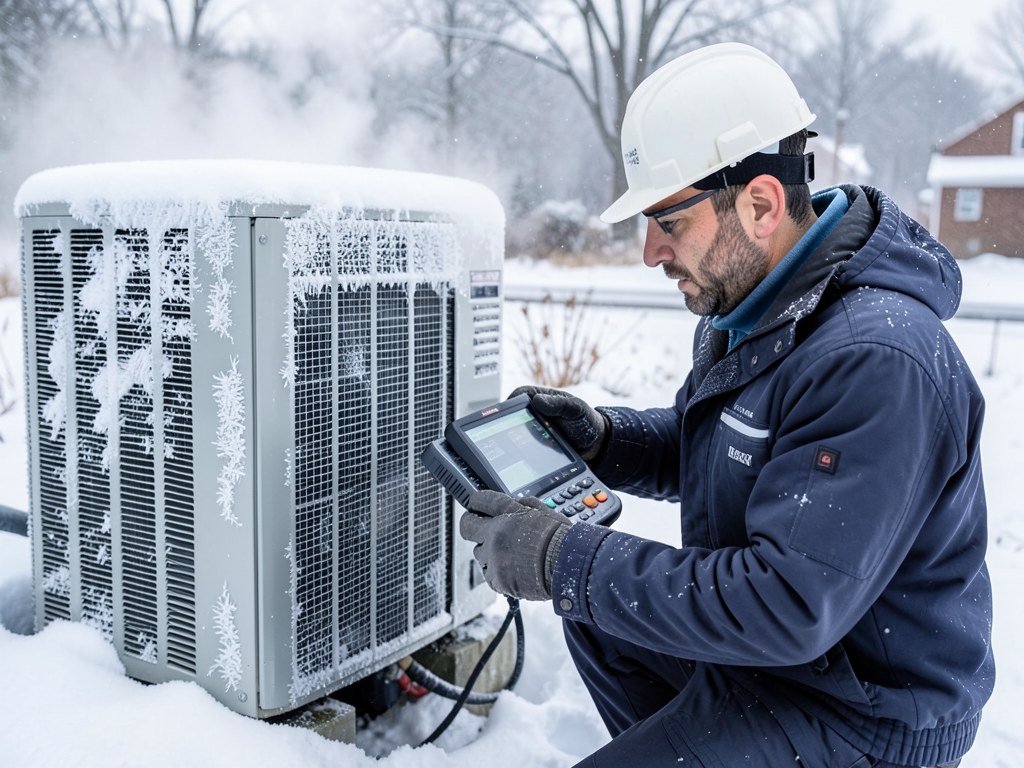
Preparing your Sharonville HVAC system for a sudden Ohio Valley flash freeze

Preparing your Sharonville HVAC system for a sudden Ohio Valley flash freeze Ohio Valley winters can turn brutal in hours…

Contact Us

Do not let a frozen coil damage your compressor or flood your home. Call Five Star HVAC Cincinnati at (513) 717-5155 right now for fast, expert diagnosis and repair. We will identify the root cause and fix it correctly the first time.