Menu

HVAC Warranty Guide in Cincinnati – Protect Your Investment and Avoid Costly Surprises

Get Clear Answers on HVAC System Warranty Coverage, Manufacturer Terms, and Equipment Policies to Maximize Your Protection and Avoid Out-of-Pocket Repair Costs

Slider Image 1
Slider Image 2
Slider Image 3
Slider Image 4
Slider Image 5
Slider Image 7
Slider Image 8
Slider Image 9
Slider Image 10
Slider Image 11

Why Cincinnati Homeowners Need to Understand HVAC Warranty Terms Before They Break Down

Most Cincinnati homeowners discover the limits of their HVAC warranty when it is too late. You assume your furnace or air conditioner is fully covered, then face a $1,200 compressor replacement out of pocket because a missed maintenance appointment voided the manufacturer terms.

Cincinnati's seasonal extremes put real stress on heating and cooling equipment. Furnaces run hard through January freezes. Air conditioners battle July humidity that pushes systems to 95-degree outdoor coil temperatures. This constant cycling wears components faster than mild climates, which makes understanding HVAC equipment warranty policies critical.

Most manufacturer warranties cover parts for five to ten years, but labor is almost never included. Many homeowners also miss the fine print requiring annual professional maintenance to keep coverage active. If you skip one year, the manufacturer can deny the claim entirely, even if the part failure is unrelated.

HVAC system warranty coverage also varies wildly between brands and equipment types. A builder-grade furnace might include a one-year parts warranty. A premium variable-speed heat pump could offer ten years on the compressor and two years on other components. Without knowing the specific heating and cooling warranty terms for your system, you cannot budget for repairs or replacement.

Cincinnati residents also face unique challenges with older homes in neighborhoods like Oakley or Mount Adams, where original HVAC installations may lack any remaining coverage. Understanding HVAC unit warranty information helps you decide whether to repair aging equipment or invest in a new system with full manufacturer protection.

The stakes are high. A single compressor failure on an out-of-warranty air conditioner can cost more than half the price of a new unit. Knowing your coverage prevents panic decisions and expensive mistakes.

Why Cincinnati Homeowners Need to Understand HVAC Warranty Terms Before They Break Down
How to Decode HVAC Manufacturer Warranty Details and Maximize Your Coverage

How to Decode HVAC Manufacturer Warranty Details and Maximize Your Coverage

HVAC manufacturer warranty details are written to protect the manufacturer first, not you. The language is dense, the conditions are buried, and the exclusions are designed to limit liability. You need to know what you actually have before you need it.

Start by locating your equipment model and serial numbers. These are stamped on metal plates attached to the outdoor condenser and indoor air handler or furnace. The serial number contains the manufacturing date, which determines how much warranty time remains. Most manufacturers encode the date in the first four digits. For example, a serial starting with 2018 means the unit was built in the 20th week of 2018.

Next, contact the manufacturer directly or visit their website to pull the official warranty terms for that specific model. Do not rely on what the installer told you five years ago. Policies change, and memory fades. Get the current terms in writing.

Pay close attention to parts versus labor coverage. Almost all HVAC equipment warranty policies cover parts for five to ten years, but labor is capped at one or two years. After that window closes, you pay the technician's hourly rate plus trip fees, even if the part itself is free.

Registration matters. Many manufacturers require you to register the equipment within 60 to 90 days of installation to activate the full warranty. If you skip this step, coverage may default to a shorter period, often five years instead of ten.

Maintenance records are your proof of compliance. Most heating and cooling warranty terms require annual inspections by a licensed HVAC technician. Keep every invoice. If you file a claim, the manufacturer will ask for documentation showing you maintained the system properly. Missing records can void the entire claim, even for a legitimate failure.

Exclusions are where manufacturers protect themselves. Damage from improper installation, neglect, power surges, or refrigerant contamination typically voids coverage. So does using aftermarket parts or unqualified service providers.

How We Help You Navigate HVAC Warranty Claims in Cincinnati

HVAC Warranty Guide in Cincinnati – Protect Your Investment and Avoid Costly Surprises
01

Warranty Status Review

We start by identifying your equipment's exact make, model, and serial number, then verify remaining coverage with the manufacturer. We check parts coverage, labor terms, and any registration gaps that could affect your claim. This prevents surprises before we begin any repair work and gives you clear options on out-of-pocket costs versus covered components.
02

Claim Documentation and Filing

If your equipment qualifies for warranty coverage, we handle all documentation and communication with the manufacturer. We provide diagnostic reports, photos, and maintenance history to support the claim. We also coordinate part shipment and ensure all manufacturer requirements are met so your claim processes quickly. This eliminates the back-and-forth hassle and reduces your downtime.
03

Repair Completion and Follow-Up

Once the warranty part arrives, we complete the repair using manufacturer-approved procedures to protect your remaining coverage. We document the service in your maintenance record and provide a detailed invoice showing which components were warranty-covered and which required payment. We also explain how to maintain coverage moving forward so you avoid future claim denials.

Why Cincinnati Homeowners Trust Us to Protect Their HVAC Investment

HVAC warranty claims require technical knowledge and manufacturer relationships that most homeowners do not have. We have processed hundreds of warranty claims for Cincinnati residents and understand how each major brand handles coverage disputes.

Cincinnati's housing stock includes everything from 1920s bungalows in Northside to new construction in West Chester. Each home presents different challenges for HVAC system warranty coverage. Older homes may have mismatched equipment or undocumented installations that complicate claims. Newer homes may have builder-grade systems with minimal coverage. We evaluate your specific situation and provide honest guidance on whether a warranty claim is worth pursuing or if replacement makes more financial sense.

We also know the local HVAC market. Cincinnati's seasonal temperature swings mean equipment failures spike in January and July, exactly when manufacturers slow claim processing due to volume. We push claims through faster by providing complete documentation upfront and following up directly with warranty departments.

Our technicians are trained on manufacturer warranty requirements for all major brands, including Carrier, Trane, Lennox, Rheem, and Goodman. We know which brands require pre-approval before replacing parts, which ones ship direct to homeowners, and which ones reimburse labor after the fact. This knowledge prevents claim denials caused by procedural mistakes.

We also protect you from warranty traps. Some manufacturers void coverage if you use refrigerant blends instead of pure R-410A. Others deny claims if capacitors or contactors are replaced with non-OEM parts. We use only manufacturer-approved parts and procedures to ensure your warranty remains intact for future claims.

Cincinnati building codes also affect warranty coverage. If your system was installed without proper permits or inspections, manufacturers can deny claims on the grounds of improper installation. We verify code compliance and document all work to prevent this issue.

What to Expect When You Need HVAC Warranty Help in Cincinnati

Warranty Verification Timeline

We can verify your warranty status within 24 hours of your service call. We contact the manufacturer directly using your equipment serial number and confirm remaining parts coverage, labor terms, and any maintenance requirements. If your system qualifies for coverage, we explain exactly what the manufacturer will pay and what you will owe. If the warranty has expired or been voided, we provide transparent pricing for out-of-pocket repairs so you can make an informed decision quickly.

Diagnostic and Claim Preparation

We perform a thorough diagnostic to identify the failed component and determine the root cause. Many manufacturers require detailed failure reports before approving warranty claims. We document refrigerant pressures, electrical readings, and component conditions using calibrated instruments. We also photograph the failed part and any contributing factors like dirty coils or blocked airflow. This evidence supports your claim and speeds manufacturer approval. We submit all documentation on your behalf and track the claim status until the manufacturer issues a decision.

Repair Outcome and System Performance

Once the warranty part arrives, we install it according to manufacturer specifications and test the entire system for proper operation. We verify airflow, refrigerant charge, and electrical performance to ensure the repair solves the problem completely. You receive a detailed service report showing the warranty part installed, any additional repairs needed, and confirmation that your system is operating within manufacturer tolerances. We also update your maintenance records to document warranty compliance for future reference.

Ongoing Warranty Protection

Most HVAC equipment warranty policies require annual maintenance to remain active. We provide scheduled tune-ups that meet manufacturer requirements and document compliance in your service history. Each visit includes a written report with photos and test results that prove proper upkeep. If you ever need to file another warranty claim, you have the proof required to avoid denial. We also remind you when maintenance is due so you never miss a deadline that could void coverage on expensive components like compressors or heat exchangers.

Frequently Asked Questions

You Have Questions,
We Have Answers

What is a typical warranty on an HVAC system? +

Most HVAC systems include a parts warranty from the manufacturer covering 5 to 10 years. Compressors often get longer coverage, sometimes up to 10 years. Labor warranties vary by contractor and typically range from 1 to 2 years. Extended warranties may be available for purchase. Cincinnati homeowners should verify both parts and labor coverage at installation. Registration with the manufacturer within 60 to 90 days is usually required to activate full warranty protection. Always read the fine print to understand what components are covered and what exclusions apply.

What is the $5000 rule for HVAC? +

The $5,000 rule refers to a guideline used by HVAC contractors to decide between repair and replacement. If your system is older and repair costs exceed $5,000, or if the repair cost multiplied by the system age exceeds $5,000, replacement is often the smarter investment. For Cincinnati homeowners facing humidity-related compressor failures or aging furnaces, this rule helps you avoid throwing money at a dying system. Consider efficiency gains and long-term savings when making the decision. A professional assessment can clarify your best path forward.

What is the average lifespan of an HVAC? +

The average HVAC system lasts 15 to 20 years with proper maintenance. Cincinnati's humid summers and cold winters put extra stress on both heating and cooling components, potentially shortening lifespan if maintenance is neglected. Furnaces typically outlast air conditioners by a few years. Systems installed in the early 2000s are likely nearing replacement age. Regular filter changes, annual tune-ups, and prompt repairs extend service life. If your system is over 15 years old and requiring frequent repairs, start planning for replacement to avoid emergency breakdowns.

What voids a HVAC warranty? +

Skipping annual maintenance is the fastest way to void your HVAC warranty. Manufacturers require proof of professional service to honor claims. Using incorrect refrigerant, improper installation, or unauthorized repairs also void coverage. Cincinnati homeowners must register their system within the specified timeframe, usually 60 to 90 days. Neglecting filter changes causes avoidable damage that manufacturers will not cover. DIY repairs or hiring unlicensed contractors can disqualify your warranty. Always keep service records and follow manufacturer guidelines to protect your investment and ensure valid warranty claims.

How many years should an AC compressor last? +

A quality AC compressor should last 12 to 15 years under normal conditions. Cincinnati's high humidity and frequent cycling during summer months can shorten compressor life if the system is undersized or poorly maintained. Compressors often carry extended warranties of 10 years from manufacturers. Electrical issues, refrigerant leaks, or dirty coils accelerate compressor failure. Regular maintenance protects this critical component. If your compressor fails prematurely, check warranty coverage before paying for replacement. A failing compressor on an older system often signals it is time to replace the entire unit.

How can I tell if my HVAC is still under warranty? +

Check your original installation paperwork for warranty details and registration confirmation. Most manufacturers provide online warranty lookup tools using your model and serial numbers, found on the outdoor condenser or indoor air handler. Contact the installing contractor for records if you cannot locate documentation. Cincinnati homeowners who purchased homes with existing systems should request warranty information during closing. Manufacturers typically require registration within 60 to 90 days of installation. If you are unsure, call the manufacturer directly with your system information. Keep all service records to prove proper maintenance.

Is a new HVAC system tax deductible in 2025? +

New HVAC systems may qualify for federal tax credits in 2025 under energy efficiency programs. Systems meeting specific SEER2 and HSPF2 ratings can earn credits up to $2,000 for heat pumps or $600 for high-efficiency air conditioners. Cincinnati homeowners should verify current IRS guidelines and ensure their contractor provides manufacturer certification forms. These are tax credits, not deductions, reducing your tax liability dollar-for-dollar. Installation costs are not typically deductible for primary residences. Consult a tax professional to confirm eligibility and maximize available incentives for energy-efficient upgrades.

What is the 3 minute rule for AC? +

The 3-minute rule requires waiting at least 3 minutes after shutting off your AC before restarting it. This delay allows refrigerant pressure to equalize throughout the system, protecting the compressor from damage. Cincinnati homeowners experiencing power outages during summer storms should follow this rule when electricity returns. Short cycling or rapid on-off cycles strain the compressor and shorten system life. Modern thermostats often include built-in delay features. If your system frequently short cycles, it may indicate sizing issues, thermostat problems, or refrigerant leaks requiring professional diagnosis.

What is the best month to buy an HVAC system? +

October and November are ideal months to buy HVAC systems in Cincinnati. Contractors face slower demand after cooling season ends and before heating season peaks. You can negotiate better pricing and schedule installation without emergency pressure. Early spring, around March and April, offers similar advantages before the summer rush. Avoid buying during extreme weather when demand spikes and prices rise. Planning ahead allows time to research rebates, compare bids, and choose quality equipment. Off-season purchases also mean faster installation and more attention from your contractor.

How much does it cost to replace an entire HVAC system? +

Complete HVAC system replacement varies widely based on system size, efficiency rating, and installation complexity. Cincinnati homeowners typically face costs influenced by home size, ductwork condition, and local building codes. Higher SEER2 ratings cost more upfront but reduce long-term energy bills in our humid climate. Multi-zone systems or homes requiring ductwork modifications increase total investment. Financing options and manufacturer rebates can offset expenses. Get multiple quotes from licensed contractors who provide detailed breakdowns. Avoid choosing based solely on price. Quality installation matters more than equipment brand for long-term performance and warranty protection.

How Cincinnati's Humidity and Temperature Swings Affect HVAC Warranty Claims

Cincinnati's climate puts unique stress on HVAC equipment that accelerates warranty claims. Summer humidity regularly exceeds 70 percent, forcing air conditioners to run longer cycles to remove moisture. This extended runtime wears compressors, fan motors, and capacitors faster than dry climates. Winter temperatures drop below 20 degrees, pushing furnaces and heat pumps to their capacity limits. The constant cycling between heating and cooling seasons creates thermal stress on components, which leads to failures during the warranty period. Understanding how local conditions affect your specific equipment helps you anticipate potential claims and maintain proper documentation.

Cincinnati homeowners also benefit from working with local HVAC professionals who understand regional manufacturer relationships. National service chains often struggle with warranty claims because they lack direct contacts at regional warranty departments. Local providers like Five Star HVAC Cincinnati have established relationships with manufacturer representatives who serve the Ohio Valley. These relationships speed claim approvals and help resolve disputes when manufacturers initially deny coverage. We also understand local building codes and inspection requirements that can affect warranty validity, particularly in older neighborhoods where HVAC installations may not meet current standards but were compliant when installed.
HVAC Services in The Cincinnati Area

Five Star HVAC proudly serves all homes and businesses in the greater Cincinnati area. Our skilled team is ready to respond to your service requests, whether you're in the city center or the surrounding suburbs. Use the map to explore our service area and see how close we are to you. We're committed to providing prompt and dependable service, no matter where you are within our coverage zone.

Address:
Five Star HVAC Cincinnati, 4024 Hamilton Ave, Cincinnati, OH, 45223

Additional Services We Offer

Our news updates

Latest Articles & News from The Blogs

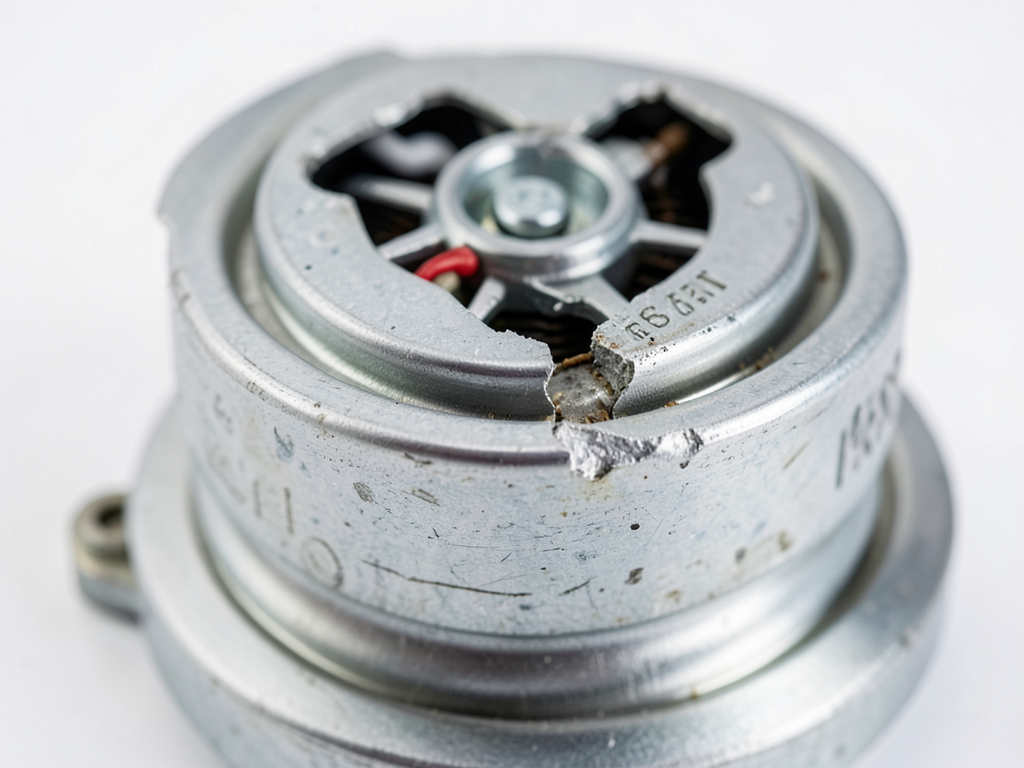
How to tell if a bad capacitor is the reason your Hyde Park AC won't start Your Hyde Park home…

How to tell if a bad capacitor is the reason your Hyde Park AC won't start

How to tell if a bad capacitor is the reason your Hyde Park AC won't start Your Hyde Park home…

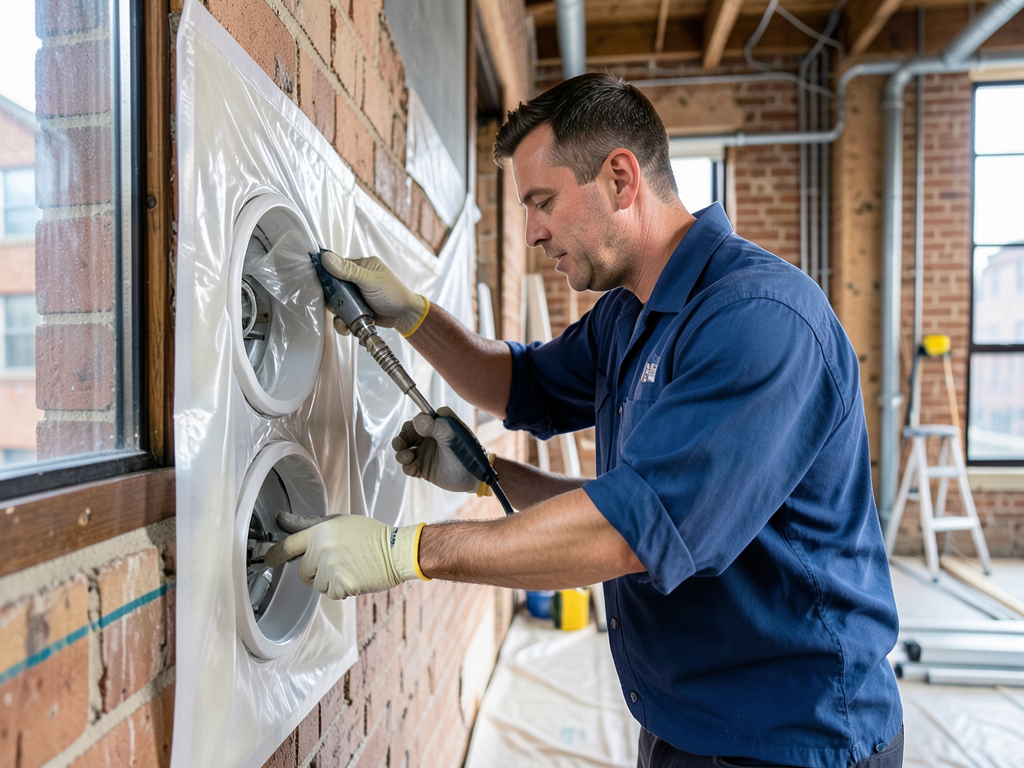
Protecting your Downtown loft from the dust of nearby construction projects

Protecting Your Downtown Loft from Construction Dust Construction dust is more than just a nuisance for Downtown Cincinnati loft owners.…

Preparing your Sharonville HVAC system for a sudden Ohio Valley flash freeze

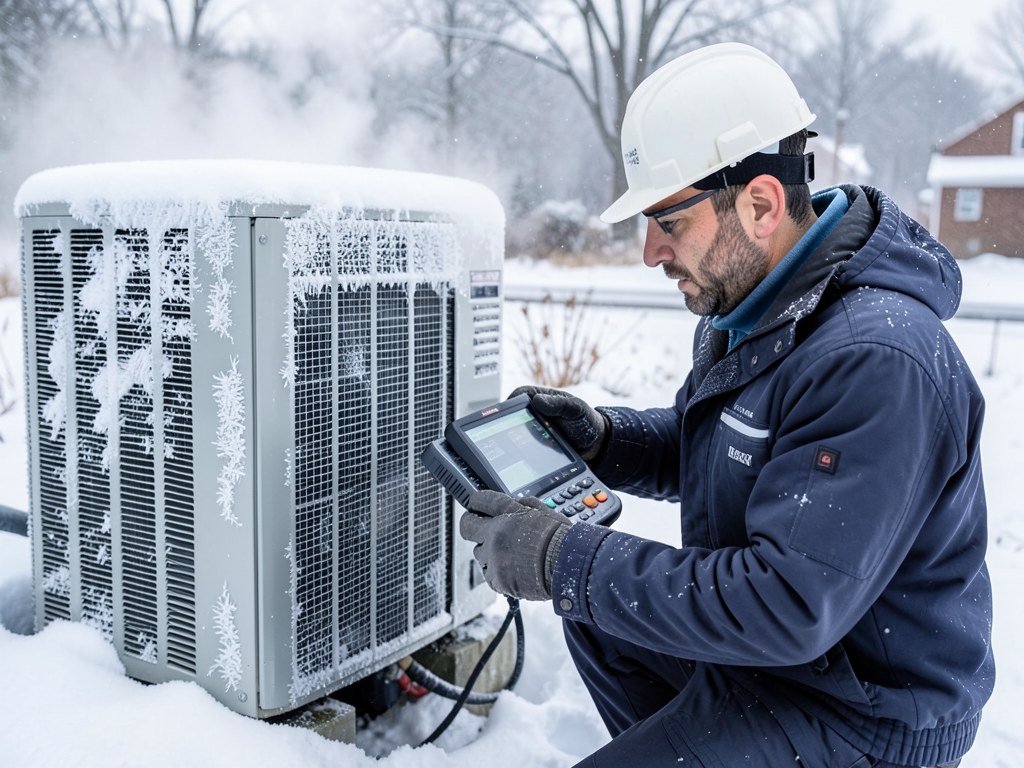
Preparing your Sharonville HVAC system for a sudden Ohio Valley flash freeze Ohio Valley winters can turn brutal in hours…

Contact Us

Do not let confusing warranty terms cost you thousands in unnecessary repairs. Call (513) 717-5155 now to verify your HVAC coverage and get honest answers about your options. We review your warranty status, handle manufacturer claims, and protect your investment.