Menu

Signs of Carbon Monoxide in Cincinnati – Recognize the Warning Signs Before It's Too Late

Learn to identify carbon monoxide symptoms, understand carbon monoxide poisoning symptoms, and know when to call for emergency HVAC inspection to protect your family from this silent threat in Cincinnati homes.

Slider Image 1
Slider Image 2
Slider Image 3
Slider Image 4
Slider Image 5
Slider Image 7
Slider Image 8
Slider Image 9
Slider Image 10
Slider Image 11

The Silent Threat in Cincinnati Homes

Carbon monoxide has no smell, no taste, and no color. You cannot detect it with your senses alone. This invisible gas claims lives every year across Ohio, and Cincinnati homes face specific risks due to our reliance on natural gas heating systems during harsh winter months.

The signs of a carbon monoxide leak often mimic the flu, which leads many residents to ignore early carbon monoxide warning signs. You might feel tired, dizzy, or nauseous. Your family members might complain of headaches. These carbon monoxide symptoms typically worsen when you spend more time indoors, especially during Cincinnati's cold snaps when furnaces run continuously.

Carbon monoxide poisoning symptoms escalate quickly. Mild exposure causes confusion and shortness of breath. Severe exposure leads to loss of consciousness, brain damage, or death. The elderly, children, and pets show indicators of carbon monoxide faster than healthy adults.

Cincinnati's older housing stock presents additional hazards. Many homes in neighborhoods like Over-the-Rhine, Mount Adams, and Clifton contain aging furnaces, cracked heat exchangers, and outdated venting systems. When natural gas appliances burn fuel inefficiently, they produce excess carbon monoxide that seeps into living spaces.

Your furnace, water heater, gas stove, and fireplace all produce carbon monoxide during normal operation. Proper venting removes these gases safely. When venting fails or combustion becomes incomplete, deadly concentrations build up inside your home. Ohio experiences an average of 50 carbon monoxide related deaths annually, with Hamilton County reporting multiple incidents each heating season.

The signs of carbon monoxide poisoning demand immediate action. If you suspect exposure, evacuate your home and call 911. Then call Five Star HVAC Cincinnati to inspect every fuel-burning appliance before you return.

The Silent Threat in Cincinnati Homes
How We Identify Carbon Monoxide Sources

How We Identify Carbon Monoxide Sources

Detecting carbon monoxide requires specialized equipment and systematic investigation. Our technicians arrive with digital carbon monoxide analyzers calibrated to detect concentrations as low as one part per million. We measure ambient levels throughout your home, then test each appliance individually to pinpoint the source.

We start with your furnace because it represents the most common carbon monoxide source in Cincinnati homes. We inspect the heat exchanger for cracks, rust, or corrosion that allow combustion gases to escape into circulating air. A cracked heat exchanger turns your heating system into a carbon monoxide distributor, pushing poisoned air through every vent in your house.

Next, we examine the flue pipe and venting system. The flue must create adequate draft to pull combustion gases outside. Blocked flues, disconnected pipes, or improper venting cause backdrafting, where deadly gases reverse direction and enter living spaces. We check for rust, gaps, and proper pitch throughout the entire venting run.

We test combustion efficiency using a combustion analyzer inserted into the flue. This device measures oxygen levels, carbon monoxide concentration, and flue gas temperature. High carbon monoxide readings indicate incomplete combustion caused by insufficient air supply, gas pressure problems, or burner issues.

Your water heater receives the same thorough inspection. We verify proper draft hood operation, check for flame rollout, and confirm adequate combustion air supply. Garages and utility closets often lack sufficient ventilation, starving appliances of oxygen needed for clean combustion.

We document every finding with specific carbon monoxide measurements and photographs. You receive a written report identifying each hazard, explaining the risk level, and recommending corrective action. We prioritize repairs based on immediate danger, giving you clear guidance on what must happen now versus what can wait.

What Happens During a Carbon Monoxide Safety Inspection

Signs of Carbon Monoxide in Cincinnati – Recognize the Warning Signs Before It's Too Late
01

Whole Home Testing

We measure carbon monoxide levels in every room using professional-grade detectors. Basements, bedrooms, and living areas all receive individual testing. We map concentration patterns to identify which appliances leak gases and how carbon monoxide migrates through your home. This baseline data reveals whether you face immediate danger or developing problems that need correction.
02

Appliance Evaluation

Each fuel-burning device undergoes individual testing. We place our analyzer probe directly in the flue while the appliance operates, measuring real-time carbon monoxide production. Gas furnaces, boilers, water heaters, fireplaces, and stoves all receive scrutiny. We check flame color, listen for irregular combustion sounds, and inspect burners for proper operation. Cracked heat exchangers, damaged flue pipes, and inadequate ventilation all show up during this phase.
03

Safety Report and Recommendations

You receive documentation showing exact carbon monoxide measurements for each location and appliance. We explain which findings require immediate repair and which represent future maintenance needs. If we discover dangerous concentrations, we help you decide whether to shut down specific equipment until repairs happen. We provide written estimates for all corrective work and can often complete emergency repairs the same day.

Why Cincinnati Residents Trust Our Carbon Monoxide Expertise

Carbon monoxide detection requires more than a hardware store detector. Those residential alarms serve as last-resort warnings, but they only sound when concentrations reach dangerous levels. By the time your detector beeps, you have already suffered exposure. Professional testing identifies problems before alarms trigger, catching small leaks that cause chronic symptoms without reaching alarm thresholds.

Cincinnati's building codes require carbon monoxide detectors in homes with fuel-burning appliances, but codes do not require professional testing. Most homeowners never have their systems checked until someone gets sick or an alarm sounds. This reactive approach puts families at risk every heating season.

Five Star HVAC Cincinnati technicians complete specialized training in combustion analysis and carbon monoxide detection. We understand how Cincinnati's climate affects HVAC performance. Cold winters force furnaces to run longer cycles, increasing the chance that small problems escalate into dangerous situations. High humidity during spring and fall promotes rust and corrosion in heat exchangers and flue pipes.

We know which furnace brands installed throughout greater Cincinnati have higher failure rates. We recognize the warning signs specific to different equipment types. A Carrier furnace develops different carbon monoxide issues than a Trane or Lennox system. Our experience with thousands of local installations means we spot problems faster than technicians without regional expertise.

Many older Cincinnati neighborhoods contain homes built before modern venting codes existed. Properties in Northside, Westwood, and Price Hill often have furnaces venting into chimneys originally designed for coal burning. These chimneys lack proper liners, allowing combustion gases to leak through deteriorating mortar into living spaces. We recognize these legacy installation problems and recommend appropriate solutions.

When we find carbon monoxide sources, we fix them right. We stock common repair parts on our trucks, which means most problems get resolved during the initial visit. We do not schedule return appointments when your family's safety hangs in the balance.

What You Get with Professional Carbon Monoxide Testing

Same Day Response

Carbon monoxide concerns demand immediate attention. We schedule emergency inspections the same day you call. Our technicians carry testing equipment on every truck, so we are ready to evaluate your home without delay. Most inspections take 60 to 90 minutes depending on how many appliances need testing. If you have already evacuated due to detector alarms or symptoms, we prioritize your call and dispatch someone within hours. We also offer preventive testing appointments for homeowners who want peace of mind before problems develop.

Comprehensive System Analysis

We test every potential carbon monoxide source in your home. Furnaces receive complete combustion analysis including heat exchanger inspection using camera equipment when necessary. Water heaters get checked for proper draft and ventilation. Gas ranges and ovens undergo burner inspection. Fireplaces and their chimneys receive evaluation for proper venting and draft. We measure carbon monoxide in every room to map concentration patterns. You learn not just whether you have a problem, but exactly where it originates and how severe the issue has become.

Documented Findings

You receive a written report showing all carbon monoxide measurements and inspection findings. We photograph problem areas so you can see exactly what we discovered. The report explains which issues pose immediate danger and which represent developing problems that need monitoring. If you need documentation for insurance claims or landlord disputes, our reports provide the evidence you require. We keep copies of all inspection records, so you have historical data showing how your system performs over time.

Repair Solutions

When we find carbon monoxide sources, we explain your repair options clearly. Cracked heat exchangers typically require furnace replacement because heat exchanger replacement often costs more than new equipment. Venting problems might need new flue pipes, chimney liners, or combustion air modifications. We provide written estimates for all recommended work. Many repairs happen immediately if you approve the work and we have parts available. For major replacements, we help you understand your options and timeline. We also recommend annual testing to verify repairs remain effective and catch new problems early.

Frequently Asked Questions

You Have Questions,
We Have Answers

What are signs of carbon monoxide in the house? +

Physical symptoms hit everyone in the home at once. You notice headaches, dizziness, nausea, or confusion that improves when you leave the house. Flu-like symptoms without fever are a red flag. Your furnace or water heater may show a yellow or orange flame instead of blue. Soot buildup around appliances signals incomplete combustion. In Cincinnati homes, older heating systems and humid basements increase risk. Your carbon monoxide detector alarming is the clearest sign. If you suspect exposure, evacuate immediately and call 911. Get your HVAC system and fuel-burning appliances inspected annually to prevent leaks.

How soon will you know if you have carbon monoxide poisoning? +

Symptoms appear within two hours at moderate exposure levels. Low-level poisoning can take days to recognize because symptoms mimic flu or fatigue. High concentrations cause collapse and loss of consciousness within minutes. The elderly, children, and pets show symptoms faster than healthy adults. Cincinnati residents using gas furnaces or water heaters face higher risk during winter months when homes stay sealed. Your body cannot detect carbon monoxide. You will not smell or taste it. Early symptoms include headache, dizziness, and weakness. If multiple people feel sick suddenly, evacuate and seek medical attention. Blood tests confirm carbon monoxide poisoning.

How can I check if I have carbon monoxide? +

Install battery-powered or plug-in carbon monoxide detectors on every floor, especially near bedrooms. Place detectors 15 feet from fuel-burning appliances to avoid false alarms. Test detectors monthly and replace batteries twice yearly. Professional HVAC inspections catch leaks before detectors alarm. Technicians use combustion analyzers to measure carbon monoxide levels in flue gases. Cincinnati homeowners should inspect furnace heat exchangers and vent pipes annually. Cracked heat exchangers are common in older furnaces. You cannot check carbon monoxide levels without equipment. Your senses cannot detect this gas. Never ignore detector alarms. Evacuate and call emergency services immediately.

What gas is known as the silent killer? +

Carbon monoxide earns the name silent killer. You cannot see, smell, or taste this gas. It displaces oxygen in your bloodstream, causing organ damage and death. Over 400 Americans die annually from unintentional carbon monoxide poisoning. Cincinnati homes with gas furnaces, fireplaces, or attached garages face elevated risk. Incomplete combustion from any fuel-burning appliance produces carbon monoxide. Blocked vents, cracked heat exchangers, and poor ventilation create dangerous conditions. Symptoms mimic common illnesses, delaying recognition. Install detectors and schedule annual HVAC inspections. This gas kills quickly at high concentrations and slowly poisons you at lower levels.

Can a small gas leak make you feel sick? +

Yes, even minor gas leaks cause health problems. Natural gas itself is non-toxic, but leaks displace oxygen and often release small amounts of carbon monoxide from incomplete combustion. You experience headaches, nausea, fatigue, and respiratory irritation. Prolonged exposure causes dizziness and confusion. Cincinnati homes with aging gas lines or poorly maintained appliances are vulnerable. Natural gas has added mercaptan for that rotten egg smell. If you smell gas, evacuate immediately and call your utility company from outside. Do not use electronics or create sparks. Get annual inspections of your furnace, water heater, and gas lines to prevent leaks.

Can a phone app detect carbon monoxide? +

No reliable smartphone app detects carbon monoxide. Your phone lacks the electrochemical sensors required to measure this gas. Apps claiming detection abilities are dangerous scams. Some smart home systems connect to physical carbon monoxide detectors and send alerts to your phone, but the phone itself detects nothing. Cincinnati residents must install UL-listed carbon monoxide detectors with electrochemical sensors. These devices cost between 20 and 60 dollars and save lives. Battery-powered models work during power outages. Combination smoke and carbon monoxide detectors offer convenience. Never rely on your phone for gas detection. Install proper detectors on every floor of your home.

Do you just fall asleep with carbon monoxide poisoning? +

Carbon monoxide poisoning does not feel like falling asleep peacefully. You experience severe headache, confusion, and nausea before losing consciousness. High concentrations cause rapid collapse without warning. Victims often describe feeling drunk or disoriented before passing out. Cincinnati residents find victims collapsed near furnaces or in garages with running vehicles. The myth of peaceful sleep is dangerous. Moderate exposure causes violent illness. Low-level poisoning over days mimics flu symptoms. Your brain suffers oxygen deprivation, leading to seizures and coma at high doses. Install detectors to wake you if levels rise at night. Never ignore symptoms that improve when you leave home.

Does opening windows help with carbon monoxide? +

Opening windows provides immediate temporary relief by diluting carbon monoxide concentrations. Fresh air circulation reduces indoor gas levels quickly. However, opening windows does not eliminate the source. Your furnace, water heater, or appliance continues producing carbon monoxide. In Cincinnati winters, you cannot keep windows open long-term. Evacuate the home and call 911 if you suspect carbon monoxide poisoning. Do not re-enter until emergency responders clear the home and a qualified HVAC technician identifies and repairs the source. Opening windows buys time during evacuation but is not a solution. Fix the leak and ensure proper ventilation in your heating system.

How to test for carbon monoxide without a detector? +

You cannot safely test for carbon monoxide without a detector. This gas is invisible and odorless. Professional HVAC technicians use combustion analyzers and electronic meters to measure concentrations. These tools cost hundreds of dollars and require training. Some older methods involved chemical detector cards, but these are unreliable and unavailable to consumers. Cincinnati homeowners should never attempt DIY carbon monoxide testing. Install UL-listed detectors instead. They cost less than one emergency room visit and provide continuous monitoring. If you lack a detector and suspect a leak, evacuate immediately. Do not investigate. Call emergency services and your gas utility from outside the home.

What does carbon dioxide poisoning feel like? +

Carbon dioxide poisoning differs from carbon monoxide poisoning and is rare in homes. High carbon dioxide levels cause rapid breathing, confusion, dizziness, and sweating. You feel short of breath and panicked, like suffocating. Headaches intensify quickly. Carbon dioxide buildup occurs in confined spaces with poor ventilation, not from furnaces or appliances. Cincinnati residents rarely encounter dangerous carbon dioxide levels at home. Basements and crawl spaces with inadequate airflow pose minor risk. Carbon monoxide remains the real threat from heating systems. It causes flu-like symptoms without the respiratory panic. Install carbon monoxide detectors, not carbon dioxide monitors, to protect your family from furnace and appliance leaks.

How Cincinnati's Heating Demands Increase Carbon Monoxide Risks

Cincinnati experiences cold winters with average January temperatures around 30 degrees. Furnaces run constantly during polar vortex events when temperatures drop below 10 degrees for days at a time. This extended operation stresses heating systems and accelerates heat exchanger deterioration. Many Cincinnati homes rely on forced air natural gas furnaces installed 15 to 25 years ago. These aging systems develop cracks and corrosion that allow carbon monoxide to escape. The Ohio River Valley's humidity promotes rust inside heat exchangers and flue pipes, creating holes that leak combustion gases. Homes near the river in neighborhoods like East End and Riverside see faster deterioration due to higher moisture levels.

Cincinnati HVAC contractors must understand local building codes and regional equipment performance patterns. Five Star HVAC Cincinnati has inspected thousands of systems across Hamilton County. We know which furnace installations pass code and which create carbon monoxide hazards. We recognize the warning signs in older Cincinnati homes where previous contractors took shortcuts or used improper venting. Our technicians maintain relationships with local building inspectors and understand what Cincinnati requires for safe installations. When you hire local experts instead of national chains, you get technicians who know your neighborhood's specific challenges and can spot problems that unfamiliar contractors miss.
HVAC Services in The Cincinnati Area

Five Star HVAC proudly serves all homes and businesses in the greater Cincinnati area. Our skilled team is ready to respond to your service requests, whether you're in the city center or the surrounding suburbs. Use the map to explore our service area and see how close we are to you. We're committed to providing prompt and dependable service, no matter where you are within our coverage zone.

Address:
Five Star HVAC Cincinnati, 4024 Hamilton Ave, Cincinnati, OH, 45223

Additional Services We Offer

Our news updates

Latest Articles & News from The Blogs

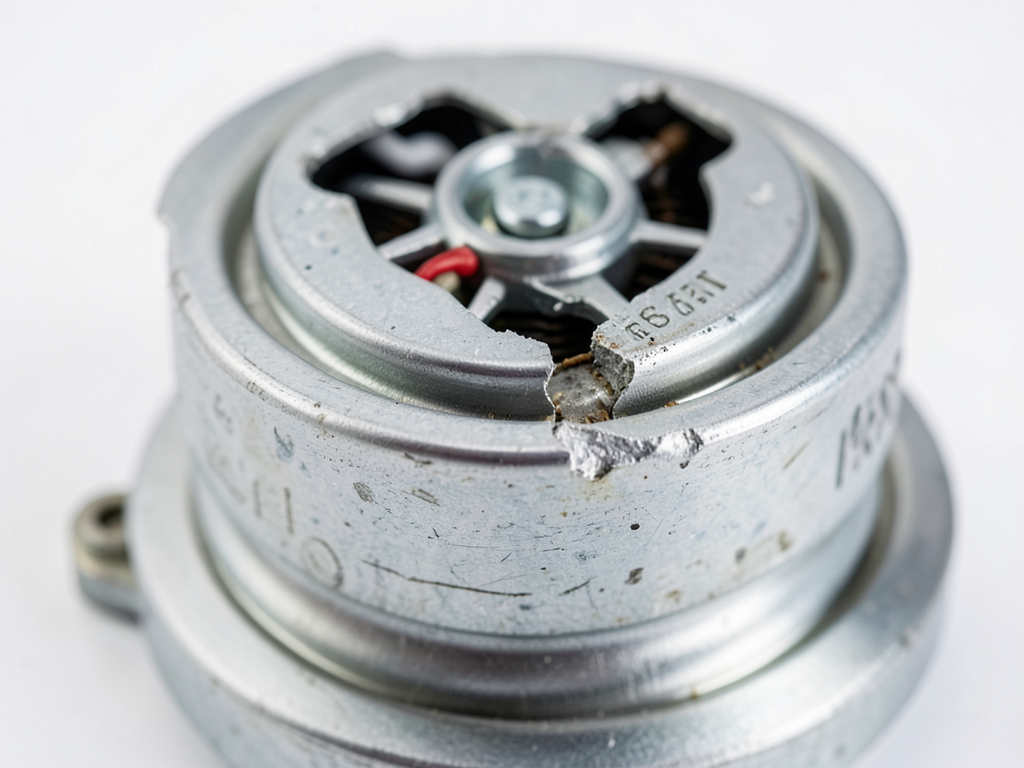
How to tell if a bad capacitor is the reason your Hyde Park AC won't start Your Hyde Park home…

How to tell if a bad capacitor is the reason your Hyde Park AC won't start

How to tell if a bad capacitor is the reason your Hyde Park AC won't start Your Hyde Park home…

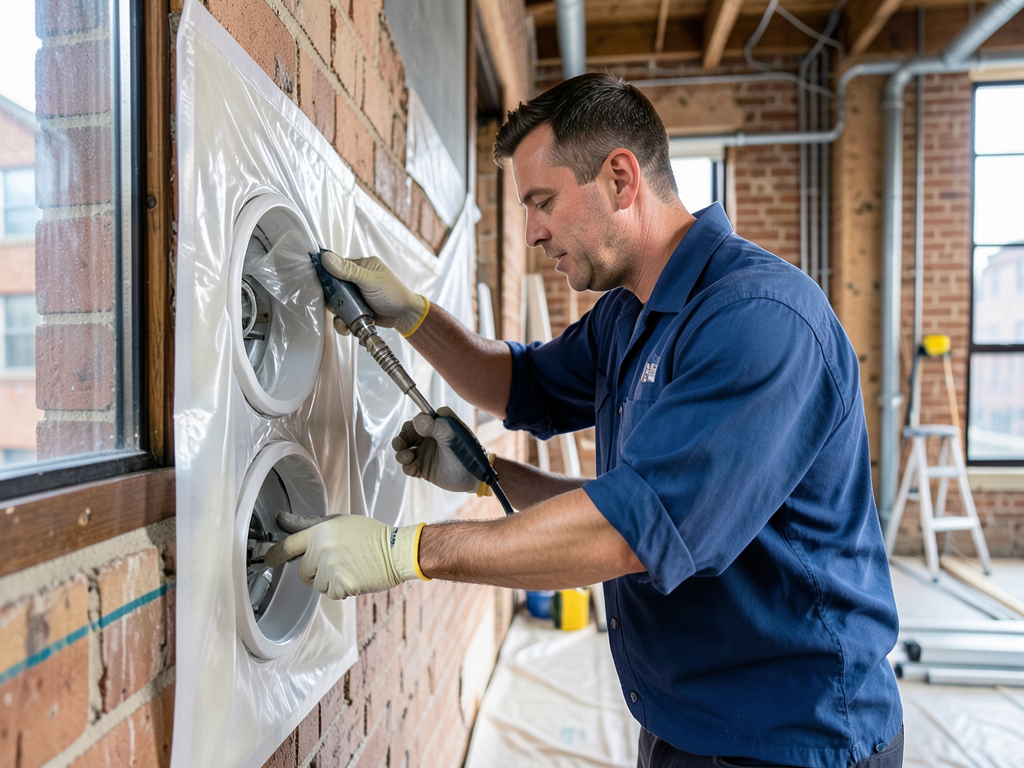
Protecting your Downtown loft from the dust of nearby construction projects

Protecting Your Downtown Loft from Construction Dust Construction dust is more than just a nuisance for Downtown Cincinnati loft owners.…

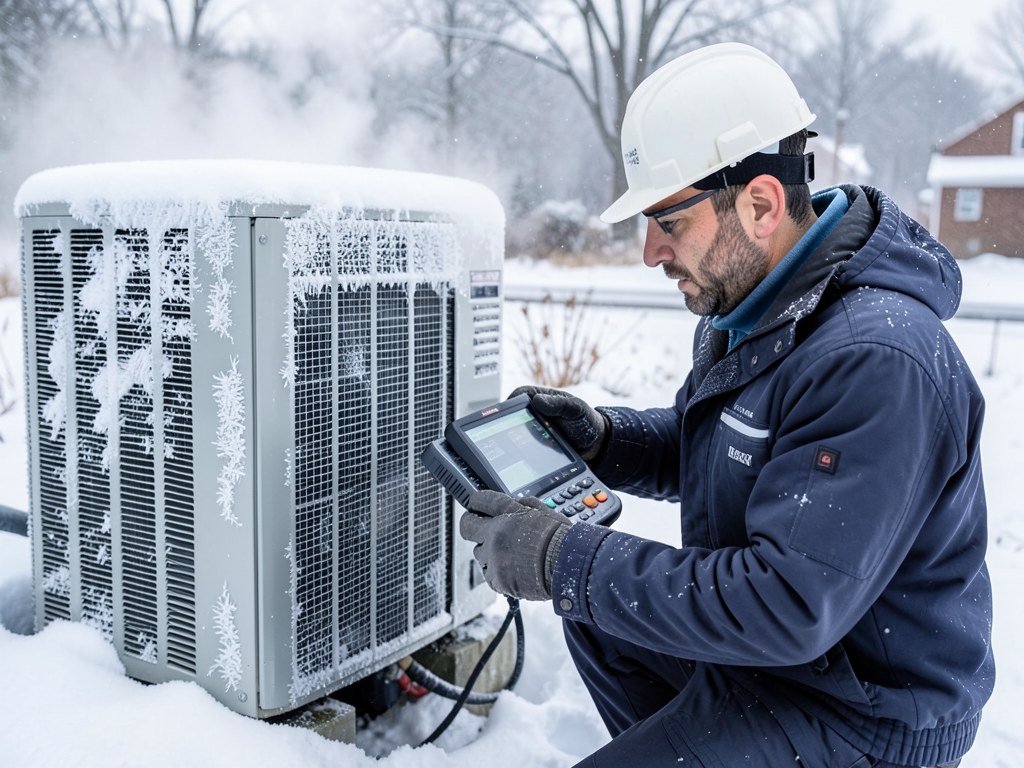
Preparing your Sharonville HVAC system for a sudden Ohio Valley flash freeze

Preparing your Sharonville HVAC system for a sudden Ohio Valley flash freeze Ohio Valley winters can turn brutal in hours…

Contact Us

Do not wait until someone gets sick. Call Five Star HVAC Cincinnati at (513) 717-5155 today to schedule professional carbon monoxide testing. We respond the same day for emergency concerns and offer convenient scheduling for preventive inspections. Protect your family with expert testing and honest answers.