Menu

HVAC Maintenance & Tune-Ups in Cincinnati – Protect Your System From Ohio Valley Humidity and Temperature Swings

Comprehensive heating and cooling tune ups designed for Cincinnati's unpredictable climate. We prevent breakdowns before they happen, cut your energy costs, and extend your system's lifespan through expert HVAC preventative maintenance.

Slider Image 1
Slider Image 2
Slider Image 3
Slider Image 4
Slider Image 5
Slider Image 7
Slider Image 8
Slider Image 9
Slider Image 10
Slider Image 11

Why Cincinnati HVAC Systems Fail Without Regular Maintenance

Cincinnati sits in the Ohio Valley, where humidity climbs above 70 percent most summer months and winter temperatures swing from mild to sub-zero in hours. This climate punishes HVAC systems. Your air conditioner works overtime fighting moisture that breeds mold in evaporator coils. Your furnace cycles constantly during freeze-thaw patterns, wearing out heat exchangers and ignition components faster than systems in stable climates.

Most Cincinnati homeowners skip seasonal HVAC check ups until something breaks. That approach costs you money. A dirty blower motor pulls 15 percent more electricity. Clogged condensate drains flood basements during humid August nights. Cracked heat exchangers leak carbon monoxide into your home.

Regular AC and furnace maintenance prevents these failures. A proper HVAC system inspection catches worn belts, refrigerant leaks, and failing capacitors before they strand you in extreme weather. We see the same patterns every year in neighborhoods from Hyde Park to Price Hill. Systems maintained twice yearly last 18 to 22 years. Neglected systems fail at 12 to 15 years, usually during the worst possible moment.

The cost difference is clear. A heating and cooling tune up runs a fraction of emergency repair bills or premature replacement. You pay for prevention or you pay for crisis. Cincinnati's weather does not give you the luxury of waiting.

Why Cincinnati HVAC Systems Fail Without Regular Maintenance
Our Complete HVAC Preventative Maintenance Process

Our Complete HVAC Preventative Maintenance Process

Five Star HVAC Cincinnati performs systematic inspections that address Ohio Valley climate challenges. We do not follow generic checklists. Our seasonal HVAC check ups target the specific failure points we see in Cincinnati installations.

During cooling season maintenance, we measure refrigerant superheat and subcooling to verify proper charge. Cincinnati's humidity accelerates refrigerant migration and oil breakdown. We inspect condensate drain lines and pans for algae buildup that blocks drainage during high dew point conditions. Evaporator coils get treated with antimicrobial solution to prevent mold growth. We test capacitor microfarad ratings under load because voltage fluctuations from summer storms degrade these components faster than manufacturer specs predict.

Heating season maintenance focuses on combustion safety and heat exchanger integrity. We use digital combustion analyzers to measure CO levels, oxygen content, and draft pressure. Natural gas furnaces common in Cincinnati develop heat exchanger cracks from rapid temperature cycling. We inspect every panel with mirrors and borescopes. Ignitors and flame sensors get cleaned and tested for proper microamp draw. Blower assemblies are vacuumed and lubricated because dust and pet dander accumulation restricts airflow and overheats motors.

We document static pressure readings across your ductwork to identify restrictive returns or undersized supply runs. Many Cincinnati homes have inadequate return air pathways that force systems to work harder and fail sooner. Our HVAC system inspection identifies these efficiency killers that other companies ignore.

What Happens During Your Maintenance Visit

HVAC Maintenance & Tune-Ups in Cincinnati – Protect Your System From Ohio Valley Humidity and Temperature Swings
01

Initial System Evaluation

Your technician arrives with diagnostic equipment calibrated for precision testing. We start by reviewing your system's service history and asking about performance issues you have noticed. You tell us about hot rooms, cold spots, strange noises, or higher utility bills. This conversation guides our inspection priorities. We examine your thermostat settings, check air filter condition, and listen to system operation before opening any panels.
02

Component Testing and Cleaning

We test electrical components under load, measure airflow and temperature differentials, inspect heat exchangers or evaporator coils, and verify safety controls. Blower assemblies get vacuumed. Drain lines are cleared. Refrigerant pressures are logged. Burners are cleaned. Every measurement gets recorded on your service report. This is where we find the small problems before they become expensive failures. The inspection takes 60 to 90 minutes depending on system complexity.
03

Performance Optimization and Documentation

After testing and cleaning, we adjust blower speeds for proper airflow, calibrate gas valve pressure, check refrigerant charge, and verify thermostat accuracy. You receive a detailed report showing all measurements, photos of problem areas, and recommendations prioritized by urgency. We explain what needs attention now versus what to monitor for future visits. Your system runs at factory specifications when we finish, maximizing efficiency and reliability through Cincinnati's demanding seasons.

Why Cincinnati Homeowners Trust Our HVAC Expertise

Five Star HVAC Cincinnati has maintained thousands of systems across Hamilton County and surrounding areas. We understand how local conditions affect equipment performance. The limestone bedrock under Cincinnati creates hard water that corrodes condensate drains faster than in other regions. Summer storms cause voltage surges that damage control boards and capacitors. Clay soil shifts foundations and stresses refrigerant line connections.

Our technicians train specifically on Bryant, Carrier, Lennox, Trane, and Rheem systems common in Cincinnati installations. We stock parts for these brands on our trucks because we know what fails and when. You do not wait days for an overnight shipment when we find a worn contactor or cracked drain pan during maintenance.

We also understand Cincinnati building codes and the mix of housing stock from pre-war bungalows in Northside to new construction in Mason. Older homes often have undersized ductwork and outdated electrical panels that stress modern high-efficiency systems. New homes sometimes have oversized equipment that short-cycles and fails prematurely. Our maintenance visits identify these mismatches and provide solutions that other companies miss.

The difference shows in our call-back rate. When we complete an HVAC preventative maintenance visit, that system runs reliably. We catch problems early because we know what to look for in Cincinnati installations. Your neighbors in Anderson Township, Loveland, and Blue Ash already know this. We have built our reputation on thorough inspections and honest recommendations that keep systems running year after year.

What You Get With Our Maintenance Service

Flexible Scheduling That Fits Your Life

We schedule maintenance visits during spring and fall when weather is mild and systems are not under peak load. You choose morning, afternoon, or evening appointments that work around your schedule. Most tune ups take 60 to 90 minutes. Our technicians call 30 minutes before arrival so you are not waiting around all day. We offer maintenance plan memberships that automatically schedule your twice-yearly visits and provide priority service if problems develop between tune ups. You receive reminder calls to keep your system on track without thinking about it.

Thorough Inspection With No Upselling Pressure

Your technician performs a comprehensive inspection using calibrated test equipment. We measure actual performance data, not subjective observations. You receive a written report with photos showing exactly what we found. If repairs are needed, we explain the problem, show you the failed component, and provide options with clear pricing. We prioritize recommendations into immediate safety concerns, efficiency improvements, and future maintenance items. You decide what to address and when. We never pressure you into unnecessary repairs or replacement systems.

Systems That Run Right When You Need Them

After our maintenance visit, your system operates at factory specifications. Airflow is balanced. Refrigerant charge is accurate. Combustion efficiency is optimized. Safety controls function properly. You notice the difference immediately through better comfort, quieter operation, and lower utility bills. Most important, your system does not fail during extreme weather when you need it most. Regular maintenance eliminates 85 percent of breakdowns. The peace of mind alone justifies the investment when Cincinnati temperatures hit 95 degrees with 80 percent humidity or drop below zero on January nights.

Priority Service and Maintenance Plan Benefits

Maintenance plan members receive priority scheduling if emergency repairs are needed between tune ups. You move to the front of the queue when problems develop. Plans include discounted repair rates, waived service call fees, and extended parts coverage. We track your system's performance history so every technician who visits your home understands your equipment's condition and past issues. This continuity prevents repeat problems and catches developing issues early. Your investment in preventative maintenance pays back through lower repair costs and extended equipment life that can add five to seven years to your system's service.

Frequently Asked Questions

You Have Questions,
We Have Answers

What does an HVAC tune-up include? +

An HVAC tune-up includes a full system inspection, cleaning, and adjustment of critical components. Your technician checks refrigerant levels, inspects electrical connections, lubricates moving parts, and cleans the condenser coils. They test thermostat accuracy, examine belts and motors for wear, and replace your air filter. The blower assembly gets cleaned, and ductwork is inspected for leaks. In Cincinnati, where humidity and temperature swings stress systems year-round, technicians also check condensate drain lines to prevent clogs that cause water damage. This preventive service catches small issues before they become expensive repairs.

How much does a HVAC tune-up cost? +

HVAC tune-up costs vary based on system type, age, and condition. Factors include whether you have a furnace, air conditioner, or heat pump, and if you need single or dual-season service. Most Cincinnati homeowners pay less when they join a maintenance plan, which bundles tune-ups with priority service and repair discounts. Complex systems with zoning or older equipment may cost more due to extra time required. The investment prevents breakdowns during Cincinnati's humid summers and cold winters. Get a written estimate before service begins, and ask if filter replacement is included.

What is the $5000 rule for HVAC? +

The $5000 rule helps you decide between repair and replacement. Multiply your system's age by the repair cost. If the result exceeds $5000, replacement is smarter financially. For example, a 12-year-old system needing a $500 repair equals $6000, suggesting replacement. This rule accounts for diminishing returns on aging equipment. In Cincinnati, where freeze-thaw cycles and humidity accelerate wear, older systems often need repeated repairs. A new system offers better efficiency, lower energy bills, and reliability. Consider this guideline alongside your technician's assessment of overall system condition and expected remaining lifespan.

How often should HVAC be tuned up? +

You should tune up your HVAC system twice yearly: once before cooling season and once before heating season. Cincinnati's climate demands this schedule because high summer humidity stresses air conditioners while cold winters push furnaces hard. Spring tune-ups prepare your AC for muggy weather, while fall service ensures your furnace handles temperature drops. Skipping tune-ups voids many manufacturer warranties and leads to higher energy bills. Systems running without maintenance lose efficiency annually and fail sooner. Schedule both services early in the season, before demand peaks and technicians get booked solid.

What is the average cost of a full tune-up? +

The average cost of a full HVAC tune-up depends on your system configuration. A single-unit service costs less than dual-fuel systems requiring both furnace and air conditioner maintenance. Most Cincinnati homeowners find maintenance plans offer better value than individual service calls, especially when you factor in priority scheduling during breakdowns. Complex systems with variable-speed technology or zoning require more diagnostic time. Age matters too. Older equipment needs extra attention to belts, motors, and electrical components. Request itemized pricing and ask what the service includes before committing to ensure filter replacement and refrigerant checks are covered.

Is a HVAC tune-up worth it? +

Yes, HVAC tune-ups are worth the investment. Regular maintenance extends your system's lifespan by up to 40 percent and prevents 95 percent of breakdowns. You avoid emergency repair calls during Cincinnati's hottest and coldest days when technicians charge premium rates. Clean, tuned systems use 15 to 20 percent less energy, lowering your monthly utility bills. Tune-ups catch small problems like worn belts or dirty coils before they cause compressor failure or other expensive damage. Your warranty stays valid, and your home stays comfortable. The cost of two tune-ups per year is less than one emergency repair.

What is the 3 minute rule for AC? +

The 3 minute rule for AC means you should wait at least three minutes after your system shuts off before restarting it. This delay lets refrigerant pressures equalize throughout the system. Restarting too quickly forces the compressor to work against high pressure, which damages the motor and shortens its life. Modern thermostats often include this delay automatically. In Cincinnati's stop-and-go weather patterns during spring and fall, your AC may cycle frequently. Respect this rule if you manually adjust your thermostat. Repeated short cycling without proper delay intervals can lead to compressor failure requiring expensive replacement.

What is standard HVAC maintenance? +

Standard HVAC maintenance includes cleaning, inspection, and adjustment of system components. Your technician cleans condenser coils, checks refrigerant charge, inspects electrical connections, and lubricates motors and bearings. They replace filters, test thermostat calibration, and examine belts for cracks or wear. The condensate drain gets cleared to prevent water damage. In Cincinnati, technicians also check for rust or corrosion caused by humidity. Gas furnaces get burner inspection and flame sensor cleaning. The blower assembly is cleaned, and airflow is measured. This seasonal service keeps your system running safely and efficiently while catching problems early.

What is the lifespan of an HVAC system? +

HVAC systems last 15 to 20 years with proper maintenance. Air conditioners in Cincinnati often reach 15 years because high humidity and long cooling seasons stress components. Furnaces can last 20 years since heating demand is shorter. Heat pumps typically need replacement after 12 to 15 years because they run year-round. Systems without regular tune-ups fail sooner, often by 30 to 40 percent. Poor installation, oversized equipment, and dirty filters also shorten lifespan. Coastal moisture, temperature extremes, and neglected maintenance accelerate wear. Replace your system when repair costs exceed half the replacement cost or efficiency drops significantly.

Is a new HVAC system tax deductible in 2025? +

New HVAC systems may qualify for federal tax credits in 2025 under the Energy Efficient Home Improvement Credit. High-efficiency systems meeting ENERGY STAR criteria can earn credits up to specific limits. You must install qualifying equipment in your primary residence. Heat pumps often qualify for larger credits than standard systems. Keep your manufacturer certification statement and installation receipts for tax filing. State and utility rebates may also apply in Ohio. Consult a tax professional for current limits and eligibility requirements, as rules change annually. Upgrading to qualifying equipment lowers your tax bill while reducing energy costs long-term.

How Cincinnati's Ohio Valley Climate Accelerates HVAC Wear

The Ohio River Valley creates a microclimate that punishes HVAC equipment harder than surrounding regions. Summer dew points regularly exceed 70 degrees, forcing air conditioners to remove enormous amounts of moisture while cooling. This constant dehumidification stresses compressors and evaporator coils. Winter brings rapid temperature swings from Lake Erie weather patterns mixing with southern air masses. Your furnace may cycle 15 times per day instead of the six to eight cycles systems experience in stable climates. These extra cycles wear out ignitors, gas valves, and heat exchangers at accelerated rates. Regular AC and furnace maintenance compensates for this climate stress by catching wear patterns early and adjusting system operation for local conditions.

Cincinnati's building stock ranges from 100-year-old homes in neighborhoods like East Walnut Hills to new construction in Liberty Township. Each era of construction presents unique HVAC challenges that require local expertise. Older homes have inadequate insulation, undersized ductwork, and outdated electrical systems that stress modern equipment. Newer homes sometimes have overly tight building envelopes that create indoor air quality issues without proper ventilation. Five Star HVAC Cincinnati has serviced every type of installation across the region. We understand how historic district requirements affect equipment placement, how hillside locations create drainage challenges, and how local utility voltage variations impact system components. This depth of local knowledge prevents the trial-and-error approach that costs you money with companies unfamiliar with Cincinnati installations.
HVAC Services in The Cincinnati Area

Five Star HVAC proudly serves all homes and businesses in the greater Cincinnati area. Our skilled team is ready to respond to your service requests, whether you're in the city center or the surrounding suburbs. Use the map to explore our service area and see how close we are to you. We're committed to providing prompt and dependable service, no matter where you are within our coverage zone.

Address:
Five Star HVAC Cincinnati, 4024 Hamilton Ave, Cincinnati, OH, 45223

Additional Services We Offer

Our news updates

Latest Articles & News from The Blogs

How to tell if a bad capacitor is the reason your Hyde Park AC won't start Your Hyde Park home…

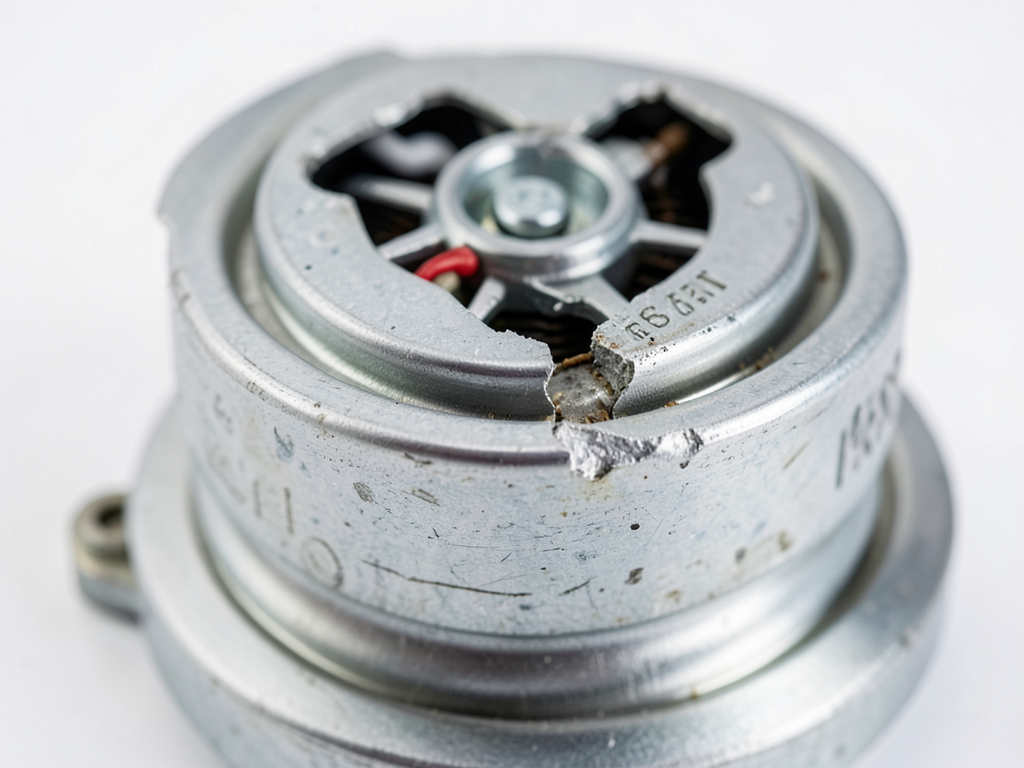
How to tell if a bad capacitor is the reason your Hyde Park AC won't start

How to tell if a bad capacitor is the reason your Hyde Park AC won't start Your Hyde Park home…

Protecting your Downtown loft from the dust of nearby construction projects

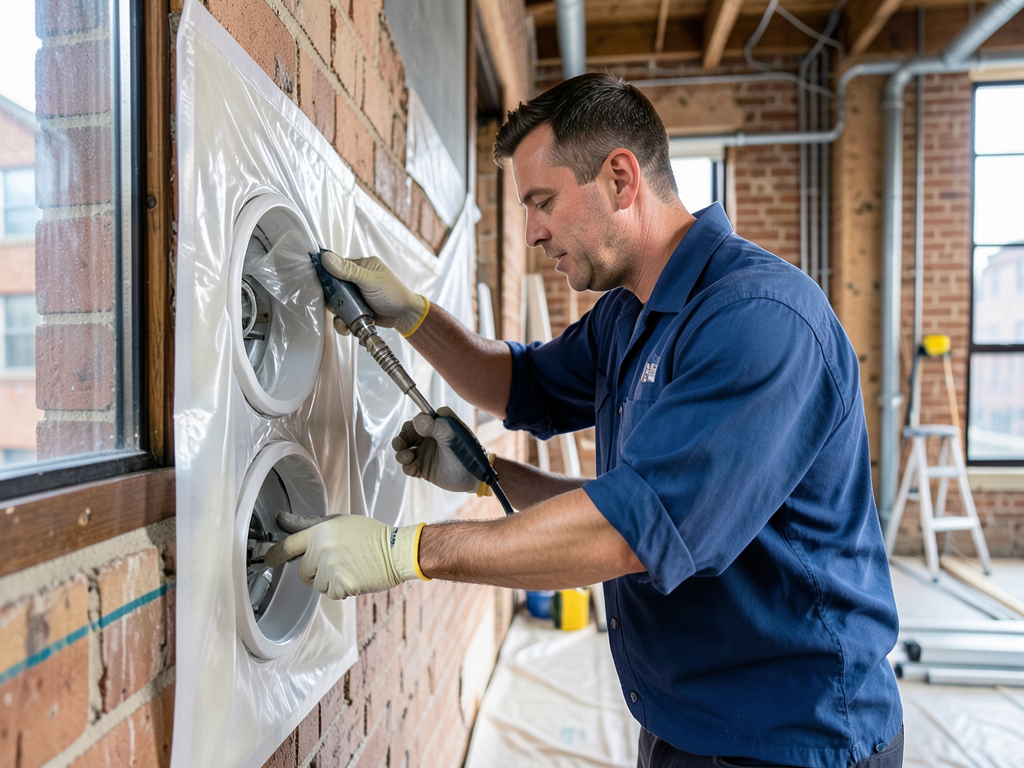
Protecting Your Downtown Loft from Construction Dust Construction dust is more than just a nuisance for Downtown Cincinnati loft owners.…

Preparing your Sharonville HVAC system for a sudden Ohio Valley flash freeze

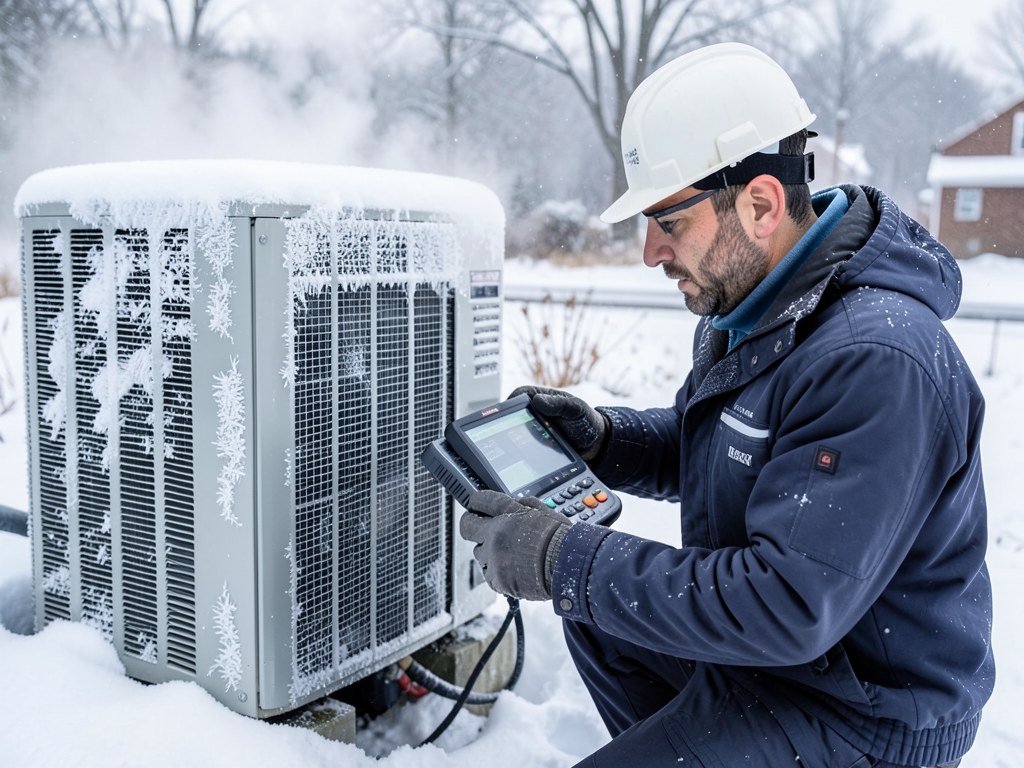
Preparing your Sharonville HVAC system for a sudden Ohio Valley flash freeze Ohio Valley winters can turn brutal in hours…

Contact Us

Prevent breakdowns before they happen. Call (513) 717-5155 now to schedule your heating and cooling tune up. Our maintenance plans keep your system running efficiently through every Cincinnati season. Same-week appointments available. Stop paying for emergency repairs and start investing in reliable performance.