Menu

Benefits of Inverter Technology in Cincinnati – Cut Your Energy Bills While Surviving Ohio Valley Humidity

Variable speed compressor technology slashes cooling costs by adjusting output to match demand, giving Cincinnati homeowners precise climate control without the energy waste of traditional on-off cycling systems.

Slider Image 1
Slider Image 2
Slider Image 3
Slider Image 4
Slider Image 5
Slider Image 7
Slider Image 8
Slider Image 9
Slider Image 10
Slider Image 11

Why Cincinnati's Brutal Temperature Swings Punish Old HVAC Systems

Cincinnati's weather hammers traditional air conditioners. You get 90-degree summers with suffocating humidity rolling up from the Ohio River, then sub-zero winter snaps that freeze pipes. A standard single-stage compressor runs at full blast or shuts off completely. No middle ground.

That on-off cycling burns electricity. When temperatures hover in the 70s during spring and fall, your system still fires up at 100 percent capacity, cooling the house too fast, then shutting down. The compressor restarts minutes later. Each restart draws massive surge power. Your electric meter spins.

The advantages of inverter air conditioners solve this. Variable speed compressor benefits come from matching output to actual demand. When you need light cooling on a mild May evening, the compressor runs at 30 percent. On a brutal August afternoon, it ramps to full power. The system stays on continuously at whatever speed your home needs.

Inverter HVAC energy efficiency shows up in two places. First, you eliminate those wasteful surge cycles. Second, the compressor runs longer at lower speeds, which removes more humidity. Cincinnati's muggy summers make humidity control critical. A system that cycles on and off too quickly never pulls enough moisture from the air. You feel clammy even when the thermostat reads 72.

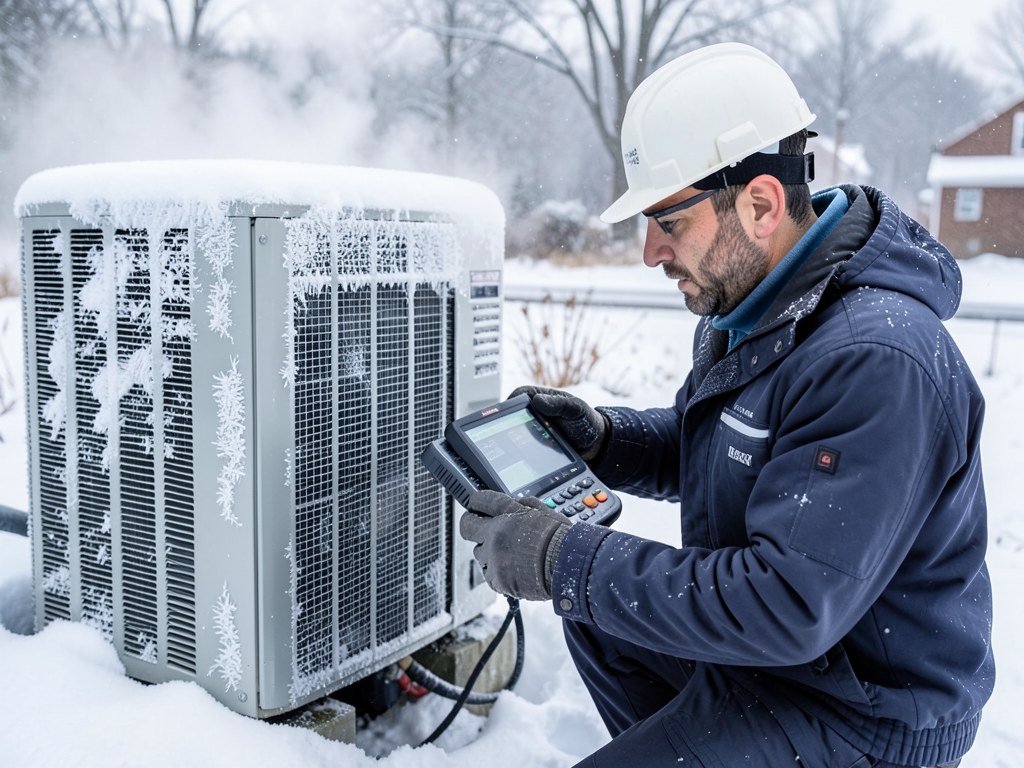
The pros of inverter heat pumps extend to winter. When temperatures drop into the teens, traditional heat pumps struggle. Inverter technology modulates refrigerant flow to extract heat from outside air more effectively, keeping your home warm without expensive auxiliary heat strips kicking in every hour.

Why Cincinnati's Brutal Temperature Swings Punish Old HVAC Systems
How Variable Speed Compressors Actually Save You Money

How Variable Speed Compressors Actually Save You Money

Traditional compressors use a fixed-speed motor. When the thermostat calls for cooling, the contactor closes, the motor spins at 3,450 RPM, and refrigerant flows at maximum capacity. When the setpoint is reached, everything stops. This binary operation creates three problems.

Problem one is inrush current. Each time the compressor starts, it draws five to eight times its running amperage for several seconds. That surge shows up on your utility bill. Over a cooling season with hundreds of cycles, the waste adds up.

Problem two is poor dehumidification. Removing moisture requires sustained airflow over the evaporator coil. Short cycles move air too quickly. Water vapor stays in your living space. You turn the thermostat down to feel comfortable, which drives up costs.

Problem three is thermal stress. Constant expansion and contraction from temperature cycling fatigues refrigerant lines, capacitors, and contactors. Components fail faster.

Inverter technology uses a variable frequency drive to control compressor speed. The VFD adjusts motor RPM from roughly 1,000 to 5,000 based on real-time load calculations. When the thermostat signals a small temperature gap, the compressor runs at low speed. Large temperature gaps trigger higher speeds.

Inverter technology power savings come from operating at partial capacity most of the time. A compressor running at 40 percent speed uses less than 40 percent of full-load power due to reduced mechanical losses and optimized refrigerant flow. You get precise temperature control without energy waste.

The system also modulates fan speed. Indoor and outdoor fans adjust their RPM to match compressor output, reducing airflow noise and further cutting electricity use. Cincinnati neighborhoods with older homes appreciate the quieter operation during summer nights when windows stay open.

What Happens When You Upgrade to Inverter Technology

Benefits of Inverter Technology in Cincinnati – Cut Your Energy Bills While Surviving Ohio Valley Humidity
01

Load Calculation and Assessment

We measure your home's cooling and heating loads using Manual J calculations. This accounts for insulation levels, window orientation, ductwork condition, and Cincinnati's specific climate data. Oversized equipment cycles too frequently, negating inverter benefits. Undersized systems run at full capacity constantly, wasting the variable speed advantage. Proper sizing ensures the compressor operates in its most efficient range throughout the year.
02

System Configuration and Installation

We configure the VFD controller to match your ductwork capacity and zone requirements. Inverter systems require different refrigerant line sizing than fixed-speed units. We install lines that accommodate variable refrigerant flow without causing oil return problems. The outdoor unit placement considers clearance for variable-speed fan operation. We wire dedicated circuits to handle the VFD's electrical characteristics, which differ from standard compressor loads in terms of harmonics and power factor.
03

Calibration and Performance Verification

After installation, we calibrate the system's control algorithms to your home's thermal characteristics. We verify superheat and subcooling at multiple compressor speeds to ensure proper refrigerant charge across the operating range. We test the system's response to thermostat calls, confirming smooth ramp-up and ramp-down without hunting or overshooting setpoints. You receive documentation showing baseline energy consumption and projected savings based on your actual equipment performance.

Why Cincinnati Homeowners Choose Five Star HVAC Cincinnati for Inverter Upgrades

Inverter technology is not plug-and-play. The VFD controllers require proper programming for Cincinnati's climate. Set the parameters wrong, and you lose the efficiency gains. We program outdoor ambient lockout temperatures based on local weather patterns, not generic factory defaults.

Cincinnati's electrical infrastructure matters. Older homes in neighborhoods like Over-the-Rhine and Northside often have 100-amp services. Adding a high-efficiency inverter heat pump requires load calculations to ensure your panel can handle the continuous draw. We evaluate your electrical capacity before recommending equipment, preventing breaker trips and voltage sags that damage sensitive VFD electronics.

Ductwork in Cincinnati's housing stock varies wildly. Homes built in the 1920s through 1940s often have undersized return air paths. Inverter systems move less air at lower speeds, which can create static pressure problems if ducts are restrictive. We measure total external static pressure and modify ductwork when needed. A system that fights against restricted airflow wastes energy regardless of compressor technology.

We also understand local utility rate structures. Duke Energy's time-of-use rates in certain areas make inverter technology more valuable. The ability to run at lower speeds during peak rate hours reduces demand charges. We help you understand actual payback periods based on your specific rate schedule, not industry averages.

Service matters after installation. Inverter systems require technicians who understand VFD diagnostics. When a traditional compressor fails, you replace the compressor. When a VFD fails, you need someone who can read error codes, test IGBT modules, and diagnose communication faults between the controller and compressor. We train on these systems specifically.

What to Expect from Your Inverter HVAC Upgrade

Installation Timeline and Disruption

Most residential inverter system installations take one to two days. Day one involves removing the old equipment, running new refrigerant lines if needed, and installing the outdoor unit. Day two covers indoor air handler installation, electrical work, and system startup. We protect your floors and work areas with drop cloths. You'll have no cooling or heating during the installation window, so we schedule work during mild weather when possible. If you need temporary cooling, we can provide portable units for bedrooms. The system is fully operational by the end of day two, with commissioning completed.

Energy Monitoring and Baseline Documentation

We install energy monitoring on your new system to track actual consumption. You receive a baseline report showing kilowatt-hours used per day at different outdoor temperatures. This gives you real data to compare against your old system's utility bills. The inverter's control board logs runtime hours at different capacity levels, showing how often the system operates at partial load versus full load. After 30 days, we provide a follow-up report documenting performance. This data helps you track return on investment and identifies any anomalies early, before they become expensive problems.

Temperature Stability and Comfort Changes

You'll notice temperature swings disappear. Traditional systems create two to three-degree fluctuations between cycles. Inverter systems hold setpoint within 0.5 degrees. Humidity control improves dramatically. Instead of short bursts of cold air that barely dehumidify, you get continuous gentle airflow that pulls moisture steadily. Your home feels more comfortable at higher thermostat settings. Many customers raise their cooling setpoint by two degrees after switching to inverter technology and still feel more comfortable due to better humidity management. The system runs quieter because the compressor and fans ramp up gradually instead of slamming to full speed.

Maintenance Requirements and Longevity

Inverter systems need the same basic maintenance as traditional equipment. Filter changes every 90 days, coil cleaning annually, and refrigerant level checks. The difference is VFD-specific items. We inspect electrical connections for signs of harmonic heating, check capacitors in the power supply section, and verify the VFD cooling fan operates correctly. The reduced mechanical stress from eliminating hard starts extends component life. Compressors typically last longer because they spend most of their time running at moderate speeds rather than cycling on and off. We recommend annual preventive maintenance to catch VFD issues early and maintain peak efficiency.

Frequently Asked Questions

You Have Questions,
We Have Answers

What are the benefits of inverter technology? +

Inverter technology in HVAC systems adjusts compressor speed based on cooling or heating demand, rather than cycling on and off. You get precise temperature control, lower energy bills (up to 30-50% savings), quieter operation, and longer equipment life. In Cincinnati's humid summers and cold winters, inverter systems maintain consistent comfort without the temperature swings of traditional units. They also dehumidify better during sticky Ohio Valley weather. The variable-speed operation reduces wear on components and eliminates the power surge from constant start-stop cycles. For homes in historic neighborhoods like Over-the-Rhine or Mount Adams, the quieter operation is a bonus.

What is the disadvantage of an inverter? +

The main disadvantage of inverter technology is higher upfront cost. Inverter HVAC systems typically cost 20-40% more than conventional single-stage units. The electronics are more complex, which can mean pricier repairs if components fail outside warranty. In Cincinnati's variable climate, the sophisticated circuitry can be sensitive to power surges from summer storms. You need qualified technicians familiar with inverter diagnostics, not just basic HVAC knowledge. For households with tight budgets or older electrical systems, the initial investment can be a barrier. However, energy savings often offset the higher purchase price within 5-7 years.

What should you not plug into an inverter? +

Never plug high-wattage heat-producing appliances into a standard power inverter. Space heaters, hair dryers, curling irons, electric kettles, and toasters draw too much power and can overheat the inverter or trip protection circuits. Laser printers and large power tools with inductive motors also cause problems. Sensitive electronics like medical equipment or older TVs with delicate transformers can be damaged by modified sine wave inverters. Compressor-based appliances (refrigerators, freezers) need pure sine wave inverters with surge capacity. Always check the inverter's continuous wattage rating and compare it to your appliance's requirements before connecting anything.

Which one is better, AC or inverter? +

This question compares two different things. An inverter AC (variable-speed compressor) is a type of air conditioner, not an alternative to AC. If you mean inverter AC versus conventional single-stage AC, inverter wins for efficiency, comfort, and longevity. Inverter systems adjust speed continuously, saving energy and maintaining steady temperatures perfect for Cincinnati's humid summers. Single-stage units blast cold air then shut off, causing temperature swings and higher electric bills. If you mean backup power inverters versus grid power, grid power is more reliable and cost-effective for everyday use. Inverters are for emergency backup or off-grid situations.

Can an inverter run a fridge? +

Yes, a power inverter can run a refrigerator, but you need the right type and size. Use a pure sine wave inverter rated for at least 3-4 times the fridge's running wattage to handle startup surge. A typical refrigerator draws 100-200 watts running but needs 600-1000 watts at startup. In Cincinnati during summer storm outages, a 2000-watt pure sine wave inverter with deep-cycle batteries can keep your fridge running. Modified sine wave inverters may damage the compressor motor over time. Calculate your fridge's power needs (check the label) and add 20% buffer. Connect directly to the inverter, not through an extension cord.

Is it worth getting an inverter? +

For Cincinnati homeowners, inverter HVAC systems are worth the investment if you plan to stay 5-plus years. The energy savings in our hot, humid summers and cold winters add up quickly. You will see 30-50% lower cooling and heating costs compared to single-stage systems. The consistent comfort and better humidity control matter in Ohio Valley weather. If your home has poor insulation or you run AC sparingly, payback takes longer. For properly sized homes with typical usage, the efficiency gains, quieter operation, and longer equipment life justify the higher upfront cost. Pair with a smart thermostat to maximize savings.

What are the problems with inverters? +

Common inverter problems include electronic control board failures, compressor sensor malfunctions, and refrigerant leaks that confuse the variable-speed logic. Power surges from Cincinnati's summer storms can damage sensitive circuitry. Inverter systems require clean power and proper grounding. Undersized installations cause the compressor to run constantly at high speed, negating efficiency benefits. Dirty filters or blocked coils force the system to work harder, stressing components. Some technicians lack training on inverter diagnostics, leading to misdiagnosis. Refrigerant charge must be precise for inverter systems to modulate correctly. Regular maintenance and surge protection prevent most issues.

What is the 3 minute rule for AC? +

The 3-minute rule protects your AC compressor from damage. After your system shuts off, wait at least 3 minutes before restarting it. This allows refrigerant pressures to equalize inside the system. Restarting too quickly forces the compressor to start against high pressure, causing mechanical stress and potential failure. Most modern thermostats have built-in delay timers, but if you manually control your system or experience power outages during Cincinnati storms, respect this rule. Inverter systems handle this better because they ramp speed gradually rather than hard-starting. Ignoring the 3-minute rule shortens compressor life and voids warranties.

Is it safe to sleep in a room with an inverter? +

Yes, sleeping in a room with a properly installed inverter air conditioner is safe. Modern inverter AC units are designed for continuous indoor operation with sealed refrigerant systems. They produce no harmful emissions during normal use. In Cincinnati homes, inverter systems actually improve sleep quality through quieter operation and consistent temperatures without the noisy cycling of conventional units. Ensure adequate ventilation in your bedroom and maintain your system with regular filter changes. If you mean a backup power inverter with batteries, keep it ventilated since batteries can produce hydrogen gas during charging. Lead-acid batteries should not be in sleeping areas.

What appliances should not be used with an inverter? +

Avoid plugging heat-generating appliances into inverters. Space heaters, electric stoves, ovens, clothes dryers, and water heaters draw massive wattage that overwhelms most inverters. Welders, table saws, and compressors with large inductive motors create power spikes. Sump pumps in Cincinnati basements need proper surge capacity. Microwave ovens require pure sine wave inverters and high wattage ratings. Medical devices like CPAP machines or oxygen concentrators need clean, stable power from quality inverters. Older tube TVs and audio equipment can malfunction with modified sine wave power. Stick to small electronics, LED lights, phone chargers, and laptops for reliable inverter use.

Why Ohio River Humidity Makes Inverter Heat Pumps Essential for Cincinnati Comfort

The Ohio River Valley traps moisture during summer months. When warm air masses stall over the region, dew points climb into the 70s. Traditional air conditioners cycle off before pulling enough moisture from indoor air. You get that sticky, clammy feeling even when the thermostat reads 72. Inverter technology solves this by running continuously at lower speeds, giving the evaporator coil time to condense water vapor. The longer runtime pulls humidity down to comfortable levels without overcooling. This matters more in Cincinnati than in dry climates where temperature control alone creates comfort.

Cincinnati's building codes require higher SEER ratings for replacement equipment, making inverter systems a practical choice during upgrades. Local HVAC contractors who understand Ohio's climate design systems for both temperature and humidity control. We size equipment based on latent load calculations specific to the Ohio Valley's moisture patterns, not generic industry defaults. Our technicians train on inverter technology through manufacturer certification programs, giving you access to warranty support and proper diagnostics when issues arise. Choosing local expertise means faster service calls and familiarity with Cincinnati's specific installation challenges.

HVAC Services in The Cincinnati Area

Five Star HVAC proudly serves all homes and businesses in the greater Cincinnati area. Our skilled team is ready to respond to your service requests, whether you're in the city center or the surrounding suburbs. Use the map to explore our service area and see how close we are to you. We're committed to providing prompt and dependable service, no matter where you are within our coverage zone.

Address:
Five Star HVAC Cincinnati, 4024 Hamilton Ave, Cincinnati, OH, 45223

Additional Services We Offer

Our news updates

Latest Articles & News from The Blogs

How to tell if a bad capacitor is the reason your Hyde Park AC won't start Your Hyde Park home…

How to tell if a bad capacitor is the reason your Hyde Park AC won't start

How to tell if a bad capacitor is the reason your Hyde Park AC won't start Your Hyde Park home…

Protecting your Downtown loft from the dust of nearby construction projects

Protecting Your Downtown Loft from Construction Dust Construction dust is more than just a nuisance for Downtown Cincinnati loft owners.…

Preparing your Sharonville HVAC system for a sudden Ohio Valley flash freeze

Preparing your Sharonville HVAC system for a sudden Ohio Valley flash freeze Ohio Valley winters can turn brutal in hours…

Contact Us

Call Five Star HVAC Cincinnati at (513) 717-5155 for a free load calculation and inverter system quote. We'll show you actual energy savings projections based on your home and utility rates, not generic estimates. Schedule your consultation today.