Menu

Storm Damage HVAC Repair in Cincinnati – Emergency Response Within 60 Minutes

When severe weather compromises your heating or cooling system, our technicians arrive fast to restore comfort and prevent secondary damage. We handle storm damaged AC unit repair and full HVAC storm restoration services across the Cincinnati metro 24/7.

Slider Image 1
Slider Image 2
Slider Image 3
Slider Image 4
Slider Image 5
Slider Image 7
Slider Image 8
Slider Image 9
Slider Image 10
Slider Image 11

Storm Damage Shuts Down HVAC Systems Fast in Cincinnati

Cincinnati's position in the Ohio River Valley puts your HVAC system directly in the path of violent spring and summer storms. High winds rip off condenser cage guards and bend fan blades. Hail punctures outdoor coils and cracks compressor housings. Lightning surges fry circuit boards and control modules in seconds.

When a storm hits, your system does not gradually fail. It stops. The outdoor unit sits silent. The thermostat goes dark. Your basement floods because the condensate pump lost power and the backup float switch failed.

You need emergency HVAC storm repair because the damage spreads fast. Water enters through a cracked condenser cabinet and corrodes electrical connections. Debris clogs the condensate drain and forces water back into the air handler. A bent fan blade vibrates and destroys the motor bearings within hours.

Waiting until morning turns a fixable problem into a total replacement. The compressor seizes. The evaporator coil freezes and cracks. Mold starts growing in the ductwork because humid air sat stagnant for 12 hours.

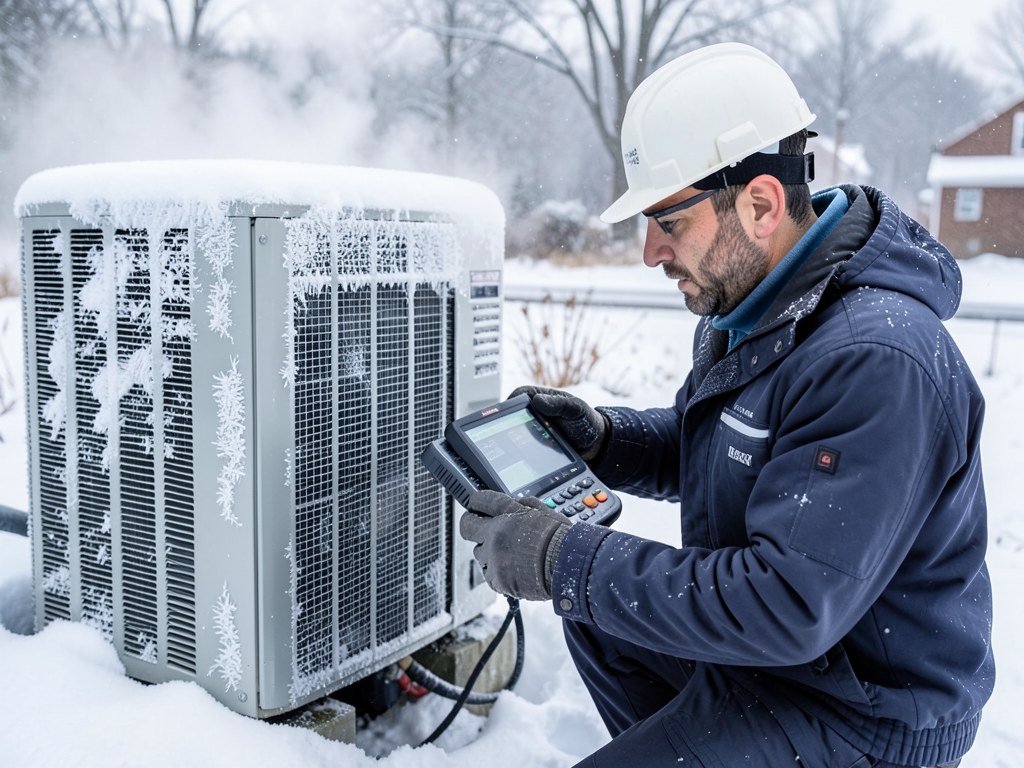
We dispatch within 60 minutes because storm damaged AC unit repair requires immediate action. Our technicians secure the electrical disconnect, tarp exposed components, and assess whether the system can be saved. We document everything for your insurance claim while we stabilize the damage.

Five Star HVAC Cincinnati stocks emergency replacement parts for the brands most common in the Tri-State area. We repair what we can and replace what we cannot. You get heating and cooling storm damage repair that stops the bleeding and gets your system back online before the next weather front rolls through.

Storm Damage Shuts Down HVAC Systems Fast in Cincinnati
Our HVAC Storm Restoration Process Focuses on Speed and Insurance Documentation

Our HVAC Storm Restoration Process Focuses on Speed and Insurance Documentation

We treat every emergency HVAC storm repair like a crime scene. The evidence determines whether you get insurance coverage or eat the cost yourself.

Our technicians photograph the outdoor unit from six angles before touching anything. We document the position of the disconnect switch, the condition of the electrical whip, and any visible impact points on the cabinet or coils. We check the roof where the supply and return penetrations exit because wind-driven rain often enters there first.

Inside, we pull the air handler access panel and photograph the control board. Voltage surge damage shows up as burned traces and blown capacitors. We use a multimeter to test the transformer, the blower motor windings, and the reversing valve solenoid. We document failed components with part numbers and failure modes.

The condensate system gets special attention. We trace the drain line from the pan to the exterior discharge point. A clogged line forces water backward into the air handler and the ceiling below it. We check the float switch and the auxiliary overflow pan because most homeowners do not know these exist until water stains appear.

We tag every damaged component with a number that matches the photo log. Your insurance adjuster needs proof that the compressor failed due to electrical surge, not normal wear. We provide that proof.

Once we finish documentation, we move to triage. Can we bypass the failed board and run the system manually? Can we swap the outdoor fan motor in 90 minutes? Can we patch the refrigerant leak and recharge the system tonight?

We fix storm damaged HVAC systems using the fastest path to restored function. You get documentation for the claim and climate control for your family.

What Happens When You Call for Emergency Storm Damage Service

Storm Damage HVAC Repair in Cincinnati – Emergency Response Within 60 Minutes
01

Immediate Safety Assessment

We arrive and immediately check for active electrical hazards, gas leaks, and refrigerant exposure. Your safety comes before diagnosis. We kill power at the breaker if the disconnect switch is damaged or submerged. We test for voltage at the outdoor unit using a non-contact detector because storm damage often energizes metal cabinets. Once the scene is safe, we begin the detailed assessment and photo documentation process.
02

Component Damage Mapping

We open every access panel and test every circuit. The compressor gets a megohmeter test to check for internal short circuits. The blower motor gets an amp draw test under load. The control board gets inspected under magnification for hairline cracks and thermal stress. We map the entire failure chain because one lightning strike can cascade through six components. You get a written report that identifies primary damage and secondary damage separately for insurance purposes.
03

Restore Function or Replacement

If the system is repairable, we complete the work immediately using parts from our emergency stock. If the damage exceeds 60% of replacement cost, we provide temporary cooling using portable units while we order a new system. You get a decision tree, not a sales pitch. We explain repair costs, replacement costs, and the probability of additional failures within 12 months. You choose the path forward with full information.

Why Cincinnati Homeowners Call Five Star HVAC Cincinnati After Storm Damage

We operate in Cincinnati 365 days a year. Our technicians live in Oakley, Hyde Park, Mount Lookout, and Clifton. When the National Weather Service issues a severe thunderstorm warning for Hamilton County, we stage trucks in strategic locations across the metro area. You get 60-minute response times because we are already on the road before the storm clears.

Our familiarity with Cincinnati's building patterns matters during HVAC storm restoration services. We know that homes in the East Walnut Hills Historic District use high-velocity mini-duct systems that hide in century-old plaster walls. We know that split-level ranch homes in Anderson Township have outdoor units sitting on concrete pads that crack and settle during freeze-thaw cycles. We know that downtown condos use PTACs vulnerable to wind-driven rain entering the sleeve.

This local knowledge speeds diagnosis. We do not waste time figuring out where the air handler hides or how the ductwork routes through the structure. We go straight to the problem.

We also understand Cincinnati's insurance landscape. Local adjusters know our documentation standards. They trust our damage assessments because we do not pad claims or recommend unnecessary replacements. We photograph, measure, and test according to the same protocols the insurance engineers use. Your claim moves faster when the adjuster recognizes our report format.

Our parts inventory reflects the brands most common in the Tri-State area. We stock Carrier, Trane, Lennox, and Rheem components because those systems dominate Cincinnati installations. You get same-day repairs instead of three-day parts orders.

Five Star HVAC Cincinnati handles emergency HVAC storm repair with the urgency the situation demands and the documentation your insurance company requires. You get both speed and thoroughness.

What to Expect During Emergency Storm Damage Service

Response Time and Availability

We answer emergency calls 24 hours a day. A live technician takes your information and dispatches a truck immediately. You receive a text message with the technician's name, photo, and estimated arrival time within five minutes of your call. Most Cincinnati locations get service within 60 minutes during normal storm activity. During major weather events affecting the entire metro area, we triage based on safety hazards and operate multiple crews simultaneously. You get a realistic time window, not a vague promise.

On-Site Damage Assessment

The initial assessment takes 30 to 45 minutes. We inspect the outdoor unit, the indoor air handler, the thermostat, the electrical service, and the condensate drainage system. You receive a verbal explanation of all damage in plain language. We show you the failed components and explain how the failure occurred. You get photographs emailed to your phone before we leave the property. The written report includes part numbers, labor estimates, and a recommendation for repair versus replacement. No guessing, no hidden damage discovered later.

Completed Repair Quality

We complete most emergency repairs the same night. Compressor replacements, refrigerant leak repairs, and full air handler swaps happen immediately if you approve the work. We pressure-test all refrigerant repairs to 350 PSI and hold for 15 minutes before releasing nitrogen and pulling vacuum. We run the system through three complete cooling and heating cycles before we pack up. You get a functioning HVAC system, not a temporary patch. The work meets Cincinnati building code and manufacturer installation standards regardless of the hour.

Follow-Up and Warranty Coverage

All emergency storm damage repairs include a callback within 48 hours. We verify the system is operating correctly and check for any secondary issues that were not apparent during the initial crisis. Our labor carries a standard warranty on the repair work performed. Parts warranties follow manufacturer terms, which we explain in writing at the time of service. If your insurance company requires a follow-up inspection or supplemental documentation, we provide it at no additional charge. You get support through the entire claims process, not just the immediate repair.

Frequently Asked Questions

You Have Questions,
We Have Answers

What is the $5000 rule for HVAC? +

The $5000 rule is a guideline some homeowners use when deciding whether to repair or replace an HVAC system. If the repair cost multiplied by the age of your unit exceeds $5000, replacement often makes more financial sense. For example, a $500 repair on a 12-year-old system equals $6000, suggesting replacement is smarter. After severe storms in Cincinnati, damage assessments help determine if your system is worth saving or if investing in a new, energy-efficient unit prevents future breakdowns during our humid summers and freezing winters.

Does insurance cover HVAC damage? +

Homeowners insurance often covers HVAC damage from sudden, covered events like windstorms, hail, or fallen trees during Cincinnati's severe weather. Damage from neglect, wear and tear, or flooding typically is not covered unless you have separate flood insurance. After a storm, document all visible damage with photos and contact your insurer immediately. An experienced HVAC contractor can provide a detailed damage assessment and work directly with your insurance adjuster to ensure you receive proper compensation for necessary repairs or replacement of your damaged system.

What is the 3 minute rule for AC? +

The 3-minute rule means waiting at least three minutes after your air conditioner shuts off before restarting it. This delay allows refrigerant pressure to equalize throughout the system, preventing compressor strain and potential damage. After storm-related power outages in Cincinnati, which are common during summer thunderstorms, this rule becomes critical. Repeatedly cycling your AC on and off during flickering power can burn out the compressor. If storms caused power surges or your unit won't restart properly, professional inspection ensures no electrical damage occurred before you operate the system.

Can HVAC be repaired in the rain? +

Emergency HVAC repairs can be performed in light rain, but heavy storms require waiting for safety reasons. Technicians cannot safely work on outdoor condenser units during active thunderstorms with lightning. After severe weather passes through Cincinnati, technicians assess storm damage to condensers, disconnect boxes, and refrigerant lines. If your system failed during a storm, turn it off and wait for professional evaluation. Water intrusion into electrical components or ductwork requires immediate attention to prevent mold growth in our humid climate. Emergency tarping or temporary covers may protect damaged units until full repairs begin.

How much does it cost to replace an entire HVAC system? +

Complete HVAC system replacement in Cincinnati ranges widely based on home size, system type, and efficiency ratings. A standard gas furnace and AC combination for an average home falls in the mid-range, while high-efficiency models or larger homes cost significantly more. After storm damage, insurance may cover replacement costs if the damage meets your policy terms. Emergency replacements after severe weather often require expedited timelines to restore comfort during extreme temperatures. Financing options and energy rebates can offset costs. Get multiple assessments to understand if repair or replacement makes financial sense for your situation.

How to claim HVAC tax credit 2025? +

The 2025 federal tax credit allows homeowners to claim up to 30 percent of qualified HVAC equipment costs, capped at specific limits for heat pumps, furnaces, and central AC units. Equipment must meet Energy Star efficiency requirements. Save all receipts, manufacturer certifications, and installation documents. File IRS Form 5695 with your tax return. If replacing storm-damaged equipment in Cincinnati, confirm your new system qualifies before purchase. Your HVAC contractor should provide necessary documentation showing efficiency ratings. Consult a tax professional to maximize available credits and ensure compliance with current regulations.

What are three things that are not covered by homeowners insurance? +

Homeowners insurance commonly excludes flood damage, routine maintenance issues, and pest infestations. After Cincinnati storms, wind and hail damage to your HVAC system may be covered, but water damage from rising floodwaters along the Ohio River requires separate flood insurance. Normal wear and tear, like a compressor failing from age, is your responsibility. Damage from neglected maintenance, such as a clogged drain line causing water damage, typically is not covered. Understanding these exclusions helps you prepare financially and maintain your system properly to avoid denied claims after emergencies.

How much does it cost to fix a leak in your AC system? +

AC refrigerant leak repair costs vary based on leak location and severity. Small leaks in accessible areas cost less than those requiring extensive diagnosis or component replacement. Recharging refrigerant after repairs adds to the total. Storm damage can cause leaks if hail dents coils or debris punctures refrigerant lines. In Cincinnati, where humidity accelerates corrosion, older systems develop leaks more frequently. If storms damaged your outdoor unit, immediate professional assessment prevents refrigerant loss and environmental violations. Ignoring leaks reduces cooling capacity and increases energy bills while stressing the compressor toward failure.

What two events are not covered under homeowners insurance? +

Standard homeowners policies exclude flood damage and earthquake damage. After severe weather in Cincinnati, understanding this distinction matters. Wind-driven rain damaging your HVAC system through a storm-damaged roof may be covered, but rising water from the Mill Creek or Ohio River flooding your basement and destroying your furnace requires separate flood insurance. Similarly, ground movement or settling is excluded. If storms caused trees to fall on your outdoor condenser, that sudden mechanical damage is typically covered. Review your policy and consider additional coverage based on Cincinnati's flood zones and severe weather patterns.

How cool should my house be if it's 100 outside? +

When outdoor temperatures hit 100 degrees, your AC should maintain indoor temperatures around 75 to 80 degrees, roughly 20 degrees cooler than outside. Cincinnati summers combine extreme heat with high humidity, stressing HVAC systems. If your home won't cool adequately during heat waves, storm damage may have reduced system capacity. Damaged ductwork, refrigerant leaks from hail impact, or electrical issues from power surges prevent proper cooling. Unrealistic temperature expectations overwork struggling systems. If recent storms preceded cooling problems, professional inspection identifies hidden damage before your system fails completely during peak summer demand.

Why Cincinnati's Ohio River Valley Weather Patterns Create Unique HVAC Storm Vulnerabilities

Cincinnati sits in a natural channel that funnels severe weather up from Kentucky and down from Indiana. The Ohio River creates a moisture corridor that feeds intense thunderstorm development during spring and summer months. Your outdoor HVAC unit faces wind shear, hail, and lightning strike risk higher than locations 30 miles east or west. The combination of high humidity and violent convective activity means storm damaged AC unit repair happens frequently across Hamilton, Clermont, and Warren counties. Systems installed on the north side of structures take direct hits from southerly winds that accelerate as they cross the river valley.

Local HVAC contractors understand the specific failure patterns that Cincinnati weather creates. We see refrigerant line damage from wind-thrown branches that other regions never encounter. We see condensate pan overflow from the rapid humidity swings that follow frontal passages. We document these patterns and communicate them effectively to insurance adjusters who handle claims across the Tri-State area daily. Choosing a contractor familiar with Hamilton County building inspectors, local utility interconnect requirements, and the specific weather risks of the Ohio River Valley means faster repairs and smoother insurance processing. Your system gets fixed right the first time.
HVAC Services in The Cincinnati Area

Five Star HVAC proudly serves all homes and businesses in the greater Cincinnati area. Our skilled team is ready to respond to your service requests, whether you're in the city center or the surrounding suburbs. Use the map to explore our service area and see how close we are to you. We're committed to providing prompt and dependable service, no matter where you are within our coverage zone.

Address:
Five Star HVAC Cincinnati, 4024 Hamilton Ave, Cincinnati, OH, 45223

Additional Services We Offer

Our news updates

Latest Articles & News from The Blogs

How to tell if a bad capacitor is the reason your Hyde Park AC won't start Your Hyde Park home…

How to tell if a bad capacitor is the reason your Hyde Park AC won't start

How to tell if a bad capacitor is the reason your Hyde Park AC won't start Your Hyde Park home…

Protecting your Downtown loft from the dust of nearby construction projects

Protecting Your Downtown Loft from Construction Dust Construction dust is more than just a nuisance for Downtown Cincinnati loft owners.…

Preparing your Sharonville HVAC system for a sudden Ohio Valley flash freeze

Preparing your Sharonville HVAC system for a sudden Ohio Valley flash freeze Ohio Valley winters can turn brutal in hours…

Contact Us

Do not wait for secondary damage to destroy your entire system. Call Five Star HVAC Cincinnati at (513) 717-5155 right now. We dispatch immediately, document everything for your insurance claim, and restore your heating and cooling fast.