Menu

Commercial Maintenance Agreements in Cincinnati – Eliminate Downtime and Reduce Operating Costs by 30%

Protect your facility's HVAC infrastructure with commercial planned maintenance agreements that extend equipment life, prevent costly failures, and keep your Cincinnati operation running without interruption.

Slider Image 1
Slider Image 2
Slider Image 3
Slider Image 4
Slider Image 5
Slider Image 7
Slider Image 8
Slider Image 9
Slider Image 10
Slider Image 11

Why Commercial HVAC Failures Cost Cincinnati Businesses More Than You Think

Cincinnati's humid summers and freeze-thaw winter cycles create continuous stress on commercial HVAC systems. Your rooftop units, boilers, and chillers work harder here than in stable climates. When these systems fail during peak season, you face immediate revenue loss, employee productivity drops, and potential product spoilage.

A single day of downtime in a 20,000-square-foot facility costs between lost productivity, emergency service premiums, and expedited parts shipping. Most failures happen without warning because minor issues compound into major breakdowns. A refrigerant leak ignored for three months destroys a compressor. A clogged condensate line floods a ceiling during a weekend. Dirty coils force your system to work 40% harder, driving up utility bills before the unit fails completely.

Commercial HVAC service contracts prevent these scenarios. Commercial HVAC maintenance plans identify problems during scheduled visits when you can plan repairs around your business hours. HVAC preventive maintenance agreements deliver scheduled filter changes, coil cleaning, and refrigerant checks that keep equipment running at design capacity.

Your system does not care about your fiscal year or busy season. Failures happen when conditions align, which is why reactive maintenance costs 3-5 times more than planned service. Commercial HVAC service agreements shift you from crisis mode to predictable operations with fixed monthly costs and zero surprise breakdowns.

Why Commercial HVAC Failures Cost Cincinnati Businesses More Than You Think
How Commercial Maintenance Agreements Protect Your Equipment Investment

How Commercial Maintenance Agreements Protect Your Equipment Investment

Commercial planned maintenance agreements work through systematic inspection cycles matched to your equipment type and usage patterns. We do not follow generic checklists. Your 15-ton rooftop unit serving a data center requires different attention than a 50-ton chiller cooling a warehouse.

Each commercial HVAC service contract starts with a complete equipment audit. We document every unit's age, maintenance history, and current condition. We measure amp draw on compressors, superheat and subcooling on refrigerant circuits, and static pressure across air handlers. This baseline lets us track performance degradation before it causes failure.

Quarterly visits focus on seasonal preparation. Before Cincinnati's summer humidity hits, we verify condensate drainage, check refrigerant charge, and clean condenser coils. Before winter, we test heat exchangers for cracks, verify gas pressure, and inspect flue venting. These timing-specific tasks prevent the seasonal failures that cripple most facilities.

We replace consumables on schedule, not when they fail. Filters get changed based on pressure drop measurements, not calendar dates. Belts get replaced at 80% wear, not after they snap and damage a blower wheel. Contactors get swapped when pitting appears, not after they weld shut and destroy a compressor.

HVAC preventive maintenance agreements include priority emergency response. When you do experience an unexpected issue, you move to the front of the dispatch queue. Your parts get ordered on account terms, not held until payment clears. This speed minimizes your downtime from hours to minutes.

How We Structure Your Cincinnati Commercial Service Agreement

Commercial Maintenance Agreements in Cincinnati – Eliminate Downtime and Reduce Operating Costs by 30%
01

Equipment Assessment and Planning

We inventory every HVAC asset in your facility and review maintenance records to identify deferred issues. You receive a comprehensive report showing current equipment condition, remaining service life, and recommended service frequency. We build your maintenance schedule around your business cycles to minimize disruption during peak operations. This assessment typically takes 2-4 hours depending on facility size and equipment complexity.
02

Scheduled Preventive Service

Your agreement includes quarterly or monthly visits based on equipment age and criticality. Each visit follows manufacturer-specific maintenance protocols covering mechanical, electrical, and refrigeration systems. We measure performance metrics, replace wear items, and document findings in your equipment history. You receive a detailed report after each visit showing work completed and any issues requiring attention before the next scheduled service.
03

Performance Tracking and Optimization

We track your equipment performance over time to identify efficiency losses and predict component failures. Trending data shows when a compressor draws more amperage or a heat exchanger loses capacity. These indicators let you plan capital replacements during budget cycles instead of emergency purchases. Annual reviews compare energy usage and repair frequency against previous years to quantify your return on the maintenance investment.

Why Cincinnati Facilities Trust Five Star HVAC for Commercial Service Contracts

Commercial HVAC failures do not wait for convenient timing. You need a service provider who understands Cincinnati's commercial building infrastructure and responds during your crisis, not next week.

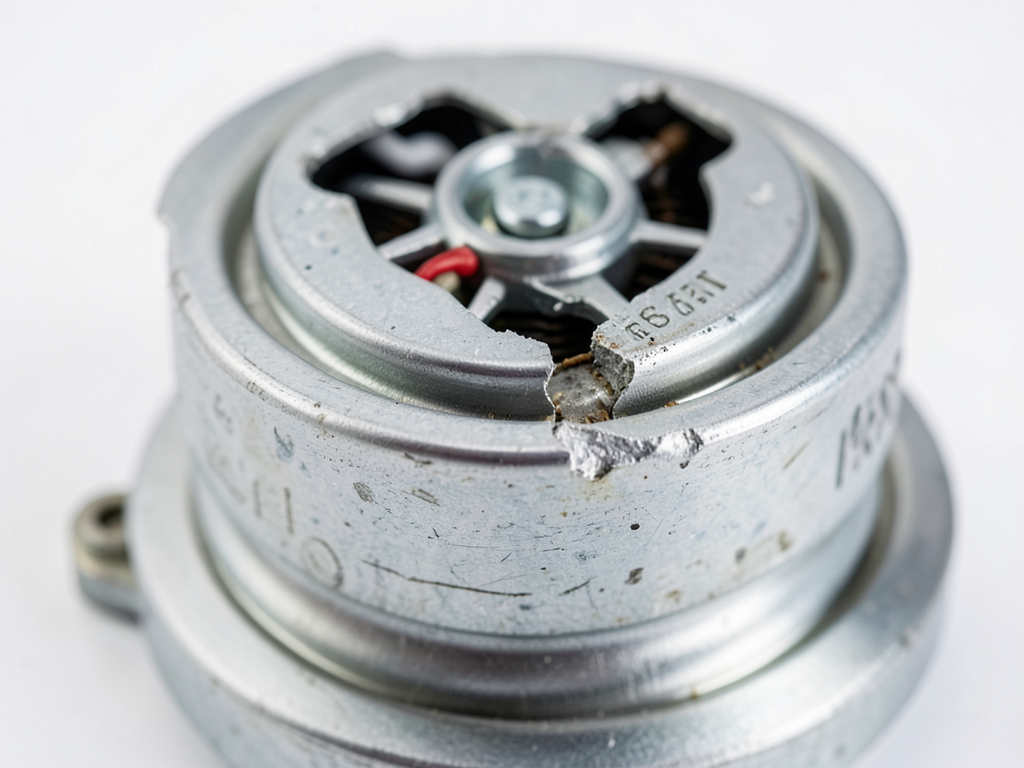
We maintain parts inventory for common commercial equipment found throughout Cincinnati facilities. When your 10-year-old Trane rooftop unit needs a inducer motor on a Saturday, we pull it from stock instead of waiting until Monday for distributor delivery. This parts depth cuts your downtime from days to hours.

Cincinnati's commercial building codes require specific ventilation rates and equipment specifications. We work within these regulations daily. When you need documentation for building inspections or tenant audits, we provide complete maintenance records showing code compliance. Many facility managers discover previous contractors never performed required ventilation measurements or carbon monoxide testing, creating liability during sale or lease transactions.

Our technicians carry EPA Universal certification and factory training on major commercial brands. We service Carrier, Trane, Lennox, York, and Daikin equipment using manufacturer-specific diagnostic procedures. This expertise matters when troubleshooting complex systems where guessing costs you money in unnecessary parts replacement and extended downtime.

Commercial HVAC maintenance plans from Five Star HVAC include transparent pricing with no hidden fees. You know your annual maintenance cost upfront. Labor rates for any needed repairs are contractually fixed, protecting you from emergency service premiums. Parts are billed at our account cost plus a published markup, not retail rates inflated during emergencies.

We have maintained relationships with Cincinnati property management firms, manufacturing facilities, and retail centers for years. These long-term contracts exist because we deliver measurable results in reduced energy costs and eliminated emergency breakdowns.

What Your Commercial Service Agreement Includes

Service Visit Frequency and Response Time

Your agreement specifies quarterly, monthly, or custom visit schedules based on equipment type and operating hours. Critical systems like server room cooling receive monthly attention while standard comfort cooling may need only quarterly service. Emergency calls receive priority dispatch with technicians en route within two hours during business hours. After-hours emergencies get same-day response to minimize business interruption. We schedule routine visits around your operating needs, including weekend or overnight service for 24/7 facilities.

Comprehensive System Inspection and Testing

Each service visit includes mechanical inspection of all moving parts, electrical testing of controls and safeties, and refrigerant circuit analysis. We measure airflow, verify thermostat calibration, and test safety shutoffs. Gas-fired equipment receives combustion analysis to verify efficient operation and safe venting. You receive a detailed report showing all measurements with pass or fail indicators for each component. Issues found during inspection get quoted separately with priority recommendations based on failure risk. This documentation supports your capital planning and provides verification for insurance or lease requirements.

Equipment Performance and Energy Efficiency

Regular maintenance keeps your equipment operating at design efficiency, reducing energy waste and utility costs. Clean coils, proper refrigerant charge, and calibrated controls prevent the 20-40% efficiency loss common in neglected systems. We track your equipment's performance metrics over time to identify gradual degradation that signals approaching component failure. This trending data helps you schedule replacements during planned downtime instead of emergency situations. Many facilities see maintenance agreements pay for themselves through reduced energy consumption alone, with equipment longevity and reduced emergency repair costs providing additional return.

Parts, Labor, and Agreement Coverage

Commercial HVAC service contracts include all labor for scheduled maintenance visits and consumable parts like filters, belts, and contactors up to specified limits. Major component repairs are quoted separately but receive discounted labor rates and priority parts ordering included in your agreement. Many agreements offer optional coverage tiers that include compressor replacement, heat exchanger coverage, or comprehensive parts and labor protection similar to equipment warranties. You choose the coverage level matching your risk tolerance and budget. All agreements include detailed equipment records maintained in our system, providing complete service history valuable during equipment sales or facility transfers.

Frequently Asked Questions

You Have Questions,
We Have Answers

What are the different types of maintenance agreements? +

Commercial maintenance agreements typically fall into three categories. **Preventive maintenance contracts** cover scheduled inspections, filter changes, and system tune-ups to avoid breakdowns. **Full-service agreements** include preventive care plus all repairs, parts, and labor. **Customized hybrid plans** let Cincinnati businesses choose specific coverage based on equipment age, usage patterns, and budget. For facilities with older HVAC systems dealing with Ohio River Valley humidity and temperature swings, full-service plans reduce financial risk. Retail operations may prefer preventive-only contracts. Your agreement type should align with your liability tolerance, operational hours, and equipment criticality. Multi-location businesses often negotiate tiered structures.

What is an example of a commercial agreement? +

A commercial agreement is a legally binding contract between a business and a service provider outlining deliverables, payment terms, and responsibilities. In HVAC, a commercial maintenance agreement specifies service frequency, response times, covered equipment, and exclusions. For example, a Cincinnati office building might contract quarterly inspections, priority emergency response within four hours, and discounted repair labor. The agreement protects both parties by defining scope, pricing structures, and performance metrics. It differs from residential contracts in scale, complexity, and liability considerations. Commercial agreements often include service level agreements, penalty clauses for downtime, and compliance documentation required by property insurers or building codes.

What is the difference between AMC and CAMC? +

**AMC (Annual Maintenance Contract)** covers preventive maintenance only. You pay a fixed annual fee for scheduled inspections, cleaning, and minor adjustments. Parts and repairs cost extra. **CAMC (Comprehensive Annual Maintenance Contract)** includes preventive maintenance plus all repairs, replacement parts, and labor. CAMC offers predictable budgeting and eliminates surprise repair bills, critical for Cincinnati businesses managing seasonal HVAC stress from humid summers and cold winters. AMC works for newer equipment with warranty coverage. CAMC suits older systems or facilities where downtime creates significant liability. CAMC typically costs 40 to 60 percent more upfront but reduces total cost of ownership for aging equipment.

What should a maintenance contract include? +

A maintenance contract must specify **covered equipment** by make, model, and location. Include **service frequency** (monthly, quarterly) and **scope of work** (filter changes, refrigerant checks, belt inspections). Define **response times** for emergency calls and **labor rates** for after-hours service. List **exclusions** clearly (vandalism, electrical supply issues, modifications). Include **termination clauses**, **payment schedules**, and **liability limits**. For Cincinnati commercial properties, address **humidity control** protocols and **freeze protection** measures during Ohio winters. Require documentation of all service visits, including photos and refrigerant logs for EPA compliance. Performance metrics and penalties for missed visits protect your business continuity.

How Cincinnati's Ohio River Valley Climate Impacts Your Commercial HVAC Maintenance Needs

Cincinnati sits in a humid continental climate zone where summer dew points regularly exceed 70 degrees and winter temperatures drop below 20 degrees. This 100-degree annual swing forces commercial HVAC systems through extreme thermal cycling that accelerates wear on mechanical components. The Ohio River Valley's humidity creates constant condensate production during cooling season, making drain line maintenance critical to prevent water damage. Spring and fall bring rapid temperature swings requiring frequent heating-to-cooling transitions that stress reversing valves and control systems. Commercial facilities without planned maintenance agreements experience higher failure rates during these seasonal transitions when equipment works hardest.

Cincinnati's commercial building stock includes everything from renovated Over-the-Rhine historic structures to modern Blue Ash office parks, each with different HVAC configurations and maintenance challenges. Local contractors familiar with these diverse installations provide better service than national companies following generic procedures. We understand how older downtown buildings with rooftop units face different issues than newer suburban facilities with ground-mounted equipment. This local expertise extends to working with Cincinnati building inspectors and understanding Hamilton County commercial property requirements. Commercial HVAC maintenance plans from providers who know Cincinnati's specific challenges deliver better outcomes than one-size-fits-all contracts.
HVAC Services in The Cincinnati Area

Five Star HVAC proudly serves all homes and businesses in the greater Cincinnati area. Our skilled team is ready to respond to your service requests, whether you're in the city center or the surrounding suburbs. Use the map to explore our service area and see how close we are to you. We're committed to providing prompt and dependable service, no matter where you are within our coverage zone.

Address:
Five Star HVAC Cincinnati, 4024 Hamilton Ave, Cincinnati, OH, 45223

Additional Services We Offer

Our news updates

Latest Articles & News from The Blogs

Is Duct Cleaning Worth It for Older Homes in the Gaslight District of Clifton? \n\n Duct cleaning in older Clifton…

Is duct cleaning actually worth it for older homes in the Gaslight District of Clifton?

Is Duct Cleaning Worth It for Older Homes in the Gaslight District of Clifton? \n\n Duct cleaning in older Clifton…

How to ventilate an attached garage in Mason to keep exhaust fumes out of your living room

How to ventilate an attached garage in Mason to keep exhaust fumes out of your living room If you live…

Protecting your expensive HVAC system with whole house surge protection in West Chester

Why West Chester Homes Need Whole House Surge Protection West Chester homeowners face unique electrical challenges that can damage expensive…

Contact Us

Your commercial facility deserves reliable climate control without surprise failures. Call Five Star HVAC Cincinnati at (513) 717-5155 to schedule your equipment assessment and receive a custom maintenance agreement proposal. We will show you exactly how planned maintenance reduces your total HVAC costs while improving system reliability.