Menu

Heat Pump Repair & Installation in Cincinnati – Expert Dual-Fuel Solutions for Ohio River Valley Climate

Five Star HVAC Cincinnati specializes in heat pump repair and installation engineered for the Ohio River Valley's extreme temperature swings, delivering year-round comfort through advanced dual-fuel systems and refrigerant leak detection.

Slider Image 1
Slider Image 2
Slider Image 3
Slider Image 4
Slider Image 5
Slider Image 7
Slider Image 8
Slider Image 9
Slider Image 10
Slider Image 11

Why Cincinnati's Climate Demands Specialized Heat Pump Service

Cincinnati sits in a transitional climate zone where summer humidity can spike above 70 percent and winter temperatures routinely drop below 20 degrees. This range puts unique stress on heat pump systems, which must switch between heating and cooling modes while fighting against Ohio River Valley moisture.

The humidity accelerates corrosion on outdoor coils and condensate drains. The freeze-thaw cycles cause refrigerant line stress, leading to leaks that reduce system efficiency by up to 40 percent. Older heat pumps struggle when the mercury drops below their economic balance point, forcing backup electric resistance heat to kick in and driving up your utility bills.

Many Cincinnati homes in neighborhoods like Hyde Park and Mount Adams rely on heat pump systems because natural gas lines were never installed. These properties depend on a single system for both heating and cooling. When that system fails during a January cold snap or August heat wave, you need immediate heat pump repair from technicians who understand the local climate challenges.

Emergency heat pump repair becomes critical when you lose heating in winter or cooling in summer. A failed reversing valve, seized compressor, or refrigerant leak can leave your home uninhabitable within hours. Heat pump installers in Cincinnati must account for soil conditions around the foundation that affect ground-source systems and proper drainage for condensate lines in our clay-heavy soil.

Heat pump service in Cincinnati requires knowledge of local building codes and the electrical capacity of older homes. Heat pump system installation must integrate with existing ductwork designed for forced-air furnaces, requiring careful airflow calculations to prevent short cycling and temperature stratification.

Why Cincinnati's Climate Demands Specialized Heat Pump Service
How We Diagnose and Repair Heat Pump Systems

How We Diagnose and Repair Heat Pump Systems

Heat pump replacement and repair begins with refrigerant pressure testing across both the high and low sides of the system. We use electronic leak detectors and nitrogen pressure tests to identify leaks in the reversing valve, service ports, and brazed connections that commonly fail in our climate.

We measure superheat and subcooling values to determine if the charge is correct. A system running with low refrigerant will ice up the evaporator coil in cooling mode or fail to deliver adequate heat when outdoor temperatures drop. We test the defrost cycle using amp draw measurements on the defrost control board and visually inspect the defrost thermostat for proper contact.

The reversing valve gets special attention because it switches refrigerant flow direction between heating and cooling modes. A stuck valve prevents mode changes. We test the solenoid coil for proper voltage and listen for the distinctive click that signals valve movement. We check capacitor microfarad ratings on both the compressor and fan motors because weak capacitors cause hard starting and premature component failure.

Ductwork inspection reveals air leaks that reduce system efficiency. We use a digital manometer to measure static pressure and ensure your system moves the correct CFM for your home's square footage. Undersized or leaking ducts force the heat pump to run longer cycles, increasing wear on the compressor.

For heat pump system installation, we calculate Manual J load requirements specific to your home's insulation, window quality, and orientation. Cincinnati's variable climate requires proper sizing to avoid short cycling in mild weather and inadequate capacity during temperature extremes. We install dual-fuel systems that switch to a gas furnace when outdoor temperatures make heat pump operation inefficient, cutting your heating costs significantly.

Our Heat Pump Service Process

Heat Pump Repair & Installation in Cincinnati – Expert Dual-Fuel Solutions for Ohio River Valley Climate
01

System Performance Analysis

We arrive with digital manifold gauges and amperage meters to capture real-time performance data from your heat pump system. Our technicians test refrigerant pressures, measure temperature splits across the coils, and verify electrical values against manufacturer specifications. This diagnostic phase identifies whether you need a simple repair, refrigerant recharge, or complete heat pump replacement. We check your thermostat programming and verify proper communication between indoor and outdoor units.
02

Component Repair or Replacement

Based on diagnostic findings, we repair or replace failed components using OEM parts matched to your system's make and model. This includes compressors, reversing valves, defrost controls, capacitors, and contactors. For refrigerant leaks, we perform nitrogen pressure tests, repair the leak with brazing or flaring techniques, then evacuate the system with a vacuum pump before recharging to exact specifications. We test all repairs under full load conditions before considering the job complete.
03

Performance Verification and Calibration

After repairs or installation, we run the system through complete heating and cooling cycles while monitoring amp draw, refrigerant pressures, and airflow. We verify the defrost cycle operates correctly and check that the reversing valve switches smoothly between modes. You receive a detailed report showing temperature differentials, system efficiency metrics, and refrigerant charge levels. We explain any maintenance recommendations and answer questions about thermostat settings optimized for Cincinnati's climate to maximize your system's lifespan and efficiency.

Why Cincinnati Homeowners Choose Five Star HVAC for Heat Pump Service

Heat pump systems in Cincinnati face challenges that technicians from other regions may not understand. The Ohio River Valley's humidity levels require modified installation techniques for condensate drainage. Our technicians know how to pitch drain lines correctly in homes built on Cincinnati's hillsides where gravity drainage can be compromised by foundation settling.

We work extensively in older Cincinnati neighborhoods where homes lack natural gas service. Properties in East Walnut Hills, Northside, and Price Hill often rely exclusively on heat pumps for climate control. We understand the electrical panel limitations in these older homes and can recommend service upgrades when needed for heat pump system installation.

Local building codes in Hamilton County require specific refrigerant handling procedures and disposal methods. We maintain EPA Section 608 certification and follow Ohio's environmental regulations for refrigerant recovery. Our technicians carry recovery machines on every service call, ensuring we never vent refrigerants during repair work.

We stock parts for the heat pump brands most common in Cincinnati homes, including Carrier, Trane, Lennox, and Rheem systems. This parts inventory means we complete most repairs in a single visit rather than ordering components and scheduling return trips. For emergency heat pump repair, we maintain 24-hour availability because we know that losing heat in January or cooling in August creates genuine safety concerns.

Our experience with dual-fuel systems sets us apart. We have installed hundreds of heat pump and gas furnace combinations that automatically switch based on outdoor temperature and fuel costs. This hybrid approach makes economic sense in Cincinnati's climate where heat pumps become inefficient below 30 degrees. We program the switchover point based on your utility rates and system specifications.

We provide accurate load calculations for heat pump replacement, ensuring your new system matches your home's actual heating and cooling requirements. Oversized systems short cycle and undersized systems run continuously, both reducing equipment lifespan and comfort levels.

What to Expect from Our Heat Pump Services

Response Time and Availability

We dispatch technicians within two hours for emergency heat pump repair calls. Our service vehicles carry the most common replacement parts, including capacitors, contactors, thermostats, and refrigerant. For scheduled heat pump service appointments, we offer same-day or next-day availability depending on the season. Installation projects for complete heat pump system replacement typically require one to two days depending on ductwork modifications and electrical upgrades. We provide arrival time windows and text notifications when our technician is en route to your Cincinnati home.

Comprehensive Diagnostic Process

Your heat pump service begins with a complete system evaluation using digital diagnostic tools. We measure refrigerant pressures, verify electrical values, test capacitor strength, and check airflow across the evaporator coil. For intermittent problems, we may run the system through multiple heating and cooling cycles to replicate the failure. You receive a written diagnostic report explaining what we found, what repairs are necessary, and what maintenance items need attention. We explain all findings in clear terms and answer your questions before starting any repair work. Our goal is to ensure you understand what failed and why.

Quality of Workmanship

All heat pump installation and repair work follows manufacturer specifications and local code requirements. We use nitrogen for pressure testing refrigerant lines, ensuring leak-free connections before charging the system. Refrigerant lines are insulated properly to prevent condensation and efficiency loss. Electrical connections are made with proper gauge wire and secured in junction boxes. We verify that condensate drains flow freely and install overflow switches to prevent water damage if the primary drain clogs. After completing work, we clean up the job site and remove all packaging materials and old components from your property.

Post-Service Support

Heat pump installers at Five Star HVAC Cincinnati provide detailed operating instructions for new systems, including thermostat programming optimized for our local climate. We explain the difference between emergency heat and auxiliary heat settings and when each mode activates. You receive manufacturer documentation for all equipment installed, including model numbers and serial numbers needed for future service. We offer scheduled maintenance plans that include spring and fall system checks, filter replacements, and refrigerant level verification. These maintenance visits catch small problems before they become expensive repairs and keep your heat pump running at peak efficiency through Cincinnati's temperature extremes.

Frequently Asked Questions

You Have Questions,
We Have Answers

What is the average cost of a heat pump installation? +

Heat pump installation costs vary based on system size, efficiency rating, and home configuration. For Cincinnati homes, you can expect total project costs to include the unit, labor, permits, and modifications to existing ductwork. Factors like your home's insulation quality and whether you need supplemental heating for cold winter nights impact the final price. Higher SEER2 ratings reduce energy bills but increase upfront investment. Cincinnati's variable climate means choosing the right tonnage is critical. Get a load calculation done first. Older homes in neighborhoods like Over-the-Rhine may need electrical upgrades, adding to the total.

What is the $5000 rule for HVAC? +

The 5000 dollar rule is a simple calculation to help homeowners decide between repair and replacement. Multiply the age of your HVAC system by the estimated repair cost. If the result exceeds 5000, replacement makes more financial sense. For example, if your 12-year-old heat pump needs 500 dollars in repairs, that equals 6000. Time to replace. Cincinnati's humid summers and freezing winters stress heat pumps harder than mild climates. Older units lose efficiency fast here. This rule helps you avoid throwing money into a system nearing end of life.

How expensive is it to fix a heat pump? +

Heat pump repair costs depend on the specific component failing and labor rates in Cincinnati. Simple fixes like capacitor replacement or refrigerant top-offs cost less than compressor or reversing valve replacements. Diagnostic fees apply before repairs begin. Emergency calls during winter cold snaps or summer heat waves cost more. Cincinnati's freeze-thaw cycles can damage outdoor coils and connections. Ice buildup from improper defrost cycles is common here. Always get a diagnostic assessment first. Some repairs approach half the cost of replacement, making the 5000 dollar rule worth considering.

What is the labor cost to install a heat pump? +

Labor costs for heat pump installation in Cincinnati depend on system complexity, accessibility, and whether ductwork modifications are needed. A straightforward changeout on existing infrastructure takes less time than a full system with new ducts and electrical. Cincinnati's older housing stock often requires additional labor for tight attic access or basement installations. Permit fees and inspections add to the timeline. Expect longer installation times in winter when technicians work in cold outdoor conditions. Multi-zone systems or homes requiring load calculations and duct sealing increase labor hours. Choose experienced installers familiar with Cincinnati building codes.

What is the average lifespan of a heat pump? +

Heat pumps typically last 12 to 15 years in Cincinnati's climate. Our region's temperature extremes stress systems more than moderate climates. Heat pumps work year-round here, providing cooling in humid summers and heating during cold winters. This constant use accelerates wear. Proper maintenance extends lifespan significantly. Annual tune-ups, clean coils, and timely filter changes matter. Homes near the Ohio River face higher humidity, causing coil corrosion faster. Cheaper builder-grade units fail sooner than quality systems. If your heat pump is approaching 12 years and needing frequent repairs, start planning for replacement.

How much does a heat pump cost for a 2000 square foot home? +

For a 2000 square foot Cincinnati home, heat pump costs depend on insulation quality, ceiling height, window efficiency, and layout. Most homes this size need a 3 to 4 ton unit. Two-story homes require careful zone balancing. Older homes in neighborhoods like Mount Adams or Clifton often need duct sealing and insulation upgrades first. Cincinnati's winter lows mean you may want a higher heating capacity or backup heat strips. Open floor plans heat and cool differently than compartmentalized layouts. Get a Manual J load calculation. Proper sizing prevents short cycling and ensures comfort during temperature extremes.

Is a new HVAC system tax deductible in 2025? +

Yes, qualifying HVAC systems may be tax deductible in 2025 under federal energy efficiency incentives. The Inflation Reduction Act provides tax credits for high-efficiency heat pumps meeting specific SEER2 and HSPF2 ratings. You may also qualify for rebates through utility programs serving Cincinnati. Keep all receipts and manufacturer certifications. Credits apply to both equipment and installation costs, with annual caps. Consult a tax professional for your specific situation. Ohio may offer additional state incentives. Combining federal credits with utility rebates can significantly offset heat pump installation costs for Cincinnati homeowners upgrading from older systems.

What is the 3 minute rule for AC? +

The 3 minute rule for AC prevents compressor damage after shutdown. You must wait 3 minutes before restarting your system. This allows refrigerant pressures to equalize inside the compressor. Restarting too quickly causes the compressor to work against unbalanced pressure, risking internal damage and shortened lifespan. Cincinnati homeowners often fiddle with thermostats during unpredictable spring and fall weather. Avoid rapid on-off cycling. Modern systems have built-in delay timers, but older units may not. If your heat pump trips a breaker, wait those 3 minutes before resetting. This simple rule prevents expensive compressor replacement.

What is the best month to buy an HVAC system? +

October and November are ideal months to buy HVAC systems in Cincinnati. Demand drops after summer cooling season ends but before winter heating emergencies spike. You get better contractor availability, more flexible scheduling, and sometimes off-season pricing. Spring can work too, but contractors stay busier with AC tune-ups. Avoid buying during July heat waves or January cold snaps when prices rise and wait times extend. Cincinnati's shoulder seasons offer comfortable temperatures, letting you research options without desperation. Financing promotions often run in fall. Plan ahead instead of waiting for failure during peak demand.

What is the most common problem with heat pumps? +

Refrigerant leaks are the most common heat pump problem in Cincinnati. Vibration from constant heating and cooling cycles loosens connections. Corrosion from humidity accelerates coil deterioration, especially near the Ohio River. Low refrigerant reduces heating and cooling capacity, forcing the system to run longer. Defrost cycle failures also plague Cincinnati heat pumps during winter. Ice buildup on outdoor coils prevents heat transfer. Dirty filters restrict airflow, causing frozen indoor coils. Thermostat issues create comfort problems. Regular maintenance catches refrigerant leaks early before compressor damage occurs. Watch for ice formation, weak airflow, or rising energy bills.

How Cincinnati's Freeze-Thaw Cycles Impact Heat Pump Reliability

Cincinnati experiences an average of 40 freeze-thaw cycles each winter, where temperatures swing above and below 32 degrees within 24-hour periods. These cycles create ice buildup on outdoor heat pump coils that must be removed through defrost cycles. When defrost controls fail, ice accumulation blocks airflow and reduces heating capacity by up to 50 percent. The moisture from these cycles also accelerates corrosion on copper refrigerant lines and aluminum coil fins, particularly in areas near the Ohio River where humidity remains high year-round. Heat pump repair calls spike during January and February when these conditions stress aging systems beyond their capacity.

Cincinnati's HVAC contractors must understand Hamilton County's building codes for refrigerant handling and electrical installations. Five Star HVAC Cincinnati maintains relationships with local supply houses and stays current on code changes that affect heat pump system installation. Our technicians live and work in the Cincinnati area, giving us familiarity with the construction styles and common HVAC challenges in neighborhoods throughout the city. When you call a local company for heat pump service, you get technicians who have worked on systems in homes like yours and understand the specific issues that arise in our climate zone.
HVAC Services in The Cincinnati Area

Five Star HVAC proudly serves all homes and businesses in the greater Cincinnati area. Our skilled team is ready to respond to your service requests, whether you're in the city center or the surrounding suburbs. Use the map to explore our service area and see how close we are to you. We're committed to providing prompt and dependable service, no matter where you are within our coverage zone.

Address:
Five Star HVAC Cincinnati, 4024 Hamilton Ave, Cincinnati, OH, 45223

Additional Services We Offer

Our news updates

Latest Articles & News from The Blogs

How to tell if a bad capacitor is the reason your Hyde Park AC won't start Your Hyde Park home…

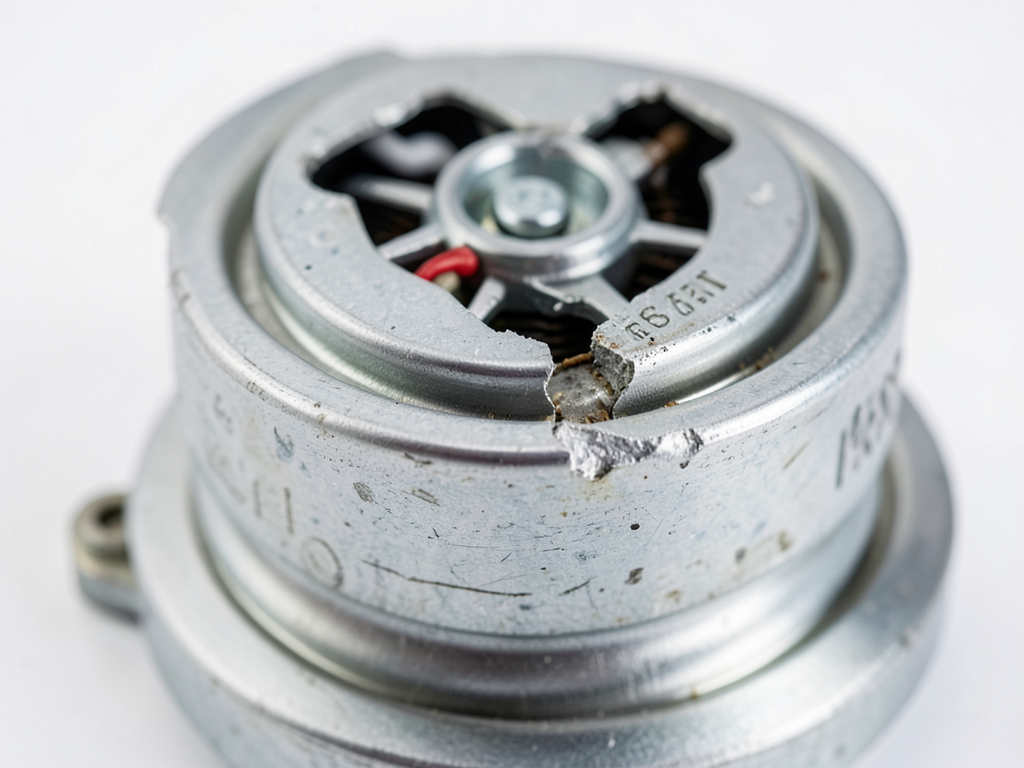
How to tell if a bad capacitor is the reason your Hyde Park AC won't start

How to tell if a bad capacitor is the reason your Hyde Park AC won't start Your Hyde Park home…

Protecting your Downtown loft from the dust of nearby construction projects

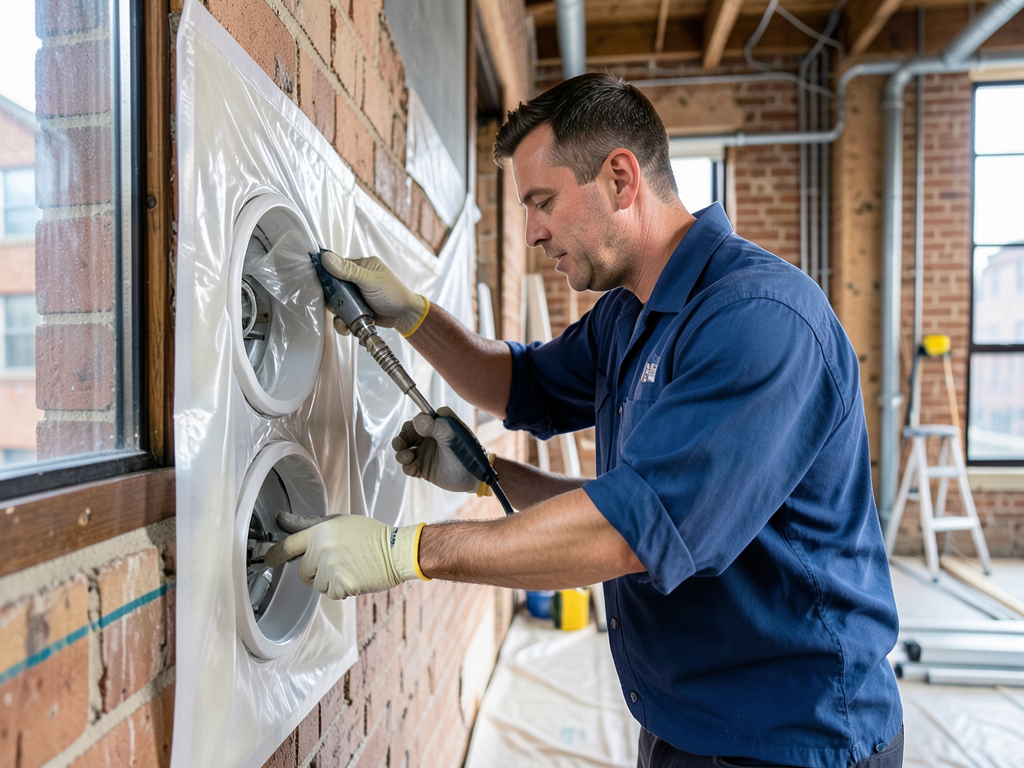
Protecting Your Downtown Loft from Construction Dust Construction dust is more than just a nuisance for Downtown Cincinnati loft owners.…

Preparing your Sharonville HVAC system for a sudden Ohio Valley flash freeze

Preparing your Sharonville HVAC system for a sudden Ohio Valley flash freeze Ohio Valley winters can turn brutal in hours…

Contact Us

Heat pump problems do not fix themselves. Call Five Star HVAC Cincinnati at (513) 717-5155 for immediate service. Our technicians are ready to diagnose and repair your system today. Do not wait until a minor issue becomes a major breakdown.