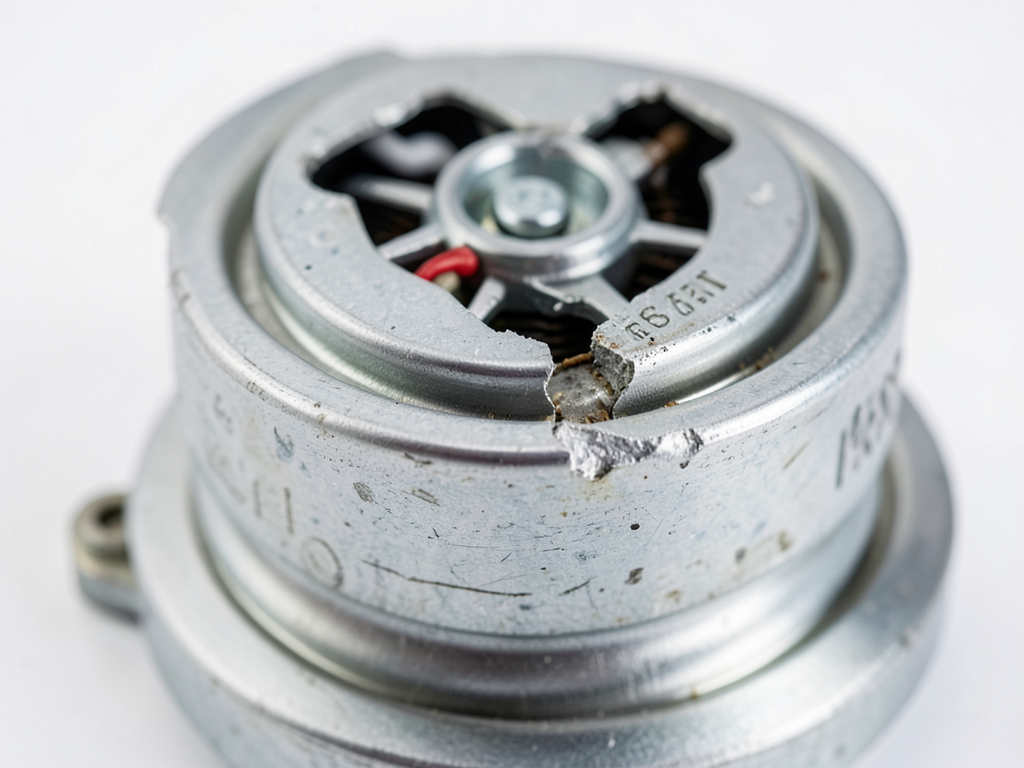
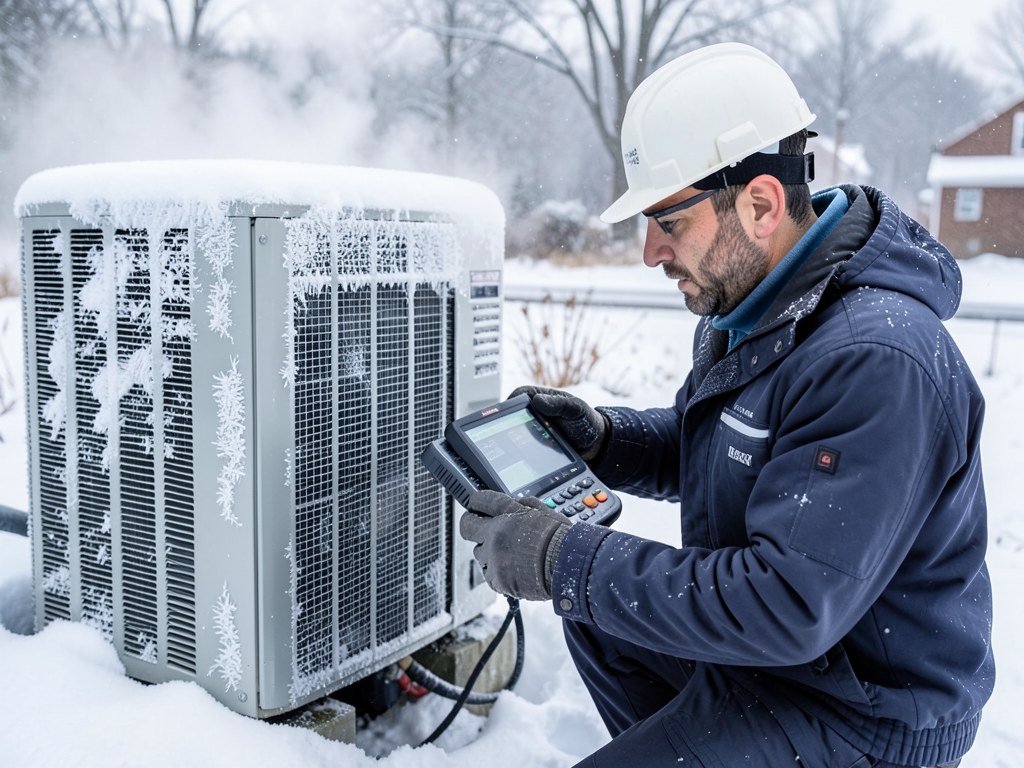
The Ohio River Valley experiences dramatic temperature swings during winter months where daytime highs reach 45 degrees followed by overnight lows near 15 degrees. These rapid freeze-thaw cycles stress furnace components beyond typical wear patterns. Heat exchangers expand and contract repeatedly, causing metal fatigue that leads to cracks. Condensate drain lines freeze solid overnight, then thaw during the day, creating water backup that damages electronic controls. Gas valve diaphragms stiffen in extreme cold and fail to open properly when temperatures plummet. Our emergency furnace repair teams see these specific failure patterns spike during January and February when temperature swings are most severe across Cincinnati.
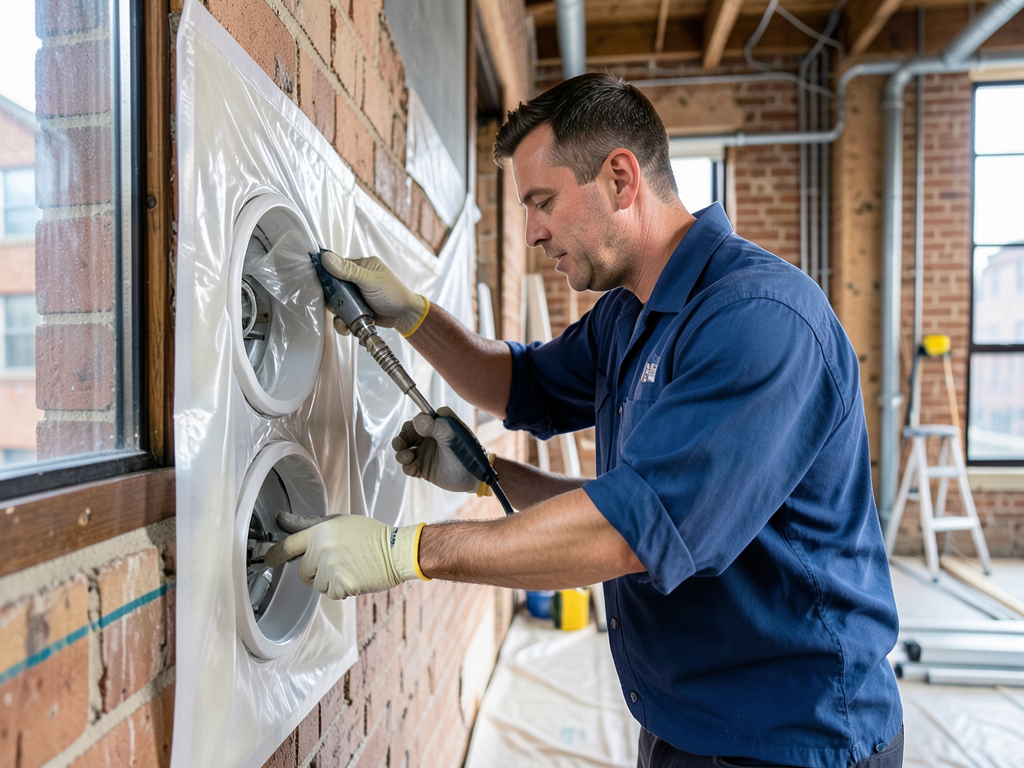
Cincinnati's older neighborhoods contain housing stock that predates modern HVAC installation standards. Furnaces installed in homes built before 1950 often sit in basements with inadequate combustion air supply, causing poor draft and incomplete combustion. Our technicians train specifically on the challenges presented by these installations because textbook repair procedures do not account for the realities of century-old foundation walls and hand-laid brick chimneys. We maintain relationships with local building inspectors who understand these constraints and work with us to ensure emergency repairs meet current safety standards while respecting historic construction. This local expertise matters when you need heat restored quickly without triggering code violations that delay occupancy.