


Loveland sits in the Little Miami River valley where Ohio's humid continental climate creates real stress on heating and cooling systems. Summer temperatures regularly climb into the 90s with humidity that makes your air conditioner work overtime. Winter freezes drop below 20 degrees, forcing furnaces to run constantly just to keep homes comfortable.
The proximity to the Little Miami River adds moisture to the air year-round. This humidity accelerates wear on AC condensers and causes rust in furnace heat exchangers faster than drier climates. Homes near Nisbet Park and along Loveland Madeira Road face higher humidity levels that strain HVAC components.
Loveland's mix of older homes in the historic downtown district and newer construction in developments near Branch Hill Guinea Pike means systems range from 30-year-old units to modern high-efficiency equipment. Older homes often have undersized ductwork or outdated systems that struggle with Ohio's temperature swings. The freeze-thaw cycles in spring and fall cause thermal expansion that loosens refrigerant lines and electrical connections.
When your system fails in Loveland, the temperature inside your home can match outdoor conditions within hours. A broken AC in July means indoor temperatures climbing past 85 degrees. A dead furnace in January means frozen pipes and dangerous cold. That's why fast response matters here.
Five Star HVAC Cincinnati built our reputation on same-day service in Loveland because we know broken comfort systems create real emergencies. We keep fully stocked trucks on the road with the parts that fail most often in Ohio's climate. When you call, we don't schedule you three days out. We dispatch a technician who arrives ready to fix your system today.
Our technicians know Loveland homes. We've worked on the historic houses near the downtown bike trail where original ductwork needs careful modification. We've serviced the newer subdivisions off Remington Way where builder-grade equipment often fails within the first five years. We understand how homes near Paxton Ramsey Park face different airflow challenges than properties on higher ground near Symmes Road.
We don't upsell replacement systems when repairs make sense. Our diagnostic approach identifies the actual problem instead of guessing and replacing parts until something works. If your compressor failed, we tell you that and explain your options clearly. If a $200 capacitor fixes your AC, we replace the capacitor and get you back to comfort. We only recommend full system replacement when repair costs approach the value of a new installation.
Every technician carries digital diagnostic tools that pinpoint refrigerant leaks, electrical failures, and airflow restrictions in minutes. We provide upfront pricing before starting work. No hidden fees. No trip charges that turn into mandatory service calls. Just honest diagnosis and fast repairs from technicians who live and work in the communities we serve around Loveland.

We dispatch technicians within hours of your call because comfort emergencies can't wait days for an appointment. Our trucks stay stocked with common replacement parts for Loveland's most prevalent system failures. Most repairs complete the same day you call, restoring your heating or cooling before temperatures inside your home become unbearable.

We identify the actual problem with digital testing equipment instead of guessing. You get clear explanation of what failed, why it failed, and exact cost to repair before we start work. No pressure to replace systems that still have years of service left. Just honest assessment and straightforward options.
Our technicians carry the parts that fail most often in Ohio's climate. Capacitors, contactors, thermostats, and refrigerant stay loaded in every truck. This means we complete most repairs without leaving your home to hunt for parts. You get faster service and same-day comfort restoration.
We've serviced HVAC systems throughout Loveland's neighborhoods. We know which subdivisions have undersized ductwork and which older homes need special attention for proper airflow. Our technicians understand how local humidity and temperature swings affect system performance. This experience means faster diagnosis and better solutions for your specific situation.
Five Star HVAC Cincinnati handles every aspect of residential heating and cooling in Loveland. From emergency repairs when your system quits to planned maintenance that prevents breakdowns, we provide comprehensive service that keeps your home comfortable year-round.
Our air conditioning repair service tackles everything from refrigerant leaks to failed compressors. We diagnose electrical problems, replace worn contactors, and restore airflow when coils freeze. Central air systems, heat pumps, and ductless mini-splits all get expert service using manufacturer-specific procedures.
Heating repair covers gas furnaces, electric heat pumps, and hybrid dual-fuel systems. We fix ignition failures, replace cracked heat exchangers, and restore proper combustion when efficiency drops. Our technicians clean flame sensors, test pressure switches, and ensure your furnace operates safely through Ohio winters.
HVAC maintenance extends system life and catches small problems before they cause complete failure. Seasonal tune-ups include cleaning coils, checking refrigerant levels, testing electrical connections, and measuring airflow. We identify worn parts during maintenance visits so you can replace them on your schedule instead of during an emergency breakdown. This planned approach saves money and prevents the inconvenience of unexpected system failure during extreme weather when you need comfort most.
When your air conditioner quits in July heat or your furnace stops working on a January night, you need immediate help. Our emergency service responds fast with fully equipped trucks ready to diagnose and repair your system. We handle refrigerant leaks, compressor failures, electrical problems, and ignition issues that cause complete system shutdown. Most emergency repairs complete the same day because we stock the parts that fail most often in Loveland's climate.
Regular maintenance prevents emergency breakdowns and extends your system's working life. Our seasonal tune-ups clean coils, check refrigerant levels, test electrical connections, and measure airflow to ensure peak performance. We catch worn capacitors, loose wiring, and dirty filters before they cause failure. Spring AC checkups and fall furnace inspections keep your system running efficiently and identify problems while they're still small and affordable to fix.
When your system reaches 15-20 years old or needs repairs that cost more than half the price of replacement, new installation becomes the smart choice. We help you select properly sized equipment that matches your home's heating and cooling needs. Our installation includes proper refrigerant charging, airflow testing, and complete system startup. We handle permits and ensure your new system meets current efficiency standards for lower operating costs.
Loveland's humid climate and temperature extremes cause specific HVAC failures that frustrate homeowners every season. The Little Miami River valley traps moisture that corrodes components faster than drier regions. Summer heat waves force air conditioners to run 12-15 hours daily, wearing out contactors and capacitors. Winter cold snaps make furnaces cycle constantly, stressing ignition systems and heat exchangers.
Homes near the river and Loveland Bike Trail face higher humidity that promotes mold growth in ductwork and drain pans. Condensate lines clog more frequently, causing water damage when overflow backs up into air handlers. Older homes in the historic district often have undersized return air ducts that starve systems of proper airflow, making compressors work harder and fail sooner.
The freeze-thaw cycles in spring and fall create unique challenges. Outdoor condensers sit in standing water during heavy rains, accelerating rust in electrical components. Temperature swings cause thermal expansion in refrigerant lines, loosening connections and causing slow leaks that gradually reduce cooling capacity. These slow failures often go unnoticed until your AC can't keep up with summer heat. Understanding these common problems helps you recognize warning signs before minor issues become expensive emergency repairs.
When your AC runs constantly but can't reach the temperature you set, refrigerant levels are usually low from a leak. Small leaks develop in coils and line connections over time. Low refrigerant reduces cooling capacity so your system can't remove enough heat. This problem gets worse as outdoor temperatures climb because your system needs full refrigerant charge to handle peak loads.
Short cycling happens when flame sensors get coated with carbon buildup or heat exchangers crack and trigger safety shutoffs. The furnace ignites but shuts down before completing a full heating cycle. Your home never reaches comfortable temperature because the furnace can't run long enough to heat the space. This wastes energy and puts extra wear on ignition components.
Frozen evaporator coils signal restricted airflow from dirty filters or blocked return ducts. When air can't flow freely across coils, refrigerant doesn't absorb heat properly and temperature drops below freezing. Ice forms on coils and blocks even more airflow. The system runs but produces no cooling. This problem damages compressors if not fixed quickly.
Grinding, squealing, or banging sounds from your outdoor unit indicate failing bearings in the fan motor or loose components inside the cabinet. These noises start quiet and get louder as parts wear. Continuing to run the system with failing bearings leads to complete motor failure and more expensive repairs. Catching these sounds early means replacing worn parts before they destroy other components.
When your HVAC system fails and you call Five Star HVAC Cincinnati, you start a service process designed for speed and transparency. We answer calls promptly and gather information about your problem to dispatch the right technician with appropriate parts. You get a realistic arrival window instead of vague all-day appointments.
Our technicians call when they're en route so you know exactly when to expect service. They arrive in marked trucks with your company name and phone number clearly visible. Each technician carries photo identification and introduces themselves before starting work. We respect your home by wearing shoe covers and using drop cloths to protect floors near work areas.
The diagnostic process includes thorough testing with digital equipment to identify the exact problem. We explain what failed, why it failed, and show you the damaged component when possible. You receive upfront pricing for the recommended repair before any work begins. No surprise charges. No pressure to approve work you don't understand. Just clear explanation and honest pricing so you can make informed decisions about your HVAC system. Our goal is to restore your comfort quickly while treating your home and your budget with respect.
When you call our office, we ask specific questions about your system and symptoms to understand the problem before dispatch. This helps us send a technician with the right skills and parts. You get a realistic arrival window and a call when the technician is on the way. We stay in communication throughout the service process so you're never left wondering when help will arrive.
Our technicians use digital multimeters, refrigerant gauges, and airflow meters to identify problems precisely. We test electrical circuits, measure refrigerant pressures, and check system operation under load. This scientific approach finds the actual problem instead of guessing. You get accurate diagnosis that leads to effective repairs instead of replacing parts until something works by accident.
After diagnosis, we explain what's wrong and provide exact pricing for the repair before starting work. You see the failed part and understand why it needs replacement. We answer questions about repair versus replacement options when relevant. No work begins until you approve the price and understand what we're fixing. This transparency eliminates surprise bills and gives you control over repair decisions.
We've refined our service process to eliminate wasted time and get your system back to working condition as quickly as possible. Each step focuses on accuracy and efficiency so you get reliable results.
Within minutes of your call, we assign a technician and provide an arrival window. Our dispatcher shares your system details and symptoms so the technician arrives prepared. Upon arrival, the technician performs systematic testing to identify the failed component. Digital tools measure electrical current, refrigerant pressure, and airflow to pinpoint problems precisely. You get clear explanation of what failed and why, along with upfront pricing before any repair work begins.
Once you approve the repair, our technician gets to work using proper procedures for your specific equipment. We replace failed parts with quality components designed for Ohio's climate demands. Each repair includes proper brazing techniques for refrigerant lines, correct electrical connections with heat-shrink terminals, and manufacturer-specified torque settings for mechanical fasteners. We don't cut corners that lead to repeat failures. Your system gets repaired right the first time.
After completing repairs, we run your system through full operational cycles to verify proper function. We measure airflow, check refrigerant charge, and monitor electrical draw to ensure everything operates within specifications. You see your system running correctly before we leave. We clean up the work area completely and explain any maintenance steps you should follow to prevent future problems.
Professional HVAC service in Loveland requires adherence to specific technical standards that ensure safe operation and long system life. Ohio's mechanical code mandates proper refrigerant handling under EPA Section 608 regulations. Every technician must hold current EPA certification to legally work with refrigerants. This isn't optional paperwork. Improper refrigerant recovery damages the environment and creates legal liability for homeowners.
Furnace installation and repair in Ohio must follow National Fuel Gas Code NFPA 54 standards. Gas line sizing, combustion air requirements, and venting specifications are calculated based on BTU input and home configuration. Improper venting causes carbon monoxide accumulation that can be fatal. Heat exchanger inspection requires visual examination for cracks or rust perforation that allow combustion gases to mix with household air. Any crack larger than a pin hole requires immediate heat exchanger replacement to prevent dangerous gas leaks.
Air conditioning systems require precise refrigerant charging based on superheat or subcooling measurements, not just pressure readings. Loveland's humidity affects proper charge calculations. Overcharging reduces efficiency and causes compressor failure from liquid slugging. Undercharging makes systems work harder while producing less cooling. Digital manifold gauges with temperature sensors provide accurate measurements that analog gauges can't match.
Ductwork modifications must maintain proper airflow based on Manual D calculations. Return air ducts need one square inch of free area for every CFM of airflow. Restricted returns cause low suction pressure, frozen coils, and compressor failure. Supply duct sizing affects temperature drop across the coil and overall system capacity. These calculations matter more in Loveland's humid climate where improper airflow promotes mold growth in ducts and reduces dehumidification.
Electrical connections follow NEC standards for wire sizing, circuit protection, and disconnect location. AC condensers require dedicated circuits sized for locked rotor amperage, not just running amps. Undersized circuits cause voltage drop that damages compressor motors. All outdoor disconnects must be within sight of the equipment and rated for outdoor use. These details prevent electrical fires and premature equipment failure.
Federal law requires EPA Section 608 certification for any technician who works with refrigerants. This certification proves knowledge of proper recovery, evacuation, and charging procedures. Technicians must use approved recovery equipment to capture refrigerants before opening systems. Venting refrigerants to atmosphere is illegal and carries fines up to $37,500 per violation. Only trust certified technicians with your air conditioning system.
Repair costs depend on which component failed and how accessible it is in your system. A simple capacitor replacement costs far less than a compressor change out. Parts for older discontinued models cost more than current production components. Labor time increases for systems in cramped attics or tight crawl spaces. Refrigerant type affects cost since newer R-410A systems require different equipment than older R-22 units.
Most common repairs like capacitor or contactor replacement take 30-60 minutes once the technician arrives. Refrigerant leak repair and recharge takes 2-4 hours depending on leak location. Compressor replacement requires 4-6 hours for proper evacuation, installation, and charging. Complete furnace heat exchanger replacement takes a full day. Understanding these timelines helps you plan around the repair schedule and know what to expect.
All HVAC work in Ohio must meet state mechanical code requirements based on the International Mechanical Code. This includes proper permits for equipment replacement, correct venting for combustion appliances, and adequate combustion air for furnaces. Gas line work requires pressure testing to ensure leak-free connections. These code requirements protect your safety and ensure insurance claims get honored if problems occur later.
Five Star HVAC Cincinnati explains common heating and cooling problems in Loveland, Ohio homes. This video covers why air conditioners and furnaces fail more often in the Little Miami River valley's humid climate, signs of refrigerant leaks and heat exchanger cracks, and how to prevent emergency breakdowns. Learn about proper HVAC maintenance, what causes frozen coils and short cycling, and why local climate matters for system longevity in Loveland.
Five Star HVAC Cincinnati provides comprehensive heating and cooling service throughout Loveland and the surrounding Little Miami River valley communities. Our service area covers the historic downtown district along West Loveland Avenue where older homes require specialized attention for proper HVAC function. We regularly service properties near Nisbet Park and the Loveland Bike Trail where humidity from the river creates unique challenges for air conditioning systems.
The residential areas along Branch Hill Guinea Pike and Remington Way feature newer construction with modern HVAC equipment that still requires expert service when components fail. We know these subdivisions well and understand the builder-grade equipment commonly installed during construction. Our technicians have worked extensively in the neighborhoods near Paxton Ramsey Park where homes sit on higher ground and face different airflow dynamics than properties in the river valley.
We extend service to communities along State Route 48 including Symmes Township where many Loveland residents actually live. The areas near Kings High School and around Loveland Madeira Road remain within our primary service zone for same-day emergency response. Properties near the Warren County line receive the same fast service as homes in the heart of Loveland because we position service vehicles strategically throughout our coverage area.
Our familiarity with Loveland's mix of architectural styles helps us diagnose problems faster. The older homes with basements and forced air systems require different troubleshooting than ranch homes with crawl spaces and heat pumps. Two-story colonials common in newer subdivisions have different ductwork challenges than the bungalows and cape cods in established neighborhoods. This local knowledge means we arrive understanding your home's probable HVAC configuration before we open the first access panel.
We've built relationships with homeowners throughout Loveland by providing honest service without pressure sales tactics. When you call Five Star HVAC Cincinnati, you get technicians who know your community and understand the specific HVAC challenges created by living near the Little Miami River in southwestern Ohio's variable climate. We're not a distant company covering Loveland as an afterthought. We're your local HVAC service provider focused on keeping this community comfortable year-round.
The $5000 rule is a guideline for deciding whether to repair or replace your HVAC system. Multiply the age of your unit by the repair cost. If the total exceeds $5000, replacement makes more sense than repair. For example, if your 15-year-old system needs a $400 repair, that equals $6000, so you should replace it. In Loveland, where humidity and temperature swings stress equipment, older systems lose efficiency fast. This rule helps you avoid throwing money at a failing unit when a new, efficient system would save you more long term.
Loveland homeowners need a local contractor who responds fast and understands Ohio's humid summers and cold winters. Your best choice should have deep roots in the community, technicians who show up on time, and transparent pricing with no hidden fees. You want a team that can handle both emergency breakdowns in July heat and furnace failures during January freezes. Look for a company that pulls proper permits, follows local building codes, and knows the specific challenges of homes in neighborhoods like Historic Downtown Loveland. Experience with older homes and modern high-efficiency systems matters.
A complete HVAC system replacement typically ranges from $5000 to $12000, depending on your home size, equipment efficiency, and installation complexity. In Loveland, older homes with dated ductwork or no existing AC often cost more due to additional labor and materials. A basic single-stage furnace and air conditioner costs less than a high-efficiency variable-speed system with zoning controls. Factor in ductwork modifications, electrical upgrades, and permit fees. Your final price depends on SEER rating, tonnage, brand, and whether you need ductwork repairs. Get multiple quotes and compare equipment specs, not just price.
The $5000 rule is a guideline for deciding whether to repair or replace your HVAC system. Multiply the age of your unit by the repair cost. If the total exceeds $5000, replacement makes more sense than repair. For example, if your 15-year-old system needs a $400 repair, that equals $6000, so you should replace it. In Loveland, where humidity and temperature swings stress equipment, older systems lose efficiency fast. This rule helps you avoid throwing money at a failing unit when a new, efficient system would save you more long term.
Loveland homeowners need a local contractor who responds fast and understands Ohio's humid summers and cold winters. Your best choice should have deep roots in the community, technicians who show up on time, and transparent pricing with no hidden fees. You want a team that can handle both emergency breakdowns in July heat and furnace failures during January freezes. Look for a company that pulls proper permits, follows local building codes, and knows the specific challenges of homes in neighborhoods like Historic Downtown Loveland. Experience with older homes and modern high-efficiency systems matters.
A complete HVAC system replacement typically ranges from $5000 to $12000, depending on your home size, equipment efficiency, and installation complexity. In Loveland, older homes with dated ductwork or no existing AC often cost more due to additional labor and materials. A basic single-stage furnace and air conditioner costs less than a high-efficiency variable-speed system with zoning controls. Factor in ductwork modifications, electrical upgrades, and permit fees. Your final price depends on SEER rating, tonnage, brand, and whether you need ductwork repairs. Get multiple quotes and compare equipment specs, not just price.
For a 2000 square foot home in Loveland, expect to pay $6000 to $10000 for a complete HVAC replacement. This includes a 2.5 to 3.5 ton air conditioner and matching furnace. Homes with two stories, poor insulation, or large windows may need higher capacity equipment, which increases costs. Older homes in Loveland often require ductwork sealing or replacement, adding $1500 to $3000. High-efficiency systems with variable-speed technology cost more upfront but cut utility bills significantly. Your actual price depends on equipment brand, SEER rating, installation complexity, and ductwork condition.
Yes, new HVAC systems may qualify for federal tax credits in 2025 under the Inflation Reduction Act. High-efficiency systems meeting ENERGY STAR standards can earn you up to $2000 in tax credits. Heat pumps may qualify for even higher credits. You must install qualifying equipment with specific SEER2 and HSPF2 ratings. Keep all receipts and manufacturer certifications for your tax filing. Ohio residents may also qualify for state or utility rebates. Consult a tax professional to confirm eligibility, as rules change annually and depend on your specific equipment and installation details.
A well-maintained HVAC system lasts 15 to 20 years in Loveland. Furnaces typically reach 15 to 20 years, while air conditioners last 12 to 15 years. Ohio's humid summers and freezing winters stress equipment more than moderate climates, shortening lifespan. Heat pumps handle both heating and cooling, so they wear faster, averaging 10 to 15 years. Regular maintenance, clean filters, and prompt repairs extend equipment life. If your system is over 12 years old and needs expensive repairs, replacement often makes more financial sense than prolonging an inefficient, failing unit.
Brands like Trane, Lennox, Carrier, and Rheem consistently deliver 15 to 20 years of reliable service when properly installed and maintained. No single brand outlasts all others. Longevity depends more on correct sizing, professional installation, and regular maintenance than brand name alone. In Loveland, where humidity and temperature extremes stress equipment, proper installation matters more than the label. A cheaper unit installed correctly will outlast a premium brand installed poorly. Focus on SEER ratings, warranty coverage, and local contractor expertise. Your installer's skill determines how long your system actually lasts.
A 16 SEER system is better for Loveland homeowners who plan to stay long term. It costs $1000 to $2000 more upfront but cuts cooling costs by 20 to 25 percent compared to 13 SEER. In Ohio's hot, humid summers, that efficiency adds up. You will recoup the difference in five to seven years through lower utility bills. If you are selling soon, 13 SEER meets code and costs less. If you are staying, 16 SEER pays off through energy savings, better humidity control, and quieter operation. Higher SEER also increases resale value.
Costco partners with Lennox for HVAC installations through their home services program. They offer select Lennox models at competitive prices with installation included. You get Costco's extended warranty and satisfaction guarantee, which adds value. The convenience appeals to some homeowners, but you lose the personalized service of a local Loveland contractor who knows your home and can respond quickly for service calls. Costco uses subcontracted installers, so quality varies by region. For complex installations or older homes, a local contractor often provides better results and ongoing support.
October through March is the best time to buy HVAC equipment in Loveland. Contractors are less busy after summer cooling season ends and before spring rush begins. You get more attention, flexible scheduling, and often better pricing or promotions. Equipment manufacturers offer rebates in fall and winter to move inventory. Avoid buying during emergency breakdowns in July or January when you have no negotiating power. Plan ahead. If your system is over 12 years old, replace it during the off-season before it fails. You will save money and avoid the stress of emergency replacement.
For a 2000 square foot home in Loveland, expect to pay $6000 to $10000 for a complete HVAC replacement. This includes a 2.5 to 3.5 ton air conditioner and matching furnace. Homes with two stories, poor insulation, or large windows may need higher capacity equipment, which increases costs. Older homes in Loveland often require ductwork sealing or replacement, adding $1500 to $3000. High-efficiency systems with variable-speed technology cost more upfront but cut utility bills significantly. Your actual price depends on equipment brand, SEER rating, installation complexity, and ductwork condition.
Yes, new HVAC systems may qualify for federal tax credits in 2025 under the Inflation Reduction Act. High-efficiency systems meeting ENERGY STAR standards can earn you up to $2000 in tax credits. Heat pumps may qualify for even higher credits. You must install qualifying equipment with specific SEER2 and HSPF2 ratings. Keep all receipts and manufacturer certifications for your tax filing. Ohio residents may also qualify for state or utility rebates. Consult a tax professional to confirm eligibility, as rules change annually and depend on your specific equipment and installation details.
A well-maintained HVAC system lasts 15 to 20 years in Loveland. Furnaces typically reach 15 to 20 years, while air conditioners last 12 to 15 years. Ohio's humid summers and freezing winters stress equipment more than moderate climates, shortening lifespan. Heat pumps handle both heating and cooling, so they wear faster, averaging 10 to 15 years. Regular maintenance, clean filters, and prompt repairs extend equipment life. If your system is over 12 years old and needs expensive repairs, replacement often makes more financial sense than prolonging an inefficient, failing unit.
Brands like Trane, Lennox, Carrier, and Rheem consistently deliver 15 to 20 years of reliable service when properly installed and maintained. No single brand outlasts all others. Longevity depends more on correct sizing, professional installation, and regular maintenance than brand name alone. In Loveland, where humidity and temperature extremes stress equipment, proper installation matters more than the label. A cheaper unit installed correctly will outlast a premium brand installed poorly. Focus on SEER ratings, warranty coverage, and local contractor expertise. Your installer's skill determines how long your system actually lasts.
A 16 SEER system is better for Loveland homeowners who plan to stay long term. It costs $1000 to $2000 more upfront but cuts cooling costs by 20 to 25 percent compared to 13 SEER. In Ohio's hot, humid summers, that efficiency adds up. You will recoup the difference in five to seven years through lower utility bills. If you are selling soon, 13 SEER meets code and costs less. If you are staying, 16 SEER pays off through energy savings, better humidity control, and quieter operation. Higher SEER also increases resale value.
Costco partners with Lennox for HVAC installations through their home services program. They offer select Lennox models at competitive prices with installation included. You get Costco's extended warranty and satisfaction guarantee, which adds value. The convenience appeals to some homeowners, but you lose the personalized service of a local Loveland contractor who knows your home and can respond quickly for service calls. Costco uses subcontracted installers, so quality varies by region. For complex installations or older homes, a local contractor often provides better results and ongoing support.
October through March is the best time to buy HVAC equipment in Loveland. Contractors are less busy after summer cooling season ends and before spring rush begins. You get more attention, flexible scheduling, and often better pricing or promotions. Equipment manufacturers offer rebates in fall and winter to move inventory. Avoid buying during emergency breakdowns in July or January when you have no negotiating power. Plan ahead. If your system is over 12 years old, replace it during the off-season before it fails. You will save money and avoid the stress of emergency replacement.
Five Star HVAC proudly serves all homes and businesses in the greater Cincinnati area. Our skilled team is ready to respond to your service requests, whether you're in the city center or the surrounding suburbs. Use the map to explore our service area and see how close we are to you. We're committed to providing prompt and dependable service, no matter where you are within our coverage zone.
Address:
Loveland, OH, 45140
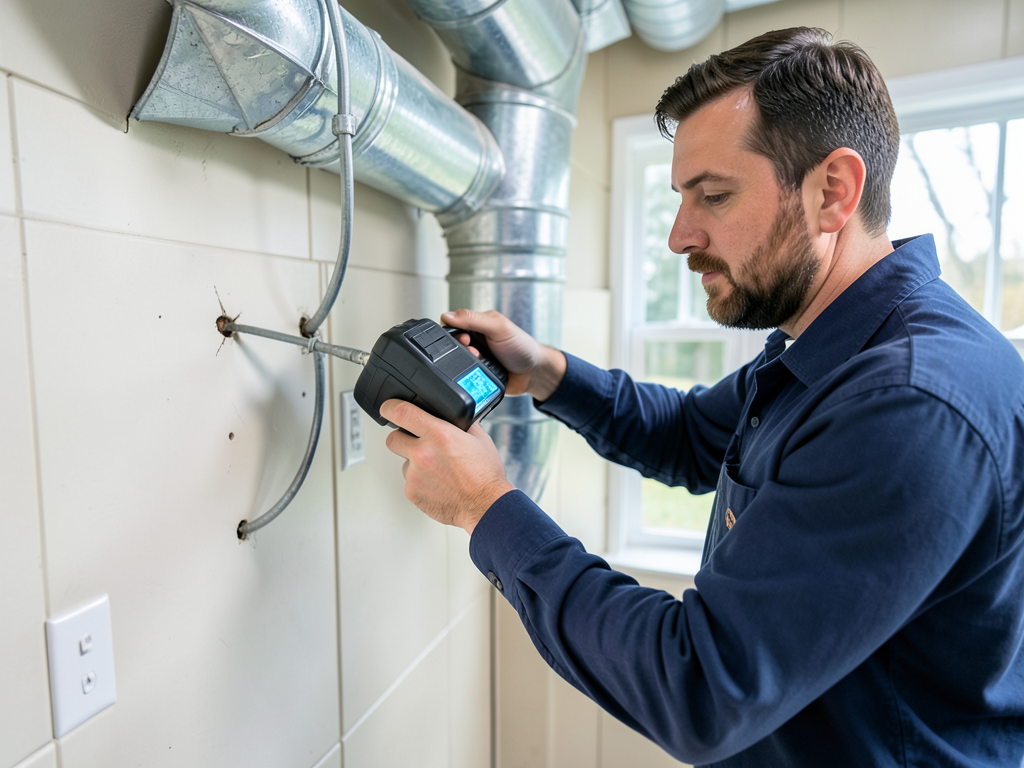
Why squirrels and chipmunks love to nest in Milford HVAC systems (And how to stop them) Squirrels and chipmunks in Milford often target HVAC systems because they offer warmth, shelter, and easy access to nesting…
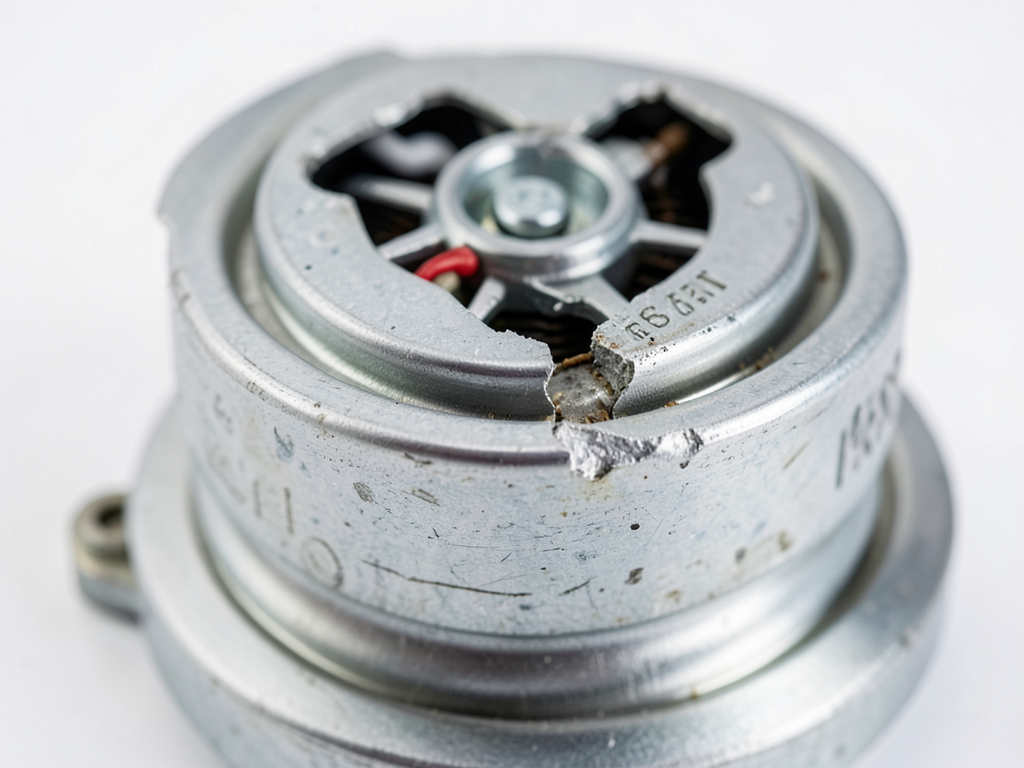
How to tell if a bad capacitor is the reason your Hyde Park AC won't…
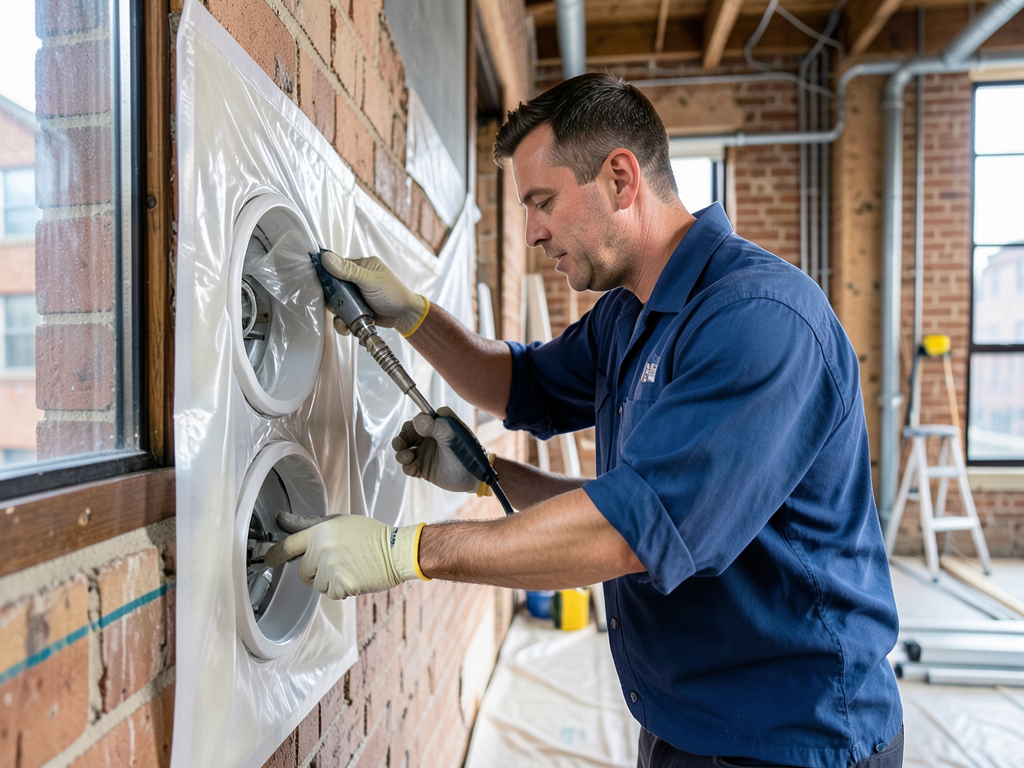
Protecting Your Downtown Loft from Construction Dust Construction dust is more than just a nuisance…
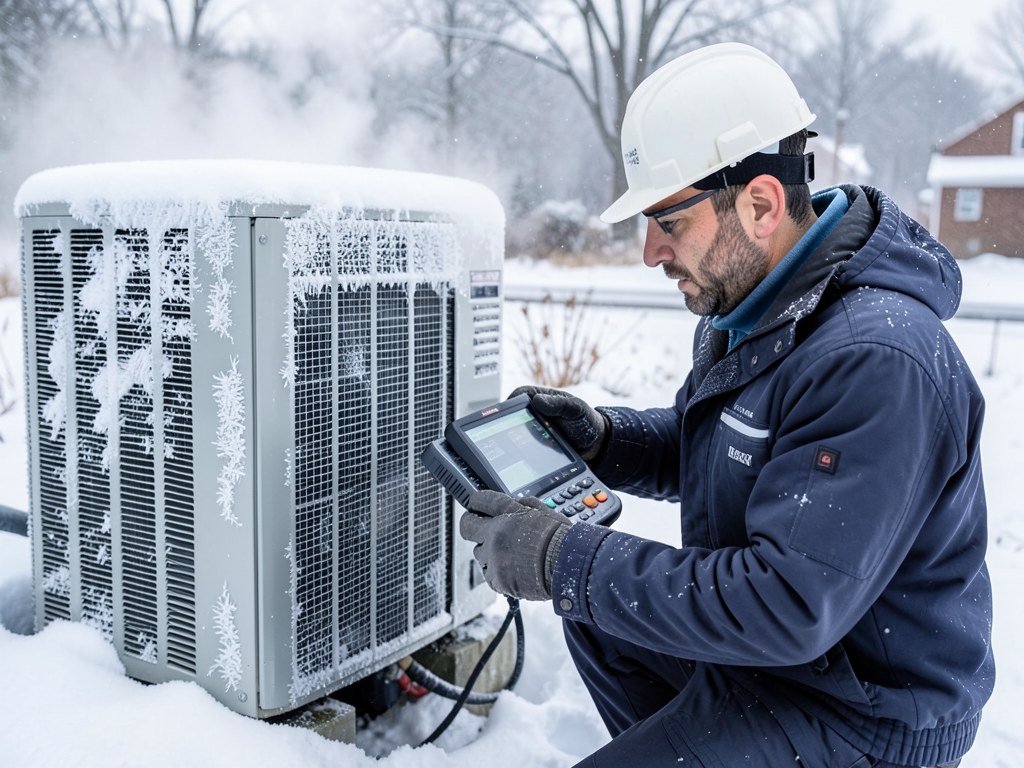
Preparing your Sharonville HVAC system for a sudden Ohio Valley flash freeze Ohio Valley winters…
Your comfort can't wait for a convenient appointment three days from now. Call Five Star HVAC Cincinnati at (513) 717-5155 right now for same-day service in Loveland. Our technicians arrive ready to diagnose your problem and restore your heating or cooling today.