Menu

Uneven Heating or Cooling in Cincinnati | Expert Diagnosis and Permanent Solutions for Temperature Imbalance

Five Star HVAC Cincinnati solves hot and cold spots through precision airflow analysis and system balancing, restoring consistent room temperatures throughout your home without unnecessary equipment replacement.

Slider Image 1
Slider Image 2
Slider Image 3
Slider Image 4
Slider Image 5
Slider Image 7
Slider Image 8
Slider Image 9
Slider Image 10
Slider Image 11

Why Cincinnati Homes Struggle With Temperature Consistency

You set your thermostat to 72 degrees, but your bedroom feels like 68 while your living room hits 76. Different temperatures in each room make your home uncomfortable and drive up energy bills as your system runs longer trying to satisfy that single thermostat reading.

Cincinnati's older housing stock creates specific challenges for even airflow distribution. Many homes in neighborhoods like Hyde Park, Mount Lookout, and Clifton feature multi-story layouts with additions built decades after the original structure. These renovations often expanded living space without upgrading ductwork capacity, creating undersized supply runs that starve certain rooms of conditioned air.

The region's humidity swings between summer and winter compound the problem. High summer humidity makes already-warm rooms feel oppressive, while winter dryness amplifies cold spots in poorly heated areas. Home temperature imbalance becomes more noticeable when outdoor conditions stress your HVAC system.

Inconsistent room temperatures usually indicate airflow problems, not equipment failure. Your furnace or air conditioner might work perfectly, but if ductwork leaks 20-30% of conditioned air into your attic or crawlspace, some rooms never receive adequate heating or cooling. Closed or blocked vents, undersized return grilles, and improperly sized duct runs all contribute to hot and cold spots throughout your home.

The problem rarely fixes itself. As your system ages and duct seals deteriorate, temperature variations typically worsen. Rooms furthest from your equipment suffer first, but eventually even spaces near your furnace experience uneven airflow distribution as system imbalances cascade through your entire home.

Why Cincinnati Homes Struggle With Temperature Consistency
How We Diagnose and Correct Temperature Imbalances

How We Diagnose and Correct Temperature Imbalances

We start with comprehensive airflow testing using a digital manometer to measure static pressure throughout your duct system. High static pressure indicates restricted airflow, pinpointing whether your problem stems from undersized ductwork, dirty coils, clogged filters, or closed dampers. We measure supply register output in each room, comparing actual CFM delivery against design requirements for your square footage.

Our technicians inspect your entire duct system from the plenum to each branch line. We identify disconnected sections, crushed flex duct, missing dampers, and inadequate insulation that allows temperature loss before conditioned air reaches living spaces. Many Cincinnati homes have ductwork running through unconditioned attics where summer temperatures exceed 130 degrees and winter temps drop below freezing. Uninsulated or poorly sealed ducts in these spaces lose massive amounts of heating and cooling before air ever reaches your rooms.

We evaluate your system's zoning capability and equipment sizing. A single-zone system controlled by one thermostat cannot effectively condition a multi-story home with varying sun exposure and occupancy patterns. We assess whether your blower motor provides sufficient power to push air through your entire duct network, or if inadequate fan speed creates the uneven distribution you experience.

Duct sealing with mastic compound addresses leakage points at connections and joints. We balance airflow by adjusting dampers in branch lines, increasing supply to underserved rooms while reducing flow to overheated spaces. For severely undersized ductwork, we calculate proper sizing and install additional runs or upgrade trunk lines to match your system's capacity.

We verify proper return air pathways. Many homes lack adequate return grilles, creating negative pressure that restricts airflow and forces your system to work harder while delivering less comfort.

What Happens During Your Temperature Balance Service

Uneven Heating or Cooling in Cincinnati | Expert Diagnosis and Permanent Solutions for Temperature Imbalance
01

Whole-Home Airflow Assessment

Our technician measures temperature differentials between rooms and tests static pressure at multiple points in your duct system. We document airflow at each supply register using calibrated instruments, identifying which rooms receive inadequate CFM for their size. This diagnostic phase reveals whether your problem stems from equipment limitations, duct design flaws, or system leakage requiring different corrective approaches.
02

Duct System Inspection

We access your ductwork through available entry points, inspecting trunk lines, branch runs, and connections for damage or design deficiencies. Flexible duct compressed by storage items, disconnected sections leaking into crawlspaces, and improperly sized transitions all get documented. We identify missing dampers that prevent room-by-room airflow adjustment and note any existing dampers positioned incorrectly or seized from decades without movement.
03

System Correction and Verification

We seal duct leaks with professional-grade mastic, adjust or install dampers for proper distribution, and verify your blower delivers adequate airflow for total system demand. After corrections, we retest each room to confirm balanced temperatures throughout your home. You receive documentation showing before and after measurements, proving the temperature consistency improvements you will experience once your system runs through complete heating or cooling cycles.

Why Cincinnati Homeowners Trust Our Temperature Solutions

Five Star HVAC Cincinnati understands how local architecture affects comfort. We have corrected airflow problems in century-old Victorian homes in Northside, split-level ranch houses throughout Deer Park, and sprawling colonials in Anderson Township. Each architectural style presents unique ductwork challenges that require specific solutions based on accessible routing options and structural limitations.

Our technicians recognize when existing equipment simply cannot deliver adequate comfort for your home's layout. We provide honest assessments about whether balancing will solve your temperature imbalance or if you need system upgrades. Many companies push expensive replacements when duct modifications would restore comfort at a fraction of the cost. We explain your options clearly so you can make informed decisions.

We know Cincinnati's building practices from different decades. Homes built in the 1960s often feature undersized ductwork that met lower efficiency standards but cannot handle modern high-efficiency equipment airflow requirements. Additions built in the 1990s sometimes tap into existing trunk lines without increasing capacity, starving original rooms when the system runs. We have solved these exact scenarios hundreds of times across greater Cincinnati.

Our diagnostic approach prevents wasted money on ineffective fixes. Homeowners often add zoning systems or replace equipment hoping to solve hot and cold spots, only to discover the real culprit was 30% duct leakage or closed dampers someone adjusted years ago and forgot. We identify root causes before recommending solutions, ensuring the work we perform actually resolves your comfort problems.

You get detailed explanations about what we find and why it matters. We show you crushed ductwork in photos, explain static pressure readings in plain language, and demonstrate how airflow deficiencies create the temperature variations you experience daily.

What to Expect From Temperature Balance Service

Service Timeline and Scheduling

Diagnostic visits typically require two to three hours depending on your home's size and duct system accessibility. We schedule appointments within two to three business days for non-emergency temperature balance concerns. If diagnostics reveal straightforward damper adjustments or minor sealing, we often complete corrections during the same visit. More extensive duct modifications or additions require return visits scheduled based on material acquisition and your availability. We provide time estimates after completing our assessment so you can plan accordingly.

Comprehensive System Evaluation

Our evaluation includes equipment inspection to rule out failing components that might contribute to uneven heating or cooling. We check your blower motor capacitor, verify proper refrigerant charge in cooling mode, and confirm your furnace heat exchanger delivers consistent output. We inspect air filters, clean blower wheels if needed, and verify your thermostat placement does not create false readings that affect system operation. You receive a complete picture of your HVAC system's condition, not just ductwork analysis, ensuring we address all factors affecting temperature consistency.

Measurable Comfort Improvements

After we complete airflow corrections, you should notice temperature differences between rooms decrease to within two to three degrees rather than the five to ten degree swings you currently experience. Your system will run for appropriate cycle lengths instead of short cycling or running continuously. Rooms that previously felt stuffy or drafty will match your thermostat setting more closely. These improvements typically become evident within the first 24 hours of system operation after our service, with full optimization achieved after several complete heating or cooling cycles.

Ongoing Performance Support

We provide guidance on seasonal damper adjustments if your system includes manual controls for balancing airflow between floors or zones. You receive recommendations for filter replacement frequency based on your specific system and household conditions. If temperature imbalances return after our corrections, we investigate whether new factors like closed vents, furniture blocking registers, or system wear have created fresh problems. Our goal is sustained comfort, not temporary fixes that fail after one season.

Frequently Asked Questions

You Have Questions,
We Have Answers

Is uneven heating normal? +

Minor temperature variation between rooms is normal, but significant uneven heating signals a problem. You should not have one room at 68 degrees while another sits at 75 on the same thermostat setting. Common causes include blocked vents, dirty air filters, ductwork leaks, or an undersized HVAC system. In Cincinnati homes, older ductwork in basements can develop leaks or poor insulation, causing heat loss before air reaches upstairs rooms. If you notice temperature swings exceeding 3-4 degrees between spaces, you need a professional inspection. Ignoring this issue wastes energy and money on your utility bills.

Is 70 heat the same as 70 cool? +

No. Your furnace heats air to around 120-140 degrees and your air conditioner cools it to around 55 degrees at the register. The thermostat reads 70 degrees in both cases, but the delivery method differs. Heating warms from below and rises, while cooling falls from above. This creates different comfort perceptions. Cincinnati's humid summers make 70 degrees feel warmer than 70 in dry winter air. Your body also radiates heat differently in winter versus summer. The thermostat number matches, but the physics and your comfort do not align the same way between seasons.

How do you fix a house temperature imbalance? +

Start by checking air filters and replacing them if dirty. Walk through your home and ensure all supply vents are open and unblocked by furniture or curtains. Check return air vents for obstructions. If temperatures still vary widely, you likely have ductwork issues, insulation problems, or need zone control. In Cincinnati's older neighborhoods with multi-story homes, heat naturally rises, leaving basements cold. A professional load calculation determines if your system is properly sized. Duct sealing, damper adjustments, or adding a zoning system with multiple thermostats often solves persistent imbalances. Do not attempt ductwork repairs yourself.

What is the $5000 rule for HVAC? +

The $5000 rule is an outdated guideline suggesting you multiply your system's age by repair cost. If that number exceeds $5000, you should replace instead of repair. A 10-year-old unit needing a $600 repair equals $6000, suggesting replacement. This rule oversimplifies your decision. Consider efficiency ratings, refrigerant type, and remaining lifespan. Cincinnati's temperature extremes stress HVAC systems. If your unit uses R-22 refrigerant or rates below 14 SEER, replacement often makes better financial sense than major repairs. Get multiple opinions before deciding. Focus on long-term operating costs, not just the immediate repair bill.

Why is half my house hot and half cold? +

This happens when your ductwork has leaks, poor insulation, or improper damper settings. In Cincinnati's two-story homes, hot air naturally rises, but severe imbalances indicate mechanical problems. Check if your air handler or furnace sits in an unconditioned space like a basement or attic. Leaky ducts in these areas waste conditioned air before it reaches living spaces. Closed or blocked vents in certain rooms force air elsewhere. Your system may also be undersized for your square footage. A duct pressure test identifies leaks. Balancing dampers in your ductwork can redirect airflow to problem areas.

Do I need a plumber to balance my radiators? +

No. Balancing radiators is a straightforward DIY task if you have a basic understanding of your system. You adjust the lockshield valve on each radiator to control flow. Start by fully opening all radiator valves, then partially close valves on radiators closest to your boiler. This forces more hot water to radiators farther away. However, if you have leaks, air pockets, or your boiler cycles constantly, call an HVAC technician. Cincinnati homes with older boiler systems may need bleeding or pressure adjustments. You can balance valves yourself, but system repairs require professional expertise and tools.

What is the 3 minute rule for AC? +

The 3-minute rule prevents compressor damage. After your air conditioner shuts off, wait at least 3 minutes before restarting it. This allows refrigerant pressure to equalize throughout the system. Restarting too quickly forces the compressor to start against high pressure, which can damage internal components or blow a fuse. Most modern thermostats have built-in delay protection. Rapid cycling also indicates problems like a dirty filter, refrigerant leak, or oversized unit. If your system short-cycles in Cincinnati's humid summers, you need a technician to diagnose the root cause before compressor failure occurs.

Why does my house feel cold at 73 in winter? +

Winter cold feels different than summer cold because of radiant heat loss and humidity. Your body radiates heat to cold walls, windows, and floors, making you feel chilly even when air temperature reads 73 degrees. Cincinnati winters bring low humidity, which makes air feel cooler on your skin. Poor insulation or drafty windows in older homes amplify this effect. Your furnace also creates drier indoor air, which conducts heat away from your body faster. Single-pane windows act as cold radiators. Adding humidity, sealing air leaks, and insulating exterior walls help you feel warmer without raising the thermostat.

How long should it take to cool a house from 78 to 74? +

A properly sized air conditioner should lower indoor temperature about 1 degree every 15-20 minutes under normal conditions. Cooling from 78 to 74 degrees should take 60-80 minutes. If your system takes significantly longer, you have a problem. Possible causes include low refrigerant, dirty coils, undersized equipment, or poor insulation. Cincinnati's summer humidity makes cooling harder because your AC must remove moisture and lower temperature. If outdoor temperature exceeds 95 degrees, expect slower cooling. Systems struggle when outdoor and indoor temperature differences exceed 20 degrees. Longer cooling times waste energy and signal needed maintenance or repairs.

What are the signs of a poorly insulated house? +

Watch for uneven room temperatures, high energy bills, drafts near walls or outlets, and ice dams on your roof in winter. In Cincinnati, poorly insulated attics cause hot upstairs rooms in summer and cold rooms in winter. Check for cold walls and floors, which indicate missing insulation. Condensation on windows suggests air leaks and inadequate insulation. Listen for outside noise penetrating easily. Your HVAC system will run constantly trying to maintain temperature. Attic insulation should meet R-38 minimum for Cincinnati's climate zone. Basement rim joists are common insulation weak points in older homes, allowing cold air infiltration.

How Cincinnati's Housing Diversity Complicates Temperature Balance

Greater Cincinnati features extreme housing variety, from compact 1,200 square foot bungalows in Northside to sprawling 4,000 square foot homes in West Chester. Many neighborhoods blend architectural styles from different eras, with ranch homes from the 1970s sitting beside new construction and renovated Victorians. This diversity means duct systems follow no standard configuration. We routinely encounter homes where original gravity heating systems were retrofitted with forced air using undersized ductwork never designed for air conditioning, creating hot and cold spots every summer when cooling demands exceed distribution capacity.

Our experience across Cincinnati, Northern Kentucky, and surrounding communities gives us insight into regional HVAC installation practices spanning six decades. We understand how local contractors routed ductwork in split-level homes popular in Blue Ash and Mason, where vertical distribution between levels creates natural airflow challenges. We know the common shortcuts taken during basement finishes that restrict return air pathways. This familiarity allows us to diagnose temperature imbalance causes faster and propose corrections that work within your home's existing structure and mechanical constraints.
HVAC Services in The Cincinnati Area

Five Star HVAC proudly serves all homes and businesses in the greater Cincinnati area. Our skilled team is ready to respond to your service requests, whether you're in the city center or the surrounding suburbs. Use the map to explore our service area and see how close we are to you. We're committed to providing prompt and dependable service, no matter where you are within our coverage zone.

Address:
Five Star HVAC Cincinnati, 4024 Hamilton Ave, Cincinnati, OH, 45223

Additional Services We Offer

Our news updates

Latest Articles & News from The Blogs

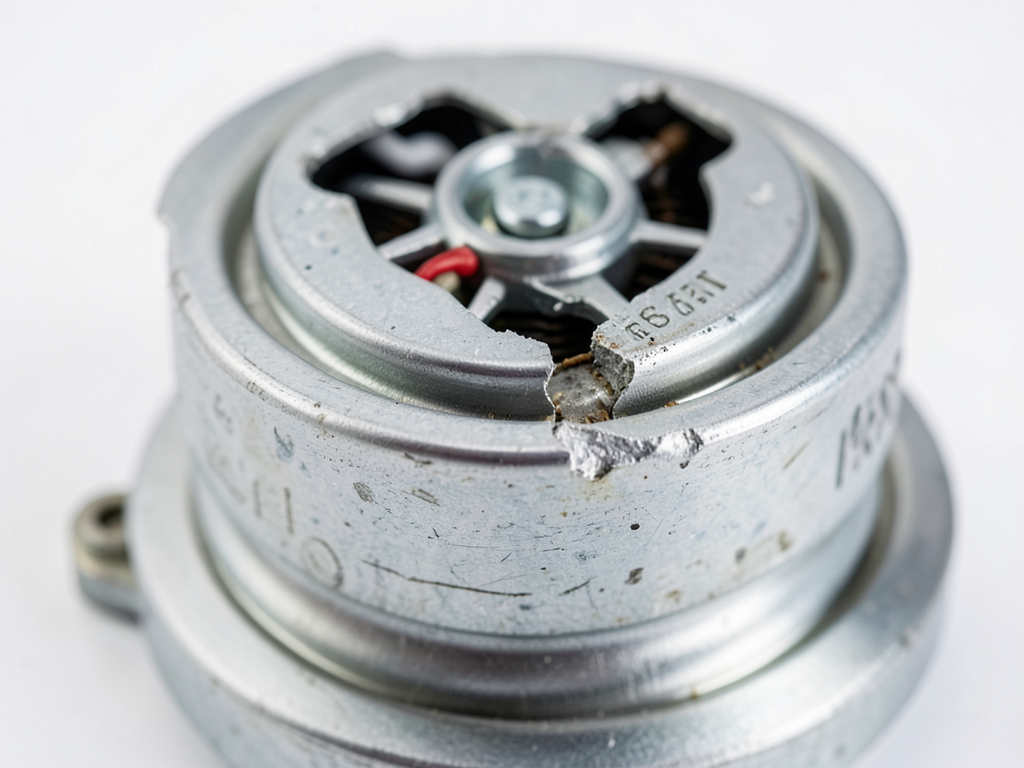
How to tell if a bad capacitor is the reason your Hyde Park AC won't start Your Hyde Park home…

How to tell if a bad capacitor is the reason your Hyde Park AC won't start

How to tell if a bad capacitor is the reason your Hyde Park AC won't start Your Hyde Park home…

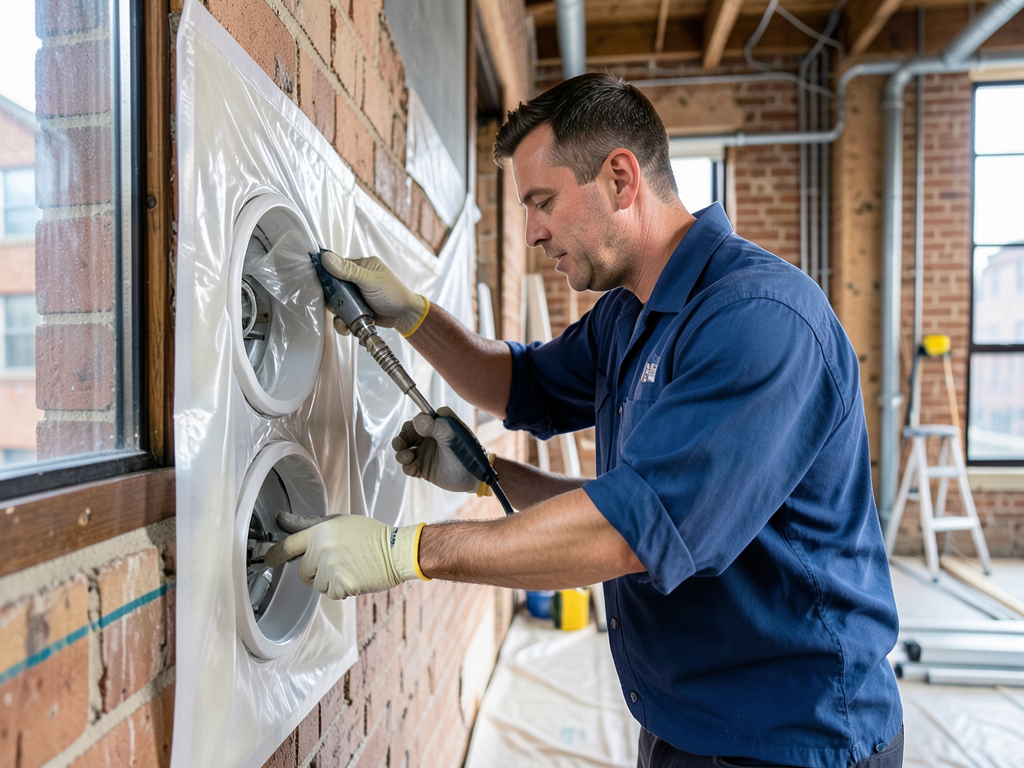
Protecting your Downtown loft from the dust of nearby construction projects

Protecting Your Downtown Loft from Construction Dust Construction dust is more than just a nuisance for Downtown Cincinnati loft owners.…

Preparing your Sharonville HVAC system for a sudden Ohio Valley flash freeze

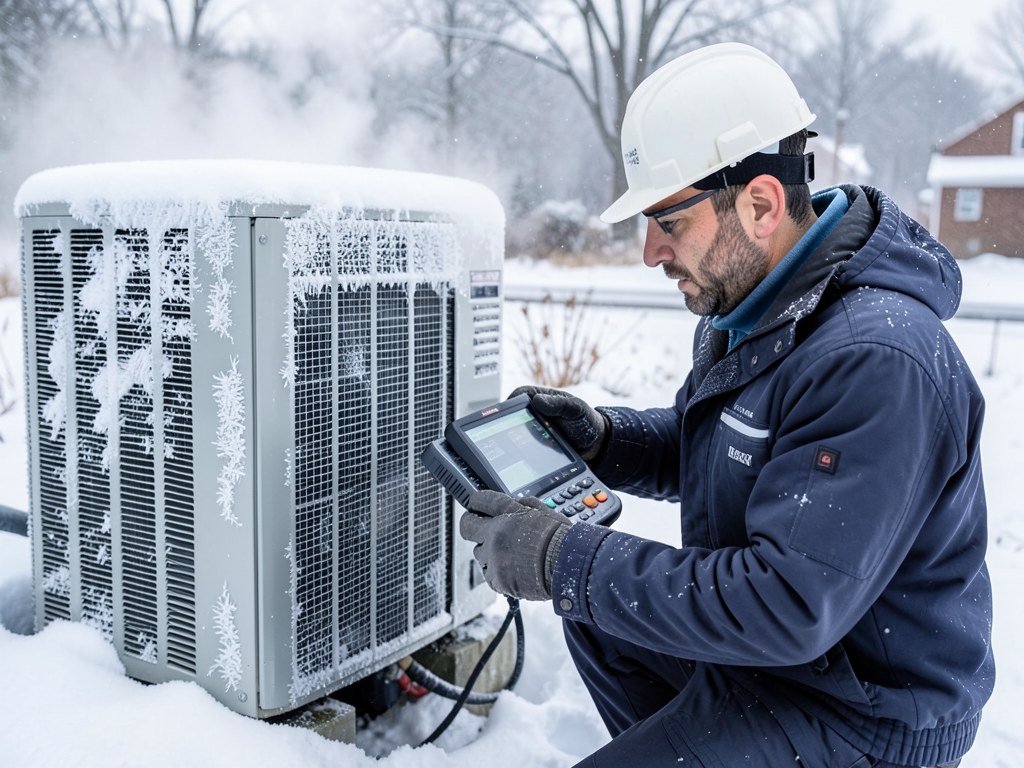
Preparing your Sharonville HVAC system for a sudden Ohio Valley flash freeze Ohio Valley winters can turn brutal in hours…

Contact Us

Stop adjusting your thermostat hoping for better results. Call Five Star HVAC Cincinnati at (513) 717-5155 for professional temperature balance diagnostics. We identify the real cause of your hot and cold spots and provide solutions that restore comfort throughout your entire home.