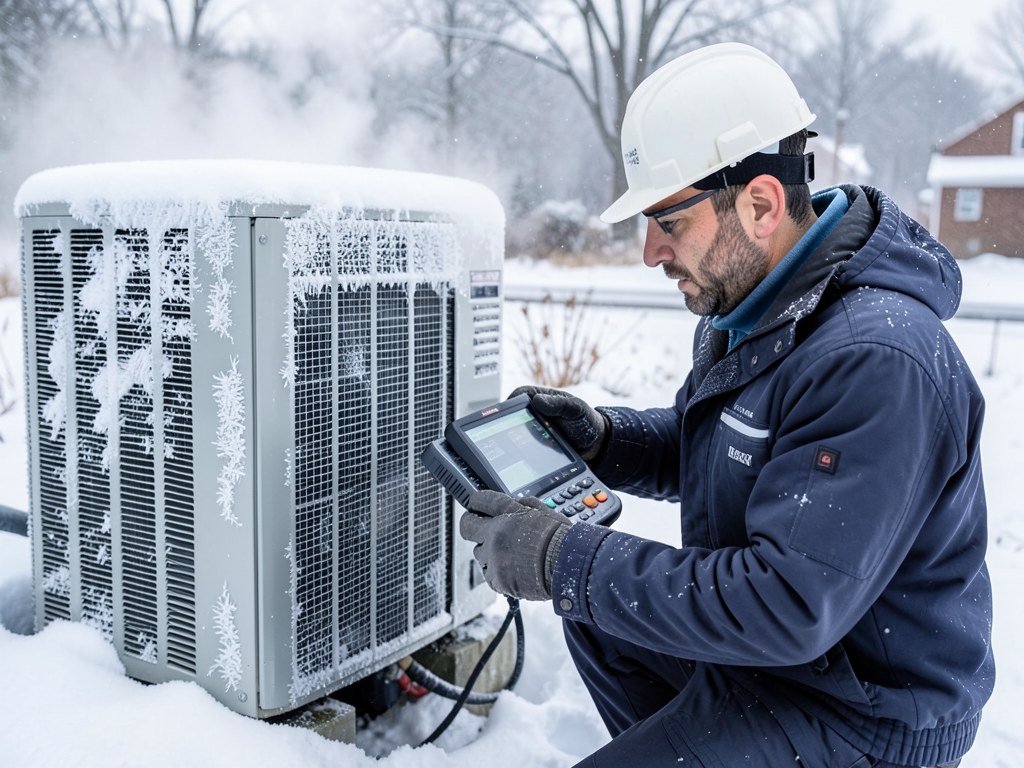


Cincinnati averages 23 days above 90 degrees and 14 days below 20 degrees each year. This 70-degree swing demands equipment that performs across extreme ranges. Standard heat pumps lose capacity as outdoor temperature drops. Cold-climate ductless models use enhanced vapor injection and larger heat exchangers to maintain output down to negative temperatures. Summer humidity averaging 70 percent requires adequate dehumidification capacity. Oversized systems cool spaces quickly but shut off before removing moisture. Properly sized inverter-driven systems run longer at lower speeds to control both temperature and humidity effectively.
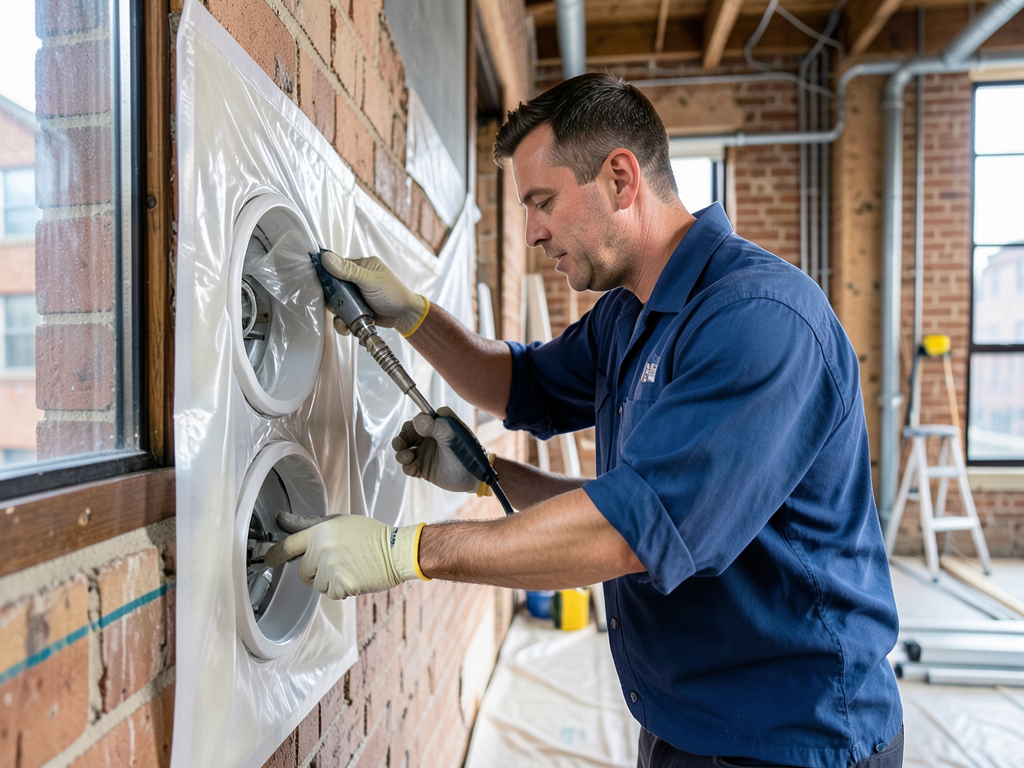
Cincinnati building codes adopted through the International Residential Code require permits for mechanical system installations. Electrical work needs separate permits when installing new circuits. The city emphasizes proper refrigerant handling under EPA Section 608 regulations. Contractors need proper certification to purchase, install, and service systems containing R-410A refrigerant. Historic district regulations in 15 neighborhoods impose additional restrictions on exterior equipment visibility. Local expertise navigates these requirements while ensuring installations meet manufacturer specifications for warranty coverage. Working with Cincinnati-based contractors familiar with city inspection processes prevents delays and ensures compliant installations.