
The quietest HVAC systems for homeowners in the Village of Glendale
Glendale’s tree-lined streets and historic homes deserve HVAC systems that deliver comfort without disrupting the village’s peaceful atmosphere. The right quiet system can maintain perfect temperatures while operating at sound levels lower than a library conversation.
Modern variable-speed compressors and inverter-driven technology have revolutionized residential cooling. These systems adjust their output continuously rather than cycling on and off, reducing both energy consumption and noise. The best units for Glendale homes operate between 40-60 decibels, compared to standard units that can reach 70-80 decibels during startup. Cooling Tower Services.
Local building patterns in Glendale present unique challenges. Many homes built before 1950 have plaster walls and original ductwork that transmit vibration easily. A quiet system must address both the equipment’s operating sound and how that sound travels through the home’s structure. Vibration isolation pads, sound blankets, and proper mounting techniques become essential for maintaining the village’s tranquil character.
Understanding decibel ratings for Glendale homes
Sound levels in HVAC systems are measured in decibels (dBA), with each 10-decibel increase representing a doubling of perceived loudness. A system rated at 50 dBA sounds half as loud as one rated at 60 dBA. For Glendale’s historic district, where homes sit close together on narrow lots, these differences matter significantly.
Standard air conditioners typically operate at 70-75 dBA from 10 feet away. Ultra-quiet systems achieve 50-60 dBA through advanced compressor designs and sound-dampening materials. At 50 dBA, the system produces sound comparable to light rainfall or a quiet conversation, allowing Glendale residents to enjoy their front porches without the hum of machinery. Why Mason residents trust us for their annual HVAC maintenance and tune-ups.
The Ohio Department of Health noise regulations limit residential equipment to 70 dBA during daytime hours and 65 dBA at night in residential zones. Glendale’s older homes often sit closer to property lines than modern subdivisions, making compliance with these standards critical for neighbor relations. EPA cooling efficiency resources.
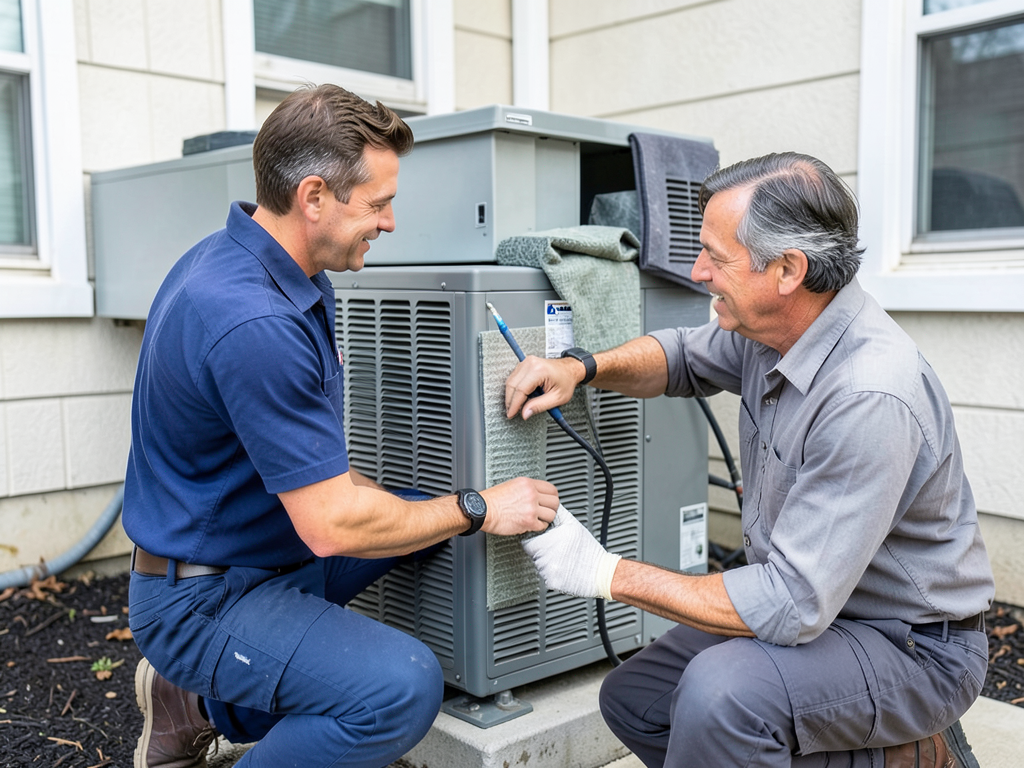
Diagram comparing decibel levels of quiet vs standard HVAC systems with common sound references (whisper, rainfall, conversation, vacuum cleaner)
Top quiet HVAC brands for Glendale’s historic homes
Lennox XC25 Signature Series represents the quietest residential system available, operating as low as 42 dBA. The unit uses variable-capacity technology that adjusts in 1% increments between 1% and 100% capacity. This precision control eliminates the loud startup sounds common in traditional systems.
Carrier Infinity with Greenspeed Intelligence achieves 51 dBA while maintaining SEER2 ratings up to 26. The system’s sound blanket technology and compressor sound cover reduce operational noise significantly. For Glendale’s Victorian homes with original plaster walls, this system’s vibration isolation technology prevents sound transmission through the structure.
Trane XV18 TruComfort system operates between 42-57 dBA depending on capacity. The unit’s sound insulator and swept-wing fan blades reduce air turbulence noise. This system works particularly well for Glendale’s mixed housing stock, from early 1900s craftsman homes to 1950s brick ranches.
Ductless mini-split systems from Mitsubishi Electric offer another quiet solution, with outdoor units as low as 45 dBA. These systems eliminate ductwork entirely, solving the vibration transmission issues common in Glendale’s older homes. The indoor units operate at whisper-quiet levels, perfect for bedrooms and home offices.
| Brand/Model | Minimum dB Rating | SEER2 Rating | Best For |
|---|---|---|---|
| Lennox XC25 | 42 | 26 | Historic homes |
| Carrier Infinity | 51 | 26 | Plaster walls |
| Trane XV18 | 42 | 20 | Variable loads |
| Mitsubishi Mini-Split | 45 | 24 | No ductwork |
Installation techniques that maximize quiet operation
Proper installation determines whether a quiet system actually delivers on its promise. The compressor pad must sit on rubber isolation mounts that prevent vibration transfer to the home’s foundation. In Glendale’s clay soil conditions, where seasonal expansion and contraction occur, these mounts prevent noise amplification through the ground.
Sound blankets wrapped around the compressor reduce operational noise by 2-4 decibels. These specialized covers use acoustic foam and mass-loaded vinyl to absorb sound waves before they escape the unit. For Glendale homes near the village center, this reduction makes the difference between a noticeable hum and background white noise.
Refrigerant line insulation serves dual purposes: preventing energy loss and reducing vibration transmission. Copper lines carrying refrigerant can act as sound conductors if left uninsulated. Professional installation includes foam insulation that dampens both thermal transfer and mechanical vibration.
Condenser unit placement affects noise levels significantly. Units installed on the north side of homes, away from bedrooms and living areas, provide the best sound reduction. In Glendale’s narrow lots, strategic placement becomes essential for maintaining peaceful outdoor living spaces.
Technician installing vibration isolation pads and sound blankets on a residential condenser unit
Glendale-specific considerations for quiet HVAC
The Village of Glendale’s historic designation creates specific requirements for exterior modifications. Any HVAC installation must maintain the home’s architectural character while meeting modern efficiency standards. This often means concealing equipment behind landscaping or within existing structures to preserve the village’s aesthetic appeal.
Glendale’s mature tree canopy affects both system performance and noise levels. Trees provide natural sound barriers but can also restrict airflow if placed too close to outdoor units. Professional assessment determines optimal clearance while maintaining the village’s forested character.
The village’s combined sewer system, installed in the early 1900s, presents drainage challenges for HVAC condensate lines. Modern high-efficiency systems produce significant condensate that must drain properly without overwhelming the aging infrastructure. Proper drainage design prevents water damage while maintaining system efficiency.
Glendale’s proximity to the Mill Creek flood plain affects outdoor unit placement. FEMA regulations require elevation above base flood levels, which can impact noise reduction strategies. Units must sit high enough to avoid flood damage while maintaining sound-dampening benefits of ground-level installation.
Energy efficiency and cost factors
Quiet HVAC systems typically achieve higher SEER2 ratings than standard units, often 18-26 versus 14-16. This efficiency translates to lower monthly utility bills, with variable-speed systems using 20-40% less electricity than single-stage units. For Glendale homeowners, this efficiency offsets the higher initial investment over time.
Duke Energy offers rebates for high-efficiency systems that meet specific criteria. Current programs provide up to $600 for qualifying variable-speed heat pumps and air conditioners. These rebates, combined with federal tax credits for Energy Star certified equipment, can reduce installation costs by 15-25%.
Maintenance requirements for quiet systems differ slightly from standard units. Variable-speed compressors need annual professional cleaning to maintain optimal performance. The sound blankets require periodic inspection for damage from weather or pests. These maintenance tasks ensure the system continues operating at peak efficiency and minimal noise levels. Furnace Maintenance Checklist.
Warranty coverage often extends longer for premium quiet systems. Many manufacturers offer 10-12 year parts warranties on variable-speed compressors, compared to 5-7 years for standard units. This extended coverage provides peace of mind for Glendale homeowners investing in advanced technology. HVAC Warranty Guide.
Frequently Asked Questions
How much quieter are these systems compared to standard units?
Ultra-quiet systems operate 15-25 decibels lower than standard units, which translates to a 50-75% reduction in perceived loudness. At 50 dBA, the system sounds like light rainfall rather than the rumble of a standard unit.
Do quiet systems cost significantly more than standard units?
Premium quiet systems typically cost 15-30% more upfront than standard units. However, energy savings of 20-40% and available rebates often offset this difference within 3-5 years of operation.
Will a quiet system still cool my home effectively during Cincinnati’s humid summers?
Yes. Variable-speed systems actually provide better humidity control than standard units. They run longer at lower speeds, removing more moisture from the air while maintaining consistent temperatures.
How long does installation take for a quiet HVAC system?
Most residential installations require 1-2 days. Historic homes may need additional time for electrical upgrades or ductwork modifications to accommodate the new system.
What maintenance do quiet systems require?
Annual professional maintenance includes cleaning the variable-speed compressor, inspecting sound blankets, and checking refrigerant levels. Homeowners should also change filters every 1-3 months depending on usage.
Our Glendale quiet HVAC installation process
Every quiet HVAC installation begins with a comprehensive home assessment. Our technicians evaluate your home’s square footage, insulation levels, existing ductwork, and noise-sensitive areas. This assessment ensures the selected system matches your home’s specific cooling needs while maintaining Glendale’s peaceful atmosphere.
The installation process includes strategic equipment placement to minimize noise impact. We position outdoor units away from bedrooms and living areas, using natural barriers when possible. For Glendale’s historic homes, we often integrate equipment into existing structures to preserve architectural integrity.
Professional installation includes all sound-dampening components: vibration isolation pads, sound blankets, and insulated refrigerant lines. We test the system at multiple operating speeds to verify noise levels meet our strict standards. Before completion, we demonstrate the system’s operation and provide maintenance guidelines.
Post-installation support includes a 30-day performance check and ongoing maintenance plans. Our technicians monitor system efficiency and noise levels throughout the first cooling season, making adjustments as needed to ensure optimal performance in Glendale’s specific climate conditions.
Why Glendale homeowners choose professional quiet HVAC installation
Glendale’s unique combination of historic architecture and modern living requires specialized HVAC expertise. Professional installation ensures your quiet system operates at manufacturer specifications while complying with local building codes and historic district guidelines.
DIY or inexperienced installation often results in noise levels 5-10 decibels higher than intended. This difference transforms a whisper-quiet system into one that disrupts the very peace you sought to preserve. Professional installation includes proper sizing, strategic placement, and all necessary sound-dampening components.
Five Star HVAC Cincinnati understands Glendale’s specific challenges. Our technicians have installed dozens of quiet systems in the village, from Victorian mansions to mid-century ranches. We know how to work within historic district guidelines while delivering modern comfort and efficiency.
Ready to experience true quiet comfort in your Glendale home? Call (513) 717-5155 today to schedule your free assessment. Our experts will evaluate your home’s needs and recommend the perfect quiet system for your specific situation.
Don’t let another summer pass with a noisy, inefficient system. Pick up the phone and call (513) 717-5155 before the next heat wave hits. Your peaceful Glendale home deserves the comfort of modern quiet technology. For more information, visit U.S. Department of Energy air conditioning guide.
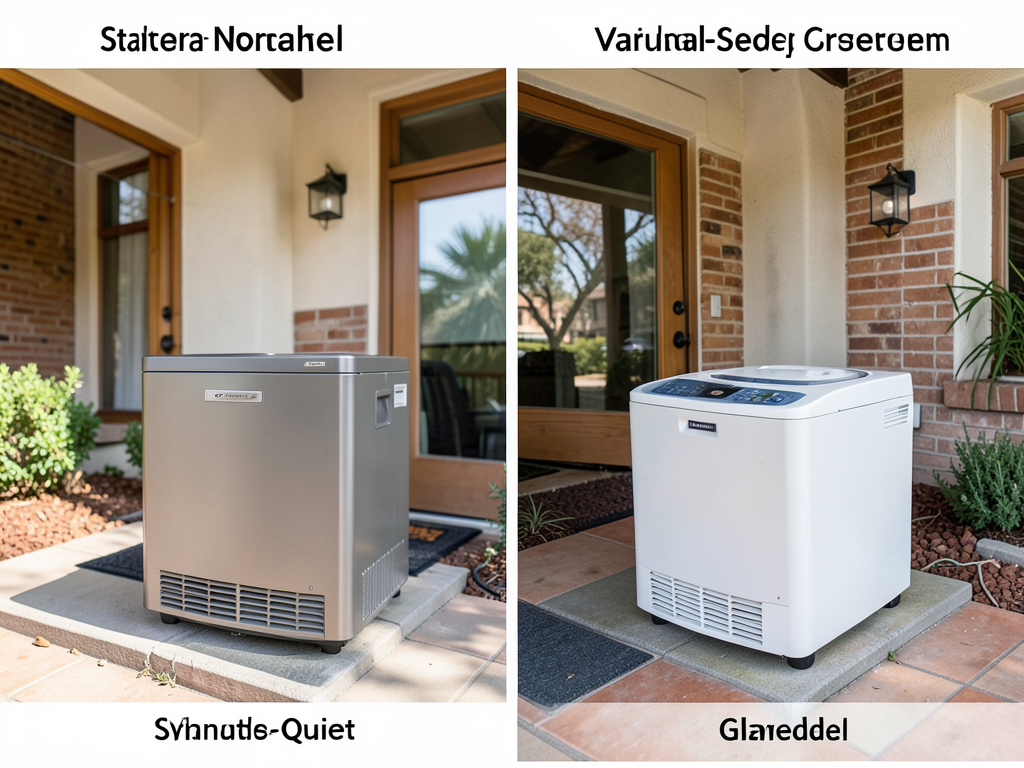
Before and after comparison showing a standard noisy unit replaced with a whisper-quiet variable-speed system in a Glendale historic home
{
“@context”: “https://schema.org”,
“@type”: “BlogPosting”,
“headline”: “The quietest HVAC systems for homeowners in the Village of Glendale”,
“description”: “Discover ultra-quiet HVAC systems perfect for Glendale’s historic homes. Learn decibel ratings, variable-speed technology, and local installation from Five Star HVAC Cincinnati.”,
“wordCount”: 1708,
“datePublished”: “2026-03-06T16:46:00.000Z”,
“dateModified”: “2026-03-06T16:46:00.000Z”,
“inLanguage”: “en-US”,
“mainEntityOfPage”: {
“@type”: “WebPage”,
“@id”: “https://fivestarhvaccincinnati.com”
},
“publisher”: {
“@type”: “LocalBusiness”,
“name”: “Five Star HVAC Cincinnati”,
“url”: “https://fivestarhvaccincinnati.com”
},
“author”: {
“@type”: “Organization”,
“name”: “Five Star HVAC Cincinnati”,
“url”: “https://fivestarhvaccincinnati.com”
},
“image”: {
“@type”: “ImageObject”,
“url”: “https://fivestarhvaccincinnati.com/wp-content/uploads/2026/03/the-quietest-hvac-systems-for-homeowners-in-the-vi-1.png”
}
}
{
“@context”: “https://schema.org”,
“@type”: “HVACBusiness”,
“name”: “Five Star HVAC Cincinnati”,
“url”: “https://fivestarhvaccincinnati.com”,
“address”: {
“@type”: “PostalAddress”,
“addressLocality”: “Cincinnati”
},
“areaServed”: {
“@type”: “City”,
“name”: “Cincinnati”
}
}
{
“@context”: “https://schema.org”,
“@type”: “FAQPage”,
“mainEntity”: [
{
“@type”: “Question”,
“name”: “How much quieter are these systems compared to standard units?”,
“acceptedAnswer”: {
“@type”: “Answer”,
“text”: “Ultra-quiet systems operate 15-25 decibels lower than standard units, which translates to a 50-75% reduction in perceived loudness. At 50 dBA, the system sounds like light rainfall rather than the rumble of a standard unit.”
}
},
{
“@type”: “Question”,
“name”: “Do quiet systems cost significantly more than standard units?”,
“acceptedAnswer”: {
“@type”: “Answer”,
“text”: “Premium quiet systems typically cost 15-30% more upfront than standard units. However, energy savings of 20-40% and available rebates often offset this difference within 3-5 years of operation.”
}
},
{
“@type”: “Question”,
“name”: “Will a quiet system still cool my home effectively during Cincinnati’s humid summers?”,
“acceptedAnswer”: {
“@type”: “Answer”,
“text”: “Yes. Variable-speed systems actually provide better humidity control than standard units. They run longer at lower speeds, removing more moisture from the air while maintaining consistent temperatures.”
}
},
{
“@type”: “Question”,
“name”: “How long does installation take for a quiet HVAC system?”,
“acceptedAnswer”: {
“@type”: “Answer”,
“text”: “Most residential installations require 1-2 days. Historic homes may need additional time for electrical upgrades or ductwork modifications to accommodate the new system.”
}
},
{
“@type”: “Question”,
“name”: “What maintenance do quiet systems require?”,
“acceptedAnswer”: {
“@type”: “Answer”,
“text”: “Annual professional maintenance includes cleaning the variable-speed compressor, inspecting sound blankets, and checking refrigerant levels. Homeowners should also change filters every 1-3 months depending on usage.”
}
}
]
}
{
“@context”: “https://schema.org”,
“@type”: “BreadcrumbList”,
“itemListElement”: [
{
“@type”: “ListItem”,
“position”: 1,
“name”: “Home”,
“item”: “https://fivestarhvaccincinnati.com”
},
{
“@type”: “ListItem”,
“position”: 2,
“name”: “Blog”,
“item”: “https://fivestarhvaccincinnati.com/blog”
},
{
“@type”: “ListItem”,
“position”: 3,
“name”: “The quietest HVAC systems for homeowners in the Village of Glendale”
}
]
}
{
“@context”: “https://schema.org”,
“@type”: “Service”,
“serviceType”: “HVAC”,
“provider”: {
“@type”: “LocalBusiness”,
“name”: “Five Star HVAC Cincinnati”,
“url”: “https://fivestarhvaccincinnati.com”
},
“areaServed”: {
“@type”: “City”,
“name”: “Cincinnati”
},
“description”: “Discover ultra-quiet HVAC systems perfect for Glendale’s historic homes. Learn decibel ratings, variable-speed technology, and local installation from Five Star HVAC Cincinnati.”
}