
Finding an HVAC company that understands the unique needs of OTR loft living
Living in an Over-the-Rhine loft means embracing historic architecture with modern comforts. But when your HVAC system struggles to keep up with Cincinnati’s humid summers and freezing winters, you need more than just a standard repair technician. You need someone who understands the specific challenges of urban loft living in Cincinnati’s historic district. EPA Section 608 Certification.
OTR lofts often feature exposed brick walls, high ceilings, and large windows that create beautiful spaces but also unique heating and cooling challenges. The right HVAC company must understand how to work with these architectural elements while ensuring your system meets modern efficiency standards. Cooling Tower Services.
Over-the-Rhine’s historic buildings require specialized knowledge. Many structures were built before modern HVAC systems existed, meaning retrofitting requires careful planning to preserve architectural integrity while delivering reliable comfort. A company familiar with Cincinnati’s historic preservation guidelines can help you navigate these requirements. Cincinnati Department of Buildings and Inspections.
The climate in Cincinnati’s Ohio River Valley creates additional demands. High humidity levels during summer months can overwhelm standard systems, while the region’s temperature swings test equipment durability. Your HVAC partner needs experience with these local conditions to recommend systems that perform reliably year-round.
Common HVAC systems in OTR loft spaces
OTR lofts typically use one of several specialized HVAC configurations. Understanding these systems helps you communicate effectively with your service provider and recognize potential issues early.
Packaged Terminal Air Conditioners (PTAC) units are common in many OTR buildings. These self-contained units mount through exterior walls and provide both heating and cooling. They’re ideal for smaller loft spaces but require regular maintenance to prevent efficiency losses and component failures.
Water-source heat pumps represent another popular option in multi-unit buildings. These systems use circulating water from a central cooling tower to transfer heat, offering excellent efficiency for Cincinnati’s climate. However, they require specialized knowledge for troubleshooting and repair. 24/7 AC repair for restaurants and small businesses in Downtown Cincinnati.
Vertical stack units serve larger loft spaces or buildings with multiple units per floor. These systems connect vertically through floor openings, sharing ductwork and mechanical components. Working on these units often requires coordination with building management and other residents. Why Mason residents trust us for their annual HVAC maintenance and tune-ups.
Ductless mini-split systems have gained popularity in loft renovations. They eliminate the need for extensive ductwork while providing zoned temperature control. Installation requires careful planning to maintain the aesthetic appeal of exposed brick and original architectural features.
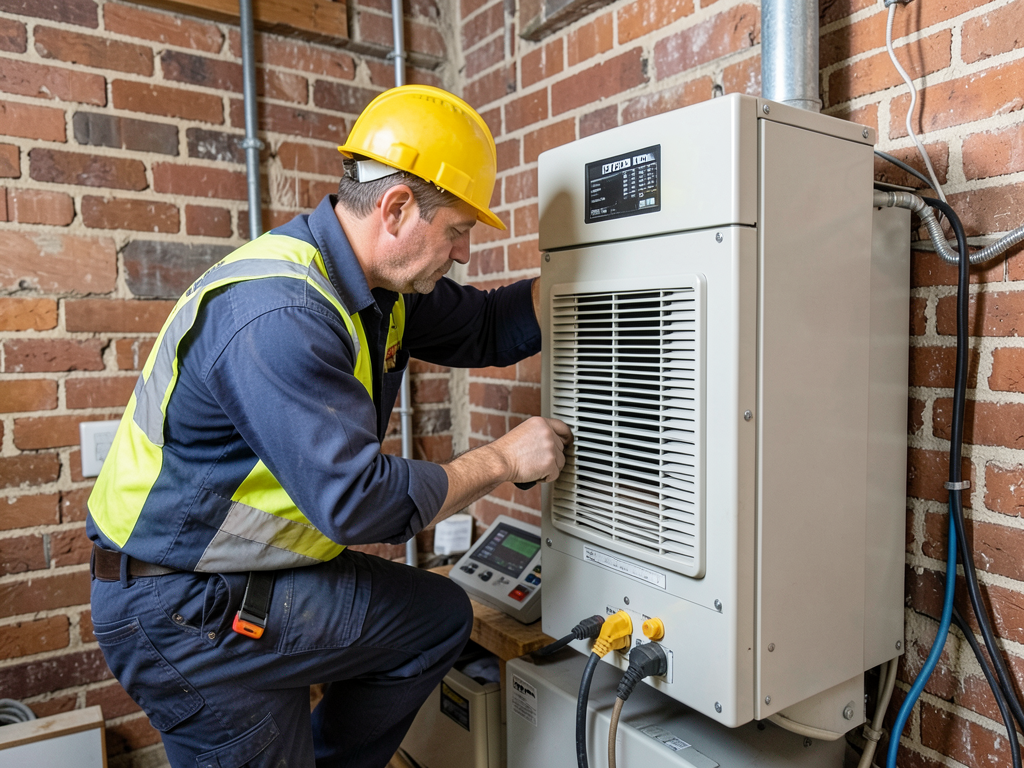
Image description: Technician inspecting a PTAC unit in an OTR loft with exposed brick walls, showing proper safety equipment and diagnostic tools used in historic building HVAC work.
Why OTR lofts need specialized HVAC expertise
Historic buildings in Over-the-Rhine present unique challenges that standard HVAC companies often cannot address. The age of these structures means electrical systems may not support modern equipment requirements, requiring careful load calculations and potentially electrical upgrades.
Many OTR lofts feature original plaster walls or exposed brick that cannot be modified extensively. This limits installation options and requires creative solutions for running new ductwork or wiring. A skilled technician must understand how to work within these constraints while maintaining system performance.
Building management requirements in OTR often include specific insurance certificates, noise restrictions, and scheduling limitations. Your HVAC company should have experience coordinating with property managers and understanding these requirements to avoid delays or complications.
Energy efficiency becomes particularly important in loft spaces with large windows and high ceilings. Heat loss through single-pane windows and thermal bridging through brick walls can significantly impact system performance. Your HVAC partner should recommend solutions that address these architectural challenges.
Emergency service response in downtown Cincinnati requires different logistics than suburban areas. Traffic patterns, parking restrictions, and building security protocols all affect how quickly a technician can reach your location. Local experience matters when you need urgent repairs. Emergency furnace repair services for Indian Hill homeowners available right now.
Common HVAC issues in Cincinnati loft spaces
Understanding the specific problems that affect OTR lofts helps you recognize when professional service is needed. Early detection often prevents more expensive repairs and extends system life. How to find a reliable AC repair company in Hyde Park without overpaying.
Humidity control represents one of the biggest challenges in Cincinnati loft living. High outdoor humidity combined with moisture from brick walls can overwhelm standard systems. Signs include condensation on windows, musty odors, and uncomfortable indoor conditions even when the system runs continuously.
Noise issues frequently arise in multi-unit buildings. PTAC units mounted in exterior walls can transmit vibrations to adjacent spaces, while ductwork can carry sound between units. Proper installation and maintenance minimize these problems, but they require specialized knowledge of building acoustics.
Electrical capacity often becomes a limiting factor in older buildings. Many OTR lofts were not designed for modern electrical loads, and adding HVAC equipment can strain existing circuits. Warning signs include tripped breakers, dimming lights when the system starts, or inadequate heating/cooling performance.
Condensate drainage requires special attention in multi-story buildings. Improper drainage can cause water damage to units below, creating liability issues and expensive repairs. Your HVAC company should understand proper drainage installation and local building code requirements for condensate handling.
Airflow distribution challenges arise from the unique layouts of many loft spaces. Open floor plans, high ceilings, and architectural features can create temperature variations throughout the space. Proper system design and zoning can address these issues but require experienced technicians.
Maintenance considerations for OTR loft HVAC systems
Regular maintenance becomes even more critical in historic loft buildings where system access may be limited and replacement parts harder to source. A proactive maintenance schedule helps prevent unexpected failures and extends equipment life.
Seasonal maintenance should include checking refrigerant levels, cleaning coils, and inspecting electrical connections. In Cincinnati’s climate, spring maintenance prepares systems for summer cooling demands, while fall service ensures reliable heating during winter months.
Filter replacement frequency often needs adjustment based on loft-specific factors. Buildings with older windows may allow more outdoor air infiltration, increasing dust and pollen levels. Loft residents with pets or allergies might need more frequent filter changes than standard recommendations suggest.
Coil cleaning becomes particularly important in humid environments. Dirty coils reduce efficiency and can lead to freezing or compressor damage. Professional cleaning removes buildup that standard homeowner maintenance cannot address.
Thermostat calibration affects comfort and efficiency in spaces with unique thermal characteristics. Loft spaces may require different temperature setpoints than standard homes due to factors like window exposure and ceiling height. Smart thermostats can help optimize performance but require proper setup.
Emergency preparedness includes knowing what to do when systems fail. Having contact information for a 24/7 HVAC service that understands OTR building requirements can make the difference between a quick fix and an extended outage.
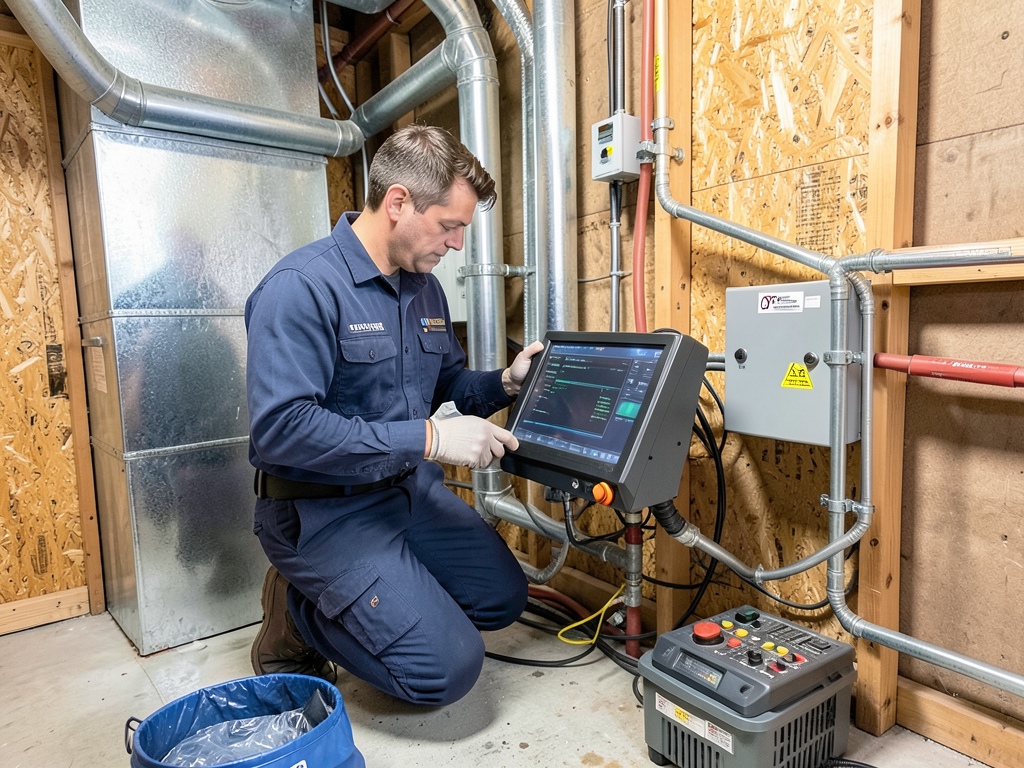
Image description: Technician performing seasonal maintenance on a water-source heat pump system in an OTR loft, showing diagnostic equipment and maintenance procedures specific to multi-unit building systems.
Choosing the right HVAC partner for your OTR loft
Not all HVAC companies have the expertise needed for historic loft spaces. When evaluating potential service providers, consider these factors to ensure you get the specialized knowledge your unique space requires.
Experience with historic buildings should be a primary consideration. Companies that regularly work in OTR, Downtown, or other historic districts understand the preservation requirements and building-specific challenges that affect HVAC work.
Technical certifications demonstrate commitment to ongoing education and expertise. Look for NATE certification, EPA Section 608 certification for refrigerant handling, and state licensing that ensures compliance with Ohio regulations.
Emergency service availability matters in urban environments where traffic and parking can delay response times. A company with downtown experience understands these challenges and maintains adequate staffing for urgent calls.
Insurance and liability coverage become particularly important in multi-unit buildings. Your HVAC company should carry appropriate coverage and understand the insurance requirements of building management companies.
Customer reviews specific to loft or historic building work provide valuable insights. Look for feedback from other OTR residents about system performance, communication, and problem-solving abilities.
Communication style affects the service experience significantly. A company that explains issues clearly, provides detailed estimates, and keeps you informed throughout the process demonstrates the professionalism needed for complex loft projects.
OTR loft HVAC solutions comparison
| System Type | Best For | Installation Complexity | Energy Efficiency | Maintenance Needs |
|---|---|---|---|---|
| PTAC Units | Small lofts under 800 sq ft | Low – wall sleeve installation | Moderate – depends on age | High – quarterly cleaning |
| Water-Source Heat Pumps | Multi-unit buildings | High – requires cooling tower | Very High – central efficiency | Moderate – annual service |
| Ductless Mini-Splits | Renovated spaces | Moderate – minimal wall work | High – zoned operation | Low – filter cleaning |
| Vertical Stack Units | Larger loft spaces | Very High – building coordination | Variable – system age | High – professional service |
Building codes and regulations for OTR HVAC work
Working in Cincinnati’s historic districts requires understanding specific regulations that affect HVAC installations and modifications. The Cincinnati Department of Buildings and Inspections enforces codes that protect both public safety and historic character.
Historic preservation guidelines often restrict exterior modifications visible from public streets. This affects where outdoor units can be placed and may require special approvals for any changes to building facades. Working with a company familiar with these requirements prevents costly mistakes.
Ohio Mechanical Code compliance ensures systems meet safety standards for installation, ventilation, and combustion safety. This includes proper sizing calculations, adequate clearance requirements, and appropriate venting for gas-fired equipment.
EPA refrigerant handling regulations require certification for technicians who work with cooling systems. This protects both the environment and building occupants from potential refrigerant exposure. Always verify your technician carries current EPA Section 608 certification.
Electrical code compliance affects HVAC installations significantly. Many OTR buildings have older electrical systems that cannot support modern HVAC equipment loads. A qualified technician will assess electrical capacity and recommend necessary upgrades to ensure safe operation.
Building management requirements in multi-unit properties often include specific insurance certificates, noise restrictions, and scheduling limitations. Your HVAC company should have experience navigating these requirements to ensure smooth project completion.
Image description: Technical diagram showing proper condensate drainage installation for multi-story loft buildings, highlighting connections to prevent water damage to units below.
Emergency HVAC services for OTR loft residents
When your HVAC system fails during Cincinnati’s extreme weather, quick response becomes essential. Understanding what to expect from emergency services helps you make informed decisions during stressful situations.
24/7 availability means technicians can respond to urgent calls regardless of time or weather conditions. In OTR, this includes navigating downtown traffic, finding available parking, and coordinating with building security for after-hours access.
Diagnostic capabilities determine how quickly problems can be identified and resolved. Experienced technicians carry comprehensive diagnostic tools and maintain inventory of common replacement parts to minimize repair times.
Temporary solutions may be necessary when complete repairs cannot be completed immediately. This might include portable heaters, fans, or temporary cooling units to maintain comfort while waiting for parts or scheduling complex repairs.
Communication during emergencies includes clear explanations of the problem, available solutions, and estimated costs before work begins. This transparency helps you make informed decisions even when stressed by the situation.
Follow-up service ensures repairs address the root cause rather than just symptoms. A quality HVAC company will explain what caused the failure and recommend preventive measures to avoid future emergencies.
Energy efficiency opportunities for OTR lofts
Improving energy efficiency in historic loft spaces requires balancing preservation with modern performance standards. Several strategies can reduce utility costs while maintaining the character that makes OTR living attractive.
Smart thermostat installation provides immediate efficiency gains through better temperature control and scheduling. These devices learn your patterns and adjust automatically, reducing energy waste when spaces are unoccupied.
High-efficiency HVAC equipment can significantly reduce energy consumption, though installation may require careful planning to work within historic building constraints. Modern systems often provide better performance with smaller equipment sizes.
Air sealing and insulation improvements help reduce heating and cooling loads, though options may be limited in historic buildings. Focus on areas where modifications won’t affect architectural features, such as attic spaces or mechanical rooms.
Window treatments can reduce heat gain during summer months without permanent modifications. Modern options include insulating cellular shades or exterior solar screens that preserve the historic appearance when viewed from outside.
Regular maintenance ensures systems operate at peak efficiency. Dirty coils, low refrigerant levels, and poor airflow all reduce efficiency and increase energy costs significantly over time.
Frequently Asked Questions
How do I know if my OTR loft needs a specialized HVAC company?
If your loft is in a historic building, has unique architectural features, or is part of a multi-unit property, you need specialized expertise. Standard HVAC companies may not understand the preservation requirements, building management coordination, or technical challenges specific to historic loft spaces.
What’s the most common HVAC system in OTR lofts?
Packaged Terminal Air Conditioners (PTAC) and water-source heat pumps are most common in OTR lofts. PTAC units work well for smaller spaces, while water-source systems offer better efficiency for larger buildings. The specific system depends on your building’s age, design, and original HVAC installation.
How often should I schedule maintenance for my loft HVAC system?
Seasonal maintenance twice yearly is recommended for most loft systems. Spring service prepares cooling systems for summer, while fall maintenance ensures reliable heating during winter. Buildings with high humidity or older systems may benefit from quarterly professional cleaning and inspection.
Can I upgrade my historic loft’s HVAC system without affecting the architecture?
Yes, many modern HVAC solutions work within historic preservation guidelines. Ductless mini-splits, high-velocity systems, and carefully planned PTAC installations can provide modern comfort without visible exterior modifications. A specialized HVAC company can help you explore options that meet both comfort and preservation requirements.
What should I do if my HVAC system fails during extreme weather?
Call a 24/7 emergency HVAC service immediately. In OTR, choose a company familiar with downtown logistics and building management requirements. While waiting for service, use temporary measures like portable fans or space heaters if safe, and keep doors closed to contain conditioned air in the affected space.
Call (513) 717-5155 today to schedule your loft HVAC inspection
Don’t let HVAC problems disrupt your OTR lifestyle. Our technicians understand the unique challenges of historic loft living and provide solutions that preserve your space’s character while ensuring reliable comfort. We’re familiar with Cincinnati’s building codes, historic preservation requirements, and the specific needs of loft residents.
Whether you need emergency repairs, routine maintenance, or system upgrades, we have the expertise to handle your loft’s HVAC needs properly the first time. Our 24/7 emergency service means we’re always available when you need us most.
Call (513) 717-5155 now to schedule your consultation. We’ll assess your current system, discuss your comfort needs, and recommend solutions that work for your specific loft space. Experience the difference that specialized HVAC knowledge makes for OTR living.
Pick up the phone and call (513) 717-5155 before the next Cincinnati heat wave or cold snap hits. Your comfort deserves expert attention from technicians who understand what makes loft living special.
{
“@context”: “https://schema.org”,
“@type”: “BlogPosting”,
“headline”: “Finding an HVAC company that understands the unique needs of OTR loft living”,
“description”: “Discover specialized HVAC solutions for Over-the-Rhine loft living. Learn about PTAC units, water-source heat pumps, and expert service for Cincinnati’s historic urban spaces.”,
“wordCount”: 2519,
“datePublished”: “2026-03-03T10:55:00.000Z”,
“dateModified”: “2026-03-03T10:55:00.000Z”,
“inLanguage”: “en-US”,
“mainEntityOfPage”: {
“@type”: “WebPage”,
“@id”: “https://fivestarhvaccincinnati.com”
},
“publisher”: {
“@type”: “LocalBusiness”,
“name”: “Five Star HVAC Cincinnati”,
“url”: “https://fivestarhvaccincinnati.com”
},
“author”: {
“@type”: “Organization”,
“name”: “Five Star HVAC Cincinnati”,
“url”: “https://fivestarhvaccincinnati.com”
},
“image”: {
“@type”: “ImageObject”,
“url”: “https://fivestarhvaccincinnati.com/wp-content/uploads/2026/03/finding-an-hvac-company-that-understands-the-uniqu-1.png”
}
}
{
“@context”: “https://schema.org”,
“@type”: “HVACBusiness”,
“name”: “Five Star HVAC Cincinnati”,
“url”: “https://fivestarhvaccincinnati.com”,
“address”: {
“@type”: “PostalAddress”,
“addressLocality”: “Cincinnati”
},
“areaServed”: {
“@type”: “City”,
“name”: “Cincinnati”
}
}
{
“@context”: “https://schema.org”,
“@type”: “FAQPage”,
“mainEntity”: [
{
“@type”: “Question”,
“name”: “How do I know if my OTR loft needs a specialized HVAC company?”,
“acceptedAnswer”: {
“@type”: “Answer”,
“text”: “If your loft is in a historic building, has unique architectural features, or is part of a multi-unit property, you need specialized expertise. Standard HVAC companies may not understand the preservation requirements, building management coordination, or technical challenges specific to historic loft spaces.”
}
},
{
“@type”: “Question”,
“name”: “What’s the most common HVAC system in OTR lofts?”,
“acceptedAnswer”: {
“@type”: “Answer”,
“text”: “Packaged Terminal Air Conditioners (PTAC) and water-source heat pumps are most common in OTR lofts. PTAC units work well for smaller spaces, while water-source systems offer better efficiency for larger buildings. The specific system depends on your building’s age, design, and original HVAC installation.”
}
},
{
“@type”: “Question”,
“name”: “How often should I schedule maintenance for my loft HVAC system?”,
“acceptedAnswer”: {
“@type”: “Answer”,
“text”: “Seasonal maintenance twice yearly is recommended for most loft systems. Spring service prepares cooling systems for summer, while fall maintenance ensures reliable heating during winter. Buildings with high humidity or older systems may benefit from quarterly professional cleaning and inspection.”
}
},
{
“@type”: “Question”,
“name”: “Can I upgrade my historic loft’s HVAC system without affecting the architecture?”,
“acceptedAnswer”: {
“@type”: “Answer”,
“text”: “Yes, many modern HVAC solutions work within historic preservation guidelines. Ductless mini-splits, high-velocity systems, and carefully planned PTAC installations can provide modern comfort without visible exterior modifications. A specialized HVAC company can help you explore options that meet both comfort and preservation requirements.”
}
},
{
“@type”: “Question”,
“name”: “What should I do if my HVAC system fails during extreme weather?”,
“acceptedAnswer”: {
“@type”: “Answer”,
“text”: “Call a 24/7 emergency HVAC service immediately. In OTR, choose a company familiar with downtown logistics and building management requirements. While waiting for service, use temporary measures like portable fans or space heaters if safe, and keep doors closed to contain conditioned air in the affected space.”
}
}
]
}
{
“@context”: “https://schema.org”,
“@type”: “BreadcrumbList”,
“itemListElement”: [
{
“@type”: “ListItem”,
“position”: 1,
“name”: “Home”,
“item”: “https://fivestarhvaccincinnati.com”
},
{
“@type”: “ListItem”,
“position”: 2,
“name”: “Blog”,
“item”: “https://fivestarhvaccincinnati.com/blog”
},
{
“@type”: “ListItem”,
“position”: 3,
“name”: “Finding an HVAC company that understands the unique needs of OTR loft living”
}
]
}
{
“@context”: “https://schema.org”,
“@type”: “Service”,
“serviceType”: “HVAC”,
“provider”: {
“@type”: “LocalBusiness”,
“name”: “Five Star HVAC Cincinnati”,
“url”: “https://fivestarhvaccincinnati.com”
},
“areaServed”: {
“@type”: “City”,
“name”: “Cincinnati”
},
“description”: “Discover specialized HVAC solutions for Over-the-Rhine loft living. Learn about PTAC units, water-source heat pumps, and expert service for Cincinnati’s historic urban spaces.”
}