
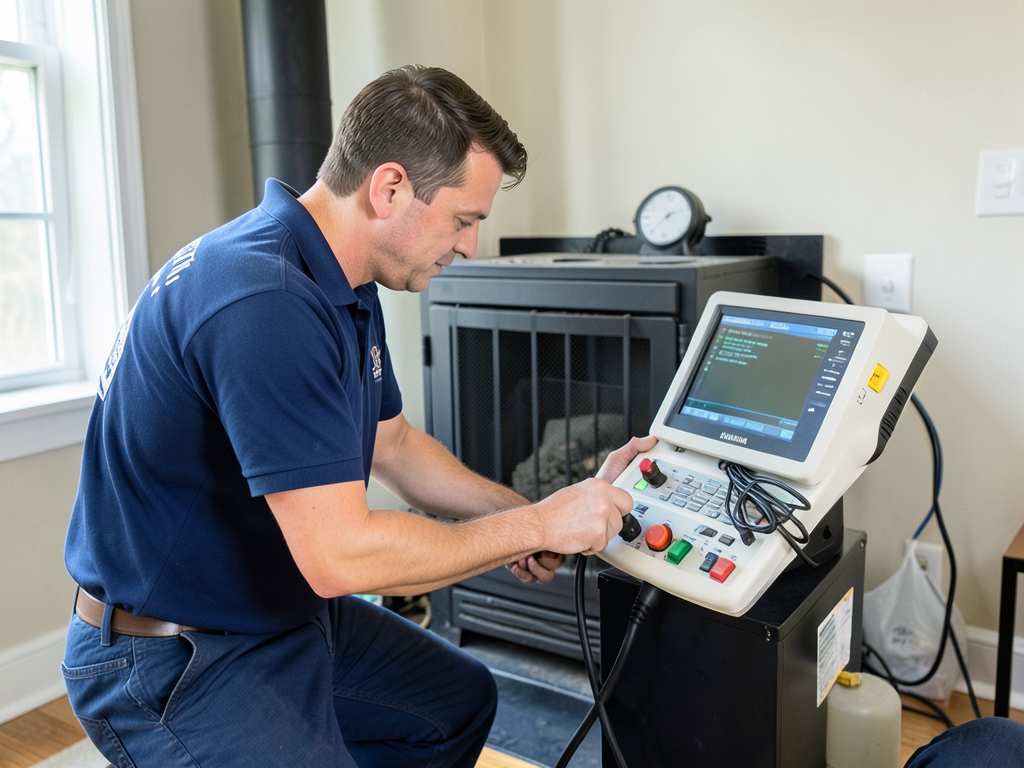
Safe gas line installation and repair for your Fairfield home furnace
Gas line problems can turn into dangerous emergencies fast. If you smell gas or suspect a leak near your furnace in Fairfield, you need immediate help from a licensed professional who understands Butler County safety codes. This guide covers everything you need to know about gas line repair and installation, from emergency steps to take when you detect a leak to the specific materials and permits required for your home. Your safety is our priority. Emergency furnace repair services for Indian Hill homeowners available right now.
Common signs you need gas line repair in your Fairfield home
Gas leaks don’t always announce themselves with a strong smell. While the rotten egg odor from mercaptan is the most obvious warning sign, other indicators can signal trouble. Hissing sounds near gas pipes, dead vegetation in your yard above underground lines, or a white cloud near connections all point to potential leaks. Your furnace may also show symptoms like yellow flames instead of blue, frequent pilot light outages, or unusual soot buildup around burners. Furnace Maintenance Checklist.
Physical symptoms in your household matter too. Headaches, dizziness, nausea, or eye irritation that improves when you leave the house could indicate carbon monoxide exposure from a faulty gas line or furnace. Don’t ignore these warning signs. If you notice any of these issues, evacuate immediately and call Duke Energy’s emergency line from outside your home. Duke Energy gas safety.
Our gas line services in Fairfield, Ohio
We handle every aspect of gas line work for Fairfield homeowners, from initial pressure testing to final inspections. Our licensed technicians use specialized equipment to detect even small leaks that homeowners can’t smell. We work with all common gas line materials used in Butler County homes, including black iron pipe, corrugated stainless steel tubing (CSST), and copper lines where permitted.
Appliance hookups require specific expertise. Whether you’re installing a new furnace, gas stove, or outdoor grill, we ensure proper sizing and safe connections. We also install and test emergency shut-off valves that meet Ohio building code requirements. For older homes in neighborhoods like Wildwood or Woodridge, we often replace aging galvanized pipes that corrode from the inside out. Ohio Plumbing Code.
The Duke Energy safety protocol: what to do if you smell gas
When you detect gas, your actions in the first 60 seconds matter most. Do not use any electrical devices, including light switches or your phone, inside the house. Gas can ignite from tiny sparks. Open doors and windows as you exit, but don’t waste time trying to ventilate the space. Once outside, move at least 100 feet away from your home before calling Duke Energy at 1-800-634-4300 or 911.
Duke Energy handles the emergency response, but they don’t repair customer-owned gas lines. That’s where we come in. After Duke Energy shuts off your gas and makes the area safe, we can inspect your system, locate the leak source, and complete the necessary repairs to get your service restored. This coordination is critical because Duke Energy won’t turn your gas back on until a licensed contractor certifies the repairs. 24/7 AC repair for restaurants and small businesses in Downtown Cincinnati.
Why Fairfield homeowners choose our gas line services
We understand the specific challenges Fairfield homes face. Many properties in the area were built between 1960 and 1990, when gas line installation practices differed from today’s standards. We’ve seen how Ohio’s freeze-thaw cycles stress underground connections, and we know which neighborhoods have aging infrastructure that needs proactive replacement.
Our technicians carry Ohio Master Plumber licenses and NATE certifications. We pull all required permits through the Butler County Department of Development and schedule inspections with Fairfield building officials. We don’t cut corners on safety. Every repair includes pressure testing to confirm the fix holds, and we provide documentation you can show to Duke Energy or your home insurance company. How to find a reliable AC repair company in Hyde Park without overpaying.
Fairfield building codes and permit requirements
Butler County follows the Ohio Plumbing Code, which requires permits for all new gas line installations and major repairs. For furnace replacements or additions, you’ll need both plumbing and mechanical permits. The permit process ensures your installation meets current safety standards and passes inspection before you use the system.
Underground gas lines have specific depth requirements. In Fairfield, main lines must be buried at least 18 inches deep, with 24 inches recommended in areas with heavy clay soil that shifts during freeze-thaw cycles. We mark all buried utilities before digging and coordinate with Duke Energy to prevent damage to their infrastructure.
Types of gas lines we service in Fairfield
Black iron pipe remains the most common material in older Fairfield homes. It’s durable but heavy and requires threaded connections that can leak if not properly sealed. CSST, a flexible stainless steel tubing, has become popular in newer construction because it resists earthquake damage and is easier to route through walls.
Copper gas lines work well for indoor appliance connections but can’t be buried due to corrosion concerns. We also service propane systems for homes outside natural gas service areas. Each material has specific code requirements for joints, supports, and testing procedures that we follow precisely.
Customer reviews from Fairfield neighbors
Homeowners in the Forest Lake and Village Green areas consistently praise our emergency response times. One family on Nilles Road called us at 8 PM on a Sunday when their furnace stopped working during a cold snap. We had heat restored by midnight, preventing frozen pipes and keeping their family safe through the night.
Another customer in the Woodcreek subdivision needed a complete gas line replacement before selling their home. We coordinated with their buyer’s inspection timeline, completed the work in two days, and passed county inspection on the first try. The seamless process helped close their sale without delays.
Emergency vs. non-emergency gas line repairs
Emergency situations include active gas leaks, red-tagged furnaces, or situations where you smell gas but can’t locate the source. These require immediate evacuation and professional response. Non-emergency repairs might include upgrading old pipes during a remodel, adding lines for new appliances, or replacing visible corrosion on accessible pipes.
Even non-emergency work deserves professional attention. A small leak today becomes a dangerous situation tomorrow. We offer same-day service for urgent repairs and can schedule preventive maintenance to catch problems before they escalate. Our diagnostic equipment can detect leaks as small as 1 part per million, well below what human noses can smell.
Underground gas line repair and installation
Underground repairs require special expertise because you can’t see the damage. We use electronic leak detectors and pressure testing to locate problems without unnecessary digging. When we do excavate, we follow Ohio’s 811 call-before-you-dig requirements and use hand tools near marked utilities to prevent damage.
For new installations, we consider factors like soil type, frost depth, and proximity to trees. Fairfield’s heavy clay soil can shift significantly during freeze-thaw cycles, so we use extra support brackets and flexible connections where code allows. We also install tracer wire with all buried lines to make future location easier and prevent accidental damage during landscaping.
Gas shut-off valve installation and maintenance
Every gas appliance should have a readily accessible shut-off valve. We install code-compliant valves that you can operate manually in emergencies. For furnace installations, we mount valves within six feet of the equipment but in an accessible location that won’t be blocked by future renovations.
We also test existing valves to ensure they operate smoothly. Over time, valves can seize from mineral buildup or corrosion. A valve that won’t close during an emergency defeats its purpose. We recommend testing all gas valves annually and replacing any that feel stiff or won’t fully shut off the gas flow.
Appliance gas line hookups
Different appliances have different gas pressure and volume requirements. A furnace needs high-volume supply lines, while a gas fireplace might use smaller connections. We size each line according to manufacturer specifications and local code requirements. Undersized lines cause poor appliance performance and can create dangerous conditions.
We also ensure proper venting for all gas appliances. Improper venting can cause carbon monoxide buildup even if the gas line itself is sound. Our technicians check draft hoods, vent connectors, and chimney conditions as part of every installation. We won’t connect an appliance until we verify the entire system meets safety standards.
Carbon monoxide safety and gas line connections
Gas line problems often coincide with carbon monoxide risks. Your furnace’s heat exchanger can crack from age or corrosion, allowing CO to enter your home’s air supply. We recommend installing CO detectors on every level of your home, particularly near sleeping areas and close to fuel-burning appliances.
During our inspections, we use combustion analyzers to measure CO levels in flue gases. Readings above 100 parts per million indicate problems that need immediate attention. We also check for proper draft and ensure your furnace isn’t backdrafting, which can pull CO into your living space instead of venting it outside.
Maintenance tips for your gas lines
Gas lines need minimal maintenance but require occasional attention. Check visible connections for corrosion or green discoloration, which indicates chemical reactions that can lead to leaks. Listen for hissing sounds near pipes, especially after your furnace cycles on or off. These sounds often indicate small leaks that grow over time.
Keep the area around your furnace clear of clutter. Storage boxes or debris can block airflow and make it harder to notice problems. If you’re planning renovations, call us before moving walls or adding new gas appliances. We can assess your existing system and ensure any changes meet code requirements.
When to call for gas line service
Call us immediately if you smell gas, hear hissing near pipes, or experience symptoms like headaches and dizziness that improve outside. Also call if your furnace pilot light won’t stay lit, if you notice yellow flames instead of blue, or if your gas bills suddenly increase without explanation.
For planned work, we’re available for new appliance installations, home additions requiring extended gas lines, or replacing old pipes during remodeling. We can also inspect your system before winter to ensure everything operates safely during the heating season. Don’t wait for problems to become emergencies.
Frequently Asked Questions
How much does gas line repair cost in Fairfield?
Repair costs vary based on the problem’s complexity and location. Simple leak repairs might cost $150-300, while replacing underground lines can run $1,000-3,000. We provide free estimates after diagnosing the issue, and all work includes required permits and inspections.
Can I repair a gas line myself?
Ohio law requires licensed professionals to work on gas lines. DIY repairs create serious safety hazards and can void your home insurance. Gas leaks can cause explosions, fires, or carbon monoxide poisoning. Always call a licensed contractor for any gas line work.
How long does gas line installation take?
Most residential installations take 4-8 hours for straightforward work. Complex jobs involving underground lines or major system upgrades might take 1-2 days. We coordinate with building inspectors and Duke Energy to ensure all work passes inspection before completion.
What should I do if my furnace is red-tagged?
A red tag means your furnace has a dangerous condition that requires immediate attention. Evacuate the area and call us right away. We’ll inspect the problem, provide repair options, and coordinate with Duke Energy if needed to restore safe operation.
Do you offer emergency gas line services in Fairfield?
Yes, we provide 24/7 emergency response for gas line problems in Fairfield and surrounding Butler County areas. Call (513) 717-5155 anytime for immediate assistance with gas leaks, red-tagged equipment, or other urgent situations.
Ready to schedule your gas line service?
Don’t wait for a small problem to become a dangerous emergency. Whether you need routine maintenance, emergency repairs, or new gas line installation, our licensed technicians are ready to help. We serve all of Fairfield including the Wildwood, Woodridge, and Forest Lake neighborhoods.
Call (513) 717-5155 today to schedule your inspection or emergency service. Your safety is our priority, and we’re here to ensure your gas lines and furnace operate reliably all year long.
Pick up the phone and call (513) 717-5155 before the next cold snap hits. We’ll make sure your gas system is safe, efficient, and ready to keep your Fairfield home warm and comfortable.
{
“@context”: “https://schema.org”,
“@type”: “BlogPosting”,
“headline”: “Safe gas line installation and repair for your Fairfield home furnace”,
“description”: “Learn about gas line repair and installation in Fairfield OH. Find emergency services, safety tips, and expert help for your home furnace from local professionals.”,
“wordCount”: 2068,
“datePublished”: “2026-03-04T13:13:00.000Z”,
“dateModified”: “2026-03-04T13:13:00.000Z”,
“inLanguage”: “en-US”,
“mainEntityOfPage”: {
“@type”: “WebPage”,
“@id”: “https://fivestarhvaccincinnati.com”
},
“publisher”: {
“@type”: “LocalBusiness”,
“name”: “Five Star HVAC Cincinnati”,
“url”: “https://fivestarhvaccincinnati.com”
},
“author”: {
“@type”: “Organization”,
“name”: “Five Star HVAC Cincinnati”,
“url”: “https://fivestarhvaccincinnati.com”
},
“image”: {
“@type”: “ImageObject”,
“url”: “https://fivestarhvaccincinnati.com/wp-content/uploads/2026/03/safe-gas-line-installation-and-repair-for-your-fai-1.png”
}
}
{
“@context”: “https://schema.org”,
“@type”: “HVACBusiness”,
“name”: “Five Star HVAC Cincinnati”,
“url”: “https://fivestarhvaccincinnati.com”,
“address”: {
“@type”: “PostalAddress”,
“addressLocality”: “Cincinnati”
},
“areaServed”: {
“@type”: “City”,
“name”: “Cincinnati”
}
}
{
“@context”: “https://schema.org”,
“@type”: “FAQPage”,
“mainEntity”: [
{
“@type”: “Question”,
“name”: “How much does gas line repair cost in Fairfield?”,
“acceptedAnswer”: {
“@type”: “Answer”,
“text”: “Repair costs vary based on the problem’s complexity and location. Simple leak repairs might cost $150-300, while replacing underground lines can run $1,000-3,000. We provide free estimates after diagnosing the issue, and all work includes required permits and inspections.”
}
},
{
“@type”: “Question”,
“name”: “Can I repair a gas line myself?”,
“acceptedAnswer”: {
“@type”: “Answer”,
“text”: “Ohio law requires licensed professionals to work on gas lines. DIY repairs create serious safety hazards and can void your home insurance. Gas leaks can cause explosions, fires, or carbon monoxide poisoning. Always call a licensed contractor for any gas line work.”
}
},
{
“@type”: “Question”,
“name”: “How long does gas line installation take?”,
“acceptedAnswer”: {
“@type”: “Answer”,
“text”: “Most residential installations take 4-8 hours for straightforward work. Complex jobs involving underground lines or major system upgrades might take 1-2 days. We coordinate with building inspectors and Duke Energy to ensure all work passes inspection before completion.”
}
},
{
“@type”: “Question”,
“name”: “What should I do if my furnace is red-tagged?”,
“acceptedAnswer”: {
“@type”: “Answer”,
“text”: “A red tag means your furnace has a dangerous condition that requires immediate attention. Evacuate the area and call us right away. We’ll inspect the problem, provide repair options, and coordinate with Duke Energy if needed to restore safe operation.”
}
},
{
“@type”: “Question”,
“name”: “Do you offer emergency gas line services in Fairfield?”,
“acceptedAnswer”: {
“@type”: “Answer”,
“text”: “Yes, we provide 24/7 emergency response for gas line problems in Fairfield and surrounding Butler County areas. Call (513) 717-5155 anytime for immediate assistance with gas leaks, red-tagged equipment, or other urgent situations.”
}
},
{
“@type”: “Question”,
“name”: “Ready to schedule your gas line service?”,
“acceptedAnswer”: {
“@type”: “Answer”,
“text”: “Don’t wait for a small problem to become a dangerous emergency. Whether you need routine maintenance, emergency repairs, or new gas line installation, our licensed technicians are ready to help. We serve all of Fairfield including the Wildwood, Woodridge, and Forest Lake neighborhoods.”
}
}
]
}
{
“@context”: “https://schema.org”,
“@type”: “BreadcrumbList”,
“itemListElement”: [
{
“@type”: “ListItem”,
“position”: 1,
“name”: “Home”,
“item”: “https://fivestarhvaccincinnati.com”
},
{
“@type”: “ListItem”,
“position”: 2,
“name”: “Blog”,
“item”: “https://fivestarhvaccincinnati.com/blog”
},
{
“@type”: “ListItem”,
“position”: 3,
“name”: “Safe gas line installation and repair for your Fairfield home furnace”
}
]
}
{
“@context”: “https://schema.org”,
“@type”: “Service”,
“serviceType”: “HVAC”,
“provider”: {
“@type”: “LocalBusiness”,
“name”: “Five Star HVAC Cincinnati”,
“url”: “https://fivestarhvaccincinnati.com”
},
“areaServed”: {
“@type”: “City”,
“name”: “Cincinnati”
},
“description”: “Learn about gas line repair and installation in Fairfield OH. Find emergency services, safety tips, and expert help for your home furnace from local professionals.”
}