
Expert Attic Ventilation Services in Maineville, OH
Your second floor feels like a sauna even when the AC is blasting. That’s not normal. In Maineville’s humid Ohio summers, attic heat can reach 150°F, radiating down through your ceiling and forcing your air conditioning system to work overtime. At Five Star HVAC, we diagnose and solve attic ventilation problems that are making your home uncomfortable and expensive to cool.. Read more about Creating a comfortable home office in East Walnut Hills with targeted cooling solutions.
The stack effect in your Warren County home is working against you. Hot air rises and gets trapped in your attic, creating pressure that pushes heat down into your living spaces. Without proper ventilation, that trapped heat can’t escape, and your AC runs continuously trying to compensate. This isn’t just uncomfortable—it’s wearing out your equipment and driving up your Duke Energy bills.. Read more about How a Professional Energy Audit Can Lower Utility Bills for Silverton Families.
How Attic Heat Affects Your Maineville Home’s Comfort
Most homeowners in Hamilton Township don’t realize their attic is the hidden culprit behind uneven temperatures. When your attic temperature exceeds outdoor air by 30-40 degrees, that heat transfers through your ceiling like a radiator. Your second floor bedrooms become unusable during the day, and your AC struggles to maintain setpoints.
The problem compounds in older Maineville homes built before modern building codes. Many homes in the Little Miami River area lack proper soffit vents or have blocked airflow paths. Even newer homes in Landen can have undersized ridge vents or inadequate ventilation ratios. The result is the same: a hot, stagnant attic that makes your entire cooling system inefficient. Cooling Tower Services.
During our attic inspections, we often find insulation blocking soffit vents or bathroom fans venting directly into the attic space. These issues create moisture problems that lead to mold growth and wood rot. In Ohio’s freeze-thaw cycles, poor ventilation also contributes to ice dam formation on your roof edges during winter months.. Read more about Can Smart Vents Really Fix the Hot Spots in Your Cleves Home?.
Warning Signs Your Attic Ventilation Needs Help
How do you know if your attic is the problem? Here are the diagnostic signs we look for during our Maineville ventilation audits:
- Your second floor is 8-10 degrees warmer than your first floor during summer afternoons
- Your AC runs constantly but never quite reaches the set temperature
- You notice excessive dust accumulation on ceiling fan blades and light fixtures
- Your energy bills spike during summer months without explanation
- You see moisture stains on your ceiling or feel dampness in upstairs rooms
These symptoms indicate your attic is trapping heat and moisture. The solution isn’t just adding more insulation—it’s creating proper airflow pathways that let hot air escape and fresh air enter.
Ventilation Options for Maineville Homes
Not all ventilation systems work the same way. The right solution depends on your home’s architecture, age, and specific airflow challenges. Here’s how different systems compare:
| Ventilation Type | Best For | Maineville Climate Performance | Installation Complexity |
|---|---|---|---|
| Soffit Vents + Ridge Vent | Most modern homes | Excellent passive airflow | Moderate – requires roof work |
| Solar-Powered Attic Fans | Homes with limited passive options | Strong during sunny days | Low – surface mounting |
| Gable Vents | Older colonial-style homes | Limited effectiveness alone | Low – wall mounting |
| Power Ventilators | Large attics or commercial buildings | Consistent year-round performance | High – electrical work required |
Passive ventilation systems work best in Maineville’s climate when properly balanced. The key is achieving the right ratio of intake to exhaust—typically 1 square foot of net free area per 300 square feet of attic space. Without this balance, you create negative pressure that can pull conditioned air from your living spaces.
Solar-powered attic fans have become increasingly popular in Hamilton Township because they operate during peak heat hours without adding to your electric bill. However, they’re not a complete solution for every home. Some houses need soffit vent restoration before fans can work effectively.
The Five Star HVAC Ventilation Process
Our attic ventilation service follows a systematic diagnostic approach that identifies the root cause of your comfort problems. Here’s what to expect during your ventilation audit:
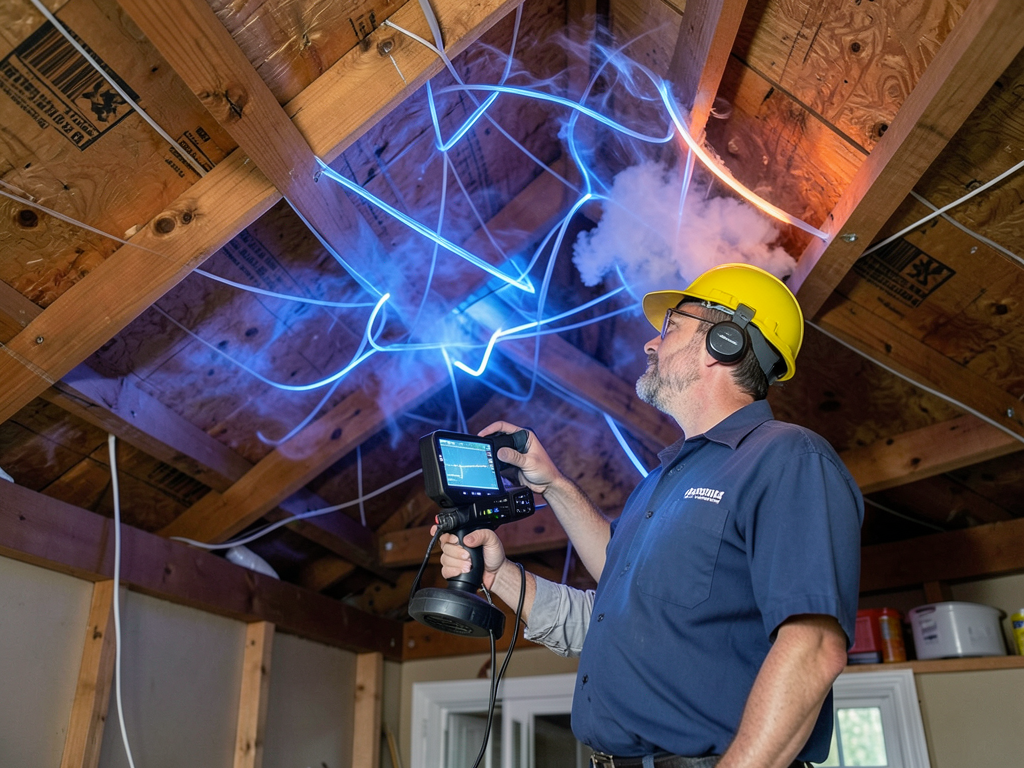
- Thermal Imaging Scan
We use infrared cameras to identify hot spots and airflow blockages in your attic space. This reveals insulation gaps and moisture problems that aren’t visible to the naked eye.
- Airflow Testing
Using an anemometer, we measure actual CFM (cubic feet per minute) movement through existing vents to determine if your system meets code requirements.
- Insulation Evaluation
We check R-value levels and identify compression or moisture damage that reduces effectiveness.
- Moisture Assessment
Moisture meters detect hidden water intrusion that could lead to mold or structural damage.
- System Design
Based on our findings, we create a customized ventilation plan that addresses your specific home’s needs.
Every Maineville home is different. A 1970s ranch in Landen has different ventilation needs than a 2010s colonial in the Little Miami area. That’s why we never recommend a one-size-fits-all solution. Our NATE-certified technicians understand how Ohio’s climate affects ventilation performance throughout the year.
Building Code Requirements for Attic Ventilation
Ohio building codes require specific ventilation ratios to ensure proper attic airflow. According to the 2017 Ohio Building Code Section 1203.2, residential attics must have net free ventilation area equal to 1/150 of the attic floor area, though this can be reduced to 1/300 with certain conditions like vapor barriers.
In Maineville’s climate zone, proper ventilation isn’t just about comfort—it’s about preventing moisture damage and extending roof life. The International Residential Code (IRC) mandates that ventilation openings be protected against the entrance of rain and snow, and that they provide at least 40% of the required ventilating area in upper portion of the attic space.
Many older homes in Hamilton Township were built before these codes existed. That doesn’t mean they’re exempt from current standards—it means they need updates to meet modern efficiency and safety requirements. Our ventilation upgrades bring your home into compliance while solving your comfort issues.
Energy Savings and ROI for Maineville Homeowners
Improving your attic ventilation can reduce your cooling costs by 15-25% during Cincinnati’s humid summers. Here’s how the math works: When your attic temperature drops from 150°F to 120°F, your ceiling temperature decreases by 10-15 degrees. This means your AC doesn’t have to work as hard to cool your living spaces.
For a typical 2,000-square-foot Maineville home, that translates to $30-50 per month in energy savings during the cooling season. Over a 5-year period, your ventilation investment can pay for itself through lower utility bills alone. Plus, you’ll extend the life of your HVAC equipment by reducing runtime hours.
The environmental impact matters too. By reducing your AC runtime, you’re lowering your carbon footprint and reducing strain on the electrical grid during peak demand periods. Many Duke Energy customers qualify for energy efficiency rebates when they improve their home’s ventilation and insulation.
Preventing Ice Dams and Winter Moisture Problems
Attic ventilation isn’t just a summer issue. In Maineville’s harsh Ohio winters, poor ventilation causes ice dams that can damage your roof and gutters. When warm air from your living space escapes into a poorly ventilated attic, it melts snow on your roof. This water refreezes at the eaves, creating ice dams that force water under your shingles.
Proper ventilation creates a cold roof assembly that maintains consistent temperature across your entire roof surface. This prevents the freeze-thaw cycle that causes ice dam formation. During our winter inspections, we often find that homes with ventilation problems also have condensation issues that lead to mold growth on attic sheathing.
The stack effect reverses in winter—warm air from your heated living spaces rises and escapes through ceiling penetrations. Without proper ventilation, this warm, moist air gets trapped in your attic, condensing on cold surfaces and creating ideal conditions for mold and mildew growth.
Local Architecture and Ventilation Considerations
Maineville’s housing stock includes a mix of architectural styles, each with unique ventilation challenges. Ranch-style homes common in newer developments often have simple roof structures that make ridge vent installation straightforward. However, many older colonials and split-levels in the area have complex rooflines that require customized ventilation solutions.
Homes near the Little Miami River area often face additional moisture challenges due to the proximity to water. The high humidity levels in this microclimate can exacerbate ventilation problems, making proper airflow even more critical. We’ve found that homes in this area benefit from enhanced moisture control systems combined with standard ventilation upgrades.
The age of your home also matters. Pre-1980s construction often lacks proper vapor barriers and may have insulation that’s been compressed over time. These homes typically need more comprehensive ventilation solutions than newer construction that was built to current energy codes.
Why Professional Installation Matters
DIY attic ventilation might seem straightforward, but improper installation can create more problems than it solves. Cutting in a vent without understanding your home’s airflow dynamics can create negative pressure that pulls conditioned air from your living spaces. This makes your AC work harder and increases your energy bills.
Our technicians are trained to diagnose the complete ventilation system, not just install individual components. We understand how soffit vents, ridge vents, and mechanical systems work together to create balanced airflow. We also know how to navigate Maineville’s specific building requirements and permit processes.
Professional installation ensures your ventilation system meets code requirements, functions as designed, and doesn’t create new problems like roof leaks or structural damage. We warranty our work and stand behind every installation with Five Star HVAC’s satisfaction guarantee. HVAC Warranty Guide.
Frequently Asked Questions
How much does attic ventilation improvement cost in Maineville?
Most Maineville homeowners invest between $1,500 and $3,500 for comprehensive ventilation upgrades, depending on your home’s size and the complexity of the work needed. This includes professional assessment, installation, and compliance verification.
Can I just add more insulation instead of improving ventilation?
Insulation and ventilation work together, but one doesn’t replace the other. Adding insulation without proper ventilation can trap heat and moisture, potentially causing more problems than it solves. You need both for optimal performance.
How long does a ventilation improvement project take?
Most residential ventilation projects in Maineville are completed in one day. The assessment takes 1-2 hours, and installation typically requires 4-6 hours depending on the scope of work.
Take Control of Your Home’s Comfort Today
Don’t let another summer pass with a scorching second floor and sky-high energy bills. Your attic ventilation problems won’t fix themselves, and every month you wait is costing you money and comfort. Five Star HVAC has been solving Maineville’s toughest ventilation challenges since we opened our doors, and we understand exactly what your home needs.
Our team serves all of Maineville and surrounding Hamilton Township neighborhoods. We offer free attic ventilation assessments that include thermal imaging and airflow testing—no obligation, just honest answers about what’s causing your comfort problems.
Call (513) 717-5155 today to schedule your free attic airflow audit. Our NATE-certified technicians will diagnose your specific ventilation issues and provide a clear plan to make your second floor comfortable again. Don’t wait until the next heat wave hits—take action now and start saving on your energy bills immediately.
Pick up the phone and call (513) 717-5155 before the next storm hits. Your comfort and your wallet will thank you. For more information, visit U.S. Department of Energy ventilation guide. For more information, visit EPA HVAC and indoor air quality resources.
{
“@context”: “https://schema.org”,
“@type”: “BlogPosting”,
“headline”: “Keeping Your Attic From Overheating Your Second Floor in Maineville”,
“description”: “Is your second floor scorching hot? Learn how attic ventilation impacts your Maineville home’s cooling system and energy bills. Expert solutions from Five Star HVAC.”,
“wordCount”: 1861,
“datePublished”: “2026-03-20T14:54:00.000Z”,
“dateModified”: “2026-03-20T14:54:00.000Z”,
“inLanguage”: “en-US”,
“mainEntityOfPage”: {
“@type”: “WebPage”,
“@id”: “https://fivestarhvaccincinnati.com”
},
“publisher”: {
“@type”: “LocalBusiness”,
“name”: “Five Star HVAC Cincinnati”,
“url”: “https://fivestarhvaccincinnati.com”
},
“author”: {
“@type”: “Organization”,
“name”: “Five Star HVAC Cincinnati”,
“url”: “https://fivestarhvaccincinnati.com”
},
“image”: {
“@type”: “ImageObject”,
“url”: “https://fivestarhvaccincinnati.com/wp-content/uploads/2026/03/keeping-your-attic-from-overheating-your-second-fl-1.png”
}
}
{
“@context”: “https://schema.org”,
“@type”: “HVACBusiness”,
“name”: “Five Star HVAC Cincinnati”,
“url”: “https://fivestarhvaccincinnati.com”,
“address”: {
“@type”: “PostalAddress”,
“addressLocality”: “Cincinnati”
},
“areaServed”: {
“@type”: “City”,
“name”: “Cincinnati”
}
}
{
“@context”: “https://schema.org”,
“@type”: “FAQPage”,
“mainEntity”: [
{
“@type”: “Question”,
“name”: “How much does attic ventilation improvement cost in Maineville?”,
“acceptedAnswer”: {
“@type”: “Answer”,
“text”: “Most Maineville homeowners invest between $1,500 and $3,500 for comprehensive ventilation upgrades, depending on your home’s size and the complexity of the work needed. This includes professional assessment, installation, and compliance verification.”
}
},
{
“@type”: “Question”,
“name”: “Can I just add more insulation instead of improving ventilation?”,
“acceptedAnswer”: {
“@type”: “Answer”,
“text”: “Insulation and ventilation work together, but one doesn’t replace the other. Adding insulation without proper ventilation can trap heat and moisture, potentially causing more problems than it solves. You need both for optimal performance.”
}
},
{
“@type”: “Question”,
“name”: “How long does a ventilation improvement project take?”,
“acceptedAnswer”: {
“@type”: “Answer”,
“text”: “Most residential ventilation projects in Maineville are completed in one day. The assessment takes 1-2 hours, and installation typically requires 4-6 hours depending on the scope of work.”
}
}
]
}
{
“@context”: “https://schema.org”,
“@type”: “HowTo”,
“name”: “Attic Ventilation Assessment Process”,
“step”: [
{
“@type”: “HowToStep”,
“position”: 1,
“name”: “Thermal Imaging Scan”,
“text”: “We use infrared cameras to identify hot spots and airflow blockages in your attic space. This reveals insulation gaps and moisture problems that aren’t visible to the naked eye.”
},
{
“@type”: “HowToStep”,
“position”: 2,
“name”: “Airflow Testing”,
“text”: “Using an anemometer, we measure actual CFM (cubic feet per minute) movement through existing vents to determine if your system meets code requirements.”
},
{
“@type”: “HowToStep”,
“position”: 3,
“name”: “Insulation Evaluation”,
“text”: “We check R-value levels and identify compression or moisture damage that reduces effectiveness.”
},
{
“@type”: “HowToStep”,
“position”: 4,
“name”: “Moisture Assessment”,
“text”: “Moisture meters detect hidden water intrusion that could lead to mold or structural damage.”
},
{
“@type”: “HowToStep”,
“position”: 5,
“name”: “System Design”,
“text”: “Based on our findings, we create a customized ventilation plan that addresses your specific home’s needs.”
}
],
“image”: “https://fivestarhvaccincinnati.com/wp-content/uploads/2026/03/keeping-your-attic-from-overheating-your-second-fl-1.png”
}
{
“@context”: “https://schema.org”,
“@type”: “BreadcrumbList”,
“itemListElement”: [
{
“@type”: “ListItem”,
“position”: 1,
“name”: “Home”,
“item”: “https://fivestarhvaccincinnati.com”
},
{
“@type”: “ListItem”,
“position”: 2,
“name”: “Blog”,
“item”: “https://fivestarhvaccincinnati.com/blog”
},
{
“@type”: “ListItem”,
“position”: 3,
“name”: “Keeping Your Attic From Overheating Your Second Floor in Maineville”
}
]
}
{
“@context”: “https://schema.org”,
“@type”: “Service”,
“serviceType”: “HVAC”,
“provider”: {
“@type”: “LocalBusiness”,
“name”: “Five Star HVAC Cincinnati”,
“url”: “https://fivestarhvaccincinnati.com”
},
“areaServed”: {
“@type”: “City”,
“name”: “Cincinnati”
},
“description”: “Is your second floor scorching hot? Learn how attic ventilation impacts your Maineville home’s cooling system and energy bills. Expert solutions from Five Star HVAC.”
}