
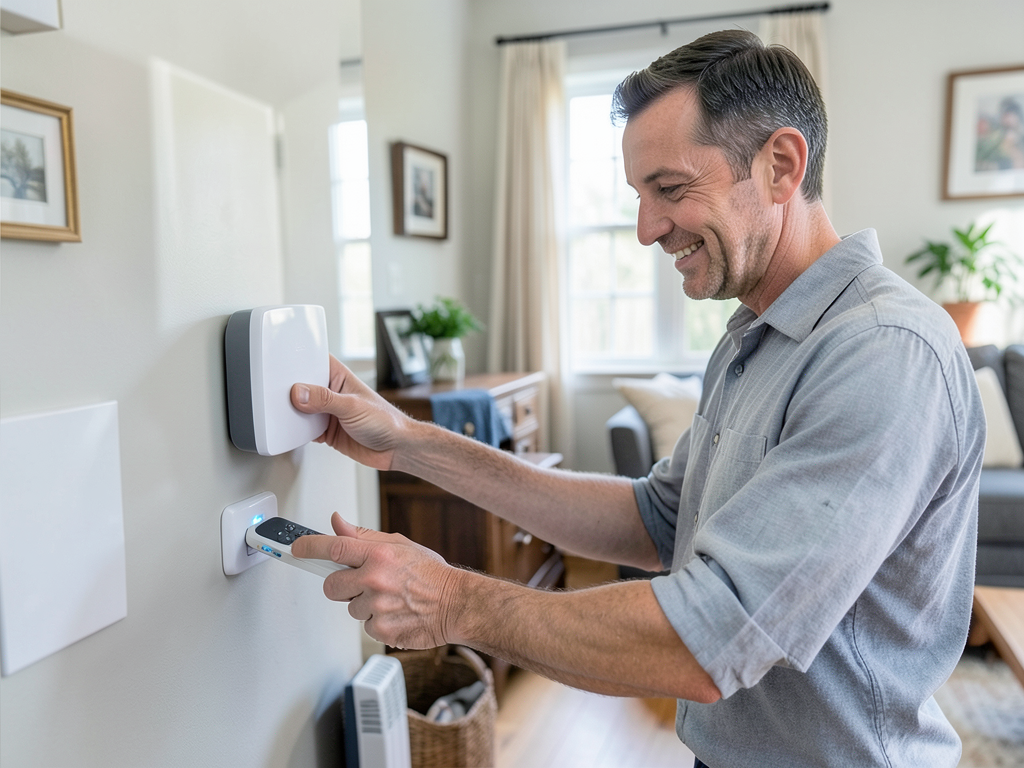
Managing comfort in a multi-generational Blue Ash home often feels like a constant battle. Seniors need warmer temperatures while young children require cooler sleeping conditions. With Cincinnati’s extreme seasonal swings from humid summers to freezing winters, finding the right balance becomes even more challenging. This guide breaks down the science behind age-specific comfort needs and shows you how modern HVAC solutions can keep everyone happy without breaking the bank. HVAC Warranty Guide.
Ideal Thermostat Settings by Age: From Newborns to Seniors
Different age groups have unique thermal comfort requirements based on their metabolism and circulation. Understanding these differences helps you set realistic expectations for your household thermostat.
| Age Group | Daytime Setting | Nighttime Setting | Health Considerations |
|---|---|---|---|
| Newborns (0-12 months) | 68-72°F | 65-70°F | Risk of SIDS increases above 72°F |
| Children (1-12 years) | 70-74°F | 68-72°F | Active metabolism generates more heat |
| Adults (18-64 years) | 68-72°F | 65-70°F | Standard comfort range |
| Seniors (65+ years) | 70-74°F | 68-72°F | Thinning skin and poor circulation |
According to the National Institute on Aging, seniors often feel cold because their metabolic rate slows and blood vessels become less efficient at distributing heat. This means a 72°F room that feels comfortable to a 30-year-old might leave Grandma shivering. Meanwhile, infants can’t regulate their body temperature as effectively, making them vulnerable to overheating.
Seasonal Settings for Cincinnati: Navigating Ohio’s Humidity and Cold
Cincinnati’s climate presents unique challenges for multi-generational comfort. The Ohio River Valley’s high humidity in summer and polar vortex winters in January require different strategies throughout the year.
| Season | Humidity Level | Recommended Range | Cincinnati Challenge |
|---|---|---|---|
| Summer | 70%+ (July) | 72-76°F | Feels 3-5°F warmer due to humidity |
| Winter | 20-30% | 68-72°F | Dry air feels colder than actual temperature |
| Spring/Fall | 50-60% | 68-74°F | Rapid temperature swings common |
The American Society of Heating, Refrigerating and Air-Conditioning Engineers (ASHRAE) Standard 55 recommends maintaining relative humidity between 30-60% for optimal comfort and health. In Cincinnati’s July heat, a 76°F room with 75% humidity creates a heat index of approximately 80°F, making everyone feel warmer than the thermostat reading. ASHRAE Standard 55.
HVAC Solutions for Multi-Generational Homes: Zoning Systems and Smart Tech
Modern HVAC technology offers several solutions to the multi-generational comfort challenge. The key is creating zones within your home where different temperature settings can coexist.
- System Assessment
A certified technician evaluates your home’s layout, existing ductwork, and comfort issues. They measure airflow at each register and identify problem areas.
- Zone Design
Based on the assessment, the technician creates zones that group rooms with similar usage patterns and thermal characteristics.
- Equipment Selection
Options include motorized dampers for ducted systems or ductless mini-splits for areas without existing ductwork.
- Smart Thermostat Integration
Modern systems connect to smartphones, allowing individual zone control from anywhere.
- Installation and Calibration
The system is installed, tested, and calibrated to ensure proper airflow and temperature control in each zone.
Ductless mini-split systems work exceptionally well for Blue Ash homes with finished basements or in-law suites. These systems allow you to maintain 74°F in a senior’s bedroom while keeping the main living area at 72°F, all without running new ductwork through finished spaces.
Smart thermostats with remote sensors provide another layer of control. Place sensors in different rooms to get accurate temperature readings rather than relying on a single hallway thermostat. Some systems even learn occupancy patterns and adjust automatically.
Energy Saving Tips Without Sacrificing Family Comfort
Running multiple temperature zones might seem like it would increase energy costs, but strategic management can actually reduce your utility bills. The U.S. Department of Energy reports that proper zoning can save 20-30% on heating and cooling costs. U.S. Department of Energy HVAC efficiency guidelines.
- Program setbacks during typical sleeping hours when certain zones are unoccupied
- Use ceiling fans to circulate air and create a wind-chill effect in summer
- Install thermal curtains to reduce heat gain in south-facing rooms
- Seal ductwork to prevent conditioned air from escaping
- Schedule annual maintenance to keep systems running at peak efficiency
Consider the occupancy patterns in your Blue Ash home. If the basement suite is only used during the day, program that zone to reduce heating or cooling at night. Similarly, bedrooms can be set back during waking hours when people are in common areas. Cooling Tower Services.
Energy Star certified HVAC equipment meets strict efficiency guidelines set by the EPA. When upgrading, look for equipment with high Seasonal Energy Efficiency Ratio (SEER) ratings for cooling and Annual Fuel Utilization Efficiency (AFUE) ratings for heating.
When to Call a Cincinnati HVAC Professional
Certain signs indicate it’s time to bring in a professional rather than continuing to battle with your thermostat. Understanding these warning signals can prevent costly repairs and ensure everyone stays comfortable. 24/7 AC repair for restaurants and small businesses in Downtown Cincinnati.
Strange noises from your HVAC system often signal developing problems. A squealing sound might indicate a failing blower motor bearing, while rattling could mean loose components. These issues rarely resolve themselves and typically worsen over time.
Uneven heating or cooling throughout your home suggests airflow problems or inadequate system capacity. If one room consistently feels 5+ degrees different from the thermostat setting, your system may need balancing or zone control installation.
Rising energy bills without increased usage often point to efficiency problems. Dirty coils, clogged filters, or refrigerant leaks force your system to work harder, consuming more energy while delivering less comfort.
Humidity problems also require professional attention. If your home feels clammy in summer or excessively dry in winter despite proper thermostat settings, your system may need humidity control equipment or duct sealing.
According to Hamilton County Building Code requirements, any major HVAC modifications must meet current mechanical code standards. This includes proper permit documentation and inspections to ensure safe, efficient operation.
For Blue Ash residents dealing with multi-generational comfort issues, a professional assessment can identify whether simple adjustments, equipment upgrades, or complete system redesign offers the best solution for your specific situation. Why Mason residents trust us for their annual HVAC maintenance and tune-ups.
Frequently Asked Questions
What’s the best thermostat setting for a home with both elderly parents and young children?
Set the main thermostat to 72°F as a compromise, then use supplemental heating or cooling in specific rooms based on individual needs. Seniors may need an electric blanket or space heater in their room, while children’s bedrooms can use fans or slightly cooler settings.
How much can zoning really save on energy costs?
Properly designed HVAC zoning systems typically save 20-30% on annual heating and cooling costs by eliminating wasted energy in unoccupied spaces. The savings often offset the initial installation cost within 3-5 years.
Are ductless mini-splits worth it for Blue Ash homes?
Yes, especially for homes with finished basements, additions, or in-law suites. They provide efficient, quiet heating and cooling without the need for extensive ductwork modifications, making them ideal for older Blue Ash neighborhoods with established homes.
How often should I replace my HVAC filters in a multi-generational home?
Check filters monthly and replace every 60-90 days minimum. Homes with pets, allergies, or high occupancy may need monthly replacement. Clean filters improve airflow and system efficiency while reducing airborne irritants.
Call (513) 717-5155 today to schedule your multi-generational comfort assessment. Our Blue Ash HVAC experts will evaluate your home’s specific needs and design a system that keeps every generation comfortable year-round.
You may also find this helpful. Why your Finneytown sunroom stays uncomfortable even when the AC is blasting.
{
“@context”: “https://schema.org”,
“@type”: “BlogPosting”,
“headline”: “Balancing the thermostat for multiple generations living in one Blue Ash household”,
“description”: “Discover how to keep every generation comfortable in your Blue Ash home. Learn ideal temperature settings for seniors, infants, and adults plus smart HVAC solutions.”,
“wordCount”: 1211,
“datePublished”: “2026-05-07T12:45:00.000Z”,
“dateModified”: “2026-05-07T12:45:00.000Z”,
“inLanguage”: “en-US”,
“mainEntityOfPage”: {
“@type”: “WebPage”,
“@id”: “https://fivestarhvaccincinnati.com”
},
“publisher”: {
“@type”: “LocalBusiness”,
“name”: “Five Star HVAC Cincinnati”,
“url”: “https://fivestarhvaccincinnati.com”
},
“author”: {
“@type”: “Organization”,
“name”: “Five Star HVAC Cincinnati”,
“url”: “https://fivestarhvaccincinnati.com”
},
“image”: {
“@type”: “ImageObject”,
“url”: “https://fivestarhvaccincinnati.com/wp-content/uploads/2026/03/balancing-the-thermostat-for-multiple-generations-1.png”
}
}
{
“@context”: “https://schema.org”,
“@type”: “HVACBusiness”,
“name”: “Five Star HVAC Cincinnati”,
“url”: “https://fivestarhvaccincinnati.com”,
“address”: {
“@type”: “PostalAddress”,
“addressLocality”: “Cincinnati”
},
“areaServed”: {
“@type”: “City”,
“name”: “Cincinnati”
}
}
{
“@context”: “https://schema.org”,
“@type”: “FAQPage”,
“mainEntity”: [
{
“@type”: “Question”,
“name”: “What’s the best thermostat setting for a home with both elderly parents and young children?”,
“acceptedAnswer”: {
“@type”: “Answer”,
“text”: “Set the main thermostat to 72°F as a compromise, then use supplemental heating or cooling in specific rooms based on individual needs. Seniors may need an electric blanket or space heater in their room, while children’s bedrooms can use fans or slightly cooler settings.”
}
},
{
“@type”: “Question”,
“name”: “How much can zoning really save on energy costs?”,
“acceptedAnswer”: {
“@type”: “Answer”,
“text”: “Properly designed HVAC zoning systems typically save 20-30% on annual heating and cooling costs by eliminating wasted energy in unoccupied spaces. The savings often offset the initial installation cost within 3-5 years.”
}
},
{
“@type”: “Question”,
“name”: “Are ductless mini-splits worth it for Blue Ash homes?”,
“acceptedAnswer”: {
“@type”: “Answer”,
“text”: “Yes, especially for homes with finished basements, additions, or in-law suites. They provide efficient, quiet heating and cooling without the need for extensive ductwork modifications, making them ideal for older Blue Ash neighborhoods with established homes.”
}
},
{
“@type”: “Question”,
“name”: “How often should I replace my HVAC filters in a multi-generational home?”,
“acceptedAnswer”: {
“@type”: “Answer”,
“text”: “Check filters monthly and replace every 60-90 days minimum. Homes with pets, allergies, or high occupancy may need monthly replacement. Clean filters improve airflow and system efficiency while reducing airborne irritants.”
}
}
]
}
{
“@context”: “https://schema.org”,
“@type”: “HowTo”,
“name”: “HVAC Zoning Installation Process”,
“step”: [
{
“@type”: “HowToStep”,
“position”: 1,
“name”: “System Assessment”,
“text”: “A certified technician evaluates your home’s layout, existing ductwork, and comfort issues. They measure airflow at each register and identify problem areas.”
},
{
“@type”: “HowToStep”,
“position”: 2,
“name”: “Zone Design”,
“text”: “Based on the assessment, the technician creates zones that group rooms with similar usage patterns and thermal characteristics.”
},
{
“@type”: “HowToStep”,
“position”: 3,
“name”: “Equipment Selection”,
“text”: “Options include motorized dampers for ducted systems or ductless mini-splits for areas without existing ductwork.”
},
{
“@type”: “HowToStep”,
“position”: 4,
“name”: “Smart Thermostat Integration”,
“text”: “Modern systems connect to smartphones, allowing individual zone control from anywhere.”
},
{
“@type”: “HowToStep”,
“position”: 5,
“name”: “Installation and Calibration”,
“text”: “The system is installed, tested, and calibrated to ensure proper airflow and temperature control in each zone.”
}
],
“image”: “https://fivestarhvaccincinnati.com/wp-content/uploads/2026/03/balancing-the-thermostat-for-multiple-generations-1.png”
}
{
“@context”: “https://schema.org”,
“@type”: “BreadcrumbList”,
“itemListElement”: [
{
“@type”: “ListItem”,
“position”: 1,
“name”: “Home”,
“item”: “https://fivestarhvaccincinnati.com”
},
{
“@type”: “ListItem”,
“position”: 2,
“name”: “Blog”,
“item”: “https://fivestarhvaccincinnati.com/blog”
},
{
“@type”: “ListItem”,
“position”: 3,
“name”: “Balancing the thermostat for multiple generations living in one Blue Ash household”
}
]
}
{
“@context”: “https://schema.org”,
“@type”: “Service”,
“serviceType”: “HVAC”,
“provider”: {
“@type”: “LocalBusiness”,
“name”: “Five Star HVAC Cincinnati”,
“url”: “https://fivestarhvaccincinnati.com”
},
“areaServed”: {
“@type”: “City”,
“name”: “Cincinnati”
},
“description”: “Discover how to keep every generation comfortable in your Blue Ash home. Learn ideal temperature settings for seniors, infants, and adults plus smart HVAC solutions.”
}