
How to choose between a standard heat pump and a high velocity system for your Northside Victorian
Choosing between a standard heat pump and a high velocity system for your Northside Victorian means understanding two different approaches to heating and cooling. A standard heat pump uses conventional ductwork to deliver conditioned air throughout your home. A high velocity system uses small flexible ducts to move air at higher speeds through 2-inch openings in your walls and ceilings. Both can heat and cool your home but they work differently and fit different home layouts. Cooling Tower Services.
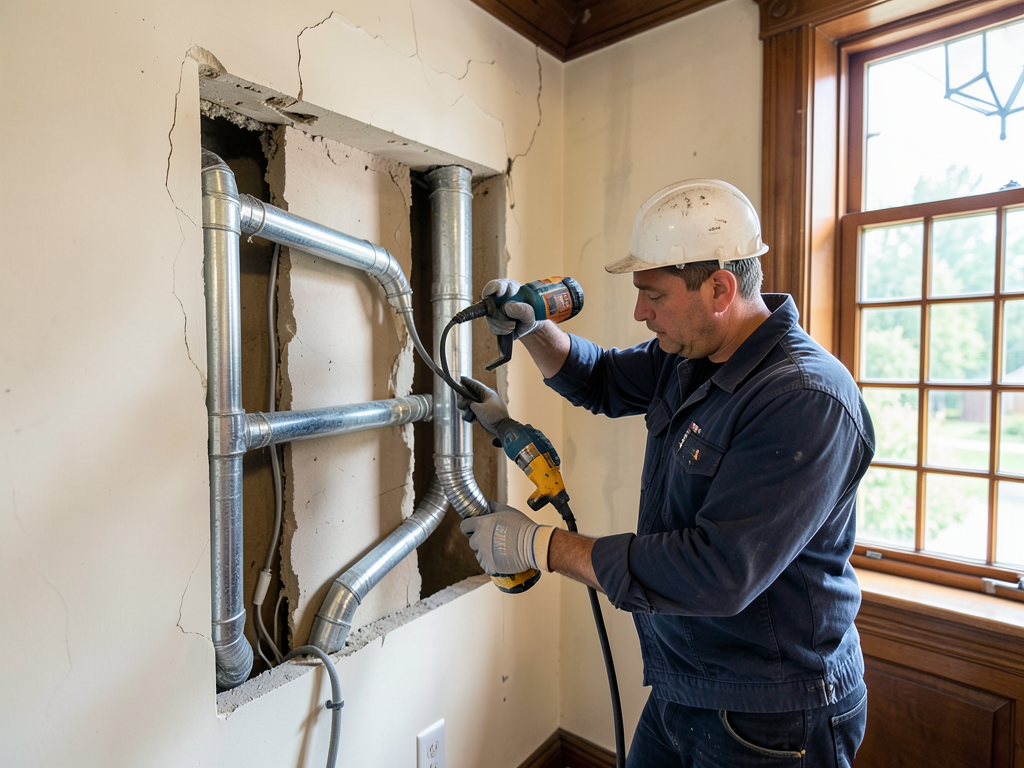
Your Northside Victorian likely has plaster walls and limited space for traditional ducts. The high velocity system’s small tubing can run through existing wall cavities without major demolition. Standard heat pumps need larger rectangular ducts that often require soffits or chases. Both systems use heat pump technology to provide heating in winter and cooling in summer but the delivery method changes everything from installation cost to comfort level.. Read more about Preparing your Sharonville HVAC system for a sudden Ohio Valley flash freeze.
Understanding the core differences between delivery systems
The main difference comes down to how air moves through your home. Standard heat pumps push air through large ducts at lower speeds. This creates gentle airflow but requires significant space. High velocity systems push air through small tubes at much higher speeds. This creates what technicians call “aspiration” where the fast-moving air pulls surrounding air into the stream mixing temperatures more quickly.
A high velocity system can use a heat pump as its source. The outdoor unit works the same way but connects to a different air handler. This means you can have the space-saving benefits of high velocity with the efficiency of modern heat pump technology. The choice isn’t always heat pump versus high velocity but rather how you want the air delivered to each room.
Standard systems work best in homes built with ductwork in mind. New construction or homes with accessible basements and attics make installation straightforward. High velocity systems excel in retrofit situations where preserving original architecture matters. The small outlets can be painted to match walls and placed where they won’t disrupt historic details.
Why high velocity systems work well in historic Cincinnati neighborhoods
Northside’s Victorian homes built in the late 1800s and early 1900s weren’t designed for central air. These homes often have coal-fired or boiler heating systems with no ductwork. Adding standard central air means either extensive demolition or unsightly soffits that break the home’s historic character.. Read more about Why a steam boiler might be the best way to heat your historic mansion in Avondale.
High velocity systems preserve architectural integrity. The 2-inch flexible ducts snake through wall cavities and floor joists without removing plaster. Outlets can be painted to disappear against walls. This matters in Northside where many homes sit in historic districts with strict preservation guidelines. HVAC Warranty Guide.
Cincinnati’s climate adds another layer of complexity. Our humid summers mean effective dehumidification matters as much as cooling. High velocity systems remove more moisture per ton of cooling than standard systems. This happens because the air moves faster across the cooling coil creating better water removal. In a humid climate like ours this can mean more comfortable indoor conditions at higher thermostat settings.
The Ohio Valley’s temperature swings also test heating systems. High velocity systems heat and cool rooms more quickly than standard systems. This rapid response can be valuable when outdoor temperatures change suddenly during Cincinnati’s unpredictable shoulder seasons.
Performance comparison: comfort and efficiency
Cooling and dehumidification capabilities
High velocity systems typically remove 30% more moisture than standard systems of the same capacity. This matters in Cincinnati where summer humidity often exceeds 70%. The fast air movement across the cooling coil creates better water runoff. You feel cooler at higher temperatures because the air feels less “clammy.”
Standard heat pumps with variable speed blowers can also provide good dehumidification. They run longer at lower speeds which allows more moisture removal. The tradeoff is slower temperature response. In a home where you want quick comfort after outdoor activities high velocity systems respond faster.
Heating capacity in cold weather
Modern cold-climate heat pumps work well in Cincinnati’s winters. Most maintain capacity down to about 5 degrees Fahrenheit. High velocity systems distribute heat quickly but the fast air movement can sometimes feel drafty if not properly designed. Standard systems provide gentler heating that some people find more comfortable.. Read more about Managing proper ventilation for the narrow painted ladies of Columbia Tusculum.
The key measurement is how many BTUs each system delivers at typical Cincinnati winter temperatures. Both can heat your home but the distribution pattern differs. High velocity systems might need more careful zoning to avoid temperature swings between rooms.
Sound levels and visual impact
High velocity systems operate at higher air velocities which creates more air noise. Modern units have sound attenuators but you’ll still hear more airflow than with a standard system. The outlets are much smaller than standard registers which helps them blend into historic interiors.
Standard systems run quieter at the registers but require larger visible grilles. The bigger tradeoff is the ductwork itself. In a Northside Victorian you might need bulkheads or dropped ceilings to hide standard ducts. This architectural impact often outweighs minor noise differences.
Installation requirements and retrofitting challenges
Installing a standard heat pump in a Northside Victorian typically means either accepting visible ductwork or undertaking major renovations. The rectangular ducts need 14 inches or more of height. This often requires building soffits that run along walls or across ceilings. In rooms with 9-foot or higher ceilings these soffits can feel intrusive.
High velocity installation uses 2-inch flexible tubing that can turn corners easily. Technicians can often run these through existing wall cavities without removing plaster. The main challenge becomes finding space for the air handler. This usually goes in an attic, closet, or mechanical room.
The installation process differs significantly. Standard systems might take 3-5 days with extensive drywall work. High velocity systems often install in 2-3 days with minimal wall damage. For historic homes this reduced demolition means lower restoration costs and faster project completion.
Both systems need proper drainage. Cincinnati’s building code requires condensate drains to connect to the home’s plumbing system. High velocity systems produce more condensate due to better dehumidification so drain line sizing becomes critical. Improper drainage causes the most common service calls in both system types.
Cost analysis: upfront investment versus long-term value
High velocity systems typically cost 20-30% more than standard heat pumps for similar capacity. The equipment itself costs more and the specialized installation requires trained technicians. However, when you factor in the cost of hiding ductwork in a historic home the total project cost often comes out similar.
Energy efficiency ratings matter for both systems. Modern heat pumps achieve SEER2 ratings of 18-22. High velocity systems lose a small amount of efficiency due to the higher static pressure but the difference is usually 1-2 SEER points. Over 15-20 years this efficiency difference costs a few hundred dollars in electricity.
Maintenance costs run similar for both systems. High velocity units need annual cleaning of sound attenuators and velocity stacks. Standard systems need duct cleaning every 5-7 years. Both benefit from seasonal tune-ups that check refrigerant levels and electrical connections. Furnace Maintenance Checklist.
Duke Energy offers rebates for high-efficiency heat pumps that apply to both system types. Current incentives can reduce installation costs by $300-600 depending on the equipment’s efficiency rating. These rebates make the efficiency difference between systems even less significant financially.
Decision guide: which system fits your Northside home
Choose high velocity if you want to preserve historic plaster walls and woodwork. If your home has original details you don’t want to disturb high velocity systems offer the best path to modern comfort without destroying character. This system works best when space is at a premium and you can’t sacrifice ceiling height for ductwork.
Choose standard heat pump if you’re already planning renovations or if your home has accessible attic or basement space. If you can afford to build soffits or drop ceilings for duct concealment standard systems provide gentle airflow and proven reliability. This option works well when budget matters more than preserving every original detail.
Consider a hybrid approach for complex homes. Some Northside Victorians use high velocity for second-floor bedrooms while keeping standard ducted systems for first-floor public spaces. This balances preservation with comfort where different areas have different priorities.
Think about your climate tolerance. High velocity systems respond faster to temperature changes which helps during Cincinnati’s humid summers. If you run hot and want quick cooling the rapid response might justify the higher cost. If you prefer steady temperatures and don’t mind waiting for comfort standard systems work well.
Ask about zoning capabilities. Both systems can support multiple zones but implementation differs. High velocity zoning uses smaller dampers that fit in the compact ducts. Standard zoning needs larger dampers that sometimes require additional ductwork. Good zoning prevents heating or cooling unused rooms which saves energy year-round.
Frequently Asked Questions
Can I install a high velocity system myself to save money?
High velocity systems require specialized training and tools. The small ducts need precise installation to avoid noise issues. EPA regulations also require certified technicians for refrigerant handling. DIY installation voids warranties and often creates more expensive problems than it solves. EPA guidelines on indoor air quality.
How long do high velocity systems typically last in Cincinnati’s climate?
Both high velocity and standard heat pump systems typically last 15-20 years with proper maintenance. Cincinnati’s humidity and temperature swings don’t significantly impact lifespan when systems receive annual tune-ups. The main factor affecting longevity is installation quality rather than system type.
Will a high velocity system increase my home’s resale value?
High velocity systems can increase value in historic Northside homes by preserving architectural integrity while adding modern comfort. Buyers often pay premiums for homes that maintain original character while providing efficient heating and cooling. The key is professional installation that doesn’t damage historic features.
Do high velocity systems work with smart thermostats?
Yes, high velocity systems work with most smart thermostats. The wiring connections are similar to standard systems. Smart thermostats can actually help optimize high velocity performance by learning your home’s quick response characteristics and adjusting cycles accordingly.. Read more about Is duct cleaning actually worth it for older homes in the Gaslight District of Clifton?.
What maintenance do high velocity systems need that standard systems don’t?
High velocity systems need annual cleaning of sound attenuators and velocity stacks to prevent whistling. The small ducts can also accumulate more dust in their sound muffling material. Standard systems need periodic duct cleaning but don’t have these specialized components requiring attention.. Read more about Maintaining the clean lines of an Amberley Village mid-century modern home while upgrading the AC.
Making your final decision
Your choice between high velocity and standard heat pump systems ultimately depends on your home’s specific layout and your priorities. If preserving Northside’s historic character matters most high velocity systems offer the best solution. If budget and proven technology matter more standard systems provide reliable comfort. How to find a reliable AC repair company in Hyde Park without overpaying.
Both systems can provide excellent heating and cooling for your Victorian home. The key is matching the delivery method to your home’s architecture and your comfort preferences. Consider getting both quotes and having technicians explain how each would work in your specific floor plan.
Ready to upgrade your Northside Victorian’s comfort system? Call (513) 717-5155 today to schedule your inspection. Our technicians can evaluate your home’s layout and help you choose the system that fits your needs and budget. Don’t wait for the next heat wave to discover your current system can’t keep up.
Pick up the phone and call (513) 717-5155 before the next storm hits. We’ll help you make the right choice between high velocity and standard heat pump systems for your historic Cincinnati home. For more information, visit U.S. Department of Energy heat pump guide.
{
“@context”: “https://schema.org”,
“@type”: “BlogPosting”,
“headline”: “How to choose between a standard heat pump and a high velocity system for your Northside Victorian”,
“description”: “Compare high velocity HVAC vs heat pump for your Northside Victorian. Learn which system fits your historic home’s needs in Cincinnati’s humid climate.”,
“wordCount”: 1935,
“datePublished”: “2026-05-16T06:45:00.000Z”,
“dateModified”: “2026-05-16T06:45:00.000Z”,
“inLanguage”: “en-US”,
“mainEntityOfPage”: {
“@type”: “WebPage”,
“@id”: “https://fivestarhvaccincinnati.com”
},
“publisher”: {
“@type”: “LocalBusiness”,
“name”: “Five Star HVAC Cincinnati”,
“url”: “https://fivestarhvaccincinnati.com”
},
“author”: {
“@type”: “Organization”,
“name”: “Five Star HVAC Cincinnati”,
“url”: “https://fivestarhvaccincinnati.com”
},
“image”: {
“@type”: “ImageObject”,
“url”: “https://fivestarhvaccincinnati.com/wp-content/uploads/2026/03/how-to-choose-between-a-standard-heat-pump-and-a-h-1.png”
}
}
{
“@context”: “https://schema.org”,
“@type”: “HVACBusiness”,
“name”: “Five Star HVAC Cincinnati”,
“url”: “https://fivestarhvaccincinnati.com”,
“address”: {
“@type”: “PostalAddress”,
“addressLocality”: “Cincinnati”
},
“areaServed”: {
“@type”: “City”,
“name”: “Cincinnati”
}
}
{
“@context”: “https://schema.org”,
“@type”: “FAQPage”,
“mainEntity”: [
{
“@type”: “Question”,
“name”: “Can I install a high velocity system myself to save money?”,
“acceptedAnswer”: {
“@type”: “Answer”,
“text”: “High velocity systems require specialized training and tools. The small ducts need precise installation to avoid noise issues. EPA regulations also require certified technicians for refrigerant handling. DIY installation voids warranties and often creates more expensive problems than it solves. EPA guidelines on indoor air quality.”
}
},
{
“@type”: “Question”,
“name”: “How long do high velocity systems typically last in Cincinnati’s climate?”,
“acceptedAnswer”: {
“@type”: “Answer”,
“text”: “Both high velocity and standard heat pump systems typically last 15-20 years with proper maintenance. Cincinnati’s humidity and temperature swings don’t significantly impact lifespan when systems receive annual tune-ups. The main factor affecting longevity is installation quality rather than system type.”
}
},
{
“@type”: “Question”,
“name”: “Will a high velocity system increase my home’s resale value?”,
“acceptedAnswer”: {
“@type”: “Answer”,
“text”: “High velocity systems can increase value in historic Northside homes by preserving architectural integrity while adding modern comfort. Buyers often pay premiums for homes that maintain original character while providing efficient heating and cooling. The key is professional installation that doesn’t damage historic features.”
}
},
{
“@type”: “Question”,
“name”: “Do high velocity systems work with smart thermostats?”,
“acceptedAnswer”: {
“@type”: “Answer”,
“text”: “Yes, high velocity systems work with most smart thermostats. The wiring connections are similar to standard systems. Smart thermostats can actually help optimize high velocity performance by learning your home’s quick response characteristics and adjusting cycles accordingly.”
}
},
{
“@type”: “Question”,
“name”: “What maintenance do high velocity systems need that standard systems don’t?”,
“acceptedAnswer”: {
“@type”: “Answer”,
“text”: “High velocity systems need annual cleaning of sound attenuators and velocity stacks to prevent whistling. The small ducts can also accumulate more dust in their sound muffling material. Standard systems need periodic duct cleaning but don’t have these specialized components requiring attention.”
}
}
]
}
{
“@context”: “https://schema.org”,
“@type”: “BreadcrumbList”,
“itemListElement”: [
{
“@type”: “ListItem”,
“position”: 1,
“name”: “Home”,
“item”: “https://fivestarhvaccincinnati.com”
},
{
“@type”: “ListItem”,
“position”: 2,
“name”: “Blog”,
“item”: “https://fivestarhvaccincinnati.com/blog”
},
{
“@type”: “ListItem”,
“position”: 3,
“name”: “How to choose between a standard heat pump and a high velocity system for your Northside Victorian”
}
]
}
{
“@context”: “https://schema.org”,
“@type”: “Service”,
“serviceType”: “HVAC”,
“provider”: {
“@type”: “LocalBusiness”,
“name”: “Five Star HVAC Cincinnati”,
“url”: “https://fivestarhvaccincinnati.com”
},
“areaServed”: {
“@type”: “City”,
“name”: “Cincinnati”
},
“description”: “Compare high velocity HVAC vs heat pump for your Northside Victorian. Learn which system fits your historic home’s needs in Cincinnati’s humid climate.”
}