
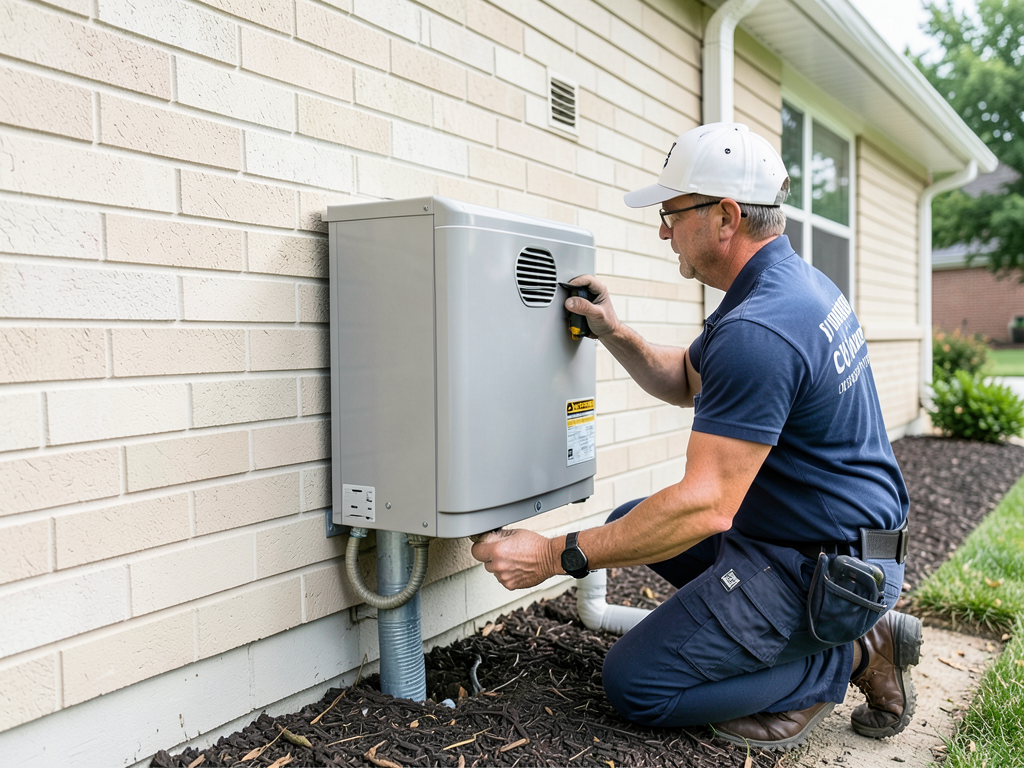
A local guide to claiming Duke Energy HVAC rebates for your Cincinnati home
Homeowners in Cincinnati looking to replace their aging furnace or air conditioner often find themselves facing a tough choice: pay the full price now or wait until something breaks. The good news is that Duke Energy offers substantial rebates through their Smart $aver program that can cut hundreds or even thousands of dollars off your installation cost. These rebates are designed to encourage energy-efficient upgrades that reduce strain on the local grid and lower your monthly utility bills. Duke Energy Smart $aver program.
The current program covers central air conditioners, air source heat pumps, and smart thermostats with specific efficiency requirements. Most homeowners qualify as long as they use a Duke Energy participating contractor and install equipment that meets the SEER2 and HSPF2 standards. The process is straightforward once you understand the eligibility rules and paperwork requirements.
Beyond Duke’s rebates, federal tax credits under the Inflation Reduction Act can add another 30% back on qualifying equipment. When combined, these incentives can dramatically reduce your out-of-pocket cost. The key is timing your purchase and choosing the right contractor who handles the rebate paperwork for you. federal Energy Efficient Home Improvement Credit.
Current Duke Energy Smart $aver rebate amounts for Cincinnati homeowners
Duke Energy’s Smart $aver program offers tiered rebates based on equipment efficiency ratings. Higher efficiency systems qualify for larger rebates, making premium equipment more affordable than you might expect.
| Equipment Type | Minimum Efficiency | Rebate Amount |
|---|---|---|
| Central Air Conditioner | SEER2 16+ | $200 – $400 |
| Air Source Heat Pump | HSPF2 8.5+ | $300 – $600 |
| Smart Thermostat | Energy Star Certified | $75 – $100 |
These amounts are current for 2026 and subject to change based on available funding. The exact rebate depends on your specific equipment model and installation details.
Eligibility requirements for Cincinnati homeowners
To qualify for Duke Energy rebates, your installation must meet several requirements. First, you must be a Duke Energy electric customer in Ohio. The equipment must be installed by a participating contractor who is certified through Duke’s program. This ensures proper sizing and installation to maximize efficiency.
The efficiency standards are based on the newer SEER2 and HSPF2 ratings rather than the older SEER and HSPF metrics. These updated standards provide more accurate efficiency measurements under real-world conditions. Most equipment manufactured after January 2023 uses these new ratings.
Your home must also be a primary residence or a secondary home you occupy at least part of the year. Rental properties and commercial buildings have different programs available through Duke Energy’s commercial division.
How to apply for your Duke Energy rebate
The application process varies depending on whether your contractor offers instant rebates or if you need to submit paperwork yourself. Many Duke participating contractors handle the entire rebate process for you, applying the rebate as an instant discount at the time of purchase.
If you’re handling the rebate yourself, you’ll need to submit proof of purchase, installation details, and efficiency ratings to Duke Energy. This typically includes the equipment model numbers, installation date, and contractor information. Processing takes 6-8 weeks after submission.
For the smoothest experience, choose a contractor who is already enrolled in the Smart $aver program. They’ll have experience with the documentation requirements and can often provide the rebate as an upfront discount rather than waiting for a check.
Combining Duke rebates with federal tax credits
The federal Energy Efficient Home Improvement Credit allows you to claim 30% of the cost of qualifying HVAC equipment on your federal taxes, up to $2,000 per year. This credit applies to central air conditioners, heat pumps, and furnaces that meet specific efficiency requirements. Emergency furnace repair services for Indian Hill homeowners available right now.
To stack these incentives, you need to understand which expenses qualify for each program. Duke Energy rebates typically cover the equipment cost, while the federal credit can apply to both equipment and installation labor. Some homeowners can effectively reduce their net cost by 40-50% when combining both programs.. Read more about The most cost effective ways to cool a smaller starter home in Fairfax.
Keep all receipts and documentation for both applications. The federal credit requires IRS Form 5695, while Duke Energy has its own submission process. Your contractor can help you understand which costs qualify for each incentive.
Why choose a Duke Energy authorized partner in Cincinnati
Duke Energy authorized contractors have completed specific training on energy-efficient installations and rebate processing. They understand the local building codes in Hamilton County and can ensure your installation meets all requirements for maximum rebate eligibility.
These contractors also have relationships with local distributors and can often secure better pricing on high-efficiency equipment. They stay current on program changes and can advise you on the best equipment choices for Cincinnati’s climate, which includes high humidity in summer and occasional polar vortex conditions in winter.
Working with an authorized partner also means you have support if any issues arise with your rebate application. They can help troubleshoot documentation problems and ensure you receive the full amount you’re entitled to.
Understanding SEER2 and HSPF2 efficiency standards
The HVAC industry transitioned to SEER2 and HSPF2 ratings in 2023 to provide more accurate efficiency measurements. These new standards account for factors like static pressure in ductwork and seasonal temperature variations that affect real-world performance.
For Cincinnati homeowners, this means equipment rated at SEER2 16 performs similarly to older SEER 17 equipment in actual use. The new ratings give you a more realistic expectation of energy savings and operating costs over time.
When comparing equipment, make sure you’re looking at SEER2 ratings rather than the older SEER numbers. Your contractor should provide both ratings and explain the difference to help you make an informed decision.
Smart thermostat rebates and benefits
Duke Energy offers $75-$100 rebates for qualifying smart thermostats that are Energy Star certified. These devices learn your schedule and preferences to optimize heating and cooling automatically, potentially saving 10-15% on your energy bills. Cooling Tower Services.
The rebate applies to popular models from manufacturers like Ecobee, Nest, and Honeywell. Installation is typically quick and can often be done during your main HVAC installation or as a separate service call.
Smart thermostats also provide valuable data about your energy usage and can alert you to potential HVAC problems before they become major issues. Some models integrate with utility demand response programs for additional savings.
Cincinnati permit requirements for HVAC installations
The City of Cincinnati requires permits for most HVAC replacements, particularly those involving gas lines or electrical modifications. Hamilton County building inspectors verify that installations meet mechanical code requirements and are properly sized for your home.
Permit costs vary based on the scope of work but typically range from $50-$200. Your contractor should handle permit acquisition as part of the installation process. Skipping permits can result in fines and may void manufacturer warranties.
Commercial properties have additional requirements under Cincinnati’s mechanical code, particularly for rooftop units and complex ventilation systems. Industrial facilities may need special approvals for exhaust systems and cooling towers.
Maximizing your HVAC investment in Cincinnati’s climate
Cincinnati’s climate presents unique challenges for HVAC systems. High summer humidity requires proper dehumidification capacity, while winter temperatures can drop below zero during polar vortex events. Your system needs adequate heating capacity for these extreme conditions.
Many Cincinnati homes, particularly those built before 1980, have undersized ductwork that limits system efficiency. A proper load calculation using Manual J standards ensures your new equipment is correctly sized for your home’s specific needs.
Consider additional improvements like duct sealing or attic insulation that may qualify for separate rebates. These upgrades can improve your system’s performance and may be required to qualify for certain Duke Energy incentives.
Common mistakes to avoid when claiming rebates
One frequent error is choosing equipment that barely meets the minimum efficiency requirements. While you’ll still get the rebate, you might miss out on better long-term energy savings from higher-efficiency models that could qualify for larger rebates.
Another mistake is waiting until your system completely fails before shopping for replacements. This puts you under pressure to make quick decisions and may limit your rebate options. Planning ahead allows you to take advantage of seasonal promotions and better pricing.
Finally, some homeowners try to handle rebate paperwork themselves without understanding all the requirements. This can lead to delays or rejected applications. Working with an experienced contractor who handles this daily can save you significant time and frustration.
Frequently Asked Questions
How long do Duke Energy rebates take to process?
Processing typically takes 6-8 weeks after submission. If your contractor offers instant rebates, you’ll see the discount immediately rather than waiting for a check.
Can I combine Duke Energy rebates with manufacturer promotions?
Yes, you can often stack Duke rebates with manufacturer rebates and seasonal promotions. Your contractor can help you maximize all available incentives.
Do I need a new system to qualify for rebates?
Yes, rebates apply to new equipment installations. However, some programs offer incentives for upgrading from older, less efficient systems even if they’re still functional.
What if I rent my home in Cincinnati?
Rebates typically require the homeowner to apply, but landlords can often claim rebates if they’re paying for the installation. Check with Duke Energy about specific rental property requirements.
Are there income-based rebates available?
Duke Energy offers additional assistance programs for income-qualified customers. These may provide larger rebates or help with emergency repairs for those who qualify. 24/7 AC repair for restaurants and small businesses in Downtown Cincinnati.
- Choose a Duke Energy participating contractor
Verify they’re enrolled in the Smart $aver program and can handle rebate paperwork.
- Select qualifying equipment
Ensure your chosen system meets SEER2 and HSPF2 requirements for maximum rebates.
- Schedule installation
Work with your contractor to time the installation for optimal rebate availability.
- Submit required documentation
Provide proof of purchase, installation details, and equipment specifications to Duke Energy.
- Apply for federal tax credits
Use IRS Form 5695 to claim the Energy Efficient Home Improvement Credit.
Ready to upgrade and save?
The combination of Duke Energy rebates and federal tax credits makes 2026 an ideal time to invest in a new HVAC system. These incentives can cut your installation cost by thousands of dollars while providing better comfort and lower monthly utility bills.
Don’t let another season of high energy bills pass by. Call (513) 717-5155 today to schedule your free consultation and learn exactly how much you can save on your new system. Our team will handle all the rebate paperwork and ensure you get every dollar available.
Pick up the phone and call (513) 717-5155 before the next heat wave or cold snap hits Cincinnati. Your comfort and your wallet will thank you.
{
“@context”: “https://schema.org”,
“@type”: “BlogPosting”,
“headline”: “A local guide to claiming Duke Energy HVAC rebates for your Cincinnati home”,
“description”: “Discover how Cincinnati homeowners can stack Duke Energy Smart $aver rebates with federal tax credits to maximize savings on new HVAC systems in 2026.”,
“wordCount”: 1769,
“datePublished”: “2026-05-29T06:07:00.000Z”,
“dateModified”: “2026-05-29T06:07:00.000Z”,
“inLanguage”: “en-US”,
“mainEntityOfPage”: {
“@type”: “WebPage”,
“@id”: “https://fivestarhvaccincinnati.com”
},
“publisher”: {
“@type”: “LocalBusiness”,
“name”: “Five Star HVAC Cincinnati”,
“url”: “https://fivestarhvaccincinnati.com”
},
“author”: {
“@type”: “Organization”,
“name”: “Five Star HVAC Cincinnati”,
“url”: “https://fivestarhvaccincinnati.com”
},
“image”: {
“@type”: “ImageObject”,
“url”: “https://fivestarhvaccincinnati.com/wp-content/uploads/2026/03/a-local-guide-to-claiming-duke-energy-hvac-rebates-1.png”
}
}
{
“@context”: “https://schema.org”,
“@type”: “HVACBusiness”,
“name”: “Five Star HVAC Cincinnati”,
“url”: “https://fivestarhvaccincinnati.com”,
“address”: {
“@type”: “PostalAddress”,
“addressLocality”: “Cincinnati”
},
“areaServed”: {
“@type”: “City”,
“name”: “Cincinnati”
}
}
{
“@context”: “https://schema.org”,
“@type”: “FAQPage”,
“mainEntity”: [
{
“@type”: “Question”,
“name”: “How long do Duke Energy rebates take to process?”,
“acceptedAnswer”: {
“@type”: “Answer”,
“text”: “Processing typically takes 6-8 weeks after submission. If your contractor offers instant rebates, you’ll see the discount immediately rather than waiting for a check.”
}
},
{
“@type”: “Question”,
“name”: “Can I combine Duke Energy rebates with manufacturer promotions?”,
“acceptedAnswer”: {
“@type”: “Answer”,
“text”: “Yes, you can often stack Duke rebates with manufacturer rebates and seasonal promotions. Your contractor can help you maximize all available incentives.”
}
},
{
“@type”: “Question”,
“name”: “Do I need a new system to qualify for rebates?”,
“acceptedAnswer”: {
“@type”: “Answer”,
“text”: “Yes, rebates apply to new equipment installations. However, some programs offer incentives for upgrading from older, less efficient systems even if they’re still functional.”
}
},
{
“@type”: “Question”,
“name”: “What if I rent my home in Cincinnati?”,
“acceptedAnswer”: {
“@type”: “Answer”,
“text”: “Rebates typically require the homeowner to apply, but landlords can often claim rebates if they’re paying for the installation. Check with Duke Energy about specific rental property requirements.”
}
},
{
“@type”: “Question”,
“name”: “Are there income-based rebates available?”,
“acceptedAnswer”: {
“@type”: “Answer”,
“text”: “Duke Energy offers additional assistance programs for income-qualified customers. These may provide larger rebates or help with emergency repairs for those who qualify. 24/7 AC repair for restaurants and small businesses in Downtown Cincinnati.”
}
},
{
“@type”: “Question”,
“name”: “Ready to upgrade and save?”,
“acceptedAnswer”: {
“@type”: “Answer”,
“text”: “The combination of Duke Energy rebates and federal tax credits makes 2026 an ideal time to invest in a new HVAC system. These incentives can cut your installation cost by thousands of dollars while providing better comfort and lower monthly utility bills.”
}
}
]
}
{
“@context”: “https://schema.org”,
“@type”: “HowTo”,
“name”: “How to claim your HVAC rebates”,
“step”: [
{
“@type”: “HowToStep”,
“position”: 1,
“name”: “Choose a Duke Energy participating contractor”,
“text”: “Verify they’re enrolled in the Smart $aver program and can handle rebate paperwork.”
},
{
“@type”: “HowToStep”,
“position”: 2,
“name”: “Select qualifying equipment”,
“text”: “Ensure your chosen system meets SEER2 and HSPF2 requirements for maximum rebates.”
},
{
“@type”: “HowToStep”,
“position”: 3,
“name”: “Schedule installation”,
“text”: “Work with your contractor to time the installation for optimal rebate availability.”
},
{
“@type”: “HowToStep”,
“position”: 4,
“name”: “Submit required documentation”,
“text”: “Provide proof of purchase, installation details, and equipment specifications to Duke Energy.”
},
{
“@type”: “HowToStep”,
“position”: 5,
“name”: “Apply for federal tax credits”,
“text”: “Use IRS Form 5695 to claim the Energy Efficient Home Improvement Credit.”
}
],
“image”: “https://fivestarhvaccincinnati.com/wp-content/uploads/2026/03/a-local-guide-to-claiming-duke-energy-hvac-rebates-1.png”
}
{
“@context”: “https://schema.org”,
“@type”: “BreadcrumbList”,
“itemListElement”: [
{
“@type”: “ListItem”,
“position”: 1,
“name”: “Home”,
“item”: “https://fivestarhvaccincinnati.com”
},
{
“@type”: “ListItem”,
“position”: 2,
“name”: “Blog”,
“item”: “https://fivestarhvaccincinnati.com/blog”
},
{
“@type”: “ListItem”,
“position”: 3,
“name”: “A local guide to claiming Duke Energy HVAC rebates for your Cincinnati home”
}
]
}
{
“@context”: “https://schema.org”,
“@type”: “Service”,
“serviceType”: “HVAC”,
“provider”: {
“@type”: “LocalBusiness”,
“name”: “Five Star HVAC Cincinnati”,
“url”: “https://fivestarhvaccincinnati.com”
},
“areaServed”: {
“@type”: “City”,
“name”: “Cincinnati”
},
“description”: “Discover how Cincinnati homeowners can stack Duke Energy Smart $aver rebates with federal tax credits to maximize savings on new HVAC systems in 2026.”
}