
Can a modern heat pump handle a record-breaking Cincinnati cold snap?
When Cincinnati temperatures plummet below zero, homeowners wonder if their heat pump can keep up. Modern inverter-driven heat pumps with cold-climate technology can operate efficiently down to -13°F, but extreme cold still challenges even the best systems. The answer depends on your specific equipment, home insulation, and whether you have backup heat strips or a dual-fuel setup.. Read more about Why inverter technology is the secret to staying comfortable in a drafty Kennedy Heights house.
Cincinnati’s climate creates unique challenges for heat pumps. Our humid Ohio River Valley winters mean more moisture in the air, which leads to increased frost buildup on outdoor coils. When temperatures hover between 20°F and 40°F, heat pumps run defrost cycles more frequently than in drier climates. This extra cycling can reduce overall efficiency during our typical winter conditions.
The evolution of heat pump technology has been dramatic. Early models lost most heating capacity below 30°F, but today’s cold-climate units maintain 80-90% capacity at 0°F. Mitsubishi’s Hyper-Heat and Carrier’s Infinity with Greenspeed use flash injection technology to extract heat from air as cold as -13°F. These systems achieve COP (Coefficient of Performance) ratings of 2.0-2.5 even in sub-zero conditions, meaning they deliver 2-2.5 units of heat for every unit of electricity consumed. Mitsubishi Electric cold-climate heat pump technology.
Understanding HSPF2 ratings helps you choose the right system. The Heating Seasonal Performance Factor 2 measures efficiency across an entire heating season. In Cincinnati’s climate zone 4-5 transition, you need at least 10 HSPF2 for decent performance, but 12+ HSPF2 models from Mitsubishi or Carrier deliver significantly better cold-weather operation. Higher HSPF2 ratings correlate with better low-temperature capacity retention.
The Cincinnati ‘balance point’ typically falls between 30°F and 35°F for most homes. This is where heat pump output exactly matches your home’s heat loss. Below this temperature, supplemental heat becomes necessary. Well-insulated newer homes in Mason or West Chester might have balance points closer to 25°F, while older homes in Hyde Park or Mount Lookout often need backup heat above 35°F. Why Mason residents trust us for their annual HVAC maintenance and tune-ups.
Dual-fuel systems offer the most reliable solution for Cincinnati winters. These ‘hybrid’ setups pair a high-efficiency heat pump with a gas furnace that automatically takes over when temperatures drop below the economic balance point. The furnace handles the coldest nights while the heat pump manages milder conditions and provides air conditioning in summer. This combination typically delivers the lowest operating costs across our variable climate. Emergency furnace repair services for Indian Hill homeowners available right now.
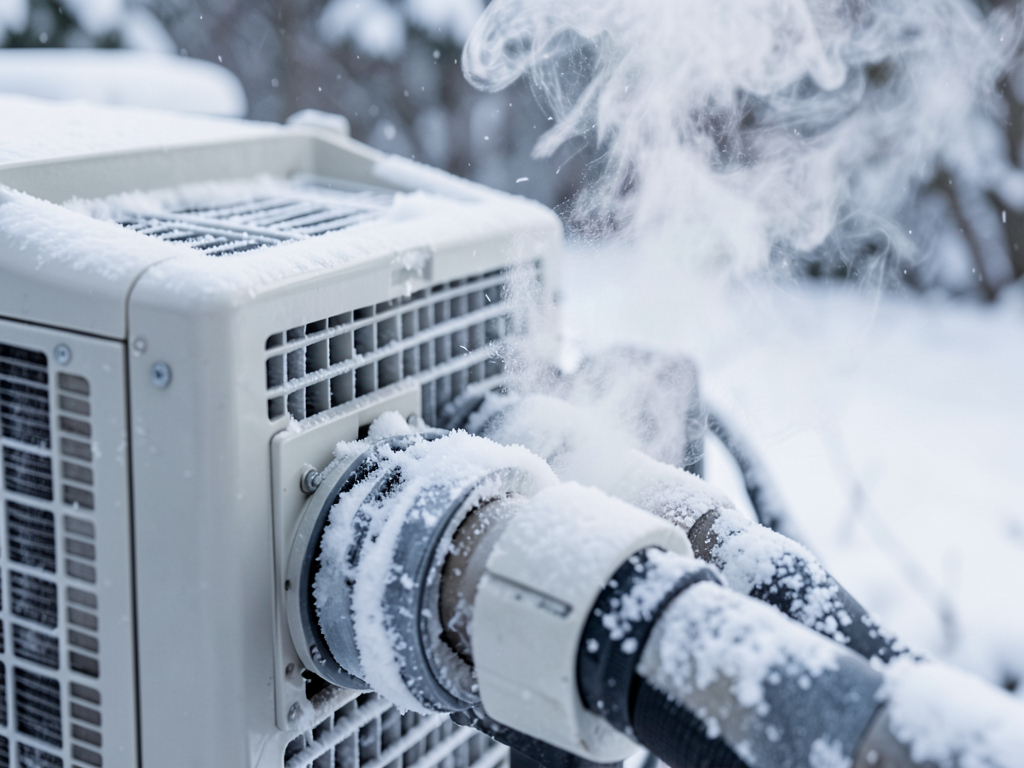
Common winter issues include frost buildup and defrost cycles. When outdoor coils accumulate ice, the system temporarily switches to cooling mode to melt it off. You might notice steam rising from the unit or cold air blowing from registers during defrost. This is normal operation, not a malfunction. However, if ice forms a solid block around the unit or defrost cycles run constantly, you have a problem requiring service. Cooling Tower Services.
Outdoor unit placement significantly impacts performance. Cincinnati’s heavy snowfall means units need clearance above anticipated snow levels—typically 12-18 inches minimum. Units mounted on stands or wall brackets prevent snow burial that can restrict airflow and trigger emergency shutdowns. South-facing installations with wind protection from evergreen shrubs often perform better than exposed north-facing locations.
Duke Energy offers Smart $aver rebates for qualifying heat pump installations. Current incentives include up to $400 for air-source heat pumps with 16+ SEER2 and 9+ HSPF2 ratings. These rebates, combined with federal 25C tax credits, can reduce installation costs by $1,000 or more. Five Star HVAC handles all rebate paperwork as part of our installation service.
Backup heat options vary in cost and reliability. Electric heat strips provide instant backup but cost 3-4 times more to operate than a gas furnace. Natural gas backup offers the best combination of reliability and operating cost, especially during extended cold snaps when electricity demand peaks. Propane backup works well in areas without natural gas service. Furnace Maintenance Checklist.
Performance data from local installations shows clear patterns. A recent installation in Blue Ash maintained indoor temperatures at 72°F when outdoor temperatures hit -8°F, but electric backup strips cycled on intermittently. The same system kept pace easily at 20°F without supplemental heat. Homes with R-49 attic insulation and R-20 wall insulation consistently outperform drafty older construction.. Read more about Why You Need a Local Expert for Heat Pump Repair in Independence Kentucky.
Defrost cycle frequency increases with humidity. Cincinnati’s average winter relative humidity of 70-80% means more frequent defrost cycles than drier regions. Modern systems use demand defrost rather than timer-based cycles, activating only when frost actually impedes heat transfer. This technology reduces unnecessary cycling and improves overall efficiency.
The economic case for heat pumps continues strengthening. With natural gas prices volatile and electricity costs relatively stable, heat pumps offer predictable heating costs. A high-efficiency unit in a typical Cincinnati home can reduce heating costs by 30-50% compared to electric resistance heat and 20-30% compared to older gas furnaces.
Installation considerations include ductwork evaluation and electrical service capacity. Heat pumps require larger air handlers and often need upgraded ductwork to move sufficient air volume. Electrical service must handle the compressor and backup heat strips—typically 60-100 amps dedicated to the HVAC system. Five Star HVAC performs comprehensive load calculations to ensure your home can support the equipment.
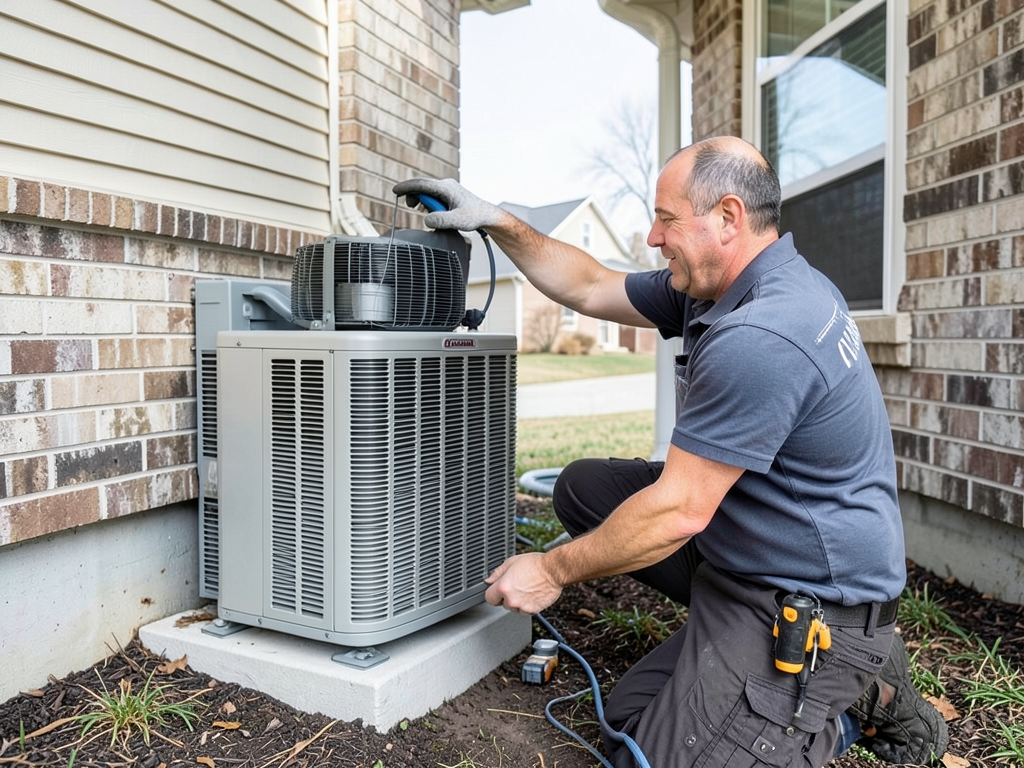
Maintenance requirements differ from traditional systems. Heat pump coils need cleaning twice yearly, not annually. The reversing valve requires inspection to ensure proper switching between heating and cooling modes. Refrigerant charge must be precise—overcharging by just 10% can reduce efficiency by 20% in cold weather.
Noise levels have improved dramatically. Modern inverter-driven compressors operate at 50-60 decibels, comparable to a refrigerator. This allows closer placement to living areas without disturbance. Variable-speed fans also reduce the abrupt on-off cycling that characterized older units.
Smart thermostats optimize heat pump performance. These devices learn your home’s thermal characteristics and adjust operation to maximize efficiency. They can delay backup heat activation, pre-condition the home during off-peak hours, and provide detailed energy usage reports. Integration with home automation systems allows remote monitoring and control.
The future points toward even better cold-climate performance. Solid-state heat pumps using thermoelectric materials promise operation at -40°F without backup heat. CO2-based refrigerants offer higher efficiency in extreme cold. These technologies are still developing but represent the next frontier in heat pump capability.
Choosing the right system requires professional evaluation. Factors including your home’s age, insulation levels, window quality, and existing ductwork all influence the optimal solution. Five Star HVAC provides free in-home consultations to assess your specific situation and recommend the most cost-effective approach.
Don’t wait for the next polar vortex to discover your system’s limitations. Call (513) 717-5155 today to schedule your inspection. Our NATE-certified technicians will evaluate your current setup, discuss your options, and provide a detailed proposal with no high-pressure sales tactics. Whether you need emergency repairs, system replacement, or just want to understand your heat pump’s capabilities, we’re here to help Cincinnati homeowners stay comfortable year-round. 24/7 AC repair for restaurants and small businesses in Downtown Cincinnati.
Heat Pump Performance Comparison Table
| Temperature | Standard Heat Pump Capacity | Cold-Climate Capacity | Recommended Backup |
|---|---|---|---|
| 47°F | 100% | 100% | None |
| 35°F | 85-90% | 90-95% | Optional |
| 20°F | 70-75% | 80-85% | Recommended |
| 0°F | 50-55% | 70-75% | Required |
| -10°F | 35-40% | 60-65% | Required |
Cost Comparison: Cincinnati Heat Sources
| Heat Source | Efficiency | Operating Cost* | Best Use Case |
|---|---|---|---|
| High-Efficiency Heat Pump | 300-400% | $0.08-0.10/kWh | Above 25°F |
| Gas Furnace | 95-98% | $0.04-0.05/therm | Below 25°F |
| Electric Resistance | 100% | $0.12-0.15/kWh | Emergency only |
| Propane Furnace | 90-95% | $0.06-0.08/gallon | Rural areas |
*Operating costs based on current Cincinnati utility rates (2026)
Installation Timeline for Heat Pump Systems
- Initial Consultation
Free in-home assessment to evaluate your current system, insulation levels, and home layout. - System Design
Load calculations using Manual J methodology to properly size equipment for your specific home. - Permitting
Hamilton County mechanical permits secured and inspections scheduled. - Equipment Installation
Typically 1-2 days for replacement, 3-5 days for complete system changeout. - Testing and Commissioning
Performance verification, airflow balancing, and thermostat programming. - Customer Training
Operation instructions and maintenance schedule review.
Frequently Asked Questions
How cold can a heat pump work before it stops heating?
Modern cold-climate heat pumps can extract heat from air as cold as -13°F, though efficiency drops significantly below 0°F. Even at -10°F, quality systems maintain 60-65% of their rated heating capacity. Backup heat becomes necessary when temperatures fall below your system’s minimum operating threshold, typically around -15°F for most current models.
Do heat pumps work in Cincinnati’s humid winters?
Yes, but Cincinnati’s high humidity creates unique challenges. Moisture in the air leads to more frost buildup on outdoor coils, requiring more frequent defrost cycles between 20°F and 40°F. Modern demand-defrost systems activate only when needed, reducing unnecessary cycling. Proper outdoor unit placement with good airflow helps minimize frost accumulation.
What’s the difference between a heat pump and a hybrid system?
A standard heat pump uses electric resistance backup heat strips when it can’t keep up with demand. A hybrid (or dual-fuel) system pairs a heat pump with a gas furnace that automatically takes over during extreme cold. Hybrids typically cost more upfront but save 30-40% on heating costs compared to all-electric setups in Cincinnati’s climate.
How much does it cost to install a heat pump in Cincinnati?
Installation costs range from $5,500 to $12,000 depending on system size, efficiency rating, and whether you need ductwork modifications. Cold-climate models with 18+ SEER2 and 12+ HSPF2 ratings cost more upfront but deliver greater long-term savings. Current Duke Energy rebates and federal tax credits can reduce costs by $1,000-$2,500.
Should I replace my gas furnace with a heat pump?
It depends on your home’s characteristics and energy costs. Heat pumps work best in well-insulated homes built after 1990. If you have a drafty older home or experience frequent sub-zero temperatures, a hybrid system might serve you better than an all-electric heat pump. A professional evaluation can determine the most cost-effective solution for your specific situation.
How long do heat pumps last in Cincinnati?
With proper maintenance, heat pumps typically last 12-15 years in Cincinnati’s climate. The constant cycling between heating and cooling modes, combined with humidity exposure, creates more wear than furnaces that only run seasonally. Annual professional maintenance and regular filter changes can extend system life by several years.
Can I install a heat pump myself?
No. Heat pump installation requires EPA certification for refrigerant handling, electrical expertise for proper wiring, and knowledge of airflow dynamics for optimal performance. Improper installation can reduce efficiency by 30% or more and void manufacturer warranties. Professional installation also ensures compliance with Hamilton County mechanical codes and maintains your warranty coverage.
What maintenance does a heat pump need?
Heat pumps require twice-yearly professional maintenance—once before cooling season and once before heating season. This includes coil cleaning, refrigerant level checks, electrical connection inspection, and performance testing. Homeowners should change filters monthly during heavy use periods and keep outdoor units clear of debris and snow accumulation.
Are heat pumps noisy?
Modern heat pumps operate at 50-60 decibels, similar to a refrigerator. This represents significant noise reduction from older models that operated at 70+ decibels. Variable-speed compressors and fans also reduce abrupt on-off cycling that created noise disturbances. Proper unit mounting and strategic placement further minimize any operational sounds.
How do I know if my current system is a heat pump?
Check your thermostat for an ’emergency heat’ or ‘auxiliary heat’ setting. Look at your outdoor unit—if it runs during both summer and winter, you likely have a heat pump. You can also check the manufacturer’s label on the outdoor unit for model numbers that include ‘HP’ or ‘Heat Pump’ in the description. For more information, visit U.S. Department of Energy heat pump guide.
{
“@context”: “https://schema.org”,
“@type”: “BlogPosting”,
“headline”: “Can a modern heat pump handle a record-breaking Cincinnati cold snap?”,
“description”: “Discover if today’s cold-climate heat pumps can survive Cincinnati’s brutal winters. Get local performance data, backup options, and expert advice from Five Star HVAC.”,
“wordCount”: 1931,
“datePublished”: “2026-04-17T12:22:00.000Z”,
“dateModified”: “2026-04-17T12:22:00.000Z”,
“inLanguage”: “en-US”,
“mainEntityOfPage”: {
“@type”: “WebPage”,
“@id”: “https://fivestarhvaccincinnati.com”
},
“publisher”: {
“@type”: “LocalBusiness”,
“name”: “Five Star HVAC Cincinnati”,
“url”: “https://fivestarhvaccincinnati.com”
},
“author”: {
“@type”: “Organization”,
“name”: “Five Star HVAC Cincinnati”,
“url”: “https://fivestarhvaccincinnati.com”
},
“image”: {
“@type”: “ImageObject”,
“url”: “https://fivestarhvaccincinnati.com/wp-content/uploads/2026/03/can-a-modern-heat-pump-handle-a-record-breaking-ci-1.png”
}
}
{
“@context”: “https://schema.org”,
“@type”: “HVACBusiness”,
“name”: “Five Star HVAC Cincinnati”,
“url”: “https://fivestarhvaccincinnati.com”,
“address”: {
“@type”: “PostalAddress”,
“addressLocality”: “Cincinnati”
},
“areaServed”: {
“@type”: “City”,
“name”: “Cincinnati”
}
}
{
“@context”: “https://schema.org”,
“@type”: “FAQPage”,
“mainEntity”: [
{
“@type”: “Question”,
“name”: “How cold can a heat pump work before it stops heating?”,
“acceptedAnswer”: {
“@type”: “Answer”,
“text”: “Modern cold-climate heat pumps can extract heat from air as cold as -13°F, though efficiency drops significantly below 0°F. Even at -10°F, quality systems maintain 60-65% of their rated heating capacity. Backup heat becomes necessary when temperatures fall below your system’s minimum operating threshold, typically around -15°F for most current models.”
}
},
{
“@type”: “Question”,
“name”: “Do heat pumps work in Cincinnati’s humid winters?”,
“acceptedAnswer”: {
“@type”: “Answer”,
“text”: “Yes, but Cincinnati’s high humidity creates unique challenges. Moisture in the air leads to more frost buildup on outdoor coils, requiring more frequent defrost cycles between 20°F and 40°F. Modern demand-defrost systems activate only when needed, reducing unnecessary cycling. Proper outdoor unit placement with good airflow helps minimize frost accumulation.”
}
},
{
“@type”: “Question”,
“name”: “What’s the difference between a heat pump and a hybrid system?”,
“acceptedAnswer”: {
“@type”: “Answer”,
“text”: “A standard heat pump uses electric resistance backup heat strips when it can’t keep up with demand. A hybrid (or dual-fuel) system pairs a heat pump with a gas furnace that automatically takes over during extreme cold. Hybrids typically cost more upfront but save 30-40% on heating costs compared to all-electric setups in Cincinnati’s climate.”
}
},
{
“@type”: “Question”,
“name”: “How much does it cost to install a heat pump in Cincinnati?”,
“acceptedAnswer”: {
“@type”: “Answer”,
“text”: “Installation costs range from $5,500 to $12,000 depending on system size, efficiency rating, and whether you need ductwork modifications. Cold-climate models with 18+ SEER2 and 12+ HSPF2 ratings cost more upfront but deliver greater long-term savings. Current Duke Energy rebates and federal tax credits can reduce costs by $1,000-$2,500.”
}
},
{
“@type”: “Question”,
“name”: “How long do heat pumps last in Cincinnati?”,
“acceptedAnswer”: {
“@type”: “Answer”,
“text”: “With proper maintenance, heat pumps typically last 12-15 years in Cincinnati’s climate. The constant cycling between heating and cooling modes, combined with humidity exposure, creates more wear than furnaces that only run seasonally. Annual professional maintenance and regular filter changes can extend system life by several years.”
}
},
{
“@type”: “Question”,
“name”: “Can I install a heat pump myself?”,
“acceptedAnswer”: {
“@type”: “Answer”,
“text”: “No. Heat pump installation requires EPA certification for refrigerant handling, electrical expertise for proper wiring, and knowledge of airflow dynamics for optimal performance. Improper installation can reduce efficiency by 30% or more and void manufacturer warranties. Professional installation also ensures compliance with Hamilton County mechanical codes and maintains your warranty coverage.”
}
},
{
“@type”: “Question”,
“name”: “What maintenance does a heat pump need?”,
“acceptedAnswer”: {
“@type”: “Answer”,
“text”: “Heat pumps require twice-yearly professional maintenance—once before cooling season and once before heating season. This includes coil cleaning, refrigerant level checks, electrical connection inspection, and performance testing. Homeowners should change filters monthly during heavy use periods and keep outdoor units clear of debris and snow accumulation.”
}
},
{
“@type”: “Question”,
“name”: “Are heat pumps noisy?”,
“acceptedAnswer”: {
“@type”: “Answer”,
“text”: “Modern heat pumps operate at 50-60 decibels, similar to a refrigerator. This represents significant noise reduction from older models that operated at 70+ decibels. Variable-speed compressors and fans also reduce abrupt on-off cycling that created noise disturbances. Proper unit mounting and strategic placement further minimize any operational sounds.”
}
},
{
“@type”: “Question”,
“name”: “How do I know if my current system is a heat pump?”,
“acceptedAnswer”: {
“@type”: “Answer”,
“text”: “Check your thermostat for an ’emergency heat’ or ‘auxiliary heat’ setting. Look at your outdoor unit—if it runs during both summer and winter, you likely have a heat pump. You can also check the manufacturer’s label on the outdoor unit for model numbers that include ‘HP’ or ‘Heat Pump’ in the description. For more information, visit U.S. Department of Energy heat pump guide.”
}
}
]
}
{
“@context”: “https://schema.org”,
“@type”: “BreadcrumbList”,
“itemListElement”: [
{
“@type”: “ListItem”,
“position”: 1,
“name”: “Home”,
“item”: “https://fivestarhvaccincinnati.com”
},
{
“@type”: “ListItem”,
“position”: 2,
“name”: “Blog”,
“item”: “https://fivestarhvaccincinnati.com/blog”
},
{
“@type”: “ListItem”,
“position”: 3,
“name”: “Can a modern heat pump handle a record-breaking Cincinnati cold snap?”
}
]
}
{
“@context”: “https://schema.org”,
“@type”: “Service”,
“serviceType”: “HVAC”,
“provider”: {
“@type”: “LocalBusiness”,
“name”: “Five Star HVAC Cincinnati”,
“url”: “https://fivestarhvaccincinnati.com”
},
“areaServed”: {
“@type”: “City”,
“name”: “Cincinnati”
},
“description”: “Discover if today’s cold-climate heat pumps can survive Cincinnati’s brutal winters. Get local performance data, backup options, and expert advice from Five Star HVAC.”
}