
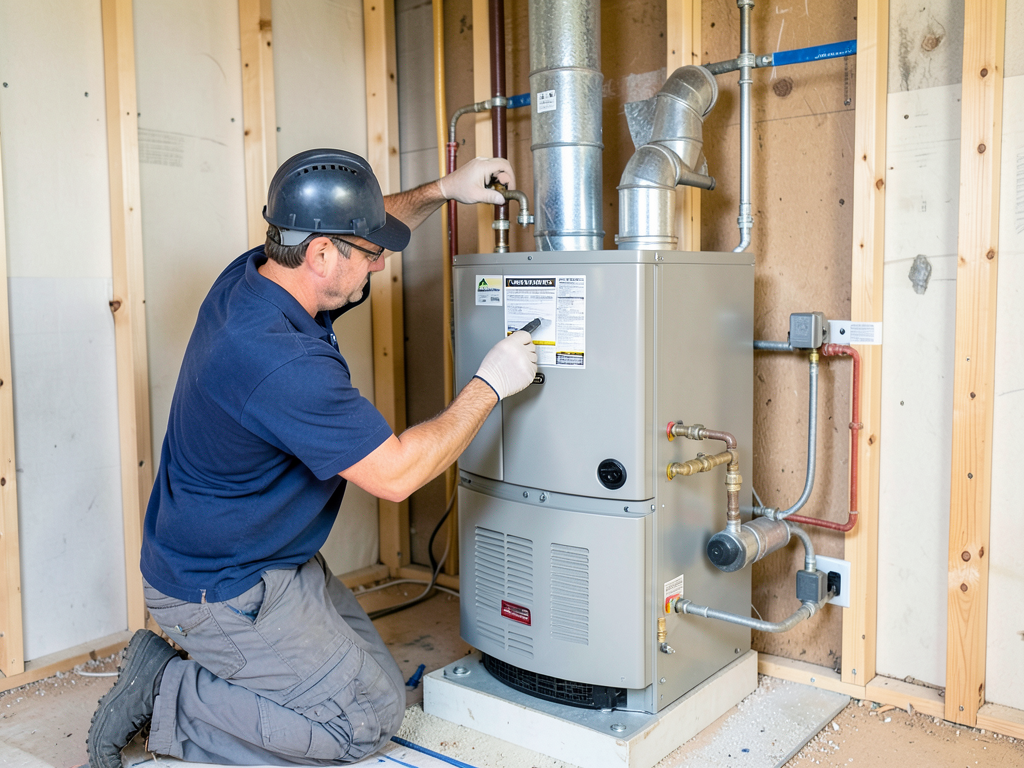
Choosing Between Electric and Gas Heating for Your New Construction in Springdale
Building a new home in Springdale means making crucial decisions about your heating system that will impact comfort and costs for decades. The choice between electric and gas heating depends on several local factors including utility rates, climate patterns, and installation requirements specific to the Cincinnati area.. Read more about Making the Switch from Central Air to a High Efficiency Heat Pump in Deer Park.
Duke Energy’s natural gas rates in the 45246 zip code average $0.92 per therm, while electricity costs approximately $0.14 per kilowatt-hour. These rates directly affect your monthly operating costs and should be the starting point for your decision-making process. Duke Energy.
Local Climate Impact on Heating Performance
Springdale experiences Cincinnati’s characteristic humid continental climate with significant temperature swings. Average January lows reach 21°F, but polar vortex events can push temperatures below zero for extended periods. This climate creates unique challenges for heating systems.
Heat pumps, which are electric heating systems, lose efficiency rapidly when outdoor temperatures drop below 35°F. In Southwest Ohio’s climate, a standard air-source heat pump operates at about 40% of its rated capacity during the coldest winter nights. Gas furnaces maintain consistent output regardless of outdoor temperature, making them more reliable during extreme cold snaps. Emergency furnace repair services for Indian Hill homeowners available right now.
Humidity levels in the Ohio River Valley average 72% year-round, which affects both heating efficiency and indoor air quality. High humidity can cause heat pumps to cycle more frequently through defrost modes, reducing overall efficiency during winter months.
Initial Investment and Installation Requirements
Gas furnace installation in Springdale typically ranges from $4,800 to $7,200 for a standard 80,000 BTU unit suitable for a 2,000-square-foot home. This includes the furnace, basic ductwork connections, and venting through an exterior wall. Furnace Maintenance Checklist.
Electric heat pump systems cost between $5,500 and $9,000 installed, including the outdoor condenser unit and indoor air handler. However, heat pumps require a dedicated 240-volt electrical circuit, which may necessitate electrical panel upgrades in older homes.
If your new construction site lacks existing gas infrastructure, running a gas line from the street to your home adds $1,200 to $2,500 to the installation cost. The depth requirements in Hamilton County mandate gas lines be buried at least 24 inches below grade to prevent freezing and damage.
Heat pumps require adequate outdoor space for the condenser unit, typically 30 inches from walls and 24 inches from any obstructions. Gas furnaces need proper venting and combustion air supply, which affects their placement within your home’s mechanical room.
Operating Cost Comparison in Springdale
Based on current Duke Energy rates and typical usage patterns, a 95% efficient gas furnace costs approximately $850 to $1,100 annually to heat a 2,000-square-foot home in Springdale. This calculation assumes 80 million BTUs of seasonal heating demand. Energy Star.
An electric heat pump with a Heating Seasonal Performance Factor (HSPF2) of 8.5 requires about 9,400 kilowatt-hours annually for the same heating load, costing $1,316 to $1,540 per year at current electricity rates. However, heat pumps also provide cooling, potentially saving $300 to $400 annually compared to separate air conditioning systems. Cooling Tower Services.
Natural gas prices in Ohio have remained relatively stable over the past five years, fluctuating between $0.85 and $1.05 per therm. Electricity rates have increased approximately 3.5% annually, making long-term cost projections favor gas for pure heating applications.
Heat pumps achieve their highest efficiency in mild temperatures between 40°F and 60°F, where they can deliver three units of heat for every unit of electricity consumed. During extreme cold, most heat pumps require supplemental electric resistance heating, which reduces overall efficiency.
Available Incentives and Rebates
The federal Energy Efficient Home Improvement Credit (25C) provides up to $2,000 in tax credits for qualifying high-efficiency heating equipment installed in 2026. Gas furnaces must achieve 97% Annual Fuel Utilization Efficiency (AFUE) to qualify, while heat pumps need a minimum HSPF2 rating of 8.5.
Duke Energy offers rebates for both heating technologies. High-efficiency gas furnaces with 97% AFUE or better qualify for $300 rebates, while heat pumps with HSPF2 ratings above 9.0 can receive up to $500 in utility rebates.
Hamilton County’s residential energy efficiency program provides additional incentives for homes that improve their overall energy performance by at least 20%. This program requires a home energy audit and can provide up to $1,500 in combined rebates and low-interest financing.
Local HVAC contractors in Springdale often bundle equipment purchases with manufacturer rebates, potentially saving an additional $200 to $400 on installation costs. These promotions typically run during shoulder seasons when demand for heating and cooling services is lower.
Environmental Impact and Carbon Footprint
Ohio’s electric grid relies heavily on coal and natural gas for power generation, with approximately 45% of electricity coming from coal-fired plants. This carbon intensity affects the environmental impact of electric heating systems.
A heat pump in the Cincinnati area produces approximately 3.2 pounds of CO2 per kilowatt-hour, while natural gas combustion generates about 117 pounds of CO2 per million BTUs. For equivalent heating output, a high-efficiency gas furnace produces roughly 30% less carbon emissions than an electric heat pump in our regional energy market.
Heat pumps offer the advantage of providing both heating and cooling from a single system, reducing overall equipment manufacturing and disposal impacts. They also improve indoor air quality by continuously filtering and circulating air throughout your home.
Natural gas extraction and transportation create methane emissions, which have 25 times the global warming potential of CO2. However, modern gas furnaces with sealed combustion chambers minimize these indirect emissions compared to older atmospheric models.
System Longevity and Maintenance Requirements
Gas furnaces typically last 15 to 20 years in the Ohio River Valley climate, where humidity and seasonal temperature swings create more stress on heating equipment than in milder regions. The constant expansion and contraction of metal components during temperature cycling contributes to wear.
Heat pumps generally need replacement after 12 to 15 years because they operate year-round, providing both heating and cooling. This double duty means compressors and other components experience twice the operational hours of seasonally used equipment.
Annual maintenance for gas furnaces costs $150 to $250 and includes cleaning the heat exchanger, checking gas pressure, and inspecting the venting system. Heat pumps require similar maintenance at $175 to $300 annually, plus checking refrigerant levels and cleaning the outdoor coil.
Gas furnaces have fewer moving parts than heat pumps, resulting in lower repair frequency. The primary failure points in gas systems are the igniter, gas valve, and draft inducer motor. Heat pumps have additional components like reversing valves and defrost controls that can fail in humid conditions. 24/7 AC repair for restaurants and small businesses in Downtown Cincinnati.
Hybrid Heating Systems: The Best of Both Worlds
Dual fuel or hybrid systems combine a heat pump with a gas furnace, automatically switching between the two based on outdoor temperature and energy costs. These systems optimize efficiency by using the heat pump during mild weather and the gas furnace during extreme cold.
In Springdale’s climate, hybrid systems typically switch from heat pump to gas furnace when outdoor temperatures drop below 35°F. This transition point maximizes efficiency because heat pumps become less economical to operate as temperatures approach freezing.
Installation costs for hybrid systems range from $8,500 to $12,000, reflecting the premium components and control systems required. However, operating costs often fall between those of single-fuel systems, typically saving $200 to $400 annually compared to either system alone.
Hybrid systems provide redundancy that proves valuable during equipment failures or extreme weather events. If either the heat pump or gas furnace experiences problems, the other component can maintain basic heating until repairs are completed. How to find a reliable AC repair company in Hyde Park without overpaying.
Making the Right Choice for Your Springdale Home
Choose a gas furnace if you prioritize reliable performance during extreme cold, want the lowest possible heating costs, and have access to natural gas infrastructure. Gas systems make particular sense for larger homes over 2,500 square feet where heating demands are highest.
Select an electric heat pump if you want both heating and cooling from a single system, prefer to avoid gas lines in your home, or plan to add solar panels in the future. Heat pumps work well for homes under 2,000 square feet with good insulation.
Consider a hybrid system if you want maximum efficiency and reliability, have a larger budget for installation, or experience significant temperature swings throughout the heating season. These systems provide the best long-term value for most Springdale homeowners.
Building orientation and insulation quality also influence the best heating choice. South-facing homes with excellent insulation may benefit more from heat pumps because they require less supplemental heating during cold periods.
Local building codes in Hamilton County require permits for all new heating system installations, with inspections verifying proper venting, gas line sizing, and electrical connections. These requirements ensure safe operation but add $150 to $300 to installation costs.
Frequently Asked Questions
How do I know if natural gas is available at my Springdale construction site?
Contact Duke Energy’s customer service at 800-634-3524 with your property address. They can verify gas main locations and provide cost estimates for extending service if needed. Most areas developed after 2000 in Springdale have existing gas infrastructure.
What size heating system do I need for a new home in Springdale?
A professional Manual J load calculation determines the exact heating capacity required. For a typical 2,000-square-foot home in Springdale with standard insulation, you’ll need 60,000 to 80,000 BTUs of heating capacity. Factors like ceiling height, window quality, and local climate affect this calculation.
Can I install a heat pump if I don’t have ductwork?
Yes, ductless mini-split heat pump systems provide efficient heating and cooling without requiring ductwork. These systems use individual indoor units mounted on walls or ceilings, connected to an outdoor condenser. Installation costs range from $3,500 to $7,000 depending on the number of zones needed.
Ready to Make Your Decision?
Choosing the right heating system for your new Springdale home involves balancing upfront costs, operating expenses, and long-term reliability. Our team at Five Star HVAC Cincinnati has installed hundreds of heating systems throughout Hamilton County and understands the unique challenges of our local climate.
We provide free consultations that include detailed heat load calculations, utility rate analysis, and equipment recommendations tailored to your specific home design and budget. Our NATE-certified technicians will explain all your options without pressure or sales tactics.
Call (513) 717-5155 today to schedule your heating system consultation. We’ll help you make the right choice for your new construction project in Springdale, ensuring comfort and efficiency for years to come.
Don’t wait until winter arrives to discover your heating system isn’t adequate for Ohio’s cold snaps. Pick up the phone and call (513) 717-5155 before the next storm hits. Your comfort depends on making the right choice now.
{
“@context”: “https://schema.org”,
“@type”: “BlogPosting”,
“headline”: “Choosing Between Electric and Gas Heating for Your New Construction in Springdale”,
“description”: “Compare electric vs gas heating systems for new construction in Springdale. Get local cost analysis, efficiency data, and expert recommendations for Cincinnati’s climate.”,
“wordCount”: 1808,
“datePublished”: “2026-03-18T08:55:00.000Z”,
“dateModified”: “2026-03-18T08:55:00.000Z”,
“inLanguage”: “en-US”,
“mainEntityOfPage”: {
“@type”: “WebPage”,
“@id”: “https://fivestarhvaccincinnati.com”
},
“publisher”: {
“@type”: “LocalBusiness”,
“name”: “Five Star HVAC Cincinnati”,
“url”: “https://fivestarhvaccincinnati.com”
},
“author”: {
“@type”: “Organization”,
“name”: “Five Star HVAC Cincinnati”,
“url”: “https://fivestarhvaccincinnati.com”
},
“image”: {
“@type”: “ImageObject”,
“url”: “https://fivestarhvaccincinnati.com/wp-content/uploads/2026/03/choosing-between-electric-and-gas-heating-for-your-1.png”
}
}
{
“@context”: “https://schema.org”,
“@type”: “HVACBusiness”,
“name”: “Five Star HVAC Cincinnati”,
“url”: “https://fivestarhvaccincinnati.com”,
“address”: {
“@type”: “PostalAddress”,
“addressLocality”: “Cincinnati”
},
“areaServed”: {
“@type”: “City”,
“name”: “Cincinnati”
}
}
{
“@context”: “https://schema.org”,
“@type”: “FAQPage”,
“mainEntity”: [
{
“@type”: “Question”,
“name”: “How do I know if natural gas is available at my Springdale construction site?”,
“acceptedAnswer”: {
“@type”: “Answer”,
“text”: “Contact Duke Energy’s customer service at 800-634-3524 with your property address. They can verify gas main locations and provide cost estimates for extending service if needed. Most areas developed after 2000 in Springdale have existing gas infrastructure.”
}
},
{
“@type”: “Question”,
“name”: “What size heating system do I need for a new home in Springdale?”,
“acceptedAnswer”: {
“@type”: “Answer”,
“text”: “A professional Manual J load calculation determines the exact heating capacity required. For a typical 2,000-square-foot home in Springdale with standard insulation, you’ll need 60,000 to 80,000 BTUs of heating capacity. Factors like ceiling height, window quality, and local climate affect this calculation.”
}
},
{
“@type”: “Question”,
“name”: “Can I install a heat pump if I don’t have ductwork?”,
“acceptedAnswer”: {
“@type”: “Answer”,
“text”: “Yes, ductless mini-split heat pump systems provide efficient heating and cooling without requiring ductwork. These systems use individual indoor units mounted on walls or ceilings, connected to an outdoor condenser. Installation costs range from $3,500 to $7,000 depending on the number of zones needed.”
}
},
{
“@type”: “Question”,
“name”: “Ready to Make Your Decision?”,
“acceptedAnswer”: {
“@type”: “Answer”,
“text”: “Choosing the right heating system for your new Springdale home involves balancing upfront costs, operating expenses, and long-term reliability. Our team at Five Star HVAC Cincinnati has installed hundreds of heating systems throughout Hamilton County and understands the unique challenges of our local climate.”
}
}
]
}
{
“@context”: “https://schema.org”,
“@type”: “BreadcrumbList”,
“itemListElement”: [
{
“@type”: “ListItem”,
“position”: 1,
“name”: “Home”,
“item”: “https://fivestarhvaccincinnati.com”
},
{
“@type”: “ListItem”,
“position”: 2,
“name”: “Blog”,
“item”: “https://fivestarhvaccincinnati.com/blog”
},
{
“@type”: “ListItem”,
“position”: 3,
“name”: “Choosing Between Electric and Gas Heating for Your New Construction in Springdale”
}
]
}
{
“@context”: “https://schema.org”,
“@type”: “Service”,
“serviceType”: “HVAC”,
“provider”: {
“@type”: “LocalBusiness”,
“name”: “Five Star HVAC Cincinnati”,
“url”: “https://fivestarhvaccincinnati.com”
},
“areaServed”: {
“@type”: “City”,
“name”: “Cincinnati”
},
“description”: “Compare electric vs gas heating systems for new construction in Springdale. Get local cost analysis, efficiency data, and expert recommendations for Cincinnati’s climate.”
}