Menu

Compressor Failure Repair in Cincinnati – 24/7 Emergency Response When Your AC Stops Cold

When your compressor fails in the middle of a Cincinnati summer, we dispatch immediately to restore cooling, protect your property from heat damage, and get your AC running before temperatures spike.

Slider Image 1
Slider Image 2
Slider Image 3
Slider Image 4
Slider Image 5
Slider Image 7
Slider Image 8
Slider Image 9
Slider Image 10
Slider Image 11

Why AC Compressors Fail Fast in Cincinnati's Climate

Your air conditioner just stopped. The outdoor unit hums or clicks, but no cold air comes through the vents. You are dealing with compressor failure, and in Cincinnati, it happens faster than you think.

Cincinnati's climate creates the perfect storm for compressor burnout. High humidity levels force your AC compressor to work overtime, cycling on and off constantly to remove moisture from the air. The Ohio River Valley traps heat and humidity, especially in July and August when dew points regularly hit 70 degrees. Your compressor struggles to push refrigerant through the system when ambient temperatures stay above 90 degrees for days.

Power surges from summer storms damage compressor windings. You lose power during a thunderstorm, and when it kicks back on, the voltage spike fries the motor. Dirty condenser coils, common in areas near I-75 and I-71 where road dust settles, cause the compressor to overheat. A seized AC compressor does not restart. You hear a clicking sound, then nothing.

Age matters. Most compressors last 12 to 15 years, but Cincinnati's demanding conditions shorten that window. If your unit runs continuously during humid spells in Hyde Park, Mount Adams, or Oakley, you are accelerating wear on the compressor motor. Refrigerant leaks drop system pressure, forcing the compressor to run without proper lubrication. Metal grinds on metal. The compressor locks up.

When you need to fix a broken AC compressor, you need someone who understands how Cincinnati's humidity, voltage instability, and temperature swings kill these units. Air conditioner compressor repair is not a DIY job. AC compressor replacement requires licensed technicians, specialized tools, and knowledge of refrigerant handling regulations.

Why AC Compressors Fail Fast in Cincinnati's Climate
How We Handle Emergency Compressor Failure Repair

How We Handle Emergency Compressor Failure Repair

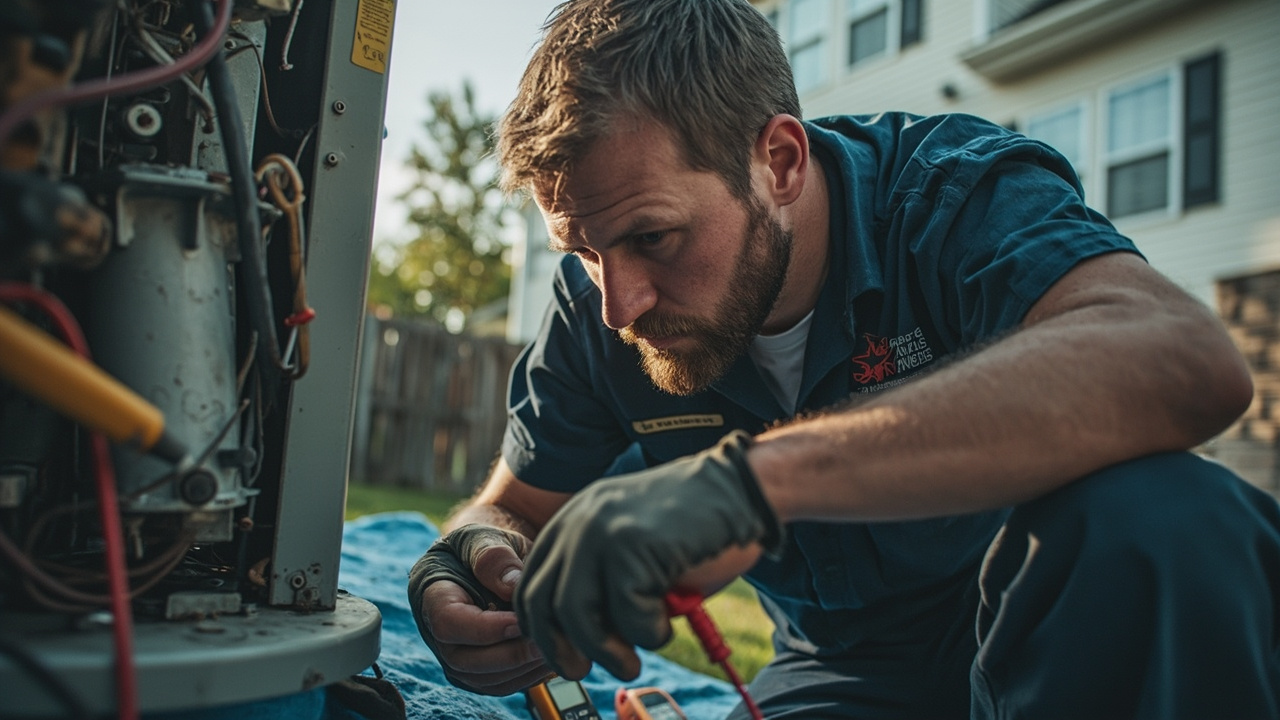
We do not guess. When we arrive, we run a full electrical diagnostic on the compressor motor, checking amp draw, capacitor function, and contactor integrity. A failed start capacitor mimics compressor failure. We test it first before recommending expensive replacement. If the compressor pulls excessive amperage or shows zero ohms resistance across terminals, the motor windings are burnt. That unit needs replacement, not repair.

We verify refrigerant pressures on both the suction and discharge sides. Low refrigerant pressure indicates a leak that caused the compressor to fail. High head pressure means restricted airflow or a blocked condenser coil. We clean the coil, restore airflow, then retest. If pressures normalize and the compressor runs smoothly, you avoid unnecessary replacement.

For HVAC compressor burnout repair, we check for acid contamination in the refrigerant lines. When a compressor motor burns, it releases acidic oil into the system. If we replace the compressor without flushing the lines and installing a filter drier, the new compressor fails within months. We flush the system, install an oversized filter drier, and pull a deep vacuum to remove moisture and contaminants.

We match compressor tonnage to your system. A 3-ton condenser needs a 3-ton compressor with matching refrigerant type. We cross-reference model numbers, verify electrical specs, and ensure the replacement compressor handles Cincinnati's high ambient temperatures. We use hard start kits on older systems to reduce startup strain and extend compressor life.

After installation, we run the system through multiple cooling cycles, monitoring superheat and subcooling temperatures to confirm proper refrigerant charge. We test the system under load, checking for unusual vibration, noise, or heat buildup. You get a system that runs efficiently, not one that limps along until the next breakdown.

What Happens During Your Emergency Compressor Repair

Compressor Failure Repair in Cincinnati – 24/7 Emergency Response When Your AC Stops Cold
01

Immediate Dispatch and Diagnosis

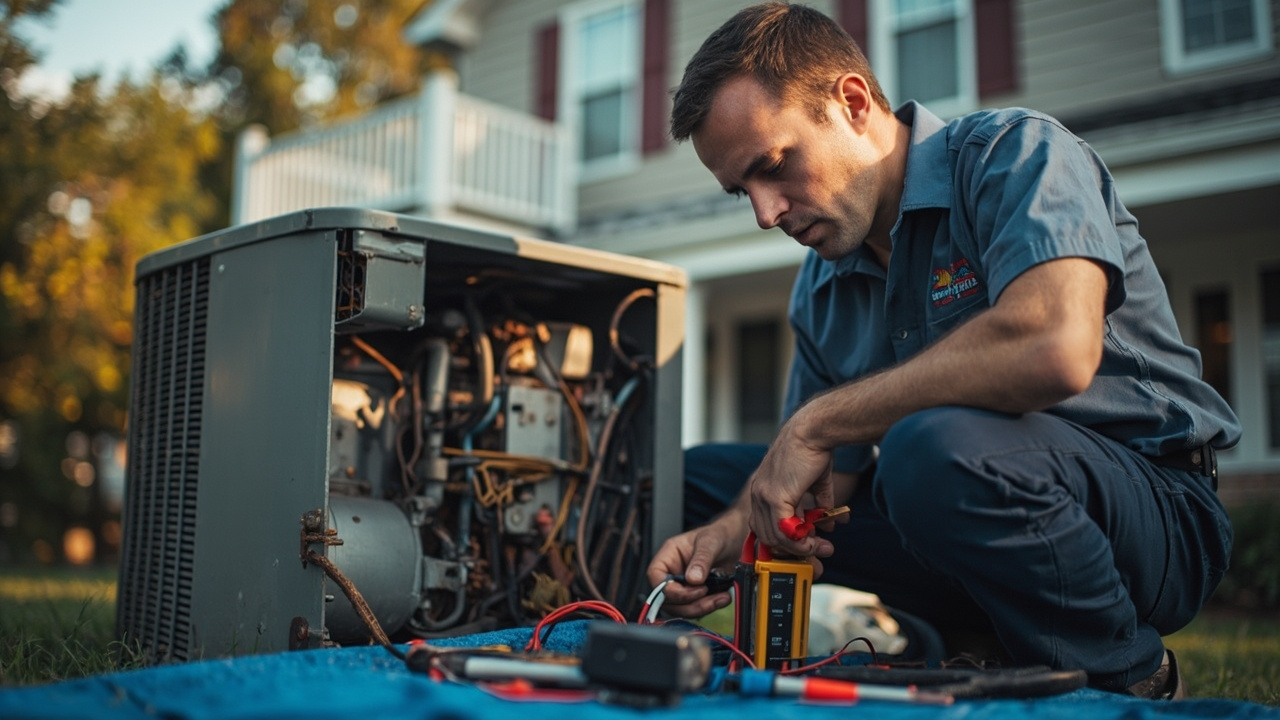
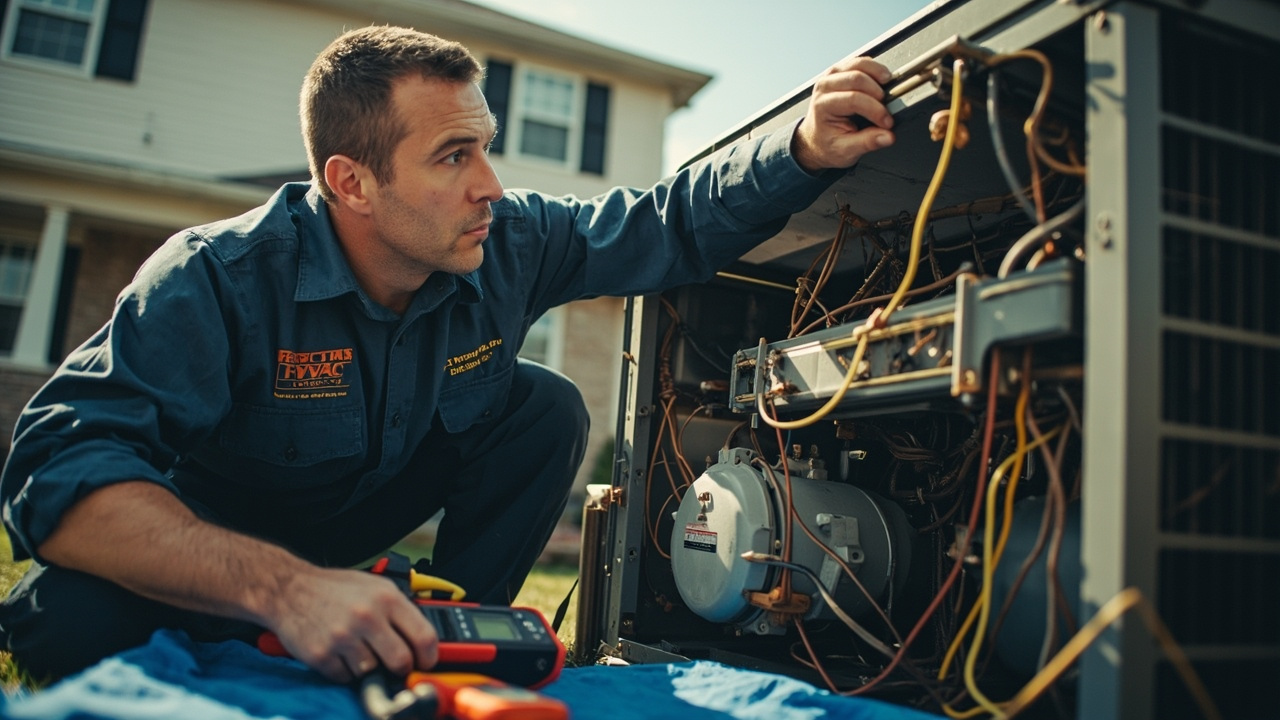
We arrive within hours, not days. Our technician tests the compressor motor with a multimeter, checking for electrical continuity and shorts to ground. We measure voltage at the contactor, verify capacitor microfarads, and inspect the compressor for physical damage. You get a clear diagnosis before we touch a wrench. If the compressor is salvageable through a hard start kit or capacitor replacement, we tell you. If it needs replacement, we explain why.
02

System Recovery and Replacement

We recover refrigerant using EPA-certified equipment, then disconnect the failed compressor. We inspect the condenser coil for blockages, check the reversing valve on heat pumps, and test the expansion valve for debris. The new compressor gets installed with fresh oil, a new filter drier, and properly brazed connections. We pressure test the system with nitrogen, checking every joint for leaks before introducing refrigerant. No shortcuts. No comebacks.
03

Testing and System Verification

We charge the system to manufacturer specifications, monitoring gauge pressures and ambient temperature. The compressor runs through startup, steady state, and shutdown cycles while we verify amp draw stays within range. We measure supply and return air temperatures, checking for proper delta-T across the evaporator coil. You get documentation showing the system operates at peak efficiency. We leave when your home is cooling properly, not when the compressor just turns on.

Why Cincinnati Homeowners Choose Us for Compressor Replacement

We know Cincinnati HVAC. We understand how the Ohio Mechanical Code requires proper refrigerant handling, how Hamilton County inspectors check for permit compliance on major compressor replacements, and how local electrical codes mandate disconnect placement near outdoor units. You get technicians who have worked on systems in Clifton's older homes with undersized electrical panels and new construction in Mason with high-efficiency heat pumps.

We stock compressors for the most common residential systems in Cincinnati. Carrier, Trane, Lennox, Goodman, and Rheem units dominate the local market. We maintain inventory for 2-ton through 5-ton systems, reducing wait times from days to hours. When your compressor fails on a Saturday afternoon in August, we do not tell you to wait until Monday for a part order.

Our technicians carry evacuation pumps, refrigerant recovery machines, nitrogen pressure test rigs, and brazing equipment on every truck. We do not need to leave your home to get tools. We complete AC compressor replacement in a single visit when possible, restoring cooling before nighttime temperatures make your home unbearable.

We have seen the mistakes other contractors make. Replacing a compressor without addressing the root cause just sets you up for another failure. We find the underlying issue, whether it is a failing capacitor, a refrigerant leak, or an oversized system short cycling. You get a repair that lasts, not a Band-Aid that buys six months.

We serve neighborhoods from Northside to Anderson Township, understanding how older homes near the University of Cincinnati need special attention for outdated wiring and how newer subdivisions in West Chester deal with builder-grade HVAC systems prone to premature failure. Local knowledge matters when diagnosing compressor failure. Cincinnati's unique climate and housing stock require experience you cannot get from a national chain.

What to Expect When You Call for Emergency Compressor Repair

Rapid Response Time

We answer emergency calls 24/7, including weekends and holidays. When your compressor fails during a heatwave, you cannot wait three days for an appointment. We dispatch a technician within hours, arriving with diagnostic equipment and common repair parts. Most compressor diagnoses take 30 to 45 minutes. If we need to order a specific compressor model, we source it locally when possible, avoiding multi-day shipping delays. You get a realistic timeline upfront, not vague promises. We prioritize emergency calls for homes with elderly residents, medical equipment, or young children who cannot tolerate extreme heat.

Thorough System Assessment

We do not just look at the compressor. We inspect the entire refrigerant circuit, checking for leaks, testing the condenser fan motor, measuring airflow across the evaporator coil, and verifying thermostat operation. A failed compressor often signals a deeper system problem. Restricted airflow from a clogged filter or dirty coil causes compressors to overheat. Low refrigerant from a pinhole leak starves the compressor of lubrication. We identify these issues before replacing the compressor, preventing repeat failures. You get a written diagnostic report explaining what failed, why it failed, and what needs repair.

Reliable, Long-Lasting Repairs

We install compressors that match your system's specifications, not generic aftermarket units that fail prematurely. Proper refrigerant charging matters. Overcharging causes high head pressure and compressor failure. Undercharging reduces cooling capacity and damages the compressor. We charge systems by superheat and subcooling, not by pressure alone, ensuring optimal performance. Every brazed joint gets pressure tested with nitrogen before we introduce refrigerant. You get a system that cools efficiently, runs quietly, and does not cycle on and off constantly. We test the repair under load, simulating real-world conditions before we leave your property.

Post-Repair Support and Maintenance

After we replace your compressor, we recommend a follow-up inspection within 30 days to verify the system operates correctly through varying outdoor temperatures. We check refrigerant levels, inspect electrical connections, and measure system performance. Preventive maintenance extends compressor life. We offer maintenance plans that include seasonal tune-ups, coil cleaning, and refrigerant level checks. Regular maintenance catches small problems before they destroy your compressor. Dirty coils, failing capacitors, and refrigerant leaks show up during routine inspections, allowing you to address them before they cause catastrophic failure. We keep your system running efficiently, reducing energy bills and avoiding emergency breakdowns.

Frequently Asked Questions

You Have Questions,
We Have Answers

Can a faulty compressor be fixed? +

Sometimes. Minor electrical issues, capacitor failures, or loose wiring can be repaired quickly. However, most compressor failures in Cincinnati involve internal damage like seized pistons, valve failures, or refrigerant contamination. These require full compressor replacement. A technician will diagnose whether repair is viable or if replacement is safer. Given Cincinnati's humid summers and freeze-thaw winters, compressors work hard year-round. If your unit is over 10 years old or the compressor is under warranty, replacement often makes more sense than attempting a temporary fix that could fail again.

What is the $5000 rule for AC? +

The $5,000 rule helps you decide between repair and replacement. Multiply your system's age by the repair cost. If the total exceeds $5,000, replace the unit. For example, a 12-year-old system needing a $600 repair equals $7,200, so replacement makes sense. A 5-year-old system needing $800 in repairs equals $4,000, so repair is smarter. This rule accounts for compounding failure risk as units age. In Cincinnati, where humidity accelerates wear and winter strain is real, this formula prevents throwing money at a dying system when replacement offers better long-term value.

How much does it cost to fix an AC compressor? +

Compressor replacement in Cincinnati typically ranges from $1,200 to $2,500 depending on unit size, refrigerant type, and labor complexity. Repairs for minor issues like capacitors or contactors cost less. However, most compressor failures require full replacement because internal damage is irreversible. Costs vary based on your system's tonnage, refrigerant compatibility, and whether the unit is still under warranty. Emergency calls during Cincinnati's brutal July heat waves may include premium rates. A qualified technician will diagnose the exact issue before quoting. Age and efficiency ratings also influence whether repair or full system replacement is the smarter investment.

What is the most common cause of compressor failure? +

Dirty condenser coils are the leading cause. Cincinnati's pollen-heavy springs and humid summers coat outdoor units with debris, blocking airflow and forcing compressors to overheat. Other common causes include refrigerant leaks, electrical failures, and lack of maintenance. Low refrigerant makes compressors work harder, generating excessive heat and premature wear. Dirty air filters restrict airflow, causing freeze-ups that damage internal components. Power surges during Cincinnati thunderstorms can fry compressor motors. Regular maintenance, including coil cleaning and refrigerant checks, prevents most failures. Ignoring small problems accelerates major breakdowns, especially during peak cooling season when your system runs nonstop.

Is it worth it to repair a compressor? +

It depends on age and cost. If your system is under 8 years old, under warranty, or the repair is minor, yes. If the unit is over 12 years old, repairs often delay the inevitable. Cincinnati's extreme seasonal swings wear compressors faster than mild climates. Consider repair costs against replacement value. A $2,000 compressor repair on a 15-year-old system makes little sense when a new high-efficiency unit costs $4,000 and cuts energy bills. However, a 5-year-old system with a failed capacitor is worth fixing. Evaluate total ownership cost, not just immediate expense. Your technician can provide guidance based on your specific situation.

What is the 3 minute rule for AC? +

The 3-minute rule prevents compressor damage during restarts. After your AC shuts off, wait at least 3 minutes before turning it back on. This allows refrigerant pressure to equalize between the high and low sides of the system. Restarting too quickly forces the compressor to work against unbalanced pressure, straining internal components and shortening lifespan. This is critical during Cincinnati power outages or when troubleshooting thermostat issues. Rapid cycling also risks electrical damage. Modern thermostats often include built-in delay timers, but if you manually control your system, respect the 3-minute rule to avoid expensive compressor failures.

What AC units qualify for tax credit 2025? +

For 2025, Energy Star certified central AC units with a SEER2 rating of 16 or higher qualify for federal tax credits up to $600 under the Inflation Reduction Act. Heat pumps may qualify for up to $2,000. Units must meet efficiency thresholds and be installed in your primary residence. Cincinnati homeowners replacing aging systems can leverage these credits to offset costs. Check the Energy Star website for the updated qualified product list, as manufacturers add models regularly. Your HVAC contractor should provide documentation showing SEER2 ratings and Energy Star certification for tax filing purposes. Consult a tax professional for specific eligibility requirements.

What is the average lifespan of an HVAC? +

HVAC systems last 15 to 20 years with proper maintenance. However, Cincinnati's demanding climate shortens lifespans. Humid summers force cooling systems to run longer, while freeze-thaw winters strain heating components. Units installed in the early 2010s may already show wear. Compressors, blower motors, and heat exchangers typically fail first. Regular filter changes, annual tune-ups, and keeping outdoor units clear of debris extend lifespan. Systems older than 12 years face escalating repair costs and declining efficiency. If your unit requires frequent repairs or struggles to maintain temperature during peak season, replacement is more cost-effective than continuous fixes.

What is the average cost to replace a central AC unit? +

Central AC replacement in Cincinnati averages $3,500 to $7,000 depending on system size, efficiency rating, and installation complexity. A basic 2-ton, 14 SEER unit costs less than a 4-ton, 18 SEER high-efficiency model. Ductwork modifications, electrical upgrades, or difficult access increase labor costs. Multi-story homes or units requiring crane lifts add expense. Higher SEER ratings reduce long-term energy bills, offsetting upfront costs. Get multiple quotes from licensed contractors and verify warranties. Emergency replacements during peak summer demand may carry premium pricing. Financing options and manufacturer rebates can ease the financial burden. Quality installation matters as much as equipment choice.

Is it cheaper to replace the AC unit or the compressor? +

Usually cheaper to replace the compressor if the system is under 10 years old and otherwise functional. Full unit replacement costs $3,500 to $7,000, while compressor replacement runs $1,200 to $2,500. However, if your system is over 12 years old, replacement makes more sense. Older units use outdated refrigerants, have lower efficiency, and face cascading failures. Installing a new compressor in an aging system is like replacing the engine in a rusted car. Cincinnati's harsh seasonal demands accelerate wear across all components. Consider total cost of ownership, energy savings, and warranty coverage when deciding. Your contractor should evaluate the entire system before recommending a path.

How Cincinnati's Humidity and Voltage Fluctuations Destroy AC Compressors

Cincinnati averages 85 percent relative humidity during summer mornings, forcing air conditioners to run longer cycles to remove moisture. When your AC runs continuously, the compressor motor never gets a break. Heat builds up in the windings. Add frequent thunderstorms that cause voltage sags and surges, and you create conditions that shorten compressor life by years. Homes near major electrical substations in Norwood or College Hill experience fewer voltage problems than rural areas in eastern Hamilton County. Brownouts during peak cooling demand cause compressors to draw excessive amperage, overheating the motor. A whole-house surge protector helps, but it does not eliminate the stress Cincinnati's electrical grid places on HVAC compressors.

We have worked on thousands of AC systems across Greater Cincinnati, from historic homes in Mount Lookout with undersized electrical services to new construction in Liberty Township with modern high-efficiency systems. We understand how local building codes require proper compressor installation, including disconnect placement, refrigerant line insulation, and condenser pad leveling. Hamilton County inspectors check for EPA Section 608 certification during HVAC work. You need contractors who pull permits, follow code, and pass inspections the first time. We know which supply houses stock compressors for older R-22 systems still common in Cincinnati and which refrigerants work best in our high-humidity climate.

HVAC Services in The Cincinnati Area

Five Star HVAC proudly serves all homes and businesses in the greater Cincinnati area. Our skilled team is ready to respond to your service requests, whether you're in the city center or the surrounding suburbs. Use the map to explore our service area and see how close we are to you. We're committed to providing prompt and dependable service, no matter where you are within our coverage zone.

Address:
Five Star HVAC Cincinnati, 4024 Hamilton Ave, Cincinnati, OH, 45223

Additional Services We Offer

Our news updates

Latest Articles & News from The Blogs

How Close Can You Plant Flowers and Shrubs to Your AC Unit in Batavia? Planting too close to your outdoor…

How Close Can You Plant Flowers and Shrubs to Your AC Unit in Batavia?

How Close Can You Plant Flowers and Shrubs to Your AC Unit in Batavia? Planting too close to your outdoor…

Where to Place Your Thermostat in a Mt. Washington House for the Most Accurate Readings

Where to Place Your Thermostat in a Mt. Washington House for the Most Accurate Readings Your thermostat location affects your…

Why Your Furnace Keeps Turning On and Off Every Few Minutes in Westwood

Why Your Furnace Keeps Turning On and Off Every Few Minutes in Westwood If your furnace is turning on and…

Contact Us

Do not let compressor failure turn your home into an oven. Call Five Star HVAC Cincinnati at (513) 717-5155 right now for emergency compressor repair. We dispatch immediately, diagnose the problem fast, and restore your cooling before temperatures spike.