
How many years will an AC unit actually last in the Cincinnati climate?
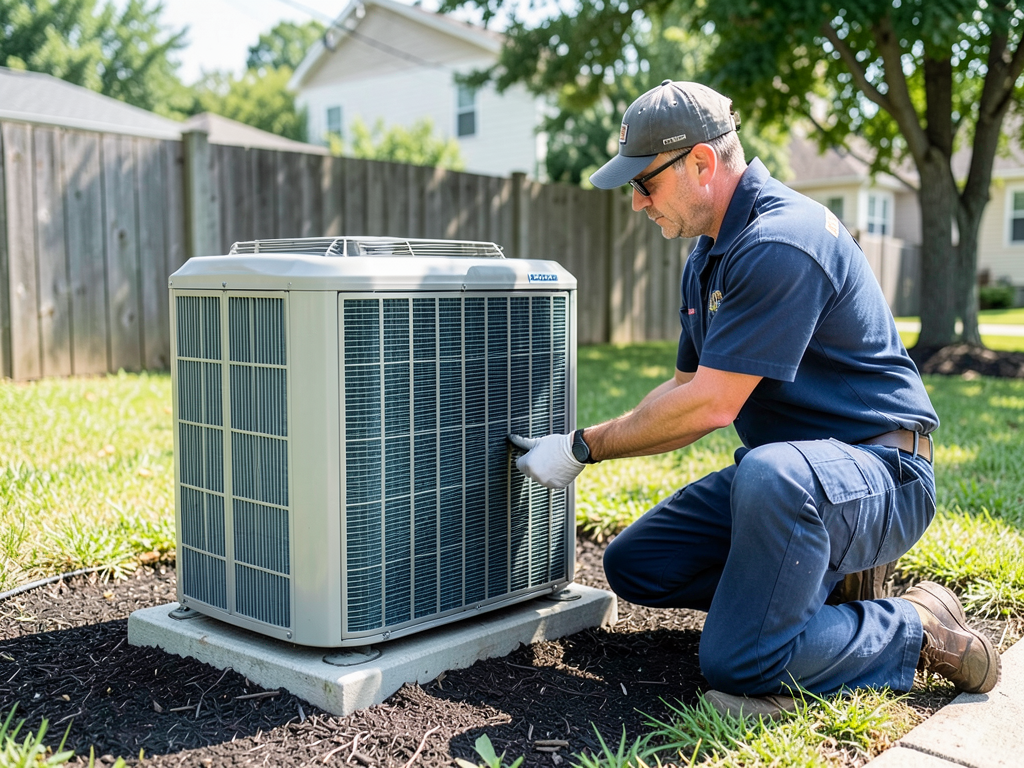
Most air conditioning units in Cincinnati last between 10 to 15 years before major components begin failing. The Ohio River Valley’s high humidity and seasonal temperature swings create unique wear patterns that can shorten lifespan compared to national averages. Homeowners in neighborhoods like Mason and Blue Ash often see units fail earlier due to the combination of summer heat, winter freeze-thaw cycles, and the area’s heavy clay soil affecting foundation stability. Why Mason residents trust us for their annual HVAC maintenance and tune-ups.
Why Cincinnati’s climate ages AC units differently
The Ohio River Valley creates a perfect storm for AC wear. Summer humidity levels regularly exceed 70% which forces your system to work harder to remove moisture from indoor air. This constant moisture exposure corrodes aluminum fins on condenser coils and promotes mold growth in evaporator units. The freeze-thaw cycles common in Cincinnati winters cause expansion and contraction in copper tubing that can lead to refrigerant leaks over time.
Local utility data from Duke Energy shows Cincinnati homes run their AC units an average of 1,200 hours per summer compared to the national average of 900 hours. This extra runtime accumulates stress on compressors and fan motors. The heavy clay soil common throughout Hamilton County also contributes to foundation shifts that can stress refrigerant lines and cause micro-fractures in copper tubing.. Read more about Protecting your outdoor AC unit from local wildlife and pests in Wyoming.
5 factors that determine your AC’s lifespan in Cincinnati
- Installation quality
Proper sizing and installation according to Hamilton County Mechanical Code Section 1303 is the single biggest factor. Units installed with incorrect refrigerant charge or improper ductwork can fail in as little as 5 years.
- SEER2 rating and efficiency
Higher efficiency units handle Cincinnati’s humidity better but require more precise maintenance. A SEER2 16+ unit typically lasts 12-15 years while older SEER 10-13 units often fail around year 10. Furnace Maintenance Checklist.
- Professional maintenance frequency
Biannual tune-ups in spring and fall catch small problems before they cause major failures. Skipping maintenance can cut 3-5 years off your system’s life.
- Usage habits during heatwaves
Constantly adjusting thermostat settings forces your compressor to cycle more frequently. Setting temperatures between 72-78°F during summer provides optimal balance.
- Brand reliability
Carrier and Trane units typically outlast budget brands by 2-3 years in Cincinnati’s climate due to better corrosion-resistant coatings and compressor durability.
Common AC failure patterns in Cincinnati homes
Most Cincinnati AC failures follow predictable patterns based on age and usage. Understanding these patterns helps you make informed repair vs replace decisions. EPA HVAC maintenance guidelines.
Years 1-5: Most issues involve minor electrical problems or thermostat malfunctions. These repairs typically cost under $300 and don’t indicate major system problems.
Years 6-10: Capacitor failures become common as components age. The contactor may stick or fail. These repairs run $200-500 and are usually worth fixing if the system is otherwise healthy.
Years 10-12: Compressor starts showing strain. You might notice longer cooling cycles or the unit struggling to maintain temperature on hot days. Repairs approach $800-1,200 and may only buy you another 1-2 years.
Years 13+: Major failures become likely. The compressor may fail completely, or you could develop multiple refrigerant leaks in aging copper lines. At this stage, replacement often makes more financial sense than repair.
The 5,000 rule for AC repair vs replacement
A simple calculation helps determine whether to repair or replace your aging AC unit. Multiply the unit’s age by the repair cost. If the result exceeds 5,000, replacement is usually the better financial decision. 24/7 AC repair for restaurants and small businesses in Downtown Cincinnati.
| Unit Age | Repair Cost | Repair vs Replace Decision |
|---|---|---|
| 8 years | $400 | Repair (3,200 < 5,000) |
| 12 years | $600 | Repair (7,200 > 5,000) |
| 10 years | $450 | Repair (4,500 < 5,000) |
| 14 years | $350 | Replace (4,900 < 5,000 but close) |
This rule accounts for the fact that older units are more likely to develop additional problems soon after a repair. A 12-year-old unit that needs a $600 repair might need another $800 repair within 12 months. How to find a reliable AC repair company in Hyde Park without overpaying.
Extending your AC’s life in Cincinnati’s climate
Regular maintenance is the most cost-effective way to maximize your AC’s lifespan. Here’s what professional maintenance includes and why it matters in Cincinnati specifically.
Spring maintenance checklist:
- Clean condenser coils to remove pollen and debris from spring blooms
- Check refrigerant charge – Cincinnati’s humidity means systems often run slightly low
- Inspect electrical connections for corrosion from summer humidity
- Test capacitor and contactor for signs of wear
- Clean or replace air filter (monthly during heavy use)
Fall maintenance checklist:
- Check for refrigerant leaks before winter sets in
- Inspect insulation on refrigerant lines
- Clean evaporator coils to prevent mold growth during winter
- Check condensate drain for proper drainage
Homeowners in Blue Ash and Mason should pay special attention to fall maintenance since these areas experience earlier frost dates than downtown Cincinnati. The extra 2-3 weeks of cold can stress components if they’re not properly prepared.
Energy efficiency and cost savings
Older AC units in Cincinnati waste significant energy due to declining efficiency. A 15-year-old unit might have a SEER rating of 8-10, while current minimum standards require SEER2 14. This means your old unit uses 30-40% more electricity to produce the same cooling. Cooling Tower Services.
Duke Energy offers rebates for high-efficiency replacements that can offset 15-20% of installation costs. The federal tax credit for energy-efficient HVAC systems provides additional savings of up to $300. These incentives make replacement more attractive when your unit reaches 12-15 years old.
Monthly energy savings from a new high-efficiency unit typically range from $30-50 for a 2,000 square foot home. Over a 5-year period, these savings can offset 40-60% of the replacement cost while providing better humidity control and reliability.
Warning signs your Cincinnati AC needs attention
Cincinnati’s specific climate creates some unique warning signs that your AC system is struggling.
Short cycling: If your unit turns on and off every 5-10 minutes during mild weather, it’s likely low on refrigerant or has a failing compressor. This wastes energy and accelerates wear.
Ice on refrigerant lines: Visible ice on copper lines during summer operation indicates restricted airflow or low refrigerant charge. This is common in Cincinnati due to pollen buildup on coils.
Musty odors: Cincinnati’s high humidity promotes mold growth in evaporator coils. A musty smell when the AC starts often indicates mold that reduces efficiency and affects indoor air quality.
Rising energy bills: If your summer electric bills increase 20% or more year over year without rate changes, your AC is losing efficiency. This is especially noticeable in older Cincinnati homes with original HVAC systems.
Strange noises: Grinding, squealing, or rattling sounds indicate failing bearings or loose components. These noises often start 6-12 months before complete failure.
Replacement costs in the Cincinnati metro area
AC replacement costs in Cincinnati vary based on home size, efficiency rating, and installation complexity. A typical 2,000 square foot home in Mason or Blue Ash can expect to pay $4,500-7,000 for a complete replacement including new thermostat and proper permits.
Homes in historic Cincinnati neighborhoods like Hyde Park or Mount Lookout often cost more due to older ductwork or the need to preserve architectural features. These installations can range from $6,000-9,000.
Commercial properties and larger homes over 3,000 square feet see costs scale up significantly. A 4,000 square foot home might require a $10,000-14,000 system with zoning controls to handle the larger cooling load.. Read more about Why a high MERV filter might actually be hurting the AC unit in your Montgomery home.
Most reputable Cincinnati HVAC companies offer financing options with terms from 36-60 months. Some also provide maintenance plans that include annual tune-ups and priority service for an additional monthly fee.
Frequently Asked Questions
How can I tell if my AC is still under warranty?
Check the manufacturer’s label on your outdoor unit for the model and serial number. Most major brands like Carrier and Trane offer 5-10 year warranties on compressors and 1-5 years on parts. The installation date is crucial for warranty claims.. Read more about How to check your outdoor AC unit for hail damage after a nasty storm in Milford.
Should I repair my 12-year-old AC or replace it?
Use the 5,000 rule mentioned earlier. If your unit is 12 years old and needs a $600 repair, that’s 7,200 – above the threshold. Also consider that a new unit will be more efficient and likely come with a warranty, making replacement the better long-term choice.
How often should I replace my AC filter in Cincinnati?
During peak cooling season (June through September), replace your filter every 30-45 days. Cincinnati’s pollen levels are among the highest in the nation, and a clogged filter reduces efficiency by up to 15%.
Can I install a larger AC unit to cool my house faster?
No. Oversized units cool too quickly without properly removing humidity, leading to short cycling and poor comfort. A properly sized unit runs longer cycles that remove more moisture from your home’s air.
Making the right decision for your home
The decision to repair or replace your AC unit depends on multiple factors specific to your situation. Consider your unit’s age, repair history, energy costs, and comfort needs. Cincinnati’s climate means units typically need replacement 2-3 years earlier than national averages.
A professional assessment can provide specific recommendations based on your home’s characteristics and usage patterns. Look for NATE-certified technicians who understand Cincinnati’s unique HVAC challenges and can explain options clearly.
Don’t wait until your AC fails on the hottest day of the year. Planning ahead gives you time to compare options, apply for rebates, and schedule installation during slower periods when contractors may offer better pricing.
Ready to extend your AC’s life or plan for replacement?
Understanding your AC’s expected lifespan is just the first step. Whether you need a professional inspection to assess your current system’s condition or want to explore replacement options with available rebates, getting expert advice can save you money and prevent unexpected breakdowns.
Call (513) 717-5155 today to schedule your comprehensive AC evaluation. Our NATE-certified technicians will assess your system’s condition, explain your options clearly, and help you make the best decision for your home and budget.
Don’t let Cincinnati’s humidity and temperature swings catch you off guard. Pick up the phone and call (513) 717-5155 before the next heatwave hits. We’re here to help you stay comfortable year-round.
Additional resources for Cincinnati homeowners
Duke Energy offers various rebates for energy-efficient HVAC upgrades. Visit their website or call (513) 421-9500 to learn about current incentives. The federal ENERGY STAR program also provides tax credits for qualifying high-efficiency systems.
For more information about maintaining your AC system, check out our other guides on seasonal maintenance and troubleshooting common problems. Understanding your system helps you make informed decisions about repairs and replacements. For more information, visit U.S. Department of Energy AC efficiency guide.
You may also find this helpful. Why your AC is frozen solid even when it’s 90 degrees in Mason.
You may also find this helpful. Is your AC still using R-22 Freon and what does that mean for your house in Dent?.
{
“@context”: “https://schema.org”,
“@type”: “BlogPosting”,
“headline”: “How many years will an AC unit actually last in the Cincinnati climate?”,
“description”: “Discover the true lifespan of AC units in Cincinnati’s humid climate. Learn how Ohio River Valley conditions affect your system and when to repair vs replace.”,
“wordCount”: 1792,
“datePublished”: “2026-04-07T10:19:00.000Z”,
“dateModified”: “2026-04-07T10:19:00.000Z”,
“inLanguage”: “en-US”,
“mainEntityOfPage”: {
“@type”: “WebPage”,
“@id”: “https://fivestarhvaccincinnati.com”
},
“publisher”: {
“@type”: “LocalBusiness”,
“name”: “Five Star HVAC Cincinnati”,
“url”: “https://fivestarhvaccincinnati.com”
},
“author”: {
“@type”: “Organization”,
“name”: “Five Star HVAC Cincinnati”,
“url”: “https://fivestarhvaccincinnati.com”
},
“image”: {
“@type”: “ImageObject”,
“url”: “https://fivestarhvaccincinnati.com/wp-content/uploads/2026/03/how-many-years-will-an-ac-unit-actually-last-in-th-1.png”
}
}
{
“@context”: “https://schema.org”,
“@type”: “HVACBusiness”,
“name”: “Five Star HVAC Cincinnati”,
“url”: “https://fivestarhvaccincinnati.com”,
“address”: {
“@type”: “PostalAddress”,
“addressLocality”: “Cincinnati”
},
“areaServed”: {
“@type”: “City”,
“name”: “Cincinnati”
}
}
{
“@context”: “https://schema.org”,
“@type”: “FAQPage”,
“mainEntity”: [
{
“@type”: “Question”,
“name”: “How can I tell if my AC is still under warranty?”,
“acceptedAnswer”: {
“@type”: “Answer”,
“text”: “Check the manufacturer’s label on your outdoor unit for the model and serial number. Most major brands like Carrier and Trane offer 5-10 year warranties on compressors and 1-5 years on parts. The installation date is crucial for warranty claims.”
}
},
{
“@type”: “Question”,
“name”: “Should I repair my 12-year-old AC or replace it?”,
“acceptedAnswer”: {
“@type”: “Answer”,
“text”: “Use the 5,000 rule mentioned earlier. If your unit is 12 years old and needs a $600 repair, that’s 7,200 – above the threshold. Also consider that a new unit will be more efficient and likely come with a warranty, making replacement the better long-term choice.”
}
},
{
“@type”: “Question”,
“name”: “How often should I replace my AC filter in Cincinnati?”,
“acceptedAnswer”: {
“@type”: “Answer”,
“text”: “During peak cooling season (June through September), replace your filter every 30-45 days. Cincinnati’s pollen levels are among the highest in the nation, and a clogged filter reduces efficiency by up to 15%.”
}
},
{
“@type”: “Question”,
“name”: “Can I install a larger AC unit to cool my house faster?”,
“acceptedAnswer”: {
“@type”: “Answer”,
“text”: “No. Oversized units cool too quickly without properly removing humidity, leading to short cycling and poor comfort. A properly sized unit runs longer cycles that remove more moisture from your home’s air.”
}
},
{
“@type”: “Question”,
“name”: “Ready to extend your AC’s life or plan for replacement?”,
“acceptedAnswer”: {
“@type”: “Answer”,
“text”: “Understanding your AC’s expected lifespan is just the first step. Whether you need a professional inspection to assess your current system’s condition or want to explore replacement options with available rebates, getting expert advice can save you money and prevent unexpected breakdowns.”
}
}
]
}
{
“@context”: “https://schema.org”,
“@type”: “HowTo”,
“name”: “Factors Affecting AC Lifespan”,
“step”: [
{
“@type”: “HowToStep”,
“position”: 1,
“name”: “Installation quality”,
“text”: “Proper sizing and installation according to Hamilton County Mechanical Code Section 1303 is the single biggest factor. Units installed with incorrect refrigerant charge or improper ductwork can fail in as little as 5 years.”
},
{
“@type”: “HowToStep”,
“position”: 2,
“name”: “SEER2 rating and efficiency”,
“text”: “Higher efficiency units handle Cincinnati’s humidity better but require more precise maintenance. A SEER2 16+ unit typically lasts 12-15 years while older SEER 10-13 units often fail around year 10. Furnace Maintenance Checklist.”
},
{
“@type”: “HowToStep”,
“position”: 3,
“name”: “Professional maintenance frequency”,
“text”: “Biannual tune-ups in spring and fall catch small problems before they cause major failures. Skipping maintenance can cut 3-5 years off your system’s life.”
},
{
“@type”: “HowToStep”,
“position”: 4,
“name”: “Usage habits during heatwaves”,
“text”: “Constantly adjusting thermostat settings forces your compressor to cycle more frequently. Setting temperatures between 72-78°F during summer provides optimal balance.”
},
{
“@type”: “HowToStep”,
“position”: 5,
“name”: “Brand reliability”,
“text”: “Carrier and Trane units typically outlast budget brands by 2-3 years in Cincinnati’s climate due to better corrosion-resistant coatings and compressor durability.”
}
],
“image”: “https://fivestarhvaccincinnati.com/wp-content/uploads/2026/03/how-many-years-will-an-ac-unit-actually-last-in-th-1.png”
}
{
“@context”: “https://schema.org”,
“@type”: “BreadcrumbList”,
“itemListElement”: [
{
“@type”: “ListItem”,
“position”: 1,
“name”: “Home”,
“item”: “https://fivestarhvaccincinnati.com”
},
{
“@type”: “ListItem”,
“position”: 2,
“name”: “Blog”,
“item”: “https://fivestarhvaccincinnati.com/blog”
},
{
“@type”: “ListItem”,
“position”: 3,
“name”: “How many years will an AC unit actually last in the Cincinnati climate?”
}
]
}
{
“@context”: “https://schema.org”,
“@type”: “Service”,
“serviceType”: “HVAC”,
“provider”: {
“@type”: “LocalBusiness”,
“name”: “Five Star HVAC Cincinnati”,
“url”: “https://fivestarhvaccincinnati.com”
},
“areaServed”: {
“@type”: “City”,
“name”: “Cincinnati”
},
“description”: “Discover the true lifespan of AC units in Cincinnati’s humid climate. Learn how Ohio River Valley conditions affect your system and when to repair vs replace.”
}