
How the Ohio River humidity affects the lifespan of your AC unit in New Richmond
New Richmond’s location along the Ohio River means your air conditioner works twice as hard during summer months. The combination of high humidity levels and frequent temperature swings creates unique challenges for HVAC systems in this riverside community. When outdoor air holds more moisture, your AC must remove both heat and water vapor to keep your home comfortable. This extra workload can shorten equipment lifespan by up to 30% if not properly managed.
The Ohio River Valley experiences some of the highest humidity levels in Ohio, with New Richmond often seeing relative humidity above 70% during July and August. Your air conditioner’s evaporator coil becomes a moisture magnet in these conditions, pulling gallons of water from the air each day. When this system struggles to keep up, you’ll notice your home feels sticky even when the thermostat reads the correct temperature. Understanding these local conditions helps you protect your investment and maintain consistent comfort year-round.
The Science: How Your AC Doubles as a Dehumidifier
Your air conditioning system removes heat through a refrigerant cycle, but it also acts as a dehumidifier by pulling moisture from indoor air. As warm, humid air passes over the cold evaporator coil, water vapor condenses into liquid form and drains away. In New Richmond’s humid climate, this process works overtime. The coil must stay cold enough to handle both the sensible heat load (temperature) and the latent heat load (moisture).
When humidity levels spike, the evaporator coil can become overwhelmed. Instead of efficiently cooling and drying the air, the system may start short cycling or running continuously without achieving comfortable conditions. This is why you might set your thermostat to 72°F but still feel uncomfortable. The air temperature may be correct, but the moisture content remains too high for true comfort. Cooling Tower Services.
According to the American Society of Heating, Refrigerating and Air-Conditioning Engineers (ASHRAE), indoor relative humidity should stay between 30-50% for optimal comfort and health. In New Richmond during peak summer, outdoor humidity often exceeds 80%, forcing your AC to work at maximum capacity just to maintain acceptable indoor levels. ASHRAE.
5 Signs High Humidity is Overworking Your HVAC System
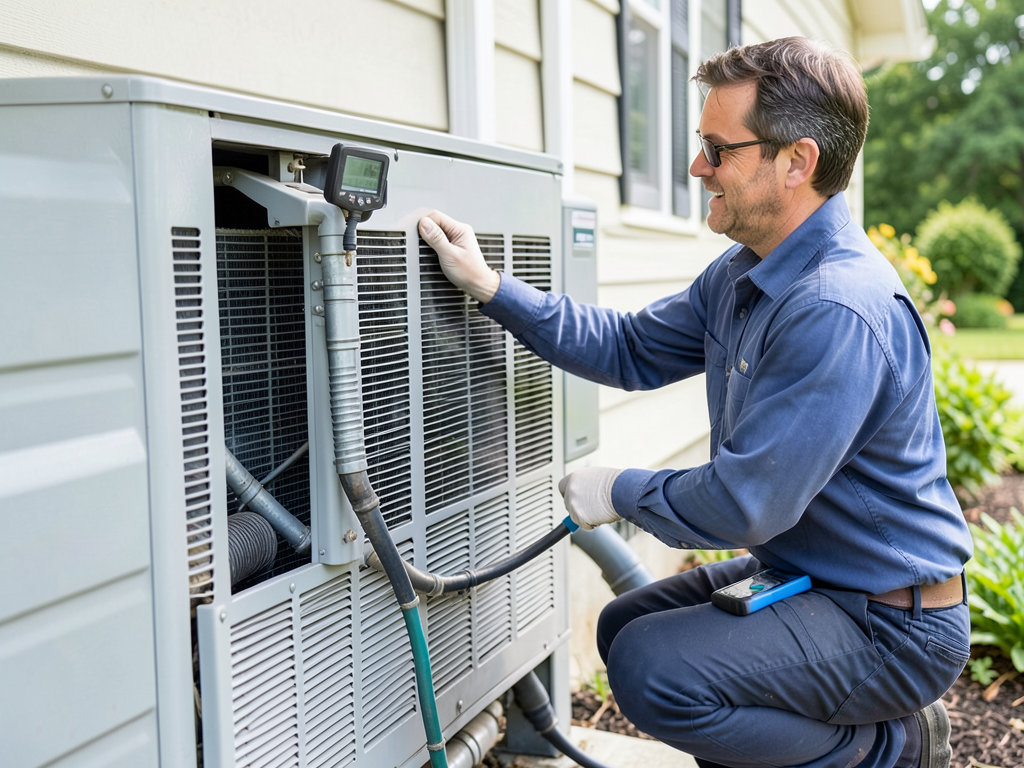
Recognizing the warning signs of humidity-related stress on your AC can prevent costly breakdowns. Here are five indicators that New Richmond’s moisture levels are taking a toll on your system:
- Condensate drain line clogs – The constant flow of water creates perfect conditions for algae growth in your drain line. When this happens, water backs up and can trigger safety switches that shut down your system.
- Frequent cycling – Your AC turns on and off more often than normal, unable to maintain consistent cooling and dehumidification. This puts extra wear on the compressor and contactor.
- Ice formation on the evaporator coil – When the coil gets too cold trying to remove excess moisture, condensation can freeze on the surface. This blocks airflow and reduces efficiency.
- Musty odors – Persistent dampness creates ideal conditions for mold growth inside your ductwork or air handler. You might notice a stale smell when the system runs.
- Rising energy bills – Your AC runs longer to achieve the same cooling effect, consuming more electricity without improving comfort. Hamilton County energy usage typically spikes 20-30% during humid spells.
The Ohio River’s proximity means New Richmond experiences more frequent dew point spikes than inland areas. When outdoor dew points exceed 65°F, your AC must work significantly harder to maintain comfort. This is especially problematic for older units or those that haven’t received proper maintenance. Furnace Maintenance Checklist.
Why ‘Sticky’ Air Leads to Higher Cincinnati Energy Bills
High humidity makes your home feel warmer than the actual temperature, leading to lower thermostat settings and longer run times. Your AC must remove approximately 970 BTUs of heat for every pound of water it condenses from the air. In New Richmond’s humid summers, this translates to substantial energy consumption.
A properly sized AC unit in a typical New Richmond home might remove 5-7 gallons of water per day during peak humidity. When the system can’t keep up, homeowners often lower their thermostat setting, thinking it will improve comfort. This actually increases energy usage without solving the underlying moisture problem.
The U.S. Department of Energy reports that every degree you lower your thermostat increases energy consumption by 3-5%. In New Richmond’s humid climate, this effect compounds quickly. A home that might need 24/7 cooling at 75°F during dry conditions could require continuous operation at 70°F when humidity spikes above 70%. U.S. Department of Energy.
Variable-speed air conditioners handle humidity better than single-stage units because they can run at lower speeds for longer periods. This allows more thorough moisture removal without the temperature swings that trigger additional cooling cycles. For New Richmond’s climate, upgrading to a variable-speed system can reduce summer energy costs by 15-25% while improving comfort.
Long-term Impacts: Mold, Mildew, and Component Wear
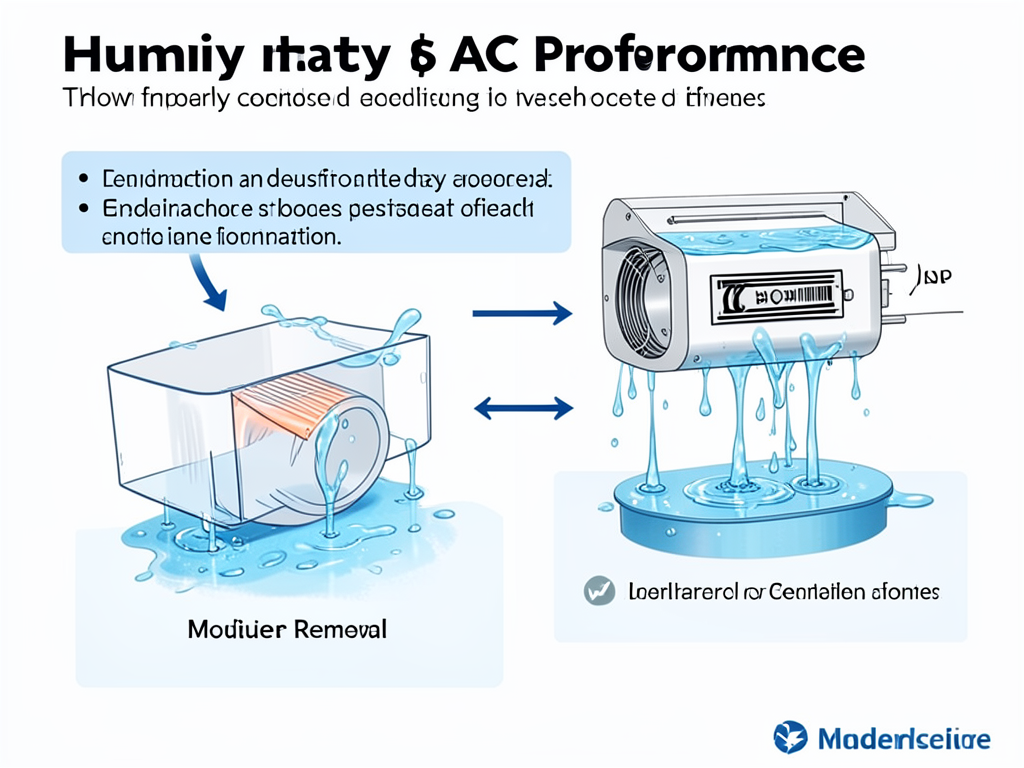
Extended exposure to high humidity creates several long-term problems for your AC system and home. The constant moisture cycling causes metal components to corrode faster, electrical connections to degrade, and insulation to break down. In New Richmond’s climate, these effects become noticeable within 5-7 years instead of the typical 10-12 years.
Mold and mildew thrive in the dark, damp environment inside your air handler and ductwork. Once established, these organisms release spores that circulate through your home, potentially causing respiratory issues and allergic reactions. The EPA recommends indoor humidity below 60% to prevent mold growth, but New Richmond’s summer conditions often exceed this threshold.
Condensate drain pans can develop cracks from constant expansion and contraction as they fill and empty. When these pans fail, water can damage your ceiling, walls, or furnace. The clay soil common in Hamilton County areas like New Richmond also contributes to foundation moisture issues that can affect basement HVAC equipment. Emergency furnace repair services for Indian Hill homeowners available right now.
Refrigerant lines running through humid spaces can develop condensation that drips onto electrical components. Over time, this moisture intrusion causes corrosion that leads to refrigerant leaks or electrical failures. A simple visual inspection during routine maintenance can catch these issues before they cause system failure.
Solutions: From Proper Sizing to Whole-Home Dehumidifiers
Addressing humidity-related AC problems requires a multi-faceted approach. The first step is ensuring your system is properly sized for your home’s specific needs. An oversized unit might cool quickly but won’t run long enough to remove adequate moisture. A load calculation considering New Richmond’s humidity patterns ensures optimal performance.
Regular maintenance becomes even more critical in humid climates. Professional cleaning of the evaporator coil, condensate drain line treatment, and refrigerant level checks should occur annually before summer. In New Richmond, scheduling this service in late April or early May helps prevent mid-summer breakdowns when HVAC companies are busiest.
Whole-home dehumidifiers offer the most effective solution for persistent humidity problems. These systems work alongside your AC to maintain optimal moisture levels, typically removing 70-100 pints of water per day. Unlike portable units, whole-home systems integrate with your existing ductwork and drain automatically.
For homes with existing AC units, upgrading to a multi-stage or variable-speed compressor can significantly improve humidity control. These systems adjust their output based on cooling demand, running longer at lower speeds when conditions are mild but humid. This extended run time provides superior moisture removal without the temperature swings of single-stage units.
Smart thermostats with humidity sensors help optimize system performance by adjusting run times based on both temperature and moisture levels. Some models can even integrate with whole-home dehumidifiers for automated climate control. In New Richmond’s variable climate, this technology can reduce energy usage while maintaining consistent comfort.
When to Call a Cincinnati HVAC Professional
While some humidity issues have simple solutions, others require professional diagnosis and repair. If your AC runs constantly but never achieves comfortable conditions, or if you notice ice formation on the lineset or evaporator coil, it’s time to call a professional. These symptoms often indicate refrigerant problems, airflow restrictions, or component failure. 24/7 AC repair for restaurants and small businesses in Downtown Cincinnati.
New Richmond homeowners should also watch for water stains around their air handler or unusual noises during operation. A failing condensate pump, clogged drain line, or deteriorating insulation can cause these issues. Early intervention prevents more expensive repairs and potential water damage to your home. How to find a reliable AC repair company in Hyde Park without overpaying.
Professional HVAC technicians use specialized tools to diagnose humidity-related problems. A psychrometric analysis measures both temperature and humidity to determine if your system is performing within design parameters. Thermal imaging can reveal insulation gaps or duct leaks that allow humid air infiltration. Refrigerant charge testing ensures your system has the correct amount for optimal heat and moisture removal.
Five Star HVAC Cincinnati has served the New Richmond area for over 15 years, understanding the specific challenges this riverside community faces. Our technicians carry NATE certification and receive ongoing training in the latest humidity control technologies. We provide honest assessments and recommend solutions that fit your home’s unique needs and your budget.
Don’t wait until your AC fails during a humid summer weekend. Proactive maintenance and timely upgrades can extend your system’s life by years while improving your home’s comfort and air quality. The investment in proper humidity control pays for itself through lower energy bills, fewer repairs, and a more comfortable living environment.
Frequently Asked Questions
How does Ohio River humidity specifically affect New Richmond homes?
New Richmond’s proximity to the Ohio River creates higher average humidity levels than inland areas. The river’s moisture evaporates into the air, especially during summer, increasing the latent heat load on your AC system. This means your air conditioner must work harder to remove both heat and moisture, potentially reducing its lifespan by 20-30% without proper maintenance.
What’s the ideal indoor humidity level for New Richmond summers?
The ideal indoor relative humidity range is 30-50%, according to ASHRAE standards. During New Richmond’s humid summers, aim for the lower end of this range (30-40%) to maintain comfort. This may require supplemental dehumidification even when your AC is running properly, as outdoor humidity often exceeds 70%.
Can a whole-home dehumidifier really help my AC last longer?
Yes. By removing excess moisture from the air before it reaches your AC’s evaporator coil, a whole-home dehumidifier reduces the system’s workload. This prevents the coil from becoming overwhelmed, reduces short cycling, and allows your AC to operate more efficiently. Many New Richmond homeowners report 15-25% longer AC lifespan after installing proper dehumidification.
How often should I have my AC serviced in New Richmond’s climate?
Annual professional maintenance is essential in New Richmond’s humid climate. Schedule service in late spring before peak summer usage. During this visit, technicians should clean the evaporator coil, treat the condensate drain line, check refrigerant levels, and inspect electrical connections. Homes with older systems or known humidity issues may benefit from twice-yearly service.
Will upgrading to a variable-speed AC help with humidity control?
Absolutely. Variable-speed systems run at lower capacities for longer periods, which provides superior moisture removal compared to single-stage units that constantly cycle on and off. This extended run time allows the evaporator coil to pull more water from the air, maintaining comfortable humidity levels even when outdoor conditions are extreme.
- Schedule annual professional maintenance
Have a certified technician inspect and clean your system each spring. This includes coil cleaning, drain line treatment, and refrigerant level checks.
- Change air filters regularly
Replace filters every 30-60 days during cooling season. Dirty filters restrict airflow and reduce the system’s ability to remove moisture.
- Keep condensate drain line clear
Pour a cup of white vinegar down the drain line every few months to prevent algae growth and clogs.
- Consider supplemental dehumidification
If your home feels sticky even when the AC runs constantly, a whole-home dehumidifier can provide the additional moisture removal your system needs.
- Monitor thermostat settings
Avoid setting your thermostat below 72°F during humid weather. Instead, use a dehumidifier to achieve comfort at higher temperatures.
Call (513) 717-5155 today to schedule your inspection. Our NATE-certified technicians understand New Richmond’s unique climate challenges and can recommend solutions that protect your investment while improving your home’s comfort.
Don’t let Ohio River humidity shorten your AC’s life. Pick up the phone and call (513) 717-5155 before the next heat wave hits. We offer same-day service for urgent issues and comprehensive maintenance plans to keep your system running efficiently year-round.
{
“@context”: “https://schema.org”,
“@type”: “BlogPosting”,
“headline”: “How the Ohio River humidity affects the lifespan of your AC unit in New Richmond”,
“description”: “Discover how New Richmond’s Ohio River humidity impacts your AC unit’s lifespan. Learn local climate effects, warning signs, and expert maintenance tips from Five Star HVAC Cincinnati.”,
“wordCount”: 2091,
“datePublished”: “2026-04-21T09:22:00.000Z”,
“dateModified”: “2026-04-21T09:22:00.000Z”,
“inLanguage”: “en-US”,
“mainEntityOfPage”: {
“@type”: “WebPage”,
“@id”: “https://fivestarhvaccincinnati.com”
},
“publisher”: {
“@type”: “LocalBusiness”,
“name”: “Five Star HVAC Cincinnati”,
“url”: “https://fivestarhvaccincinnati.com”
},
“author”: {
“@type”: “Organization”,
“name”: “Five Star HVAC Cincinnati”,
“url”: “https://fivestarhvaccincinnati.com”
},
“image”: {
“@type”: “ImageObject”,
“url”: “https://fivestarhvaccincinnati.com/wp-content/uploads/2026/03/how-the-ohio-river-humidity-affects-the-lifespan-o-1.png”
}
}
{
“@context”: “https://schema.org”,
“@type”: “HVACBusiness”,
“name”: “Five Star HVAC Cincinnati”,
“url”: “https://fivestarhvaccincinnati.com”,
“address”: {
“@type”: “PostalAddress”,
“addressLocality”: “Cincinnati”
},
“areaServed”: {
“@type”: “City”,
“name”: “Cincinnati”
}
}
{
“@context”: “https://schema.org”,
“@type”: “FAQPage”,
“mainEntity”: [
{
“@type”: “Question”,
“name”: “How does Ohio River humidity specifically affect New Richmond homes?”,
“acceptedAnswer”: {
“@type”: “Answer”,
“text”: “New Richmond’s proximity to the Ohio River creates higher average humidity levels than inland areas. The river’s moisture evaporates into the air, especially during summer, increasing the latent heat load on your AC system. This means your air conditioner must work harder to remove both heat and moisture, potentially reducing its lifespan by 20-30% without proper maintenance.”
}
},
{
“@type”: “Question”,
“name”: “What’s the ideal indoor humidity level for New Richmond summers?”,
“acceptedAnswer”: {
“@type”: “Answer”,
“text”: “The ideal indoor relative humidity range is 30-50%, according to ASHRAE standards. During New Richmond’s humid summers, aim for the lower end of this range (30-40%) to maintain comfort. This may require supplemental dehumidification even when your AC is running properly, as outdoor humidity often exceeds 70%.”
}
},
{
“@type”: “Question”,
“name”: “Can a whole-home dehumidifier really help my AC last longer?”,
“acceptedAnswer”: {
“@type”: “Answer”,
“text”: “Yes. By removing excess moisture from the air before it reaches your AC’s evaporator coil, a whole-home dehumidifier reduces the system’s workload. This prevents the coil from becoming overwhelmed, reduces short cycling, and allows your AC to operate more efficiently. Many New Richmond homeowners report 15-25% longer AC lifespan after installing proper dehumidification.”
}
},
{
“@type”: “Question”,
“name”: “How often should I have my AC serviced in New Richmond’s climate?”,
“acceptedAnswer”: {
“@type”: “Answer”,
“text”: “Annual professional maintenance is essential in New Richmond’s humid climate. Schedule service in late spring before peak summer usage. During this visit, technicians should clean the evaporator coil, treat the condensate drain line, check refrigerant levels, and inspect electrical connections. Homes with older systems or known humidity issues may benefit from twice-yearly service.”
}
},
{
“@type”: “Question”,
“name”: “Will upgrading to a variable-speed AC help with humidity control?”,
“acceptedAnswer”: {
“@type”: “Answer”,
“text”: “Absolutely. Variable-speed systems run at lower capacities for longer periods, which provides superior moisture removal compared to single-stage units that constantly cycle on and off. This extended run time allows the evaporator coil to pull more water from the air, maintaining comfortable humidity levels even when outdoor conditions are extreme.”
}
}
]
}
{
“@context”: “https://schema.org”,
“@type”: “HowTo”,
“name”: “How to maintain your AC in humid conditions”,
“step”: [
{
“@type”: “HowToStep”,
“position”: 1,
“name”: “Schedule annual professional maintenance”,
“text”: “Have a certified technician inspect and clean your system each spring. This includes coil cleaning, drain line treatment, and refrigerant level checks.”
},
{
“@type”: “HowToStep”,
“position”: 2,
“name”: “Change air filters regularly”,
“text”: “Replace filters every 30-60 days during cooling season. Dirty filters restrict airflow and reduce the system’s ability to remove moisture.”
},
{
“@type”: “HowToStep”,
“position”: 3,
“name”: “Keep condensate drain line clear”,
“text”: “Pour a cup of white vinegar down the drain line every few months to prevent algae growth and clogs.”
},
{
“@type”: “HowToStep”,
“position”: 4,
“name”: “Consider supplemental dehumidification”,
“text”: “If your home feels sticky even when the AC runs constantly, a whole-home dehumidifier can provide the additional moisture removal your system needs.”
},
{
“@type”: “HowToStep”,
“position”: 5,
“name”: “Monitor thermostat settings”,
“text”: “Avoid setting your thermostat below 72°F during humid weather. Instead, use a dehumidifier to achieve comfort at higher temperatures.”
}
],
“image”: “https://fivestarhvaccincinnati.com/wp-content/uploads/2026/03/how-the-ohio-river-humidity-affects-the-lifespan-o-1.png”
}
{
“@context”: “https://schema.org”,
“@type”: “BreadcrumbList”,
“itemListElement”: [
{
“@type”: “ListItem”,
“position”: 1,
“name”: “Home”,
“item”: “https://fivestarhvaccincinnati.com”
},
{
“@type”: “ListItem”,
“position”: 2,
“name”: “Blog”,
“item”: “https://fivestarhvaccincinnati.com/blog”
},
{
“@type”: “ListItem”,
“position”: 3,
“name”: “How the Ohio River humidity affects the lifespan of your AC unit in New Richmond”
}
]
}
{
“@context”: “https://schema.org”,
“@type”: “Service”,
“serviceType”: “HVAC”,
“provider”: {
“@type”: “LocalBusiness”,
“name”: “Five Star HVAC Cincinnati”,
“url”: “https://fivestarhvaccincinnati.com”
},
“areaServed”: {
“@type”: “City”,
“name”: “Cincinnati”
},
“description”: “Discover how New Richmond’s Ohio River humidity impacts your AC unit’s lifespan. Learn local climate effects, warning signs, and expert maintenance tips from Five Star HVAC Cincinnati.”
}