
How to tell if a bad capacitor is the reason your Hyde Park AC won’t start
Your Hyde Park home sits in one of Cincinnati’s most humid neighborhoods where summer heat and moisture create the perfect conditions for AC capacitor failure. That strange humming sound from your outdoor unit or the delay when you try to start cooling could mean your capacitor has given out. This guide shows you exactly what to look for before you call for service. Cooling Tower Services.
Common signs your AC capacitor has failed
Capacitors store and release electrical energy to start your compressor and run your fan motors. When they fail you will notice specific symptoms that point directly to this component. Here are the most common signs we see in Hyde Park homes during our summer service calls.
The AC hums but never starts
You hear a steady humming noise from the outdoor unit when you turn on your thermostat but the fan does not spin and the compressor does not kick in. This happens because the capacitor cannot provide the initial jolt of electricity needed to start the motors.
Delayed or slow starting
Your AC takes several seconds to start or struggles to reach full speed. The compressor and fan motors work harder to overcome the lack of stored electrical energy. This puts extra strain on your system and can lead to more expensive repairs. 24/7 AC repair for restaurants and small businesses in Downtown Cincinnati.
Random shutdowns or short cycling
Your AC turns off before reaching the set temperature then tries to restart only to shut down again. This short cycling happens when the capacitor cannot maintain steady voltage to keep the motors running.
Higher energy bills
A failing capacitor forces your system to work harder and longer to cool your home. You may notice your Duke Energy bill climbing even though your thermostat settings have not changed. The system runs inefficiently trying to compensate for the electrical problem.
Physical signs of capacitor failure
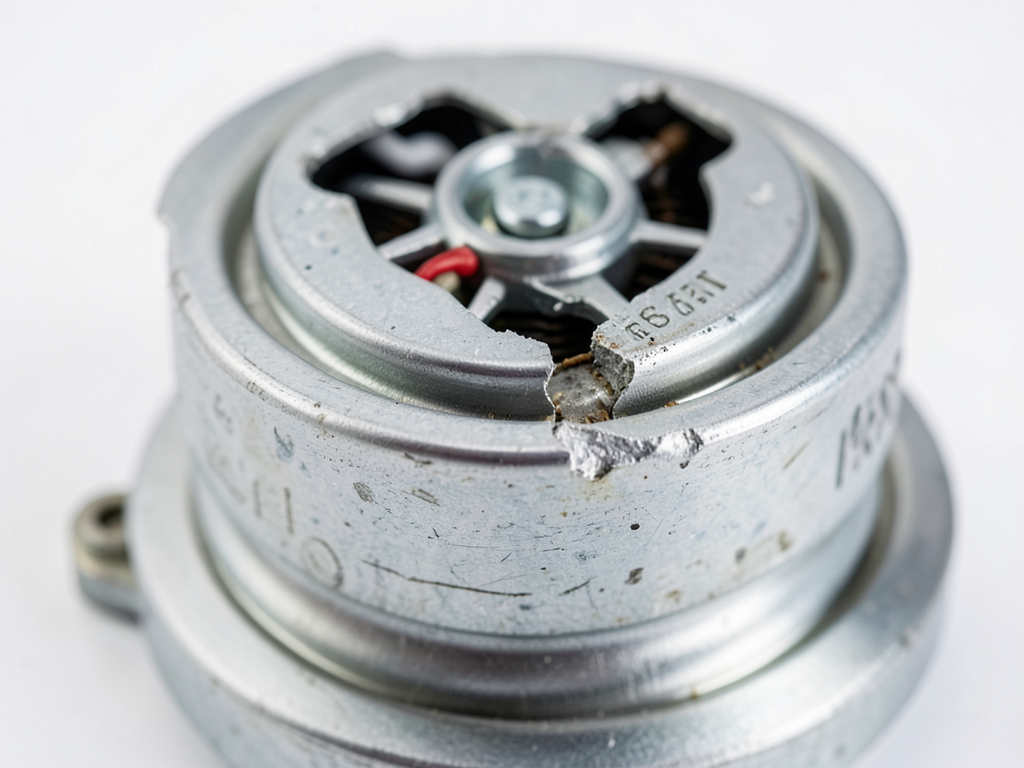
Open your outdoor unit disconnect switch and look at the capacitor. A healthy capacitor has a flat top and clean metal casing. A failing capacitor shows bulging at the top or sides, oil or fluid leaks around the base, or black soot marks on the casing. These are clear signs the internal dielectric material has broken down.
How to visually inspect your AC capacitor safely
Before you touch anything remember that capacitors store dangerous electrical charge even when the power is off. Never attempt to discharge or test a capacitor without proper training and equipment.
Safety first
Turn off power at both the thermostat and the outdoor disconnect switch. Wait at least five minutes for any stored charge to dissipate. Wear insulated gloves if you must handle any electrical components. When in doubt call a professional.
What to look for
Locate the capacitor inside your outdoor unit. It is a cylindrical or oval metal component with multiple wires attached. Check for these warning signs:
- Bulging or swollen top surface
- Leaking oil or fluid around the base
- Black or brown discoloration on the metal casing
- Cracked or split casing
If you see any of these signs your capacitor needs replacement immediately.
Understanding start vs run capacitors
Your AC uses two different types of capacitors that serve distinct purposes. Understanding the difference helps you identify which one might be failing.
| Capacitor Type | Function | Failure Symptoms |
|---|---|---|
| Start Capacitor | Provides high voltage boost to start compressor | Unit hums but does not start, clicking sounds |
| Run Capacitor | Maintains steady voltage during operation | Unit starts but runs inefficiently, random shutdowns |
Start capacitors handle the initial surge of power needed to overcome inertia. Run capacitors maintain the electrical field that keeps motors spinning efficiently. Both can fail independently or together.
Why Cincinnati humidity kills capacitors faster
Hyde Park sits in the Ohio River Valley where humidity levels often exceed seventy percent during summer months. This moisture in the air accelerates capacitor degradation through several mechanisms. Ohio HVAC licensing requirements.
High humidity causes condensation on metal components inside your outdoor unit. This moisture penetrates the capacitor casing over time and corrodes the internal foil and dielectric material. The expansion and contraction from temperature swings between cool nights and hot days creates microscopic cracks that let moisture in.
Ohio summers also bring frequent thunderstorms and power fluctuations. These voltage surges stress capacitors beyond their design limits. The National Electrical Code requires surge protection for HVAC equipment but many older Hyde Park homes still lack proper protection. HVAC electrical safety guidelines.
The dangers of DIY capacitor replacement
Capacitors store electrical charge even when disconnected from power. A typical AC capacitor holds between three hundred and four hundred volts of electricity. This is enough to cause serious injury or death if you touch the wrong terminals.
Professional technicians use specialized discharge tools and follow strict safety protocols. They also match the exact microfarad rating and voltage specifications for your specific unit. Installing the wrong capacitor can damage your compressor or create a fire hazard.
Ohio state law requires HVAC technicians to hold proper licensing for electrical work on cooling systems. Attempting repairs yourself could void your manufacturer warranty and leave you liable for any resulting damage. How to find a reliable AC repair company in Hyde Park without overpaying.
Testing your capacitor with a multimeter
Professional diagnosis requires measuring the actual microfarad output of your capacitor. A healthy capacitor should read within ten percent of its rated capacity. Here is how technicians test capacitors safely.
- Power down completely
Turn off both thermostat and outdoor disconnect. Wait five minutes minimum.
- Remove access panel
Locate the capacitor inside the outdoor unit. Take photos of wire connections before disconnecting anything.
- Discharge the capacitor
Use a proper discharge tool or wait thirty minutes. Never use a screwdriver across terminals.
- Set multimeter to capacitance mode
Connect probes to the correct terminals based on capacitor type.
- Compare readings
Healthy reading should be within ten percent of the rating printed on the capacitor.
This test requires experience to interpret correctly. A reading that seems close to normal could still indicate a capacitor that fails under load.
Average capacitor replacement costs in Cincinnati
Capacitor replacement costs vary based on the type of capacitor and the complexity of your system. In the Greater Cincinnati area including Hyde Park you can expect to pay between two hundred and four hundred dollars for parts and professional installation.
Start capacitors typically cost less than run capacitors because they are smaller and handle less continuous load. Dual run capacitors that serve multiple motors cost more but are more common in modern systems.
Emergency service calls during heat waves may cost more due to demand. However, catching capacitor problems early during routine maintenance saves you from emergency pricing and prevents damage to more expensive components. Emergency furnace repair services for Indian Hill homeowners available right now.
When to call for professional service
Call a licensed HVAC technician if you notice any of these situations:
- Your AC shows any of the failure symptoms described above
- You see physical damage on the capacitor
- Your system is over ten years old and has never had the capacitor replaced
- You hear clicking or buzzing sounds from the outdoor unit
- Your energy bills have increased unexpectedly
Early diagnosis prevents damage to your compressor which can cost thousands to replace. A simple capacitor replacement costs far less than emergency compressor repair.
Preventing capacitor failure in your Hyde Park home
You cannot eliminate capacitor failure entirely but you can extend their lifespan with proper maintenance. Schedule annual HVAC tune-ups before summer heat arrives. Technicians check capacitor health, clean electrical connections, and identify problems before they cause system failure. Furnace Maintenance Checklist.
Install whole house surge protection to guard against voltage spikes from storms and grid fluctuations. Keep the area around your outdoor unit clear of debris and vegetation to ensure proper airflow and cooling.
Consider replacing capacitors on systems over ten years old as preventive maintenance. The cost is minimal compared to emergency service during a heat wave when you need cooling most.
Frequently Asked Questions
Can I run my AC with a bad capacitor?
No. A bad capacitor can cause your compressor to overheat and fail completely. This creates much more expensive damage than replacing the capacitor.
How long do AC capacitors typically last?
Most capacitors last between ten and twenty years under normal conditions. Cincinnati’s humidity and storm frequency often reduce this to ten to fifteen years.
Will a bad capacitor damage other parts of my AC?
Yes. A failing capacitor forces your compressor and fan motors to work harder than designed. This extra strain can cause bearings to fail and compressors to burn out.
How can I tell if my capacitor is the original one?
Check the installation date printed on the capacitor casing. If it matches your system installation date and your AC is over ten years old it is likely the original.
Is capacitor replacement covered by warranty?
Most manufacturer warranties cover capacitors for five to ten years. Check your specific warranty documentation or ask your technician for details.
Call (513) 717-5155 today to schedule your inspection. Don’t wait until your AC completely fails during the next Cincinnati heat wave. Our licensed technicians can diagnose capacitor problems quickly and get your cooling system running efficiently again.
{
“@context”: “https://schema.org”,
“@type”: “BlogPosting”,
“headline”: “How to tell if a bad capacitor is the reason your Hyde Park AC won’t start”,
“description”: “Learn to identify AC capacitor failure in your Hyde Park home. Expert tips on symptoms, safety, and when to call for professional HVAC service in Cincinnati.”,
“wordCount”: 1559,
“datePublished”: “2026-06-09T14:02:00.000Z”,
“dateModified”: “2026-06-09T14:02:00.000Z”,
“inLanguage”: “en-US”,
“mainEntityOfPage”: {
“@type”: “WebPage”,
“@id”: “https://fivestarhvaccincinnati.com”
},
“publisher”: {
“@type”: “LocalBusiness”,
“name”: “Five Star HVAC Cincinnati”,
“url”: “https://fivestarhvaccincinnati.com”
},
“author”: {
“@type”: “Organization”,
“name”: “Five Star HVAC Cincinnati”,
“url”: “https://fivestarhvaccincinnati.com”
},
“image”: {
“@type”: “ImageObject”,
“url”: “https://fivestarhvaccincinnati.com/wp-content/uploads/2026/03/how-to-tell-if-a-bad-capacitor-is-the-reason-your-1.png”
}
}
{
“@context”: “https://schema.org”,
“@type”: “HVACBusiness”,
“name”: “Five Star HVAC Cincinnati”,
“url”: “https://fivestarhvaccincinnati.com”,
“address”: {
“@type”: “PostalAddress”,
“addressLocality”: “Cincinnati”
},
“areaServed”: {
“@type”: “City”,
“name”: “Cincinnati”
}
}
{
“@context”: “https://schema.org”,
“@type”: “FAQPage”,
“mainEntity”: [
{
“@type”: “Question”,
“name”: “Can I run my AC with a bad capacitor?”,
“acceptedAnswer”: {
“@type”: “Answer”,
“text”: “No. A bad capacitor can cause your compressor to overheat and fail completely. This creates much more expensive damage than replacing the capacitor.”
}
},
{
“@type”: “Question”,
“name”: “How long do AC capacitors typically last?”,
“acceptedAnswer”: {
“@type”: “Answer”,
“text”: “Most capacitors last between ten and twenty years under normal conditions. Cincinnati’s humidity and storm frequency often reduce this to ten to fifteen years.”
}
},
{
“@type”: “Question”,
“name”: “Will a bad capacitor damage other parts of my AC?”,
“acceptedAnswer”: {
“@type”: “Answer”,
“text”: “Yes. A failing capacitor forces your compressor and fan motors to work harder than designed. This extra strain can cause bearings to fail and compressors to burn out.”
}
},
{
“@type”: “Question”,
“name”: “How can I tell if my capacitor is the original one?”,
“acceptedAnswer”: {
“@type”: “Answer”,
“text”: “Check the installation date printed on the capacitor casing. If it matches your system installation date and your AC is over ten years old it is likely the original.”
}
},
{
“@type”: “Question”,
“name”: “Is capacitor replacement covered by warranty?”,
“acceptedAnswer”: {
“@type”: “Answer”,
“text”: “Most manufacturer warranties cover capacitors for five to ten years. Check your specific warranty documentation or ask your technician for details.”
}
}
]
}
{
“@context”: “https://schema.org”,
“@type”: “HowTo”,
“name”: “How to test an AC capacitor”,
“step”: [
{
“@type”: “HowToStep”,
“position”: 1,
“name”: “Power down completely”,
“text”: “Turn off both thermostat and outdoor disconnect. Wait five minutes minimum.”
},
{
“@type”: “HowToStep”,
“position”: 2,
“name”: “Remove access panel”,
“text”: “Locate the capacitor inside the outdoor unit. Take photos of wire connections before disconnecting anything.”
},
{
“@type”: “HowToStep”,
“position”: 3,
“name”: “Discharge the capacitor”,
“text”: “Use a proper discharge tool or wait thirty minutes. Never use a screwdriver across terminals.”
},
{
“@type”: “HowToStep”,
“position”: 4,
“name”: “Set multimeter to capacitance mode”,
“text”: “Connect probes to the correct terminals based on capacitor type.”
},
{
“@type”: “HowToStep”,
“position”: 5,
“name”: “Compare readings”,
“text”: “Healthy reading should be within ten percent of the rating printed on the capacitor.”
}
],
“image”: “https://fivestarhvaccincinnati.com/wp-content/uploads/2026/03/how-to-tell-if-a-bad-capacitor-is-the-reason-your-1.png”
}
{
“@context”: “https://schema.org”,
“@type”: “BreadcrumbList”,
“itemListElement”: [
{
“@type”: “ListItem”,
“position”: 1,
“name”: “Home”,
“item”: “https://fivestarhvaccincinnati.com”
},
{
“@type”: “ListItem”,
“position”: 2,
“name”: “Blog”,
“item”: “https://fivestarhvaccincinnati.com/blog”
},
{
“@type”: “ListItem”,
“position”: 3,
“name”: “How to tell if a bad capacitor is the reason your Hyde Park AC won’t start”
}
]
}
{
“@context”: “https://schema.org”,
“@type”: “Service”,
“serviceType”: “HVAC”,
“provider”: {
“@type”: “LocalBusiness”,
“name”: “Five Star HVAC Cincinnati”,
“url”: “https://fivestarhvaccincinnati.com”
},
“areaServed”: {
“@type”: “City”,
“name”: “Cincinnati”
},
“description”: “Learn to identify AC capacitor failure in your Hyde Park home. Expert tips on symptoms, safety, and when to call for professional HVAC service in Cincinnati.”
}