
How to ventilate an attached garage in Mason to keep exhaust fumes out of your living room
If you live in Mason and have an attached garage, exhaust fumes from cars, lawn equipment, and chemicals can seep into your home through gaps, doors, and shared walls. Poor ventilation allows carbon monoxide and volatile organic compounds to build up, creating health risks for your family. The solution is a properly designed garage ventilation system that exchanges air multiple times per hour and meets Ohio building code requirements. Why Mason residents trust us for their annual HVAC maintenance and tune-ups.
Local homes in Mason face unique challenges. The Ohio River Valley climate means high humidity in summer and cold winters, which affects how ventilation systems perform. Many newer Mason developments have tightly sealed garages that trap fumes without proper airflow. A professional assessment can determine the right system for your garage size and usage patterns.. Read more about Choosing the right air scrubber technology for a sensitive allergy sufferer in Montgomery.
Proper garage ventilation removes harmful gases, controls moisture, and prevents mold growth on stored items. Systems range from simple exhaust fans to heat recovery ventilators that filter and temper incoming air. The best choice depends on your garage’s square footage, insulation, and whether you use it as a workshop or gym. Understanding these factors helps you make an informed decision about protecting your indoor air quality.
Why garage ventilation matters in Mason
Mason homes often feature attached garages as standard design elements in newer subdivisions. These garages share walls with living spaces, creating direct pathways for fumes to enter your home. Carbon monoxide from vehicles and VOCs from paints, cleaners, and gasoline can accumulate to dangerous levels without proper ventilation.
The local climate creates additional ventilation challenges. Summer humidity in the Ohio Valley can cause condensation in poorly ventilated garages, leading to rust on tools and mold on stored items. Winter temperature swings create pressure differences that draw garage air into your home through even small gaps around doors and electrical penetrations.
Ohio building codes require mechanical ventilation for enclosed spaces where vehicles are stored. The Cincinnati Department of Buildings and Inspections enforces these requirements, particularly in newer construction. Homes built before current codes may lack proper ventilation, putting families at risk for long-term exposure to harmful gases. EPA indoor air quality guidelines.
Health impacts from garage fumes include headaches, dizziness, and respiratory irritation. Children and elderly family members are especially vulnerable to these effects. Installing proper ventilation protects your family while also preserving the condition of your garage and stored belongings.
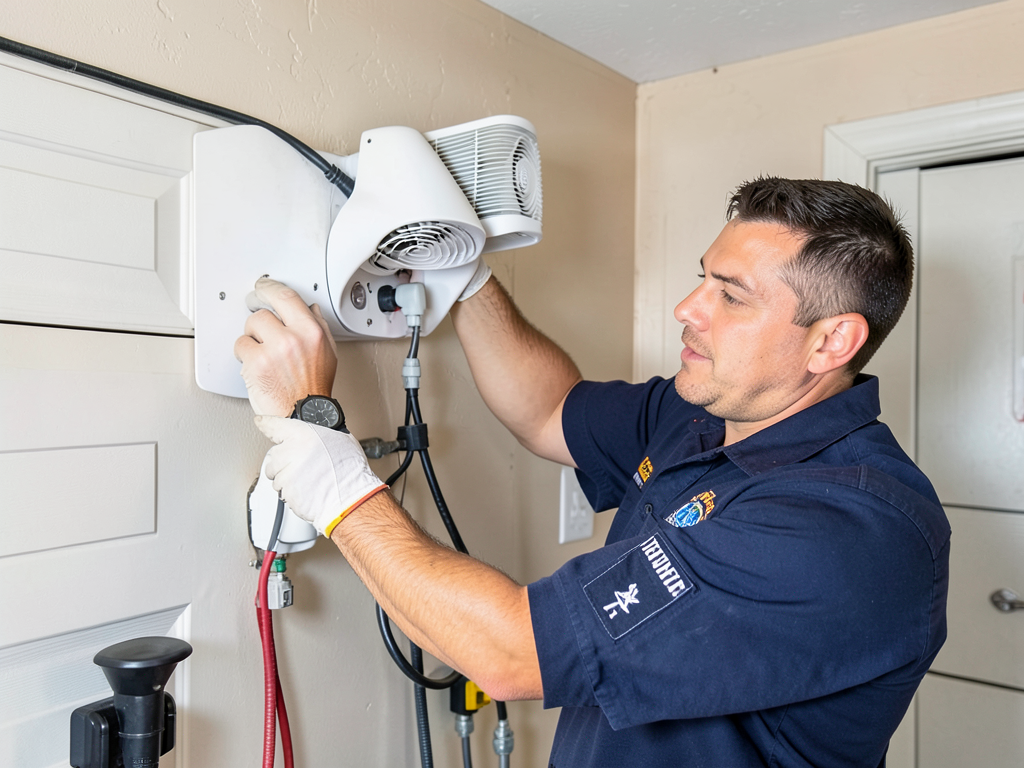
Diagram showing airflow patterns in a properly ventilated attached garage with exhaust fan placement and intake vents
Types of garage ventilation systems
Garage ventilation systems fall into two main categories: passive and active. Passive systems rely on natural air movement through vents, while active systems use powered fans to force air exchange. Each type has advantages depending on your garage’s construction and your specific needs.
Passive ventilation typically includes soffit vents, gable vents, or ridge vents that allow air to flow naturally through the space. These work well in detached garages or when combined with operable windows. However, passive systems often cannot provide the consistent air exchange rates needed for attached garages in Mason’s climate.
Active ventilation systems use electric fans to move air in and out of the garage. Wall-mounted exhaust fans pull stale air out while fresh air enters through intake vents or gaps around doors. Ceiling-mounted units work well for larger garages, providing more even air distribution across the space.
Heat recovery ventilators (HRVs) represent the most advanced option. These units exchange heat between outgoing and incoming air streams, maintaining temperature while providing fresh air. HRVs work especially well in Mason’s climate, where winter heating costs make simple exhaust fans expensive to operate.
The table below compares the main ventilation system types based on key performance factors:
| System Type | Installation Cost | Energy Use | Air Exchange Rate | Best For |
|---|---|---|---|---|
| Passive Vents | $$ | Low | 1-2 per hour | Detached garages |
| Exhaust Fan | $$ | Medium | 4-6 per hour | Attached garages |
| Heat Recovery Ventilator | $$$ | Low-Medium | 6-8 per hour | Year-round use |
Calculating ventilation needs for your garage
Proper ventilation requires calculating the correct airflow for your garage size. The standard measurement is cubic feet per minute (CFM), which determines how much air moves through the space each minute. Too little airflow leaves fumes behind; too much wastes energy and creates drafts.
Start by measuring your garage’s dimensions. Multiply length times width times height to get cubic feet. For a typical two-car garage measuring 20 by 20 feet with 8-foot ceilings, you have 3,200 cubic feet of space. This calculation forms the basis for determining your ventilation requirements.
The general rule requires replacing all air in the space four to six times per hour. For the 3,200 cubic foot example, multiply by 4 to 6 and divide by 60 minutes. This gives you a required airflow of 213 to 320 CFM for adequate ventilation.
Additional factors affect these calculations. Garage usage patterns matter significantly. If you store chemicals, use the space as a workshop, or keep a refrigerator running, you need higher airflow rates. The presence of water heaters or other fuel-burning appliances also increases ventilation requirements.
Ohio building code requirements specify minimum ventilation rates for attached garages. Hamilton County follows these standards, requiring mechanical ventilation capable of providing at least 1 CFM per square foot of floor area. This translates to 400 CFM for a 20 by 20 foot garage, which exceeds basic air exchange requirements.
Installation considerations and building codes
Installing garage ventilation requires compliance with Ohio building codes and local regulations. The Cincinnati Department of Buildings and Inspections requires permits for most ventilation work, particularly when electrical connections are involved. Working with a licensed contractor ensures your system meets all requirements.
Fire safety represents a critical consideration. Ohio residential building code requires fire-rated dampers on ventilation openings that connect to living spaces. These devices close automatically during a fire, preventing smoke and flames from spreading through the ventilation system.
Carbon monoxide detection becomes mandatory when installing garage ventilation systems. Ohio law requires CO detectors within 10 feet of sleeping areas in homes with attached garages. Modern ventilation systems often include integrated CO sensors that can shut down the system if dangerous levels are detected.
Electrical requirements affect installation planning. Ventilation fans need dedicated circuits with proper grounding. The National Electrical Code specifies requirements for outdoor-rated wiring and GFCI protection in garage applications. These safety measures prevent electrical hazards in the damp garage environment.
Noise levels measured in sones affect system selection. Wall-mounted fans typically operate at 2 to 4 sones, which most people find acceptable. Higher-powered units may reach 6 sones or more, creating noticeable noise that can disturb adjacent living spaces. Proper fan selection balances airflow needs with noise considerations.

Technician installing a wall-mounted exhaust fan in a Mason garage, showing proper mounting height and weatherproof electrical connections
DIY vs professional installation
DIY garage ventilation kits are available at home improvement stores, but they come with significant limitations. Basic exhaust fan kits typically include a fan, mounting hardware, and simple controls. While these work for very basic applications, they often fail to meet building code requirements for attached garages.
Professional installation provides several advantages. Licensed contractors understand local building codes and permit requirements. They can perform proper airflow calculations and select equipment sized correctly for your space. Professional installation also includes warranty coverage and ensures compliance with fire safety regulations. HVAC Warranty Guide.
The main DIY limitation involves electrical work. Most ventilation systems require dedicated circuits and proper grounding. Working in electrical panels and running new wiring poses serious safety risks for untrained individuals. Local codes may also prohibit unlicensed individuals from performing this work.
Professional contractors bring diagnostic tools that DIYers lack. They can measure existing airflow, test for air leaks, and verify that the system performs as designed. This testing ensures your investment actually solves the ventilation problem rather than creating new issues.
Cost considerations favor professional installation for most homeowners. While DIY kits seem cheaper upfront, they often lead to problems that require professional correction. The time spent on research, installation, and troubleshooting can exceed the cost difference between DIY and professional installation.
Maintenance and troubleshooting
Garage ventilation systems require regular maintenance to operate effectively. Fans collect dust and debris that reduce airflow over time. Motors need lubrication, and belts require adjustment or replacement. A maintenance schedule prevents system failures when you need ventilation most. Furnace Maintenance Checklist.
Monthly checks should include cleaning fan blades and grilles. Dust buildup on blades reduces efficiency and increases noise. Check that intake and exhaust vents remain clear of obstructions like stored items or spider webs. Listen for unusual noises that might indicate bearing wear or motor problems.
Seasonal maintenance addresses climate-specific issues. Before summer, clean condenser coils on heat recovery units. Check that dampers move freely after winter, when ice or debris might prevent proper operation. Test carbon monoxide detectors monthly and replace batteries annually.
Common problems include reduced airflow, unusual noises, and system cycling. Reduced airflow often results from dirty filters or blocked vents. Noises might indicate loose mounting hardware or failing bearings. Cycling problems could stem from thermostat issues or control board failures.
Professional troubleshooting uses diagnostic tools to identify problems quickly. Technicians measure actual airflow, check electrical connections, and test control systems. This systematic approach finds the root cause rather than just treating symptoms, saving time and preventing recurring issues.
Replacement timing depends on usage and environmental conditions. Fans in dusty garages or those running continuously may need replacement every 5 to 7 years. Heat recovery units typically last 10 to 15 years with proper maintenance. Watch for declining performance as a sign that replacement approaches.
Energy efficiency and cost considerations
Garage ventilation affects your home’s overall energy efficiency. Exhaust fans that run continuously can increase heating and cooling costs by drawing conditioned air out of your home. Heat recovery ventilators minimize this impact by transferring heat between air streams, but they require higher upfront investment. Cooling Tower Services.
Variable speed controls help manage energy use. These systems adjust fan speed based on actual ventilation needs rather than running at full power constantly. During mild weather, lower speeds provide adequate ventilation while reducing energy consumption. Smart controls can tie ventilation to garage door activity or air quality sensors.
Utility rebates may offset installation costs. Duke Energy and other local utilities occasionally offer incentives for energy-efficient ventilation equipment. These programs change annually, so checking current offerings before installation can provide significant savings.
Operating costs depend on system type and local electricity rates. A typical 100-watt exhaust fan running 24/7 costs about $8.50 per month at current Ohio electricity rates. Heat recovery units use less power but cost more to purchase and install initially.
Long-term savings come from preventing damage rather than direct energy reduction. Proper ventilation prevents rust on tools, mold on stored items, and deterioration of garage structures. These savings often exceed the annual operating costs of the ventilation system.
The table below shows typical cost ranges for different ventilation system types:
| System Component | DIY Kit Cost | Professional Installation | Annual Operating Cost |
|---|---|---|---|
| Basic Exhaust Fan | $150-250 | $400-600 | $80-100 |
| Heat Recovery Ventilator | Not Available | $1,500-2,500 | $60-80 |
| Smart Control System | $100-200 | $300-500 | Minimal |
Special considerations for workshop and gym conversions
Many Mason homeowners convert garages into workshops or home gyms. These conversions create additional ventilation requirements beyond standard garage ventilation. Workshops generate dust, fumes, and heat that standard systems cannot handle effectively.
Workshop ventilation needs depend on activities. Woodworking creates fine dust that standard filters cannot capture. Painting and finishing work releases VOCs that require higher air exchange rates. Welding produces harmful fumes needing specialized filtration. Each activity may require additional ventilation beyond basic garage requirements.
Garage gyms create moisture and heat challenges. Exercise equipment generates heat, while sweating creates humidity that standard ventilation cannot control. These conditions promote mold growth and create uncomfortable workout environments. Enhanced ventilation with humidity control becomes essential for gym conversions.
Noise considerations become more critical for living space conversions. Standard exhaust fans may create unacceptable noise levels for a home gym or workshop. Low-sone fans or remote-mounted units help maintain comfortable sound levels while providing adequate ventilation.
Temperature control affects equipment performance and comfort. Workshops with power tools need cooling in summer to prevent overheating. Gym spaces benefit from tempered air rather than unconditioned outside air. Heat recovery ventilators or dedicated heating/cooling units may be necessary for these conversions.
Building code requirements change when converting garage space. Hamilton County may require permits for electrical work, insulation, and ventilation modifications. Fire-rated construction between the converted space and living areas often becomes mandatory. Professional assessment ensures compliance with all applicable codes.
Frequently Asked Questions
How much does garage ventilation cost in Mason?
Basic exhaust fan installation ranges from $400 to $600 professionally installed. Heat recovery ventilators cost $1,500 to $2,500 installed. DIY kits start around $150 but may not meet building codes for attached garages.
Do I need a permit for garage ventilation in Hamilton County?
Yes, most ventilation work requires permits, especially when electrical connections are involved. The Cincinnati Department of Buildings and Inspections enforces these requirements to ensure safety and code compliance.
How long does installation take?
Basic exhaust fan installation typically takes 2 to 4 hours. Heat recovery ventilator installation requires 6 to 8 hours due to the complexity of the system and integration with existing HVAC.
Will ventilation increase my energy bills?
Standard exhaust fans add about $8 to $10 monthly to electricity costs. Heat recovery ventilators minimize this impact by transferring heat between air streams, often costing less to operate than basic fans.
Can I install ventilation myself?
DIY installation is possible for basic systems, but most attached garages require professional installation to meet building codes and ensure proper performance. Electrical work and fire safety requirements make professional installation advisable.
Take action to protect your family’s air quality
Don’t wait until fumes become a health problem in your Mason home. Poor garage ventilation puts your family at risk for carbon monoxide exposure and creates conditions that damage stored belongings. The humid Ohio climate makes proper ventilation even more critical for maintaining a healthy home environment.
Professional assessment determines exactly what your garage needs based on its size, construction, and your specific usage patterns. We measure actual airflow, check for air leaks, and recommend systems that meet all Ohio building code requirements. Our installations include proper permitting, fire safety features, and warranty protection.
Call (513) 717-5155 today to schedule your garage ventilation assessment. Our technicians serve Mason and surrounding areas with the expertise needed to solve your ventilation problems correctly the first time. Protect your family’s health and preserve your garage investment with professional ventilation installation.
Pick up the phone and call (513) 717-5155 before the next heat wave or cold snap makes your ventilation problems worse. Your family deserves clean air and a safe home environment. Let us show you exactly how proper garage ventilation can transform your attached garage from a potential hazard into a safe, comfortable space.
Before and after comparison showing a garage with poor ventilation (fumes visible) and the same space after professional ventilation installation with clean air flow
Five Star HVAC Cincinnati has served the greater Cincinnati area for years, bringing commercial-grade expertise to residential ventilation projects. Our understanding of local building codes, climate conditions, and family health needs makes us the trusted choice for garage ventilation in Mason and surrounding communities. For more information, visit ASHRAE ventilation standards.
{
“@context”: “https://schema.org”,
“@type”: “BlogPosting”,
“headline”: “How to ventilate an attached garage in Mason to keep exhaust fumes out of your living room”,
“description”: “Learn how to install proper garage ventilation in Mason homes to remove harmful fumes and improve indoor air quality. Local building codes and expert tips included.”,
“wordCount”: 2586,
“datePublished”: “2026-05-20T07:22:00.000Z”,
“dateModified”: “2026-05-20T07:22:00.000Z”,
“inLanguage”: “en-US”,
“mainEntityOfPage”: {
“@type”: “WebPage”,
“@id”: “https://fivestarhvaccincinnati.com”
},
“publisher”: {
“@type”: “LocalBusiness”,
“name”: “Five Star HVAC Cincinnati”,
“url”: “https://fivestarhvaccincinnati.com”
},
“author”: {
“@type”: “Organization”,
“name”: “Five Star HVAC Cincinnati”,
“url”: “https://fivestarhvaccincinnati.com”
},
“image”: {
“@type”: “ImageObject”,
“url”: “https://fivestarhvaccincinnati.com/wp-content/uploads/2026/03/how-to-ventilate-an-attached-garage-in-mason-to-ke-1.png”
}
}
{
“@context”: “https://schema.org”,
“@type”: “HVACBusiness”,
“name”: “Five Star HVAC Cincinnati”,
“url”: “https://fivestarhvaccincinnati.com”,
“address”: {
“@type”: “PostalAddress”,
“addressLocality”: “Cincinnati”
},
“areaServed”: {
“@type”: “City”,
“name”: “Cincinnati”
}
}
{
“@context”: “https://schema.org”,
“@type”: “FAQPage”,
“mainEntity”: [
{
“@type”: “Question”,
“name”: “How much does garage ventilation cost in Mason?”,
“acceptedAnswer”: {
“@type”: “Answer”,
“text”: “Basic exhaust fan installation ranges from $400 to $600 professionally installed. Heat recovery ventilators cost $1,500 to $2,500 installed. DIY kits start around $150 but may not meet building codes for attached garages.”
}
},
{
“@type”: “Question”,
“name”: “Do I need a permit for garage ventilation in Hamilton County?”,
“acceptedAnswer”: {
“@type”: “Answer”,
“text”: “Yes, most ventilation work requires permits, especially when electrical connections are involved. The Cincinnati Department of Buildings and Inspections enforces these requirements to ensure safety and code compliance.”
}
},
{
“@type”: “Question”,
“name”: “How long does installation take?”,
“acceptedAnswer”: {
“@type”: “Answer”,
“text”: “Basic exhaust fan installation typically takes 2 to 4 hours. Heat recovery ventilator installation requires 6 to 8 hours due to the complexity of the system and integration with existing HVAC.”
}
},
{
“@type”: “Question”,
“name”: “Will ventilation increase my energy bills?”,
“acceptedAnswer”: {
“@type”: “Answer”,
“text”: “Standard exhaust fans add about $8 to $10 monthly to electricity costs. Heat recovery ventilators minimize this impact by transferring heat between air streams, often costing less to operate than basic fans.”
}
},
{
“@type”: “Question”,
“name”: “Can I install ventilation myself?”,
“acceptedAnswer”: {
“@type”: “Answer”,
“text”: “DIY installation is possible for basic systems, but most attached garages require professional installation to meet building codes and ensure proper performance. Electrical work and fire safety requirements make professional installation advisable.”
}
}
]
}
{
“@context”: “https://schema.org”,
“@type”: “BreadcrumbList”,
“itemListElement”: [
{
“@type”: “ListItem”,
“position”: 1,
“name”: “Home”,
“item”: “https://fivestarhvaccincinnati.com”
},
{
“@type”: “ListItem”,
“position”: 2,
“name”: “Blog”,
“item”: “https://fivestarhvaccincinnati.com/blog”
},
{
“@type”: “ListItem”,
“position”: 3,
“name”: “How to ventilate an attached garage in Mason to keep exhaust fumes out of your living room”
}
]
}
{
“@context”: “https://schema.org”,
“@type”: “Service”,
“serviceType”: “HVAC”,
“provider”: {
“@type”: “LocalBusiness”,
“name”: “Five Star HVAC Cincinnati”,
“url”: “https://fivestarhvaccincinnati.com”
},
“areaServed”: {
“@type”: “City”,
“name”: “Cincinnati”
},
“description”: “Learn how to install proper garage ventilation in Mason homes to remove harmful fumes and improve indoor air quality. Local building codes and expert tips included.”
}