
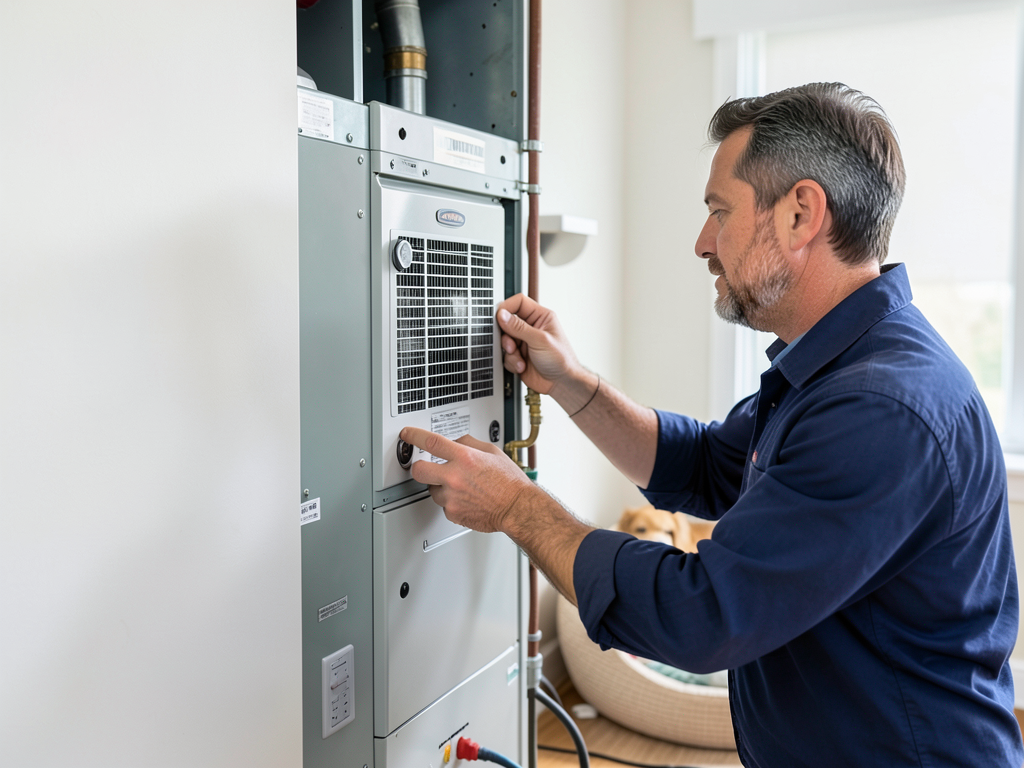
Managing Pet Dander and Fur in Your HVAC System (Advice for Pleasant Ridge Homeowners)
Living in Pleasant Ridge with pets means enjoying the neighborhood’s tree-lined streets and pet-friendly atmosphere but it also brings unique challenges for your HVAC system. Pet hair and dander circulate through your ductwork constantly creating buildup that reduces efficiency and affects indoor air quality. Cincinnati’s high humidity levels from the Ohio River Valley make these issues even more pronounced as moisture combines with pet debris to create stubborn deposits inside your system.
Older homes in Pleasant Ridge many built before 1960 often have ductwork that wasn’t designed for today’s high-efficiency systems or the constant airflow needed to manage pet-related contaminants. The result is reduced airflow increased energy bills and potential system strain. Understanding how to protect your HVAC system while keeping your pets comfortable is essential for Pleasant Ridge homeowners.
Why Pleasant Ridge Homes Face Unique Pet HVAC Challenges
The architectural character of Pleasant Ridge includes many mid-century and historic homes with specific HVAC considerations. These older structures often feature plaster walls and original ductwork that may have gaps or insufficient sealing allowing pet hair and dander to accumulate in hard-to-reach areas. The neighborhood’s proximity to the Montgomery Road corridor means homes experience consistent traffic-related dust that combines with pet debris creating a unique filtration challenge.
Cincinnati’s seasonal temperature swings from polar vortex winters to 90-degree summers mean your HVAC system runs nearly year-round. This constant operation combined with pet shedding cycles creates a perfect storm for system contamination. The humid summers particularly affect pet owners as moisture in the air causes pet dander to clump and stick to evaporator coils and ductwork surfaces.
Understanding MERV Ratings for Pet Owners
Choosing the right air filter makes a significant difference in managing pet-related HVAC issues. MERV ratings (Minimum Efficiency Reporting Value) indicate how effectively a filter captures particles. For pet owners in Pleasant Ridge the sweet spot is typically MERV 11 to MERV 13 filters.
MERV 11 filters capture 85% of particles between 3.0 and 10.0 microns including most pet dander and hair. MERV 13 filters go further capturing 90% of these particles plus smaller allergens like bacteria and smoke. However higher MERV ratings can restrict airflow if your system isn’t designed for them potentially straining the blower motor.
The table below compares MERV ratings and their effectiveness for pet owners:
| MERV Rating | Pet Dander Capture | Airflow Impact | Best For |
|---|---|---|---|
| MERV 8 | 70-80% | Minimal | Single pet light shedding |
| MERV 11 | 85-90% | Moderate | Multiple pets moderate shedding |
| MERV 13 | 90-95% | Significant | Heavy shedders allergy sufferers |
| MERV 16 | 95%+ | Severe | Medical-grade filtration only |
Before upgrading to a higher MERV rating have your HVAC technician verify your system can handle the increased resistance. Many Pleasant Ridge homes with older systems benefit from MERV 11 filters as a balanced approach to pet dander management without compromising system performance.
Advanced Air Quality Solutions for Multi-Pet Homes
Beyond standard filtration several technologies specifically address pet-related air quality issues. UV germicidal lights installed in your ductwork neutralize airborne bacteria viruses and the compounds that cause pet odors. These systems work continuously breaking down organic matter before it can circulate through your home.
Electronic air cleaners use electrostatic attraction to capture particles as small as 0.01 microns far smaller than what standard filters can trap. These systems are particularly effective for cat owners dealing with the fine dust from cat litter that standard filters miss.. Read more about Dealing with high pollen counts in Evendale using advanced HVAC filtration.
Whole-house air purifiers with activated carbon filters address the wet dog smell that many pet owners notice. These systems trap odor-causing molecules while the HEPA filtration captures dander and hair. For Pleasant Ridge homes where windows often stay closed during humid summers these systems make a noticeable difference in air freshness. EPA guidelines on indoor air quality.
According to the EPA’s guidelines on indoor air quality proper ventilation combined with filtration is essential for homes with pets. The agency recommends replacing filters every 30-60 days for homes with pets compared to every 90 days for pet-free homes. HVAC Warranty Guide.
Protecting Your Outdoor Unit from Pet Damage
Pet urine contains ammonia and other compounds that can corrode aluminum condenser coils. Male dogs particularly target outdoor AC units and repeated exposure can create tiny holes in the coil fins reducing efficiency and potentially causing refrigerant leaks. The corrosion process is gradual but irreversible once it begins.
Installing a simple barrier around your outdoor unit prevents direct contact while maintaining proper airflow. Commercial-grade coil guards or decorative fencing positioned 18-24 inches from the unit provides protection without restricting ventilation. Some Pleasant Ridge homeowners use landscaping rocks or mulch beds as natural barriers though these require regular maintenance to prevent debris buildup. Furnace Maintenance Checklist.
Regular cleaning of the outdoor condenser coils removes accumulated pet hair and dander that can insulate the coils and reduce heat transfer efficiency. During Cincinnati’s humid summers this buildup combined with pollen creates a sticky residue that standard cleaning doesn’t remove. Professional coil cleaning with specialized degreasers restores optimal performance.
Indoor Coil Maintenance for Pet Owners
The indoor evaporator coil is particularly vulnerable to pet hair accumulation. As air passes over the cold coil moisture condenses and combines with pet dander creating a glue-like substance that traps additional debris. This buildup restricts airflow and creates ideal conditions for mold growth especially in Cincinnati’s humid climate.
Signs of coil contamination include reduced cooling capacity longer run times and ice formation on the coil during peak cooling season. The system may also produce a musty odor when first starting indicating biological growth on the coil surface. Cooling Tower Services.
Professional coil cleaning involves removing the coil and using high-pressure cleaning solutions specifically formulated for HVAC systems. This process removes the accumulated debris without damaging the delicate fin structure. For homes with multiple pets annual coil cleaning prevents the performance degradation that comes from restricted airflow.
According to the ACCA (Air Conditioning Contractors of America) standards evaporator coils should maintain at least 75% of their original heat transfer efficiency. Pet hair buildup can reduce this to 50% or less significantly increasing energy consumption and system wear. ACCA indoor air quality standards.
Maintaining Ductwork in Older Pleasant Ridge Homes
Many Pleasant Ridge homes feature original ductwork that has developed gaps leaks or inadequate insulation over decades of use. These issues become more problematic with pets as air leaks allow conditioned air to escape while drawing in unfiltered air from attics crawl spaces or wall cavities.
Duct leakage in homes with pets creates a recirculation problem where pet dander continuously cycles through the system without proper filtration. The EPA estimates that typical homes lose 20-30% of conditioned air through duct leaks but homes with pets may experience even higher losses due to the increased system runtime needed to maintain comfort.
Professional duct inspection using a camera scope reveals the extent of contamination inside your ductwork. Pet hair accumulates in low spots and corners creating breeding grounds for dust mites and other allergens. The humid Cincinnati climate means this debris often stays moist promoting mold growth that can spread throughout your home.
Duct cleaning for pet owners involves specialized equipment that agitates debris while simultaneously vacuuming it out. This process removes years of accumulated pet hair dander and other contaminants. For Pleasant Ridge homes built before 1980 this service often reveals construction debris insulation particles and other materials that have settled in the ductwork over decades.
Creating a Pet-Friendly HVAC Maintenance Schedule
Establishing a regular maintenance routine prevents the gradual decline in system performance that pet owners often experience. The frequency of maintenance tasks depends on your specific situation but most multi-pet households benefit from more frequent service than standard recommendations suggest.
Replace standard 1-inch filters every 30 days if you have multiple pets or heavy shedders. For homes with single pets or minimal shedding 45-60 day intervals may suffice. Use a permanent marker to note the installation date on the filter frame to track replacement timing accurately.
Professional maintenance should occur twice yearly for pet owners typically in spring before cooling season and fall before heating season. These visits include checking refrigerant levels cleaning coils inspecting electrical connections and testing system performance. The technician can also assess whether your current filtration setup adequately manages your pet situation.
Monthly visual inspections of air vents and returns help identify developing issues before they become serious. Pet hair accumulation around vents indicates your filtration system may need upgrading or more frequent maintenance. Dark streaks around ceiling vents often signal duct leaks pulling in unfiltered air.
The table below outlines a comprehensive maintenance schedule for pet owners:
| Task | Frequency | Pet Owner Adjustment | Estimated Cost |
|---|---|---|---|
| Filter Replacement | Every 90 days | Every 30-60 days | $10-30 per filter |
| Professional Maintenance | Annually | Biannually | $150-300 per visit |
| Coil Cleaning | Every 2-3 years | Annually | $100-200 |
| Duct Inspection | Every 5 years | Every 3 years | $100-150 |
| Duct Cleaning | As needed | Every 3-5 years | $300-600 |
Energy Efficiency and Cost Savings
Pet-related HVAC issues directly impact your energy bills. A system working harder due to restricted airflow can use 15-20% more energy translating to $20-50 monthly increases during peak seasons. The cumulative effect over a system’s lifetime can mean thousands in unnecessary costs.
Proper filtration and maintenance restore system efficiency to near-original levels. Clean coils transfer heat more effectively reducing run times and energy consumption. Sealed ducts prevent conditioned air loss ensuring your system heats and cools your living space rather than your attic or crawl space.
Many Pleasant Ridge homeowners qualify for utility rebates when upgrading to high-efficiency HVAC components. Duke Energy offers incentives for systems that meet specific efficiency standards which often align with the improved performance needed for pet-friendly homes.
Smart thermostats provide additional savings by adjusting temperatures when you’re away reducing system runtime without compromising pet comfort. These devices learn your schedule and can maintain safe temperatures for pets while minimizing energy waste. Some models even monitor system performance alerting you to potential issues before they cause system failure.
Safety Considerations for Pets and HVAC Systems
Exposed wiring and electrical components in HVAC systems pose chewing hazards for puppies and curious pets. During maintenance visits technicians should secure any loose wiring and ensure access panels close properly. This prevents both pet injury and system damage from curious animals.
Carbon monoxide safety is particularly important for pet owners. Pets often show signs of CO exposure before humans including lethargy disorientation or unusual behavior. Install CO detectors on every level of your home particularly near bedrooms and the HVAC equipment area.
Thermostat placement affects both system efficiency and pet comfort. Avoid installing thermostats near windows or in direct sunlight as these locations can cause inaccurate readings. For homes with pets that stay indoors during the day maintain a consistent temperature between 68-72 degrees Fahrenheit to ensure comfort without excessive energy use.
Outdoor unit placement should consider pet traffic patterns. Units installed in areas where pets frequently walk or play are more likely to experience damage. Elevating the unit on a pad or installing protective barriers prevents both physical damage and the corrosion issues associated with pet urine exposure.
Local Resources and Support for Pleasant Ridge Pet Owners
Pleasant Ridge’s pet-friendly community includes several resources that complement your HVAC maintenance efforts. The neighborhood’s proximity to dog parks and walking trails means pets spend more time outdoors potentially reducing indoor shedding. However this outdoor activity also brings in additional dirt and allergens that affect your HVAC system.
Local grooming services can help manage shedding cycles reducing the load on your HVAC filtration system. Regular professional grooming especially during peak shedding seasons in spring and fall significantly decreases the amount of hair and dander circulating through your home.
The Pleasant Ridge community center occasionally hosts pet care workshops that include information on maintaining healthy home environments for pets. These resources provide valuable tips on managing pet-related home maintenance issues including HVAC considerations.
Local hardware stores in the Montgomery Road corridor stock pet-specific HVAC supplies including high-MERV filters and air quality products designed for multi-pet households. The staff at these locations often have practical experience with the specific challenges Pleasant Ridge homeowners face.
Frequently Asked Questions
How often should I change my HVAC filter if I have pets?
For homes with pets replace standard 1-inch filters every 30-45 days. Homes with multiple pets or heavy shedders may need replacement every 20-30 days. Monitor your filter monthly and replace it when it appears dirty regardless of the calendar schedule.
Can pet hair damage my HVAC system?
Yes pet hair can significantly impact HVAC performance. Hair accumulates on coils in ductwork and around moving parts restricting airflow and reducing efficiency. Over time this buildup can cause the system to work harder increasing energy costs and potentially leading to premature component failure.
What’s the best way to reduce pet odors through my HVAC system?
Combine high-quality filtration (MERV 11-13) with UV germicidal lights and activated carbon filters. These technologies work together to capture dander neutralize odor-causing bacteria and trap volatile organic compounds that create pet smells. Regular duct cleaning also removes accumulated debris that contributes to odors.
Should I get my ducts cleaned if I have pets?
Yes pet owners benefit from duct cleaning every 3-5 years or more frequently for homes with multiple pets. The cleaning removes accumulated hair dander and other debris that standard filtration can’t capture. This improves air quality and system efficiency while reducing allergen circulation.
How can I protect my outdoor AC unit from my dog?
Install a barrier around the unit that maintains 18-24 inches of clearance for proper airflow. Commercial coil guards decorative fencing or strategic landscaping can prevent direct contact while protecting the unit from urine corrosion. Regular coil cleaning also removes any accumulated debris or residue.
Take Control of Your Home’s Air Quality Today
Managing pet dander and fur in your HVAC system doesn’t have to be overwhelming. With the right combination of filtration maintenance and professional service you can enjoy both your pets and optimal home comfort. Pleasant Ridge homeowners face unique challenges due to the area’s older housing stock and humid climate but these challenges have proven solutions.
Don’t wait until system problems force an emergency repair. A comprehensive HVAC inspection can identify current issues and prevent future problems specific to pet ownership. Our technicians understand the unique needs of Pleasant Ridge homes and can recommend solutions tailored to your situation. Emergency furnace repair services for Indian Hill homeowners available right now.
Call (513) 717-5155 today to schedule your pet-friendly HVAC inspection. We’ll evaluate your current system recommend appropriate filtration upgrades and create a maintenance plan that keeps both your pets and your HVAC system happy. Your comfort and your pets’ health are worth the investment.
Pick up the phone and call (513) 717-5155 before the next season change. Whether you’re preparing for Cincinnati’s humid summer or the upcoming winter heating season proper HVAC maintenance makes all the difference for pet owners in Pleasant Ridge.
{
“@context”: “https://schema.org”,
“@type”: “BlogPosting”,
“headline”: “Managing Pet Dander and Fur in Your HVAC System (Advice for Pleasant Ridge Homeowners)”,
“description”: “Learn how to protect your HVAC system from pet dander and fur in Pleasant Ridge homes. Discover local solutions for cleaner air and better efficiency.”,
“wordCount”: 2490,
“datePublished”: “2026-03-27T12:56:00.000Z”,
“dateModified”: “2026-03-27T12:56:00.000Z”,
“inLanguage”: “en-US”,
“mainEntityOfPage”: {
“@type”: “WebPage”,
“@id”: “https://fivestarhvaccincinnati.com”
},
“publisher”: {
“@type”: “LocalBusiness”,
“name”: “Five Star HVAC Cincinnati”,
“url”: “https://fivestarhvaccincinnati.com”
},
“author”: {
“@type”: “Organization”,
“name”: “Five Star HVAC Cincinnati”,
“url”: “https://fivestarhvaccincinnati.com”
},
“image”: {
“@type”: “ImageObject”,
“url”: “https://fivestarhvaccincinnati.com/wp-content/uploads/2026/03/managing-pet-dander-and-fur-in-your-hvac-system-ad-1.png”
}
}
{
“@context”: “https://schema.org”,
“@type”: “HVACBusiness”,
“name”: “Five Star HVAC Cincinnati”,
“url”: “https://fivestarhvaccincinnati.com”,
“address”: {
“@type”: “PostalAddress”,
“addressLocality”: “Cincinnati”
},
“areaServed”: {
“@type”: “City”,
“name”: “Cincinnati”
}
}
{
“@context”: “https://schema.org”,
“@type”: “FAQPage”,
“mainEntity”: [
{
“@type”: “Question”,
“name”: “How often should I change my HVAC filter if I have pets?”,
“acceptedAnswer”: {
“@type”: “Answer”,
“text”: “For homes with pets replace standard 1-inch filters every 30-45 days. Homes with multiple pets or heavy shedders may need replacement every 20-30 days. Monitor your filter monthly and replace it when it appears dirty regardless of the calendar schedule.”
}
},
{
“@type”: “Question”,
“name”: “Can pet hair damage my HVAC system?”,
“acceptedAnswer”: {
“@type”: “Answer”,
“text”: “Yes pet hair can significantly impact HVAC performance. Hair accumulates on coils in ductwork and around moving parts restricting airflow and reducing efficiency. Over time this buildup can cause the system to work harder increasing energy costs and potentially leading to premature component failure.”
}
},
{
“@type”: “Question”,
“name”: “What’s the best way to reduce pet odors through my HVAC system?”,
“acceptedAnswer”: {
“@type”: “Answer”,
“text”: “Combine high-quality filtration (MERV 11-13) with UV germicidal lights and activated carbon filters. These technologies work together to capture dander neutralize odor-causing bacteria and trap volatile organic compounds that create pet smells. Regular duct cleaning also removes accumulated debris that contributes to odors.”
}
},
{
“@type”: “Question”,
“name”: “Should I get my ducts cleaned if I have pets?”,
“acceptedAnswer”: {
“@type”: “Answer”,
“text”: “Yes pet owners benefit from duct cleaning every 3-5 years or more frequently for homes with multiple pets. The cleaning removes accumulated hair dander and other debris that standard filtration can’t capture. This improves air quality and system efficiency while reducing allergen circulation.”
}
},
{
“@type”: “Question”,
“name”: “How can I protect my outdoor AC unit from my dog?”,
“acceptedAnswer”: {
“@type”: “Answer”,
“text”: “Install a barrier around the unit that maintains 18-24 inches of clearance for proper airflow. Commercial coil guards decorative fencing or strategic landscaping can prevent direct contact while protecting the unit from urine corrosion. Regular coil cleaning also removes any accumulated debris or residue.”
}
}
]
}
{
“@context”: “https://schema.org”,
“@type”: “BreadcrumbList”,
“itemListElement”: [
{
“@type”: “ListItem”,
“position”: 1,
“name”: “Home”,
“item”: “https://fivestarhvaccincinnati.com”
},
{
“@type”: “ListItem”,
“position”: 2,
“name”: “Blog”,
“item”: “https://fivestarhvaccincinnati.com/blog”
},
{
“@type”: “ListItem”,
“position”: 3,
“name”: “Managing Pet Dander and Fur in Your HVAC System (Advice for Pleasant Ridge Homeowners)”
}
]
}
{
“@context”: “https://schema.org”,
“@type”: “Service”,
“serviceType”: “HVAC”,
“provider”: {
“@type”: “LocalBusiness”,
“name”: “Five Star HVAC Cincinnati”,
“url”: “https://fivestarhvaccincinnati.com”
},
“areaServed”: {
“@type”: “City”,
“name”: “Cincinnati”
},
“description”: “Learn how to protect your HVAC system from pet dander and fur in Pleasant Ridge homes. Discover local solutions for cleaner air and better efficiency.”
}