
Preparing your Sharonville HVAC system for a sudden Ohio Valley flash freeze
Ohio Valley winters can turn brutal in hours when an Arctic blast hits. In Sharonville, where temperatures can drop from 40°F to below zero within 24 hours, your HVAC system faces extreme stress. A flash freeze doesn’t just make you uncomfortable—it can cause your heat pump to lock out, your furnace’s condensate line to freeze solid, and your pipes to burst before you know it. This guide walks you through exactly what to do when the weather service issues a flash freeze warning for Hamilton County. Emergency furnace repair services for Indian Hill homeowners available right now.
Immediate Actions: What to Do When a Flash Freeze Warning Hits Sharonville
The first 2-3 hours after a flash freeze warning are critical. Here’s your emergency checklist:
- Set Your Thermostat to Emergency Heat
If you have a heat pump, switch from “Heat” to “Emergency Heat” or “Aux Heat.” This bypasses the outdoor unit and runs only the electric or gas backup, preventing the heat pump from trying to extract heat from sub-zero air and locking out.. Read more about When is the best time to switch from heat to AC during a Cincinnati spring?.
- Check and Replace Your Air Filter
A clogged filter reduces airflow by up to 30%, forcing your system to work harder during extreme cold. Replace it now if it’s more than 30 days old.
- Clear Snow and Debris from Outdoor Unit
Remove leaves, trash, and snow buildup around your heat pump or AC condenser. Blocked airflow can cause the system to shut down completely.
- Open Cabinet Doors Under Sinks
Allow warm indoor air to circulate around plumbing in exterior walls. This simple step prevents frozen pipes in Sharonville’s older homes with less insulation.. Read more about Ways to keep an older furnace running efficiently in Lincoln Heights without breaking the bank.
- Let Faucets Drip Slightly
Moving water freezes slower than standing water. A slow drip from kitchen and bathroom faucets can prevent pipe bursts during the coldest hours.
Heat Pump vs. Furnace: Different Systems Need Different Prep
Sharonville homes use both heat pumps and gas furnaces, and each reacts differently to extreme cold: Furnace Maintenance Checklist.
| System Type | Flash Freeze Risk | Specific Prep Needed |
|---|---|---|
| Heat Pump | High | Switch to Emergency Heat, clear snow from outdoor unit, check defrost cycle |
| High-Efficiency Furnace | Medium | Check PVC intake/exhaust vents for snow blockage, insulate condensate line |
| Standard Furnace | Low-Medium | Ensure venting is clear, check filter, verify thermostat operation |
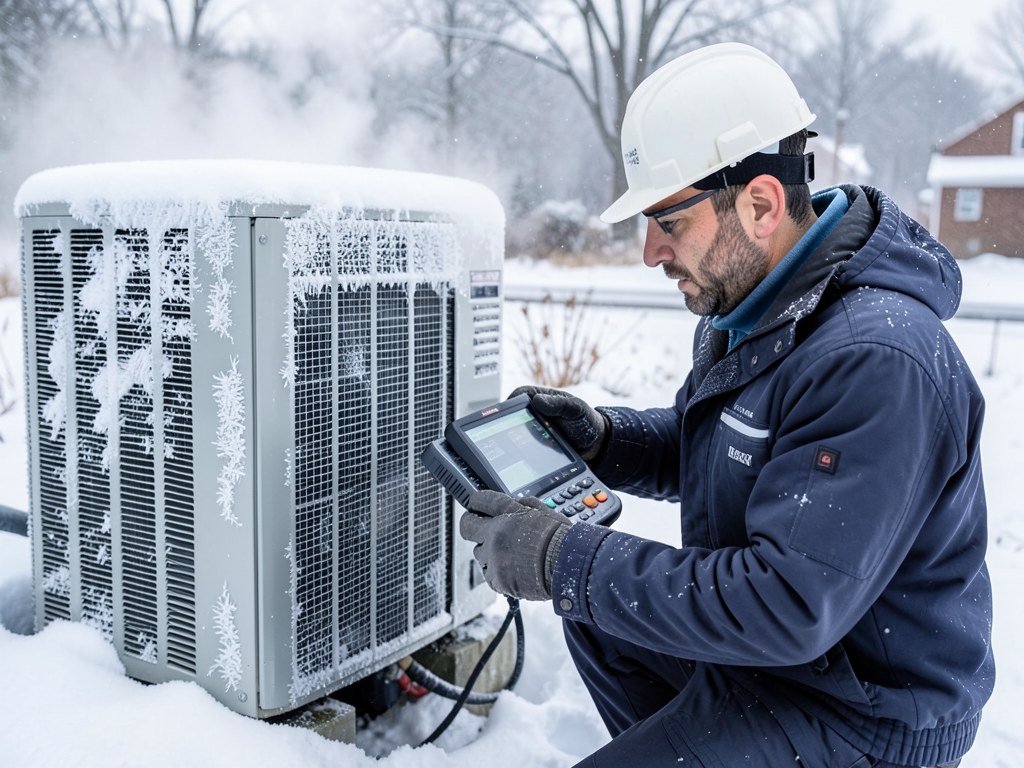
Heat Pump Defrost Cycle Failure: When temperatures drop below 20°F, heat pumps enter defrost mode to melt ice on the outdoor coil. If the defrost sensor fails or the cycle is too short, ice builds up and the system locks out. You’ll notice the outdoor fan stops and steam rises from the unit—this is normal. If you see thick ice buildup instead, call for service immediately.
Condensate Line Freezing: High-efficiency furnaces produce 1-2 gallons of water daily through the condensate drain. In a flash freeze, this water can freeze in the PVC pipe, causing the furnace to shut down with a pressure switch error. Insulate the exposed pipe with foam pipe insulation (available at any Sharonville hardware store) to prevent this common failure.
Protecting Your Home’s Thermal Envelope
Your HVAC system isn’t the only defense against a flash freeze. Your home’s thermal envelope—the barrier between indoor and outdoor air—determines how hard your system must work.
- Seal Drafty Windows and Doors Use temporary plastic window film or draft stoppers. Even a 1/8-inch gap around a door leaks as much air as a 6-inch hole in the wall.
- Close Fireplace Dampers An open damper creates a direct path for cold air, forcing your HVAC to run constantly.
- Check Attic Insulation Ohio building code (Ohio Administrative Code 4101:8) requires R-49 insulation in attics. If you can see joists, you need more insulation.
Diagnostic Tip: Hold a tissue near window frames and electrical outlets on a cold day. If it flutters, you have air leaks that need sealing before the next freeze.
Emergency HVAC Settings and What They Mean
Understanding your thermostat settings prevents costly mistakes:
| Setting | When to Use | What It Does |
|---|---|---|
| Heat | Normal winter operation | Runs heat pump or furnace normally |
| Emergency Heat/Aux Heat | Flash freeze, heat pump iced over | Shuts off outdoor unit, uses backup heat only |
| Cool | Never in freezing weather | Can cause indoor coil to freeze if outdoor temps drop |
Important: Running Emergency Heat for more than 48 hours significantly increases your electric bill. It’s a temporary emergency setting, not a long-term solution.
Common Flash Freeze HVAC Failures in Sharonville
Based on service calls from the 2022 Christmas freeze and 2023 New Year’s Arctic blast, these are the most common failures:
- Heat Pump Lockout – System shuts down when outdoor coil freezes solid. Error code typically shows as “LP” (low pressure) or “E1.”
- Condensate Drain Freeze – High-efficiency furnaces shut down with pressure switch errors when drain lines freeze.
- Failed Starting Components – Cold temperatures thicken oil in motors and bearings, preventing startup.
- Thermostat Battery Failure – Extreme cold drains thermostat batteries faster, causing system shutdowns.
Diagnostic Sound: A failing blower motor during extreme cold often makes a high-pitched whining noise before it stops completely. This indicates bearing failure from the cold.
When to Call for Emergency HVAC Service in Sharonville
Not every HVAC problem requires immediate service, but these situations do:
- No Heat When Outdoor Temp is Below 20°F – Waiting can cause frozen pipes and water damage.
- System Making Loud Banging or Screeching Noises – Indicates mechanical failure that could lead to complete breakdown.
- Carbon Monoxide Detector Alarms – Shut down your furnace immediately and call for service.
- Visible Ice on Indoor Coil or Lineset – Indicates refrigerant issues or airflow problems.
EPA Regulation Note: According to EPA Section 608 regulations, HVAC technicians must recover refrigerant during repairs to prevent atmospheric release. Always verify your service company follows these environmental standards.
Post-Flash Freeze: What to Check When Temperatures Rise
After the extreme cold passes, your system needs attention:
- Inspect Outdoor Unit – Look for visible damage, bent fins, or ice buildup that may have damaged the coil.
- Check for Water Leaks – As ice melts, check around your furnace for water from frozen condensate lines.
- Test System Operation – Run your system through a complete heating and cooling cycle to ensure all components work.
- Schedule Professional Inspection – Extreme temperature swings can cause hidden damage that appears weeks later.
Long-Term Protection: Annual Maintenance Matters More in Sharonville
Sharonville’s location in the Ohio River Valley means your HVAC system faces more temperature extremes than homes in other regions. Annual maintenance isn’t just recommended—it’s essential for system longevity.
Maintenance Checklist:
- Clean and inspect heat exchanger – Prevents carbon monoxide leaks
- Check refrigerant levels – Low refrigerant causes poor heating and cooling
- Inspect electrical connections – Loose connections cause 80% of HVAC failures
- Test safety controls – Ensures system shuts down properly during emergencies
Local Code Compliance: Hamilton County Mechanical Code requires licensed HVAC contractors to perform all maintenance on systems over 5 tons or in commercial buildings. For residential systems, while homeowners can change filters, professional maintenance ensures warranty compliance and system efficiency.
Emergency Resources for Sharonville Residents
Keep these numbers handy during a flash freeze:
- Duke Energy Emergency Line – (513) 421-9200 for power outages affecting your HVAC
- Greater Cincinnati Water Works – (513) 591-7700 for water main breaks affecting your home
- Sharonville Police Non-Emergency – (513) 563-2242 for non-urgent assistance
Pro Tip: Sign up for Hamilton County emergency alerts at hamilton-co.org/emergency-management to get advance warning of severe weather.
Cost Considerations: Preventing vs. Repairing Flash Freeze Damage
The cost of prevention is minimal compared to emergency repairs: EPA Section 608 regulations.
| Preventive Action | Cost Range | Emergency Repair Cost |
|---|---|---|
| Professional tune-up | $89-$150 | $500-$2,000+ for emergency service |
| Pipe insulation | $2-$5 per linear foot | $1,000-$4,000 for burst pipe repair |
| Emergency heat switch | $0 (thermostat setting) | $300-$800 for heat pump lockout repair |
Insurance Note: Most homeowner’s policies cover burst pipe damage but not the resulting water damage if you could have prevented it with reasonable precautions. Document your preventive steps for insurance claims.
Frequently Asked Questions
How long should I run Emergency Heat during a flash freeze?
Emergency Heat should only run for 24-48 hours maximum. It’s designed as a temporary backup when your heat pump cannot operate safely. Extended use dramatically increases your electric bill and should only continue if outdoor temperatures remain below 20°F.
Can I prevent my heat pump from freezing in extreme cold?
You cannot completely prevent ice formation on a heat pump in sub-zero temperatures. However, you can minimize it by keeping the area around the unit clear, ensuring proper airflow, and switching to Emergency Heat when temperatures drop below 20°F. This prevents the system from locking out completely.
What temperature should I set my thermostat during a flash freeze?
Set your thermostat to 68-70°F and leave it there. Avoid the temptation to set it higher when you come home to a cold house—this doesn’t heat faster and can cause your system to short-cycle. Consistent temperatures are more efficient and protect your system.
How do I know if my furnace’s condensate line is frozen?
Common signs include your furnace shutting down with a pressure switch error (error code 2 or 3 flashes), water pooling around the furnace base, or gurgling sounds from the drain line. If you suspect a frozen line, turn off the system and call for service—thawing it improperly can cause water damage.
Is it normal for my heat pump to smoke during a freeze?
Yes, this is actually steam from the defrost cycle, not smoke. When the heat pump goes into defrost mode, it temporarily reverses to melt ice from the outdoor coil. You’ll see steam rising and the fan stopping for 5-10 minutes. This is normal operation.
Don’t Wait Until It’s Too Late
Ohio Valley flash freezes strike without warning. The difference between a comfortable home and a costly emergency often comes down to preparation. Take 30 minutes today to complete this checklist, and you’ll sleep better knowing your HVAC system can handle whatever winter throws at Sharonville.
Need professional help? Our NATE-certified technicians are on call 24/7 for emergency HVAC service throughout Hamilton County. We understand the unique challenges of Ohio Valley weather and can get your system running safely and efficiently.
Call (513) 717-5155 today to schedule your pre-winter inspection or emergency service. Don’t wait for the next Arctic blast to discover your system isn’t ready.
Stay warm, stay safe, and remember—preparation today prevents panic tomorrow.
This guide is based on 15+ years of serving Sharonville and the Greater Cincinnati area through every major winter storm since 2008.
{
“@context”: “https://schema.org”,
“@type”: “BlogPosting”,
“headline”: “Preparing your Sharonville HVAC system for a sudden Ohio Valley flash freeze”,
“description”: “Protect your Sharonville home from Ohio’s brutal flash freezes with expert HVAC prep tips. Learn how to prevent frozen pipes, heat pump failures, and costly winter damage.”,
“wordCount”: 1751,
“datePublished”: “2026-06-07T14:40:00.000Z”,
“dateModified”: “2026-06-07T14:40:00.000Z”,
“inLanguage”: “en-US”,
“mainEntityOfPage”: {
“@type”: “WebPage”,
“@id”: “https://fivestarhvaccincinnati.com”
},
“publisher”: {
“@type”: “LocalBusiness”,
“name”: “Five Star HVAC Cincinnati”,
“url”: “https://fivestarhvaccincinnati.com”
},
“author”: {
“@type”: “Organization”,
“name”: “Five Star HVAC Cincinnati”,
“url”: “https://fivestarhvaccincinnati.com”
},
“image”: {
“@type”: “ImageObject”,
“url”: “https://fivestarhvaccincinnati.com/wp-content/uploads/2026/03/preparing-your-sharonville-hvac-system-for-a-sudde-1.png”
}
}
{
“@context”: “https://schema.org”,
“@type”: “HVACBusiness”,
“name”: “Five Star HVAC Cincinnati”,
“url”: “https://fivestarhvaccincinnati.com”,
“address”: {
“@type”: “PostalAddress”,
“addressLocality”: “Cincinnati”
},
“areaServed”: {
“@type”: “City”,
“name”: “Cincinnati”
}
}
{
“@context”: “https://schema.org”,
“@type”: “FAQPage”,
“mainEntity”: [
{
“@type”: “Question”,
“name”: “How long should I run Emergency Heat during a flash freeze?”,
“acceptedAnswer”: {
“@type”: “Answer”,
“text”: “Emergency Heat should only run for 24-48 hours maximum. It’s designed as a temporary backup when your heat pump cannot operate safely. Extended use dramatically increases your electric bill and should only continue if outdoor temperatures remain below 20°F.”
}
},
{
“@type”: “Question”,
“name”: “Can I prevent my heat pump from freezing in extreme cold?”,
“acceptedAnswer”: {
“@type”: “Answer”,
“text”: “You cannot completely prevent ice formation on a heat pump in sub-zero temperatures. However, you can minimize it by keeping the area around the unit clear, ensuring proper airflow, and switching to Emergency Heat when temperatures drop below 20°F. This prevents the system from locking out completely.”
}
},
{
“@type”: “Question”,
“name”: “What temperature should I set my thermostat during a flash freeze?”,
“acceptedAnswer”: {
“@type”: “Answer”,
“text”: “Set your thermostat to 68-70°F and leave it there. Avoid the temptation to set it higher when you come home to a cold house—this doesn’t heat faster and can cause your system to short-cycle. Consistent temperatures are more efficient and protect your system.”
}
},
{
“@type”: “Question”,
“name”: “How do I know if my furnace’s condensate line is frozen?”,
“acceptedAnswer”: {
“@type”: “Answer”,
“text”: “Common signs include your furnace shutting down with a pressure switch error (error code 2 or 3 flashes), water pooling around the furnace base, or gurgling sounds from the drain line. If you suspect a frozen line, turn off the system and call for service—thawing it improperly can cause water damage.”
}
}
]
}
{
“@context”: “https://schema.org”,
“@type”: “HowTo”,
“name”: “Emergency Flash Freeze HVAC Prep”,
“step”: [
{
“@type”: “HowToStep”,
“position”: 1,
“name”: “Set Your Thermostat to Emergency Heat”,
“text”: “If you have a heat pump, switch from \”Heat\” to \”Emergency Heat\” or \”Aux Heat.\” This bypasses the outdoor unit and runs only the electric or gas backup, preventing the heat pump from trying to extract heat from sub-zero air and locking out.”
},
{
“@type”: “HowToStep”,
“position”: 2,
“name”: “Check and Replace Your Air Filter”,
“text”: “A clogged filter reduces airflow by up to 30%, forcing your system to work harder during extreme cold. Replace it now if it’s more than 30 days old.”
},
{
“@type”: “HowToStep”,
“position”: 3,
“name”: “Clear Snow and Debris from Outdoor Unit”,
“text”: “Remove leaves, trash, and snow buildup around your heat pump or AC condenser. Blocked airflow can cause the system to shut down completely.”
},
{
“@type”: “HowToStep”,
“position”: 4,
“name”: “Open Cabinet Doors Under Sinks”,
“text”: “Allow warm indoor air to circulate around plumbing in exterior walls. This simple step prevents frozen pipes in Sharonville’s older homes with less insulation.”
},
{
“@type”: “HowToStep”,
“position”: 5,
“name”: “Let Faucets Drip Slightly”,
“text”: “Moving water freezes slower than standing water. A slow drip from kitchen and bathroom faucets can prevent pipe bursts during the coldest hours.”
}
],
“image”: “https://fivestarhvaccincinnati.com/wp-content/uploads/2026/03/preparing-your-sharonville-hvac-system-for-a-sudde-1.png”
}
{
“@context”: “https://schema.org”,
“@type”: “BreadcrumbList”,
“itemListElement”: [
{
“@type”: “ListItem”,
“position”: 1,
“name”: “Home”,
“item”: “https://fivestarhvaccincinnati.com”
},
{
“@type”: “ListItem”,
“position”: 2,
“name”: “Blog”,
“item”: “https://fivestarhvaccincinnati.com/blog”
},
{
“@type”: “ListItem”,
“position”: 3,
“name”: “Preparing your Sharonville HVAC system for a sudden Ohio Valley flash freeze”
}
]
}
{
“@context”: “https://schema.org”,
“@type”: “Service”,
“serviceType”: “HVAC”,
“provider”: {
“@type”: “LocalBusiness”,
“name”: “Five Star HVAC Cincinnati”,
“url”: “https://fivestarhvaccincinnati.com”
},
“areaServed”: {
“@type”: “City”,
“name”: “Cincinnati”
},
“description”: “Protect your Sharonville home from Ohio’s brutal flash freezes with expert HVAC prep tips. Learn how to prevent frozen pipes, heat pump failures, and costly winter damage.”
}