
Protecting Your Downtown Loft from Construction Dust
Construction dust is more than just a nuisance for Downtown Cincinnati loft owners. It’s a silent threat to your HVAC system’s efficiency and your indoor air quality. With constant development along the Central Business District and surrounding areas like Over-the-Rhine, protecting your loft’s mechanical systems requires specific strategies tailored to Cincinnati’s humid climate and dense urban environment.
Construction dust particles range from 0.5 to 3 microns in size. These microscopic particles bypass standard filters and accumulate on evaporator coils, blower motors, and ductwork. Once inside your system, they create a cascading effect of reduced efficiency, increased energy costs, and potential equipment failure.
Why Construction Dust Threatens Your HVAC System
Drywall dust acts like fine sandpaper inside your HVAC system. As air moves through the unit, these particles abrade motor bearings, coat evaporator coils, and clog air filters. The problem compounds in Cincinnati’s high humidity, where dust absorbs moisture and becomes a sticky sludge that’s harder to remove.
Evaporator coils covered in dust lose their ability to transfer heat efficiently. A 0.042-inch layer of dust reduces heat transfer by 21%, forcing your system to run longer cycles and consume more energy. In a typical Downtown loft, this translates to 15-20% higher utility bills during construction season.
The static pressure in your ductwork increases when filters become clogged with construction debris. Your blower motor works harder to maintain airflow, potentially leading to overheating and premature failure. Cincinnati’s clay soil foundation shifts can already stress ductwork connections. Adding construction dust creates a perfect storm for system breakdown.
Pre-Construction Protection Checklist
Before construction begins nearby, implement these five protective measures to shield your HVAC system:
- Seal All Supply and Return Registers
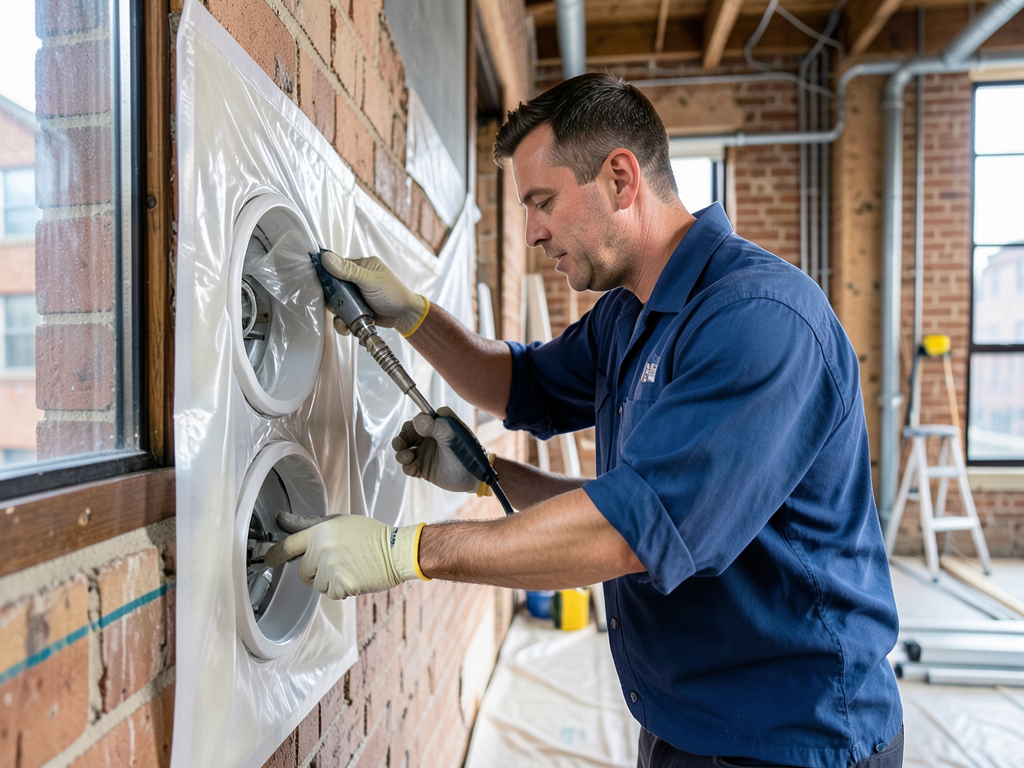
Use 6-mil polyethylene sheeting and blue painter’s tape to cover every vent. Press the tape firmly to create an airtight seal. Remove vent covers, cover the openings, then reinstall covers to hold the plastic in place.
- Install MERV 13+ Pleated Filters
Replace your existing filter with a MERV 13 or higher rated filter. These capture 90% of particles between 1-3 microns. However, verify your system can handle the increased static pressure. Some older loft units struggle with MERV 13 filters.
- Turn Off HVAC During Heavy Dust Generation
When contractors are sanding drywall or cutting concrete, turn your system off at the thermostat. This prevents your blower from circulating construction dust throughout your loft and into the ductwork.
- Isolate the Construction Zone
Install temporary walls with overlapping plastic sheeting at entry points. Use zipper doors for access. This containment reduces the amount of dust that migrates toward your living space and HVAC equipment.
- Protect the Outdoor Condenser Unit
Cover your rooftop or courtyard condenser with a breathable mesh cover. This prevents debris from entering the coil fins while allowing airflow. Remove the cover during rain to prevent moisture accumulation under the cover.
Choosing the Right Filter During Construction
Filter selection during construction requires balancing particle capture with system airflow. Higher MERV ratings capture more dust but can restrict airflow if your system isn’t designed for them.
| Filter Type | Dust Capture Efficiency | Static Pressure Impact | Recommended Use |
|---|---|---|---|
| MERV 8 | 20% of 1-3 micron particles | Minimal | Standard residential use |
| MERV 11 | 65% of 1-3 micron particles | Moderate | Light construction nearby |
| MERV 13 | 90% of 1-3 micron particles | High | Active construction next door |
| MERV 14+ | 95%+ of 1-3 micron particles | Very High | Industrial construction zone |
Most Downtown Cincinnati lofts built before 2010 have systems designed for MERV 8 filters. Upgrading to MERV 13 requires checking your blower motor’s capacity. A simple test: hold a MERV 13 filter up to a light. If you can barely see light through it, your system might struggle.
Change filters every 7-14 days during active construction. Standard filters last 90 days under normal conditions, but construction dust loads overwhelm them quickly. Mark your calendar and inspect filters weekly. When they appear gray or you can’t see through them, replace immediately.
Post-Construction HVAC Recovery
Once construction ends, your HVAC system needs professional attention. Construction dust doesn’t just sit on surfaces. It penetrates deep into your system, requiring specialized cleaning techniques.
Start with a professional duct inspection. Technicians use video scopes to examine ductwork interior. Look for dust accumulation, moisture, or debris. Cincinnati’s humid climate means construction dust often combines with moisture, creating ideal conditions for mold growth inside ducts.
Evaporator coil cleaning requires specific chemicals and techniques. Standard household cleaners damage aluminum fins. Professional technicians use foaming coil cleaners that lift embedded dust without corrosion. A properly cleaned coil can restore 15-25% of lost efficiency.
Blower motor inspection reveals bearing wear from abrasive dust. Technicians check for abnormal noise, vibration, and temperature. Bearings showing early wear patterns benefit from lubrication and adjustment before complete failure occurs.
Check refrigerant levels after construction. Dust accumulation on coils can cause the system to run longer cycles, potentially affecting refrigerant charge. Low refrigerant reduces efficiency by up to 30% and can damage the compressor.
Cincinnati-Specific Considerations
Downtown Cincinnati’s unique characteristics affect construction dust management. The Ohio River Valley’s high humidity means construction dust absorbs moisture quickly, becoming heavier and more adhesive. This “humid dust” sticks to surfaces more aggressively than dry climate dust.
Spring pollen season coincides with peak construction season. Your HVAC system battles both construction dust and pollen simultaneously. This double load requires more frequent filter changes and potentially dual-stage filtration.
Historic building renovations in areas like Over-the-Rhine often involve lead paint removal. The EPA Lead-Safe Certification requires specific dust containment and cleanup procedures. If your loft is in a building built before 1978, verify contractors follow these requirements. EPA Lead-Safe Certification requirements.
Cincinnati’s clay soil expands and contracts with moisture changes. This movement can create gaps around duct penetrations and utility entries. Construction vibration can widen these gaps, allowing dust infiltration even with sealed registers.
Professional Protection Services
While DIY protection helps, professional HVAC contractors offer specialized services for construction dust management. These services cost more upfront but prevent expensive repairs later. 24/7 AC repair for restaurants and small businesses in Downtown Cincinnati.
Negative air pressure systems create a pressure differential that keeps dust contained. Contractors install temporary HEPA filtration units that exhaust air outside, maintaining lower pressure in construction zones. This prevents dust migration to protected areas.
Pre-construction system assessment identifies vulnerabilities. Technicians evaluate your HVAC system’s capacity for upgraded filtration, check ductwork integrity, and recommend specific protection strategies based on your building’s construction and your system’s specifications.
Construction-phase monitoring involves weekly inspections during active work. Technicians check filter condition, inspect sealed registers, and monitor system performance. They can identify issues before they cause damage, saving thousands in potential repairs. How to find a reliable AC repair company in Hyde Park without overpaying.
Post-construction recovery services include comprehensive system cleaning, performance testing, and efficiency optimization. This isn’t just cleaning. It’s restoring your system to pre-construction efficiency levels or better.
Contractor Accountability Checklist
Before construction begins, provide your contractor with specific HVAC protection requirements. This checklist ensures accountability and protects your investment.
- Seal all HVAC registers with 6-mil polyethylene and painter’s tape
- Install MERV 13 filters at the start of construction
- Change filters every 7 days or when visibly dirty
- Turn off HVAC system during active dust generation
- Maintain negative air pressure in construction zones
- Cover outdoor condenser units with breathable mesh
- Clean work areas daily to minimize dust migration
- Provide documentation of EPA Lead-Safe practices if applicable
Include these requirements in your construction contract. Specify penalties for non-compliance. Many contractors appreciate clear guidelines. They help avoid disputes and ensure everyone understands their responsibilities. HVAC Warranty Guide.
Document existing HVAC conditions with photos before construction. This provides a baseline for assessing any damage claims later. Note any existing issues to avoid disputes about pre-existing conditions.
Cost-Benefit Analysis
Professional HVAC protection during construction costs $800-2,500 depending on your loft size and construction scope. Compare this to potential repair costs: evaporator coil replacement ($800-1,500), blower motor replacement ($600-1,200), or complete system failure ($5,000-12,000).
Energy costs during construction can increase 15-30% with unprotected systems. Over a three-month construction period, this adds $200-500 to utility bills. Professional protection often pays for itself through energy savings alone.
Consider the intangible costs: discomfort from poor air quality, health issues from airborne particles, and the hassle of system breakdowns during construction. These factors make professional protection a worthwhile investment for most Downtown loft owners.
Many insurance policies don’t cover construction-related HVAC damage. Check your policy details. If you’re unprotected and damage occurs, you might bear the full repair cost. Professional protection provides documentation that can support insurance claims if needed.
Frequently Asked Questions
How long should I keep MERV 13 filters after construction ends?
Continue using MERV 13 filters for 30 days after construction completes. This captures any residual dust that becomes airborne as workers clean and move through the building. After 30 days, you can return to your standard filter rating if your system requires it.
Can I clean my own evaporator coils after construction?
DIY coil cleaning risks damaging delicate aluminum fins. Professional coil cleaning uses specific chemicals and techniques that won’t harm your system. However, you can gently vacuum accessible coil surfaces with a soft brush attachment to remove loose debris before professional cleaning.
What if construction dust is already in my system?
Schedule professional duct cleaning and system inspection immediately. The longer construction dust remains in your system, the more damage it causes. Professional cleaning can restore efficiency, but severe contamination might require component replacement.
How do I know if my HVAC system is struggling from construction dust?
Signs include longer cooling cycles, reduced airflow from vents, unusual noises from the air handler, and higher energy bills. If you notice these symptoms during or after nearby construction, your system likely needs professional attention. Cooling Tower Services.
Construction dust doesn’t have to destroy your HVAC system or compromise your indoor air quality. With proper protection strategies, Cincinnati-specific considerations, and professional services when needed, your Downtown loft can remain comfortable throughout nearby development projects.
The key is proactive protection rather than reactive repairs. Invest in prevention now to avoid costly emergency repairs later. Your HVAC system protects your comfort. Return the favor by protecting it from construction dust. Emergency furnace repair services for Indian Hill homeowners available right now.
Ready to protect your loft’s HVAC system? Call (513) 717-5155 today to schedule a pre-construction assessment. Our technicians understand Downtown Cincinnati’s unique challenges and can recommend the right protection strategy for your specific situation.
Don’t wait until construction starts next door. Pick up the phone and call (513) 717-5155 before the next storm hits. Professional protection now prevents expensive repairs later. For more information, visit ASHRAE filtration standards.
{
“@context”: “https://schema.org”,
“@type”: “BlogPosting”,
“headline”: “Protecting your Downtown loft from the dust of nearby construction projects”,
“description”: “Construction dust damages HVAC systems. Learn Cincinnati-specific protection strategies, filter upgrades, and professional cleaning services to safeguard your Downtown loft air quality.”,
“wordCount”: 1782,
“datePublished”: “2026-06-08T11:51:00.000Z”,
“dateModified”: “2026-06-08T11:51:00.000Z”,
“inLanguage”: “en-US”,
“mainEntityOfPage”: {
“@type”: “WebPage”,
“@id”: “https://fivestarhvaccincinnati.com”
},
“publisher”: {
“@type”: “LocalBusiness”,
“name”: “Five Star HVAC Cincinnati”,
“url”: “https://fivestarhvaccincinnati.com”
},
“author”: {
“@type”: “Organization”,
“name”: “Five Star HVAC Cincinnati”,
“url”: “https://fivestarhvaccincinnati.com”
},
“image”: {
“@type”: “ImageObject”,
“url”: “https://fivestarhvaccincinnati.com/wp-content/uploads/2026/03/protecting-your-downtown-loft-from-the-dust-of-nea-1.png”
}
}
{
“@context”: “https://schema.org”,
“@type”: “HVACBusiness”,
“name”: “Five Star HVAC Cincinnati”,
“url”: “https://fivestarhvaccincinnati.com”,
“address”: {
“@type”: “PostalAddress”,
“addressLocality”: “Cincinnati”
},
“areaServed”: {
“@type”: “City”,
“name”: “Cincinnati”
}
}
{
“@context”: “https://schema.org”,
“@type”: “FAQPage”,
“mainEntity”: [
{
“@type”: “Question”,
“name”: “How long should I keep MERV 13 filters after construction ends?”,
“acceptedAnswer”: {
“@type”: “Answer”,
“text”: “Continue using MERV 13 filters for 30 days after construction completes. This captures any residual dust that becomes airborne as workers clean and move through the building. After 30 days, you can return to your standard filter rating if your system requires it.”
}
},
{
“@type”: “Question”,
“name”: “Can I clean my own evaporator coils after construction?”,
“acceptedAnswer”: {
“@type”: “Answer”,
“text”: “DIY coil cleaning risks damaging delicate aluminum fins. Professional coil cleaning uses specific chemicals and techniques that won’t harm your system. However, you can gently vacuum accessible coil surfaces with a soft brush attachment to remove loose debris before professional cleaning.”
}
},
{
“@type”: “Question”,
“name”: “What if construction dust is already in my system?”,
“acceptedAnswer”: {
“@type”: “Answer”,
“text”: “Schedule professional duct cleaning and system inspection immediately. The longer construction dust remains in your system, the more damage it causes. Professional cleaning can restore efficiency, but severe contamination might require component replacement.”
}
},
{
“@type”: “Question”,
“name”: “How do I know if my HVAC system is struggling from construction dust?”,
“acceptedAnswer”: {
“@type”: “Answer”,
“text”: “Signs include longer cooling cycles, reduced airflow from vents, unusual noises from the air handler, and higher energy bills. If you notice these symptoms during or after nearby construction, your system likely needs professional attention. Cooling Tower Services.”
}
}
]
}
{
“@context”: “https://schema.org”,
“@type”: “HowTo”,
“name”: “HVAC Protection Before Construction”,
“step”: [
{
“@type”: “HowToStep”,
“position”: 1,
“name”: “Seal All Supply and Return Registers”,
“text”: “Use 6-mil polyethylene sheeting and blue painter’s tape to cover every vent. Press the tape firmly to create an airtight seal. Remove vent covers, cover the openings, then reinstall covers to hold the plastic in place.”
},
{
“@type”: “HowToStep”,
“position”: 2,
“name”: “Install MERV 13+ Pleated Filters”,
“text”: “Replace your existing filter with a MERV 13 or higher rated filter. These capture 90% of particles between 1-3 microns. However, verify your system can handle the increased static pressure. Some older loft units struggle with MERV 13 filters.”
},
{
“@type”: “HowToStep”,
“position”: 3,
“name”: “Turn Off HVAC During Heavy Dust Generation”,
“text”: “When contractors are sanding drywall or cutting concrete, turn your system off at the thermostat. This prevents your blower from circulating construction dust throughout your loft and into the ductwork.”
},
{
“@type”: “HowToStep”,
“position”: 4,
“name”: “Isolate the Construction Zone”,
“text”: “Install temporary walls with overlapping plastic sheeting at entry points. Use zipper doors for access. This containment reduces the amount of dust that migrates toward your living space and HVAC equipment.”
},
{
“@type”: “HowToStep”,
“position”: 5,
“name”: “Protect the Outdoor Condenser Unit”,
“text”: “Cover your rooftop or courtyard condenser with a breathable mesh cover. This prevents debris from entering the coil fins while allowing airflow. Remove the cover during rain to prevent moisture accumulation under the cover.”
}
],
“image”: “https://fivestarhvaccincinnati.com/wp-content/uploads/2026/03/protecting-your-downtown-loft-from-the-dust-of-nea-1.png”
}
{
“@context”: “https://schema.org”,
“@type”: “BreadcrumbList”,
“itemListElement”: [
{
“@type”: “ListItem”,
“position”: 1,
“name”: “Home”,
“item”: “https://fivestarhvaccincinnati.com”
},
{
“@type”: “ListItem”,
“position”: 2,
“name”: “Blog”,
“item”: “https://fivestarhvaccincinnati.com/blog”
},
{
“@type”: “ListItem”,
“position”: 3,
“name”: “Protecting your Downtown loft from the dust of nearby construction projects”
}
]
}
{
“@context”: “https://schema.org”,
“@type”: “Service”,
“serviceType”: “HVAC”,
“provider”: {
“@type”: “LocalBusiness”,
“name”: “Five Star HVAC Cincinnati”,
“url”: “https://fivestarhvaccincinnati.com”
},
“areaServed”: {
“@type”: “City”,
“name”: “Cincinnati”
},
“description”: “Construction dust damages HVAC systems. Learn Cincinnati-specific protection strategies, filter upgrades, and professional cleaning services to safeguard your Downtown loft air quality.”
}