
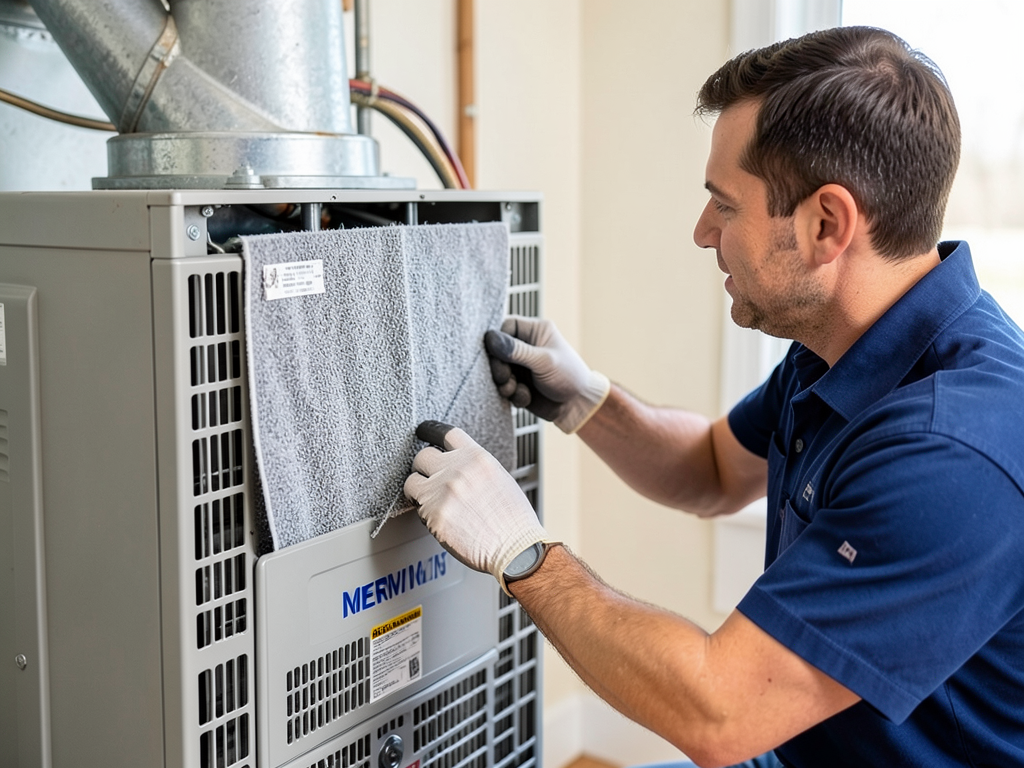
Reducing Ohio Valley Asthma Triggers Inside Your Montgomery Home
Montgomery homeowners face unique respiratory challenges thanks to the Ohio Valley’s notorious combination of high humidity, seasonal pollen, and mold spores. The Asthma and Allergy Foundation of America consistently ranks Cincinnati among the nation’s worst cities for asthma sufferers, with Montgomery’s suburban homes often trapping these triggers indoors. Understanding how your HVAC system can become your first line of defense is crucial for breathing easier year-round.
Your home’s heating and cooling system does more than control temperature—it actively circulates and filters the air you breathe. In Montgomery’s climate, where summer humidity regularly exceeds 70% and spring pollen counts spike dramatically, standard 1-inch filters simply cannot capture the microscopic particles that trigger asthma attacks. The right filtration strategy combined with humidity control can reduce indoor asthma triggers by up to 90%, according to EPA studies on indoor air quality. EPA Indoor Air Quality Guidelines.
Montgomery’s older homes built before 2000 often have leaky ductwork that pulls in attic dust, pollen, and even insulation particles, while newer constructions may trap pollutants due to tighter building envelopes. Both scenarios create indoor air quality problems that directly impact respiratory health. The solution isn’t just about changing filters more often—it’s about creating a comprehensive system that addresses the specific pollutants found in Ohio Valley homes.
Ohio Valley Environmental Factors That Trigger Asthma
The Ohio River Valley’s unique geography creates a perfect storm for respiratory issues. The river valley acts as a natural basin, trapping pollen, industrial emissions, and humidity in a way that coastal or mountainous regions don’t experience. Montgomery residents deal with particularly high concentrations of ragweed pollen in late summer, tree pollen in spring, and mold spores that thrive in our humid summers. Why Mason residents trust us for their annual HVAC maintenance and tune-ups.
According to the American Academy of Allergy, Asthma & Immunology, the Ohio Valley region experiences pollen counts that are 30-40% higher than the national average. Our clay soil, common in Montgomery neighborhoods like Harper’s Station and Walden Ponds, retains moisture that promotes mold growth both outdoors and in basements. When your HVAC system runs, it can distribute these mold spores throughout your home if not properly filtered. American Academy of Allergy, Asthma & Immunology.
Winter presents its own challenges. Montgomery’s cold, dry winters drive people indoors where they’re exposed to dust mites, pet dander, and VOCs from household products. The contrast between heated indoor air and cold outdoor air can also irritate airways, making proper filtration and humidity control even more critical during heating season.
HEPA vs. MERV Filtration: What Actually Works for Asthma
Not all air filters are created equal when it comes to asthma relief. Standard 1-inch fiberglass filters capture less than 10% of particles that trigger asthma, while proper filtration systems can capture up to 99.97% of particles as small as 0.3 microns. Understanding the difference between MERV ratings and HEPA certification is essential for Montgomery homeowners.
| Filter Type | MERV Rating | Particle Capture | Best For |
|---|---|---|---|
| Standard Fiberglass | 1-4 | 10% of particles | Basic dust |
| pleated Media | 8-11 | 85% of particles | General allergy relief |
| High-Efficiency | 13-16 | 95% of particles | Asthma sufferers |
| HEPA | 17-20 | 99.97% of particles | Severe asthma/allergies |
For Montgomery homes, MERV 13-16 filters provide the best balance of filtration efficiency and airflow maintenance. These filters capture pollen, mold spores, dust mites, pet dander, and even some bacteria without significantly restricting your system’s performance. HEPA filters, while more effective, often require system modifications that may not be practical for existing residential HVAC setups. Furnace Maintenance Checklist.
The key is choosing a filter that captures the specific pollutants in your home. Montgomery’s high pollen counts require filters that can handle larger particles, while our humidity issues mean you also need protection against mold spores and dust mites. A MERV 13 filter with a pleated design provides this comprehensive protection without requiring system upgrades.
Humidity Control: The Overlooked Asthma Trigger
Montgomery’s summer humidity creates ideal conditions for dust mites and mold growth—two of the most common asthma triggers. The EPA recommends maintaining indoor humidity between 30-50% for optimal respiratory health. In our Ohio Valley climate, this often requires active dehumidification, especially during July and August when outdoor humidity regularly exceeds 80%.
Dust mites thrive when relative humidity exceeds 50%, and they’re a major trigger for asthma sufferers. These microscopic creatures live in bedding, carpets, and upholstery, and their waste products become airborne when disturbed. A whole-home dehumidifier integrated with your HVAC system can maintain optimal humidity levels throughout your Montgomery home, reducing dust mite populations year-round.
Mold growth presents another humidity-related risk. Montgomery’s clay soil and frequent summer thunderstorms create moisture problems that can lead to basement mold, which then spreads through your HVAC system. A properly sized dehumidifier not only makes your home more comfortable but also prevents the conditions that allow mold to thrive in ductwork and on cooling coils. Cooling Tower Services.
Advanced Air Purification Technologies
Beyond filtration and humidity control, several advanced technologies can significantly reduce asthma triggers in Montgomery homes. UV germicidal lights installed in your ductwork kill mold, bacteria, and viruses as air passes through, preventing biological growth on cooling coils and in ductwork. This technology is particularly valuable in our humid climate where mold growth is a constant concern.
Nebulizer bipolar ionization systems like the iWave-R create charged particles that attract and neutralize airborne pollutants. These systems can reduce allergens, VOCs, and even some viruses without producing ozone. For Montgomery homeowners dealing with both outdoor pollen and indoor chemical triggers, this technology provides an additional layer of protection.
Whole-home air purifiers using activated carbon filters can capture VOCs from cleaning products, paints, and furniture that standard filters miss. Montgomery’s newer homes, built with tighter envelopes for energy efficiency, can trap these chemicals indoors. A combination of mechanical filtration and activated carbon provides comprehensive protection against both particulate and chemical asthma triggers.
Ductwork Assessment and Maintenance
Your ductwork plays a crucial role in distributing filtered air throughout your Montgomery home. However, leaky or contaminated ducts can undermine even the best filtration system. The U.S. Department of Energy estimates that typical homes lose 20-30% of conditioned air through duct leaks, and Montgomery’s older homes often have even higher losses.
Professional duct inspection using a duct blaster test can identify leaks that allow unfiltered air to enter your system. Montgomery homes in neighborhoods like Harper’s Station and Walden Ponds, built in the 1990s and early 2000s, often have ductwork in unconditioned attics where leaks are common. Sealing these leaks not only improves air quality but also reduces energy costs.
Duct cleaning becomes necessary when you notice visible mold growth, vermin infestation, or excessive dust blowing from vents. In Montgomery’s humid climate, cooling coils can develop mold that gets distributed through ductwork. Professional cleaning with EPA-registered antimicrobials can eliminate these biological contaminants and restore your system’s air quality performance.
Maintenance Schedule for Asthma-Sensitive Homes
Montgomery homeowners with asthma need a more aggressive maintenance schedule than typical homeowners. The Ohio Valley’s extreme seasonal changes—from humid summers to dry winters—mean your HVAC system faces different challenges throughout the year. A quarterly maintenance schedule ensures your system provides optimal protection against asthma triggers.
- Spring Preparation
Replace filters, clean cooling coils, and check humidity control systems before pollen season begins. Montgomery’s tree pollen typically peaks in April and May.
- Summer Optimization
Test dehumidifier function, inspect UV lights, and verify proper airflow. High humidity months require peak system performance.
- Fall Adjustment
Switch to appropriate fall/winter filtration, check for mold growth from summer humidity, and prepare for increased indoor time.
- Winter Protection
Inspect for dust accumulation, verify humidity levels aren’t too low, and ensure proper ventilation for indoor air quality.
Filter replacement frequency should increase in Montgomery homes. While standard recommendations suggest every 90 days, asthma-sensitive households benefit from replacing MERV 13+ filters every 60 days minimum. Homes with pets, recent renovations, or located near construction sites may need monthly replacement during peak seasons.
Smart Home Integration for Air Quality Monitoring
Modern smart thermostats and air quality monitors can provide real-time data about your indoor air quality. These devices can detect particulate matter, VOCs, and humidity levels, alerting you when conditions become problematic for asthma sufferers. Montgomery homeowners can use this data to adjust their HVAC operation and filtration for optimal respiratory health.
Some smart systems can automatically adjust fan speeds based on air quality readings, increasing filtration when pollen counts are high or humidity spikes. Integration with weather services allows these systems to anticipate outdoor conditions and prepare your indoor environment accordingly. This proactive approach is particularly valuable during Montgomery’s unpredictable weather patterns.
Whole-home air quality monitors can track trends over time, helping you identify which activities or seasons create the most problems. This data allows for targeted interventions rather than constant high-level filtration, which can extend filter life and reduce energy costs while maintaining optimal air quality for asthma sufferers.
Creating an Asthma-Safe Home Environment
Reducing asthma triggers requires a comprehensive approach that goes beyond HVAC improvements. Montgomery homeowners should consider how their home environment contributes to respiratory issues. Carpeting, for instance, can trap allergens that your HVAC system then circulates. Hard surface flooring with washable area rugs provides a better option for asthma sufferers.
Bedroom environments are particularly important since people spend 6-8 hours there daily. Encasing mattresses and pillows in allergen-proof covers, washing bedding weekly in hot water, and using a HEPA air purifier in bedrooms can significantly reduce nighttime asthma symptoms. Montgomery’s humidity makes dust mite control especially important in sleeping areas.
Household cleaning practices also impact indoor air quality. Many cleaning products release VOCs that can trigger asthma attacks. Using fragrance-free, low-VOC cleaning products and ensuring proper ventilation during cleaning activities helps maintain the air quality improvements your HVAC system provides. Regular vacuuming with a HEPA-filter vacuum prevents dust from becoming airborne.
Frequently Asked Questions
How often should I replace my HVAC filter if I have asthma?
For asthma sufferers in Montgomery, replace MERV 13+ filters every 60 days minimum, or more frequently during high pollen seasons. Homes with pets or recent renovations may need monthly replacement. Never wait the standard 90 days—clean filters are essential for respiratory health.
Can my HVAC system actually help with my asthma symptoms?
Yes. A properly maintained HVAC system with appropriate filtration can remove up to 90% of airborne asthma triggers including pollen, mold spores, dust mites, and pet dander. The key is using MERV 13+ filters and maintaining proper humidity levels between 30-50%.
What’s the difference between a whole-home dehumidifier and a portable unit?
Whole-home dehumidifiers integrate with your HVAC system to maintain consistent humidity throughout your Montgomery home, while portable units only treat individual rooms. Whole-home systems are more effective at preventing mold growth in ductwork and maintaining optimal humidity for asthma relief.
Are UV lights worth the investment for asthma sufferers?
UV germicidal lights can be valuable in Montgomery’s humid climate where mold growth in ductwork is common. They kill mold, bacteria, and viruses that pass through your system, preventing biological contamination that could trigger asthma attacks. They work best as part of a comprehensive air quality strategy.
How do I know if my ductwork needs cleaning?
Signs include visible mold growth in your HVAC system, excessive dust blowing from vents, musty odors when your system runs, or recent renovations that created construction dust. Montgomery homes with older ductwork or humidity issues should consider professional inspection every 3-5 years.
Take Control of Your Indoor Air Quality Today
Living with asthma in the Ohio Valley doesn’t mean you have to suffer through poor indoor air quality. Montgomery homeowners have more control over their respiratory health than they might realize. The right combination of filtration, humidity control, and regular maintenance can transform your home from an asthma trigger zone into a safe haven.
Don’t wait for the next asthma attack to take action. Montgomery’s upcoming spring pollen season is just weeks away, and preparation is key to breathing easier. A professional indoor air quality assessment can identify the specific triggers in your home and recommend targeted solutions that fit your budget and health needs.
Call (513) 717-5155 today to schedule your indoor air quality consultation. Our NATE-certified technicians understand the unique challenges Montgomery homeowners face and can design a system that provides real relief from asthma triggers. Your family deserves to breathe clean, healthy air year-round.
Don’t let another season of sneezing, wheezing, and sleepless nights continue. Pick up the phone and call (513) 717-5155 before the next high pollen count hits Montgomery. We’ll help you create a home environment where asthma triggers are filtered out before they can affect your family’s health.
You may also find this helpful. Why squirrels and chipmunks love to nest in Milford HVAC systems (And how to stop them).
You may also find this helpful. Protecting your Downtown loft from the dust of nearby construction projects.
{
“@context”: “https://schema.org”,
“@type”: “BlogPosting”,
“headline”: “Reducing Ohio Valley asthma triggers inside your Montgomery home”,
“description”: “Learn how Montgomery homeowners can combat Ohio Valley asthma triggers with HEPA filtration, humidity control, and whole-home air purification systems.”,
“wordCount”: 2108,
“datePublished”: “2026-06-02T09:00:00.000Z”,
“dateModified”: “2026-06-02T09:00:00.000Z”,
“inLanguage”: “en-US”,
“mainEntityOfPage”: {
“@type”: “WebPage”,
“@id”: “https://fivestarhvaccincinnati.com”
},
“publisher”: {
“@type”: “LocalBusiness”,
“name”: “Five Star HVAC Cincinnati”,
“url”: “https://fivestarhvaccincinnati.com”
},
“author”: {
“@type”: “Organization”,
“name”: “Five Star HVAC Cincinnati”,
“url”: “https://fivestarhvaccincinnati.com”
},
“image”: {
“@type”: “ImageObject”,
“url”: “https://fivestarhvaccincinnati.com/wp-content/uploads/2026/03/reducing-ohio-valley-asthma-triggers-inside-your-m-1.png”
}
}
{
“@context”: “https://schema.org”,
“@type”: “HVACBusiness”,
“name”: “Five Star HVAC Cincinnati”,
“url”: “https://fivestarhvaccincinnati.com”,
“address”: {
“@type”: “PostalAddress”,
“addressLocality”: “Cincinnati”
},
“areaServed”: {
“@type”: “City”,
“name”: “Cincinnati”
}
}
{
“@context”: “https://schema.org”,
“@type”: “FAQPage”,
“mainEntity”: [
{
“@type”: “Question”,
“name”: “How often should I replace my HVAC filter if I have asthma?”,
“acceptedAnswer”: {
“@type”: “Answer”,
“text”: “For asthma sufferers in Montgomery, replace MERV 13+ filters every 60 days minimum, or more frequently during high pollen seasons. Homes with pets or recent renovations may need monthly replacement. Never wait the standard 90 days—clean filters are essential for respiratory health.”
}
},
{
“@type”: “Question”,
“name”: “Can my HVAC system actually help with my asthma symptoms?”,
“acceptedAnswer”: {
“@type”: “Answer”,
“text”: “Yes. A properly maintained HVAC system with appropriate filtration can remove up to 90% of airborne asthma triggers including pollen, mold spores, dust mites, and pet dander. The key is using MERV 13+ filters and maintaining proper humidity levels between 30-50%.”
}
},
{
“@type”: “Question”,
“name”: “What’s the difference between a whole-home dehumidifier and a portable unit?”,
“acceptedAnswer”: {
“@type”: “Answer”,
“text”: “Whole-home dehumidifiers integrate with your HVAC system to maintain consistent humidity throughout your Montgomery home, while portable units only treat individual rooms. Whole-home systems are more effective at preventing mold growth in ductwork and maintaining optimal humidity for asthma relief.”
}
},
{
“@type”: “Question”,
“name”: “Are UV lights worth the investment for asthma sufferers?”,
“acceptedAnswer”: {
“@type”: “Answer”,
“text”: “UV germicidal lights can be valuable in Montgomery’s humid climate where mold growth in ductwork is common. They kill mold, bacteria, and viruses that pass through your system, preventing biological contamination that could trigger asthma attacks. They work best as part of a comprehensive air quality strategy.”
}
},
{
“@type”: “Question”,
“name”: “How do I know if my ductwork needs cleaning?”,
“acceptedAnswer”: {
“@type”: “Answer”,
“text”: “Signs include visible mold growth in your HVAC system, excessive dust blowing from vents, musty odors when your system runs, or recent renovations that created construction dust. Montgomery homes with older ductwork or humidity issues should consider professional inspection every 3-5 years.”
}
}
]
}
{
“@context”: “https://schema.org”,
“@type”: “HowTo”,
“name”: “Asthma-Safe HVAC Maintenance Schedule”,
“step”: [
{
“@type”: “HowToStep”,
“position”: 1,
“name”: “Spring Preparation”,
“text”: “Replace filters, clean cooling coils, and check humidity control systems before pollen season begins. Montgomery’s tree pollen typically peaks in April and May.”
},
{
“@type”: “HowToStep”,
“position”: 2,
“name”: “Summer Optimization”,
“text”: “Test dehumidifier function, inspect UV lights, and verify proper airflow. High humidity months require peak system performance.”
},
{
“@type”: “HowToStep”,
“position”: 3,
“name”: “Fall Adjustment”,
“text”: “Switch to appropriate fall/winter filtration, check for mold growth from summer humidity, and prepare for increased indoor time.”
},
{
“@type”: “HowToStep”,
“position”: 4,
“name”: “Winter Protection”,
“text”: “Inspect for dust accumulation, verify humidity levels aren’t too low, and ensure proper ventilation for indoor air quality.”
}
],
“image”: “https://fivestarhvaccincinnati.com/wp-content/uploads/2026/03/reducing-ohio-valley-asthma-triggers-inside-your-m-1.png”
}
{
“@context”: “https://schema.org”,
“@type”: “BreadcrumbList”,
“itemListElement”: [
{
“@type”: “ListItem”,
“position”: 1,
“name”: “Home”,
“item”: “https://fivestarhvaccincinnati.com”
},
{
“@type”: “ListItem”,
“position”: 2,
“name”: “Blog”,
“item”: “https://fivestarhvaccincinnati.com/blog”
},
{
“@type”: “ListItem”,
“position”: 3,
“name”: “Reducing Ohio Valley asthma triggers inside your Montgomery home”
}
]
}
{
“@context”: “https://schema.org”,
“@type”: “Service”,
“serviceType”: “HVAC”,
“provider”: {
“@type”: “LocalBusiness”,
“name”: “Five Star HVAC Cincinnati”,
“url”: “https://fivestarhvaccincinnati.com”
},
“areaServed”: {
“@type”: “City”,
“name”: “Cincinnati”
},
“description”: “Learn how Montgomery homeowners can combat Ohio Valley asthma triggers with HEPA filtration, humidity control, and whole-home air purification systems.”
}