
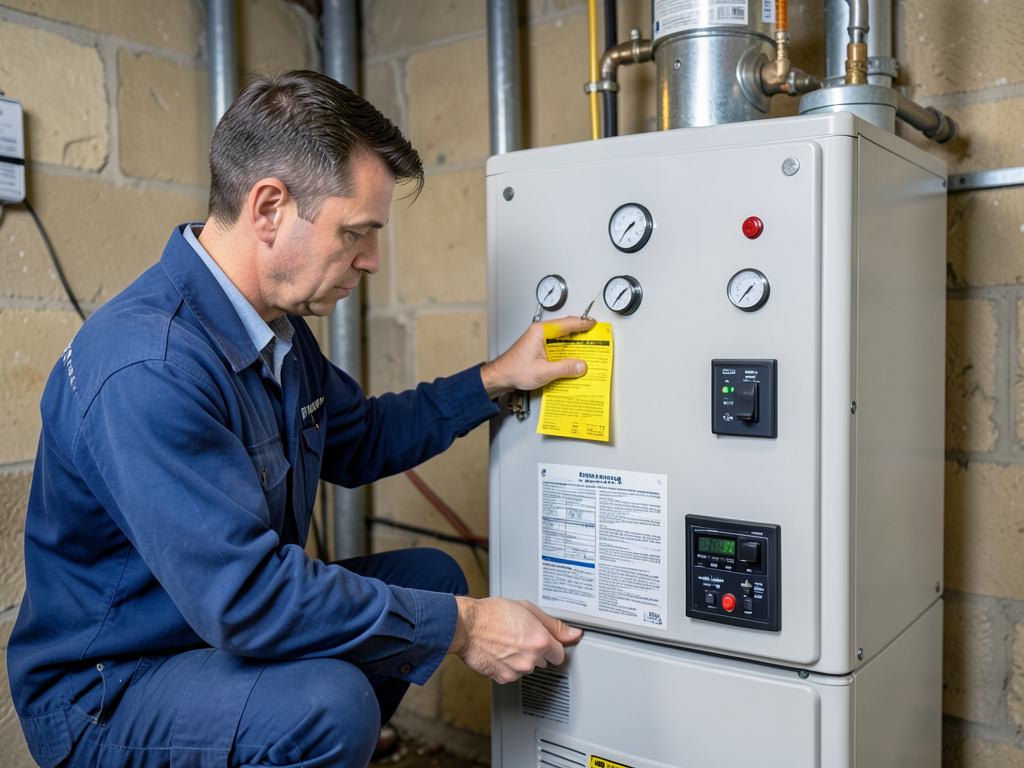
Should you keep your original boiler or switch to forced air in your Wyoming house?
Deciding between keeping your existing boiler or switching to forced air heating is a big choice for Wyoming homeowners. In Cincinnati’s humid continental climate, where winters can drop below zero and summers bring high humidity, your heating system affects comfort, energy bills, and even your home’s resale value. This guide breaks down the core differences, costs, and Cincinnati-specific factors to help you make the right call. HVAC Warranty Guide.
The Core Differences: Hydronic vs. Convection Heating
Boilers heat water and circulate it through radiators or radiant floor systems, creating consistent, gentle warmth that doesn’t stir up dust. Forced air systems use a furnace to heat air and blow it through ductwork, warming rooms quickly but also moving allergens and humidity throughout your home. In Cincinnati’s climate, this difference matters because our humid summers can make ducted systems breeding grounds for mold if not properly maintained. Emergency furnace repair services for Indian Hill homeowners available right now.
AFUE (Annual Fuel Utilization Efficiency) ratings show how much fuel converts to heat. Modern condensing boilers achieve 90-98% AFUE, while high-efficiency furnaces reach 95-98% AFUE. However, boiler systems typically last 25-30 years versus 15-20 years for furnaces, affecting long-term value calculations. Furnace Maintenance Checklist.
Comparison Table: Boiler vs. Forced Air at a Glance
| Feature | Boiler (Hydronic) | Forced Air (Furnace) |
|---|---|---|
| Installation Cost | $6,000-$15,000 | $3,500-$7,500 |
| Lifespan | 25-30 years | 15-20 years |
| AFUE Efficiency | 90-98% | 95-98% |
| Air Quality Impact | No dust circulation | Filters allergens |
| Cooling Compatibility | Requires separate AC | Uses existing ducts |
Pros and Cons of Boiler (Radiant) Systems
Radiant heating provides the most consistent comfort because it warms objects and people directly rather than heating air that rises to the ceiling. In older Wyoming homes, boilers often mean warm bathroom floors on cold winter mornings—a luxury forced air can’t match. The system operates silently and doesn’t create drafts or stir up dust, making it ideal for allergy sufferers.
However, boilers can’t provide cooling, requiring a separate air conditioning system in Cincinnati’s hot summers. When a boiler fails, you lose all heat immediately, and repairs often require specialized technicians familiar with hydronic systems. The initial installation costs more, especially if retrofitting into a home without existing radiators. EPA indoor air quality and ventilation information.
Pros and Cons of Forced Air (Furnace) Systems
Forced air systems heat spaces rapidly, warming a cold room in minutes rather than the hours sometimes needed for radiant systems. The same ductwork that distributes heat in winter can carry cool air from central AC in summer, eliminating the need for separate cooling equipment. Modern furnaces include advanced filtration that removes allergens, and variable-speed blowers maintain consistent temperatures while using less energy. Cooling Tower Services.
The downsides include potential for noisy operation, air stratification creating hot and cold spots, and the need for regular duct cleaning to prevent mold growth in Cincinnati’s humid climate. Furnace heat exchangers can crack over time, potentially leaking carbon monoxide—a serious safety concern requiring annual professional inspection.
Cincinnati-Specific Considerations
Many Wyoming homes, like much of Cincinnati’s older housing stock, were built with hydronic heating systems during the early-to-mid 20th century. These historic homes often lack the space for ductwork without major renovations. However, Cincinnati’s climate creates unique challenges: our high summer humidity means boiler-only homes need separate, properly sized AC systems to prevent mold growth in walls and attics.
The Ohio Valley’s significant temperature swings stress heating equipment differently than milder climates. A system sized for a 20-degree day might struggle during polar vortex events when temperatures plummet below zero. Duke Energy’s natural gas rates in Southwest Ohio average $1.05 per therm, making high-efficiency systems particularly cost-effective for our long heating season.
Local building codes in Hamilton County require permits for any heating system replacement, and installations must comply with mechanical code Section 1301. Modern high-efficiency systems often require PVC venting through side walls rather than traditional chimneys, which may need relining or replacement.
Cost Analysis: Installation and Monthly Utilities in SW Ohio
Initial installation costs vary significantly based on your home’s existing infrastructure. If you have radiators and a boiler, replacement costs $6,000-$15,000 depending on size and efficiency. Switching to forced air in a home without ductwork can cost $10,000-$20,000 because it includes duct installation through walls and ceilings.
Monthly operating costs depend on system efficiency and fuel prices. A 95% efficient furnace burning natural gas at current Duke Energy rates costs approximately $1.50-$2.50 per therm. For a typical 2,000-square-foot home in Cincinnati, winter heating bills range from $150-$300 monthly during peak season. High-efficiency boilers offer similar operating costs but may provide better long-term value through longer lifespan.
Energy rebates through Duke Energy and federal tax credits can offset 10-30% of installation costs for systems meeting efficiency thresholds. These incentives change annually, so timing your replacement during promotional periods can significantly reduce upfront investment.
Frequently Asked Questions
Can I add air conditioning to my existing boiler system?
Yes, through ductless mini-split systems or high-velocity units that require minimal structural modification. These solutions cool specific zones without the expense of full duct installation, though they cost more per square foot than central AC.
Which system is better for allergy sufferers in Cincinnati?
Boilers don’t circulate allergens, making them ideal for severe allergy sufferers. However, modern forced air systems with HEPA filtration and UV light treatment can actually improve indoor air quality by removing pollen, dust mites, and mold spores that boilers simply don’t address.
How long does a furnace typically last in Ohio’s climate?
With proper maintenance, a quality furnace lasts 15-20 years in Cincinnati. Our humid summers and cold winters cause more frequent cycling than milder climates, potentially reducing lifespan by 2-3 years compared to national averages.
Should I replace my 25-year-old boiler now or wait?
If your boiler still heats effectively and efficiently, waiting makes sense. However, older units often operate at 70% efficiency or less, wasting 30% of your fuel costs. A professional efficiency test can determine if replacement pays for itself within 5-7 years through energy savings.
What’s the most cost-effective heating option for new construction in Wyoming?
For new homes, heat pumps offer the best overall value in Cincinnati’s climate. They provide both heating and cooling with 300% efficiency in moderate conditions, switching to backup heat only during extreme cold snaps. Installation costs are comparable to high-efficiency furnaces with central AC.
Ready to make your decision? Call (513) 717-5155 today to schedule your inspection and get a customized recommendation for your Wyoming home. For more information, visit U.S. Department of Energy heating systems guide.
{
“@context”: “https://schema.org”,
“@type”: “BlogPosting”,
“headline”: “Should you keep your original boiler or switch to forced air in your Wyoming house?”,
“description”: “Compare boiler vs forced air heating for your Wyoming home. Learn costs, efficiency, and why Cincinnati’s humid climate affects your decision.”,
“wordCount”: 1100,
“datePublished”: “2026-06-01T15:25:00.000Z”,
“dateModified”: “2026-06-01T15:25:00.000Z”,
“inLanguage”: “en-US”,
“mainEntityOfPage”: {
“@type”: “WebPage”,
“@id”: “https://fivestarhvaccincinnati.com”
},
“publisher”: {
“@type”: “LocalBusiness”,
“name”: “Five Star HVAC Cincinnati”,
“url”: “https://fivestarhvaccincinnati.com”
},
“author”: {
“@type”: “Organization”,
“name”: “Five Star HVAC Cincinnati”,
“url”: “https://fivestarhvaccincinnati.com”
},
“image”: {
“@type”: “ImageObject”,
“url”: “https://fivestarhvaccincinnati.com/wp-content/uploads/2026/03/should-you-keep-your-original-boiler-or-switch-to-1.png”
}
}
{
“@context”: “https://schema.org”,
“@type”: “HVACBusiness”,
“name”: “Five Star HVAC Cincinnati”,
“url”: “https://fivestarhvaccincinnati.com”,
“address”: {
“@type”: “PostalAddress”,
“addressLocality”: “Cincinnati”
},
“areaServed”: {
“@type”: “City”,
“name”: “Cincinnati”
}
}
{
“@context”: “https://schema.org”,
“@type”: “FAQPage”,
“mainEntity”: [
{
“@type”: “Question”,
“name”: “Can I add air conditioning to my existing boiler system?”,
“acceptedAnswer”: {
“@type”: “Answer”,
“text”: “Yes, through ductless mini-split systems or high-velocity units that require minimal structural modification. These solutions cool specific zones without the expense of full duct installation, though they cost more per square foot than central AC.”
}
},
{
“@type”: “Question”,
“name”: “Which system is better for allergy sufferers in Cincinnati?”,
“acceptedAnswer”: {
“@type”: “Answer”,
“text”: “Boilers don’t circulate allergens, making them ideal for severe allergy sufferers. However, modern forced air systems with HEPA filtration and UV light treatment can actually improve indoor air quality by removing pollen, dust mites, and mold spores that boilers simply don’t address.”
}
},
{
“@type”: “Question”,
“name”: “How long does a furnace typically last in Ohio’s climate?”,
“acceptedAnswer”: {
“@type”: “Answer”,
“text”: “With proper maintenance, a quality furnace lasts 15-20 years in Cincinnati. Our humid summers and cold winters cause more frequent cycling than milder climates, potentially reducing lifespan by 2-3 years compared to national averages.”
}
},
{
“@type”: “Question”,
“name”: “Should I replace my 25-year-old boiler now or wait?”,
“acceptedAnswer”: {
“@type”: “Answer”,
“text”: “If your boiler still heats effectively and efficiently, waiting makes sense. However, older units often operate at 70% efficiency or less, wasting 30% of your fuel costs. A professional efficiency test can determine if replacement pays for itself within 5-7 years through energy savings.”
}
},
{
“@type”: “Question”,
“name”: “What’s the most cost-effective heating option for new construction in Wyoming?”,
“acceptedAnswer”: {
“@type”: “Answer”,
“text”: “For new homes, heat pumps offer the best overall value in Cincinnati’s climate. They provide both heating and cooling with 300% efficiency in moderate conditions, switching to backup heat only during extreme cold snaps. Installation costs are comparable to high-efficiency furnaces with central AC.”
}
}
]
}
{
“@context”: “https://schema.org”,
“@type”: “BreadcrumbList”,
“itemListElement”: [
{
“@type”: “ListItem”,
“position”: 1,
“name”: “Home”,
“item”: “https://fivestarhvaccincinnati.com”
},
{
“@type”: “ListItem”,
“position”: 2,
“name”: “Blog”,
“item”: “https://fivestarhvaccincinnati.com/blog”
},
{
“@type”: “ListItem”,
“position”: 3,
“name”: “Should you keep your original boiler or switch to forced air in your Wyoming house?”
}
]
}
{
“@context”: “https://schema.org”,
“@type”: “Service”,
“serviceType”: “HVAC”,
“provider”: {
“@type”: “LocalBusiness”,
“name”: “Five Star HVAC Cincinnati”,
“url”: “https://fivestarhvaccincinnati.com”
},
“areaServed”: {
“@type”: “City”,
“name”: “Cincinnati”
},
“description”: “Compare boiler vs forced air heating for your Wyoming home. Learn costs, efficiency, and why Cincinnati’s humid climate affects your decision.”
}