Menu

Troubleshooting AC Issues in Cincinnati – Get Expert Diagnostics and Fast Solutions

When your air conditioner fails in Cincinnati's humid summer heat, expert HVAC system diagnostics identify the root cause fast so you can avoid costly guesswork and get back to comfort.

Slider Image 1
Slider Image 2
Slider Image 3
Slider Image 4
Slider Image 5
Slider Image 7
Slider Image 8
Slider Image 9
Slider Image 10
Slider Image 11

Why Cincinnati AC Systems Fail More Often Than You Think

Cincinnati's climate puts unique stress on air conditioning equipment. The Ohio River Valley traps humid air, forcing your AC to work overtime removing moisture while cooling. This constant cycle degrades refrigerant lines faster and clogs drain pans with algae buildup. Add the freeze-thaw cycles each spring that crack refrigerant coils, and you understand why diagnosing air conditioner problems here requires local knowledge.

Most homeowners wait too long when symptoms appear. A warm airflow at one vent seems minor until your entire second floor becomes uninhabitable. Strange clicking from the outdoor unit feels like background noise until the compressor seizes completely. These early warning signs indicate specific failures, but generic troubleshooting guides online cannot account for the corrosion patterns caused by Ohio Valley humidity or the electrical surges common during summer storms.

Central air troubleshooting starts with understanding the progression of failure. A refrigerant leak does not announce itself with dramatic symptoms. You notice gradual temperature loss over weeks. The system runs longer cycles. Your electric bill creeps upward. By the time ice forms on the outdoor coil, you have lost 40 percent of your cooling capacity. HVAC system diagnostics must connect these scattered symptoms into a complete picture, separating age-related wear from preventable damage.

Cincinnati's older housing stock adds complexity. Homes in neighborhoods like Hyde Park and Mount Lookout often have ductwork that predates modern efficiency standards. Identifying AC faults means checking airflow balance, not just mechanical components. The real problem might be your 1960s duct design, not the new condenser you installed three years ago.

Why Cincinnati AC Systems Fail More Often Than You Think
How Professional AC Diagnostics Work in Practice

How Professional AC Diagnostics Work in Practice

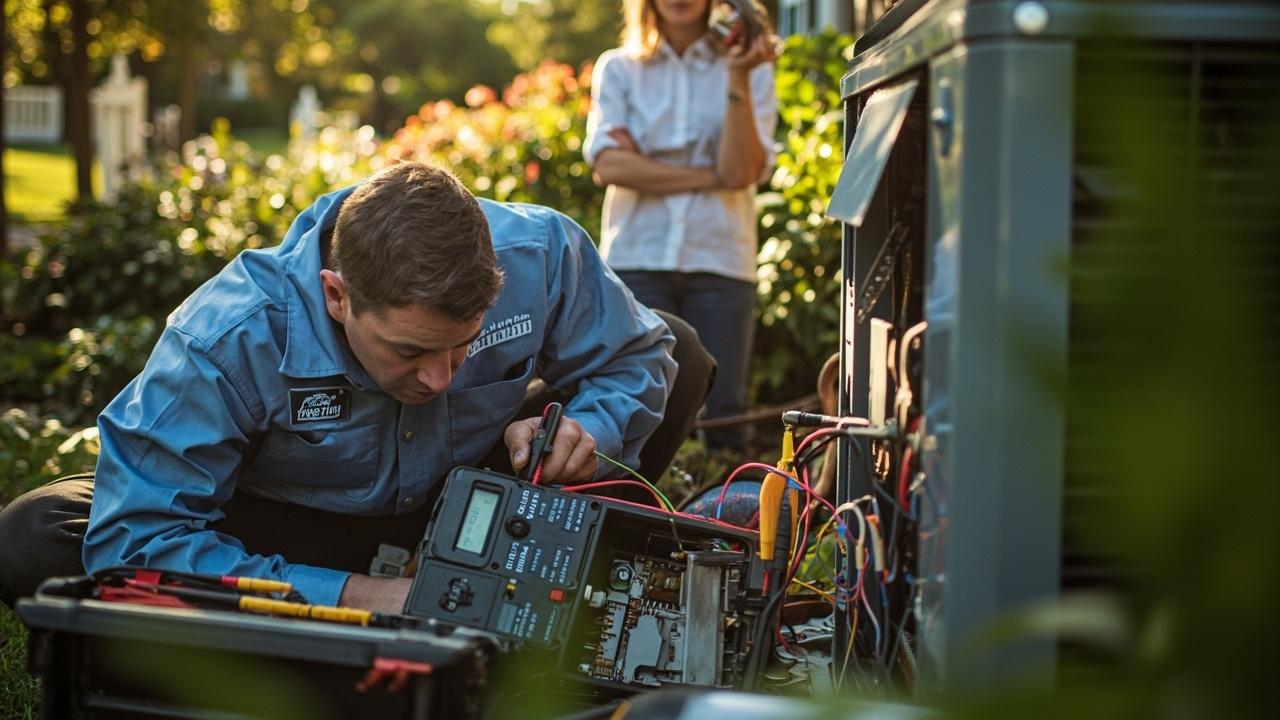
Five Star HVAC Cincinnati approaches troubleshooting as a systematic process, not a guessing game. We begin with differential pressure testing across your evaporator coil to measure airflow restriction. A clean filter with poor airflow indicates a frozen coil or collapsed duct. High airflow with warm discharge means low refrigerant or compressor valve failure. These measurements eliminate variables before we open a single panel.

Superheat and subcooling calculations come next. We measure refrigerant temperature at four points in the cycle, comparing actual values against manufacturer specifications for your specific model and outdoor temperature. A high superheat reading points to refrigerant undercharge or a restricted metering device. Low subcooling suggests overcharge or condenser airflow problems. This data tells us exactly where the system fails, down to the specific component.

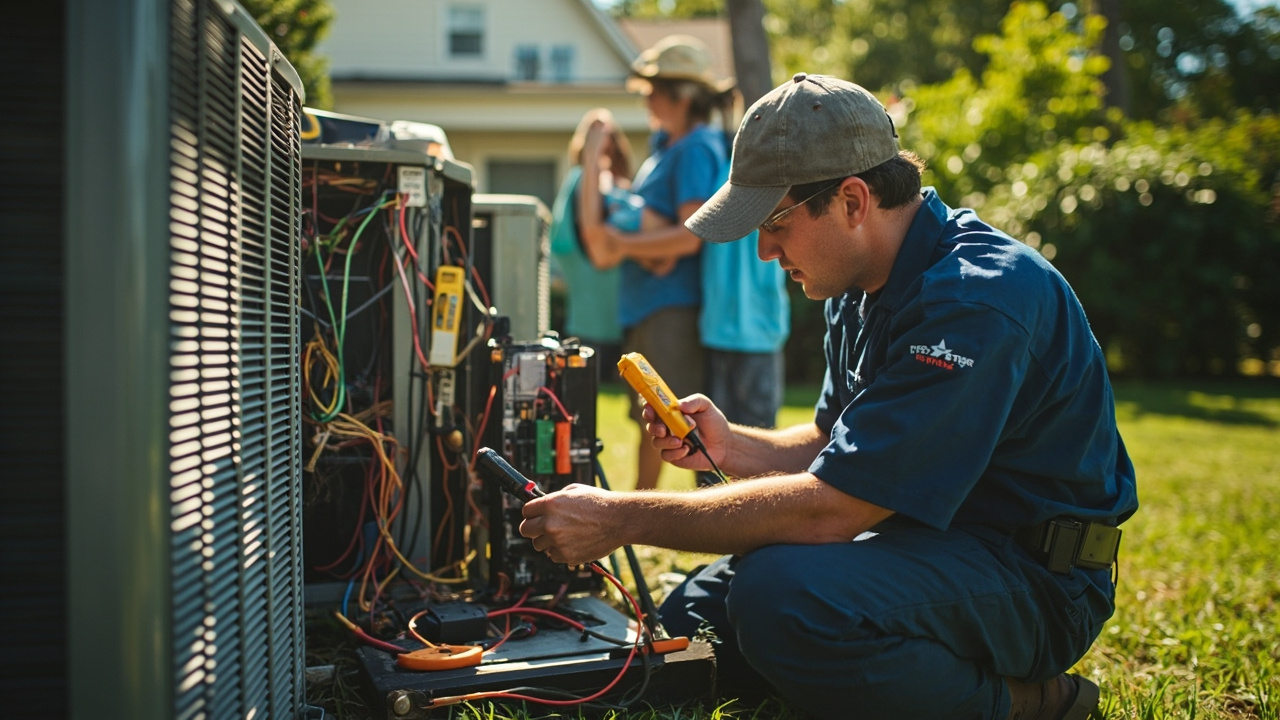
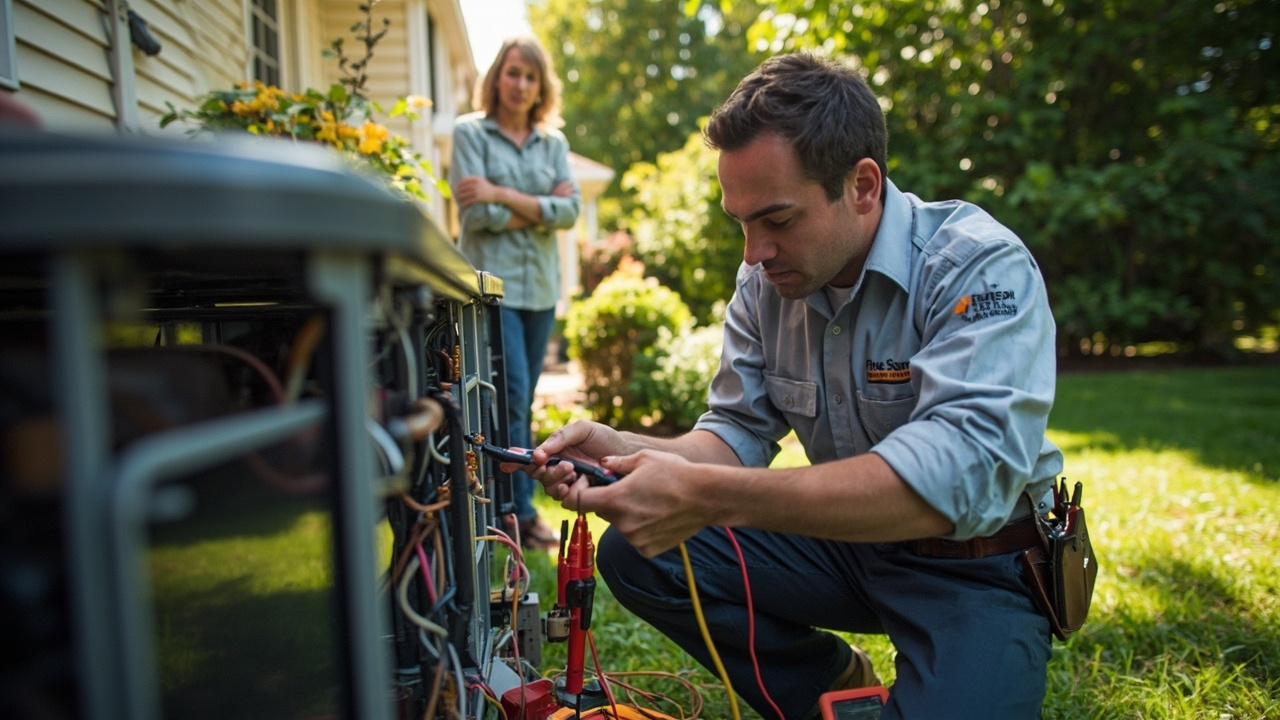
Electrical diagnostics reveal hidden issues. We measure voltage and amperage at the compressor under load, comparing startup current against running current. A compressor drawing high amps with low cooling output has internal wear. One that short-cycles on thermal overload has a failed start capacitor or weak contactor. We test each relay and safety switch independently because a bad pressure switch can mimic compressor failure, leading to a wrong diagnosis and a wasted repair.

Duct system analysis completes the picture. We use a manometer to measure static pressure in your supply and return plenums. High static pressure means your blower fights against undersized ducts or closed vents. Low pressure with poor cooling indicates duct leakage in your attic or crawlspace. Cincinnati homes often have 20 to 30 percent duct leakage, which no amount of equipment repair will fix. Our air conditioning troubleshooting guide accounts for the entire system, not just the obvious parts.

What Happens During Your Diagnostic Visit

Troubleshooting AC Issues in Cincinnati – Get Expert Diagnostics and Fast Solutions
01

System Performance Baseline

We start by running your system through a complete cooling cycle while monitoring temperatures at every supply register and return grille. This establishes your current performance level and identifies which zones fail first. We document outdoor temperature, indoor humidity, and runtime patterns to create a performance baseline that guides all subsequent testing and reveals problems invisible during a static inspection.
02

Component-Level Testing

Each mechanical and electrical component gets isolated testing. We measure capacitor microfarads, check refrigerant pressures at multiple points in the cycle, inspect coil conditions with a borescope, and verify thermostat calibration with precision instruments. This phase identifies the specific failed part rather than replacing components based on symptoms alone. We test the parts most homeowners ignore, like reversing valves and TXV bulbs, that cause 30 percent of misdiagnosed failures.
03

Root Cause Explanation

After testing, we explain what failed, why it failed, and what happens if you delay repair. You get photos of the failed component, measurements that show the problem, and a written report with repair options ranked by urgency. We discuss whether your ductwork or insulation contributed to the failure and whether fixing the immediate problem solves your long-term comfort issues or just delays the next breakdown.

Why Local Expertise Matters for Cincinnati HVAC Diagnostics

Cincinnati requires HVAC knowledge that accounts for regional failure patterns. We see condensate drain clogs from algae growth at twice the national rate because of Ohio Valley humidity. Refrigerant leaks concentrate at brazed joints on outdoor coils because freeze-thaw expansion stresses copper differently than in stable climates. A technician from Phoenix or Atlanta brings competence but not the pattern recognition that comes from diagnosing hundreds of systems in similar conditions.

Building code compliance adds another layer. Cincinnati adopted the 2018 International Residential Code in 2019, which changed minimum SEER requirements and refrigerant handling procedures. Older systems require different diagnostic approaches than newer equipment, and homes in historic districts like Over-the-Rhine need repairs that preserve architectural integrity while meeting modern efficiency standards. Generic troubleshooting misses these nuances.

Five Star HVAC Cincinnati knows which AC problems stem from installation quality versus equipment age because we have seen the work of every major contractor in the region. We recognize the ductwork signature of specific builders and the common shortcuts that cause premature failures. When we diagnose a system in Oakley or Anderson Township, we already know the likely issues based on the home's age, builder, and original HVAC contractor. This context speeds diagnosis and prevents misdiagnosis.

Our relationships with local suppliers matter during parts sourcing. When you need a specific TXV or a discontinued blower motor, we can locate it locally within hours instead of waiting days for shipping. For older equipment, we maintain connections with supply houses that stock legacy parts. Emergency repairs do not wait for backorders, and knowing who carries what in Cincinnati keeps your repair on schedule.

What You Get from Professional AC Diagnostics

Diagnostic Speed and Scheduling Flexibility

We schedule diagnostic visits within 24 hours during peak season and offer same-day service for systems that fail completely. Most diagnostics take 60 to 90 minutes, depending on system complexity and accessibility. You receive preliminary findings before we leave and a detailed written report within two hours. Emergency diagnostics happen after hours and on weekends when your AC fails at the worst time, which in Cincinnati means Friday evening before a holiday weekend when humidity peaks.

Comprehensive System Evaluation

Our evaluation covers mechanical components, electrical systems, refrigerant circuit integrity, airflow performance, and duct condition. We inspect filter condition, check drain line flow, measure temperature splits across the evaporator, verify proper blower speed, and document any code violations or safety concerns. You learn which problems need immediate attention and which you can monitor. We identify the difference between a five-year maintenance issue and a next-week failure so you can plan repairs without panic.

Accurate Repair Cost Projections

After diagnostics, we provide written estimates that itemize parts, labor, and materials with no hidden fees. We explain repair-versus-replace thresholds based on your equipment age, expected remaining lifespan, and efficiency gains from upgrading. You get options at three price points: the minimum repair to restore function, the recommended repair that prevents near-term failures, and the comprehensive solution that maximizes system life. Our estimates account for Cincinnati-specific factors like duct modifications required by local code.

Post-Repair Performance Verification

After any repair, we retest the entire system to verify it meets design specifications. You receive before and after measurements showing temperature splits, airflow volumes, and refrigerant pressures. We document the repair with photos and provide maintenance recommendations specific to your equipment and usage patterns. Follow-up includes a 30-day check-in to confirm the repair solved your comfort issues and a maintenance schedule that prevents the same failure from recurring due to neglect.

Frequently Asked Questions

You Have Questions,
We Have Answers

How do I diagnose what's wrong with my AC? +

Start with the basics. Check your thermostat settings and replace your air filter if it looks dirty. Walk outside and inspect the condenser unit for debris, leaves, or blocked airflow. Listen for unusual noises like grinding or hissing. Feel the vents inside. If they blow warm air or no air, you likely have a refrigerant leak, compressor issue, or blower motor failure. In Cincinnati's humid summers, frozen evaporator coils are common when airflow is restricted. If you cannot identify the problem after these checks, call a licensed HVAC technician for a proper diagnostic.

How to figure out what's wrong with AC? +

Begin by checking your thermostat. Make sure it is set to cool and the temperature is below the current room reading. Replace your air filter if it is clogged. Inspect the outdoor condenser unit for visible damage, ice buildup, or debris blocking the fan. Turn off the system and check circuit breakers. Listen for clicking, buzzing, or humming sounds that signal electrical or motor problems. In Cincinnati's high humidity, mold and condensate drain clogs are frequent culprits. If these steps do not reveal the issue, schedule a professional diagnostic to avoid further damage.

What is the most common AC problem? +

Dirty air filters cause the majority of AC problems. When filters clog with dust, pet hair, and Cincinnati's seasonal pollen, airflow drops and the evaporator coil freezes. This forces your system to work harder and reduces efficiency. Other common issues include refrigerant leaks, faulty capacitors, and thermostat malfunctions. Homeowners often overlook routine filter changes, especially during spring and summer when AC usage spikes. Change your filter every 30 to 90 days depending on usage and household conditions. This simple step prevents most breakdowns and extends your unit's lifespan.

What is the most common part to fail on an AC unit? +

Capacitors fail more often than any other AC component. These small electrical parts store energy to start the compressor and fan motors. Cincinnati's temperature swings and high humidity accelerate capacitor wear. You will hear clicking or humming sounds when a capacitor fails, and the unit will not start. Compressor failures are also common but more expensive to repair. Blower motors, contactors, and fan blades wear out over time. Regular maintenance catches failing parts early. Ignoring small electrical issues often leads to complete system failure during peak summer heat.

What is the $5000 AC rule? +

The $5,000 rule helps you decide between repair and replacement. Multiply your AC unit's age by the repair cost. If the result exceeds $5,000, replace the system instead of repairing it. For example, if your 12-year-old unit needs an $800 repair, that equals $9,600. You should replace it. This rule accounts for diminishing efficiency and the likelihood of future breakdowns in older systems. In Cincinnati, where humidity stresses aging equipment, this calculation becomes even more relevant. Newer systems offer better SEER ratings and lower energy bills.

What is the 3 minute rule for AC? +

The 3-minute rule prevents compressor damage. After your AC shuts off, wait at least 3 minutes before restarting it. This allows refrigerant pressure to equalize between the high and low sides of the system. Restarting too quickly forces the compressor to work against unbalanced pressure, which causes mechanical stress and shortens its lifespan. Modern thermostats include built-in delay timers for this reason. If you frequently adjust your thermostat or experience power outages in Cincinnati's summer storms, this rule protects your compressor from premature failure.

Why is my AC set to 72 but reads 78? +

Your AC struggles to keep up. This happens when the unit is undersized for your home, refrigerant is low, or airflow is restricted by dirty filters and blocked vents. In Cincinnati, poor attic insulation and air leaks around windows let cool air escape faster than your system can replace it. Check your air filter first. Inspect vents for obstructions. If the outdoor temperature exceeds 95 degrees, even a properly functioning unit may lag behind by a few degrees. Persistent temperature gaps require professional inspection for refrigerant leaks or failing compressors.

What are 6 obvious signs of air conditioning problems? +

Watch for these warning signs. Warm air blowing from vents signals refrigerant loss or compressor failure. Weak airflow points to blower motor issues or duct leaks. Unusual noises like grinding, squealing, or banging indicate worn bearings or loose components. Moisture or leaks around the indoor unit suggest clogged condensate drains, common in Cincinnati's humid climate. Foul odors mean mold growth in ducts or a burned-out wire. Frequent cycling or failure to start reveals thermostat, capacitor, or electrical problems. Address these issues immediately to prevent total system failure.

How much does it cost to diagnose an AC problem? +

Most HVAC companies in Cincinnati charge between $75 and $150 for a diagnostic service call. This fee typically covers the technician's time, system inspection, and problem identification. Some companies waive the diagnostic fee if you proceed with the recommended repair. Expect to pay more for emergency or after-hours diagnostics. A thorough diagnostic includes checking refrigerant levels, electrical components, airflow, thermostat calibration, and condensate drainage. Avoid companies that quote repairs over the phone without inspecting your system. Accurate diagnostics require hands-on testing and specialized tools.

What is the average lifespan of an AC? +

AC units last 15 to 20 years with proper maintenance. In Cincinnati, high humidity and temperature extremes can shorten this lifespan to 12 to 15 years if you skip annual tune-ups. Factors like installation quality, usage patterns, and timely repairs affect longevity. Units installed in shaded outdoor locations last longer than those exposed to direct sun. Change filters regularly, keep the condenser coil clean, and schedule professional maintenance each spring. If your system is over 10 years old and requires frequent repairs, start planning for replacement to avoid emergency breakdowns.

How Cincinnati's Humidity Complicates AC Troubleshooting

Cincinnati sits in a geographic bowl created by hills surrounding the Ohio River, trapping humid air that forces air conditioners to remove moisture while cooling. This dual load degrades evaporator coils faster through corrosion and clogs condensate drains with biological growth. Diagnosing air conditioner problems requires measuring latent cooling capacity, not just sensible temperature drop. Systems that cool adequately but leave your home clammy have lost dehumidification capacity, a failure mode rare in dry climates but common here. Central air troubleshooting must account for this humidity stress because it causes failures that mimic refrigerant loss or airflow restriction.

Five Star HVAC Cincinnati has diagnosed thousands of systems across every neighborhood from Clifton to Milford, learning the patterns that separate normal wear from premature failure. We understand how Cincinnati's building stock affects AC performance because we work on everything from 1920s homes in Hyde Park with no insulation to new construction in Liberty Township with complex zoning systems. This local expertise prevents misdiagnosis and ensures we identify the real problem the first time, saving you from repeat service calls and wasted repairs that address symptoms instead of causes.

HVAC Services in The Cincinnati Area

Five Star HVAC proudly serves all homes and businesses in the greater Cincinnati area. Our skilled team is ready to respond to your service requests, whether you're in the city center or the surrounding suburbs. Use the map to explore our service area and see how close we are to you. We're committed to providing prompt and dependable service, no matter where you are within our coverage zone.

Address:
Five Star HVAC Cincinnati, 4024 Hamilton Ave, Cincinnati, OH, 45223

Additional Services We Offer

Our news updates

Latest Articles & News from The Blogs

How Close Can You Plant Flowers and Shrubs to Your AC Unit in Batavia? Planting too close to your outdoor…

How Close Can You Plant Flowers and Shrubs to Your AC Unit in Batavia?

How Close Can You Plant Flowers and Shrubs to Your AC Unit in Batavia? Planting too close to your outdoor…

Where to Place Your Thermostat in a Mt. Washington House for the Most Accurate Readings

Where to Place Your Thermostat in a Mt. Washington House for the Most Accurate Readings Your thermostat location affects your…

Why Your Furnace Keeps Turning On and Off Every Few Minutes in Westwood

Why Your Furnace Keeps Turning On and Off Every Few Minutes in Westwood If your furnace is turning on and…

Contact Us

Stop guessing about your AC problems. Call Five Star HVAC Cincinnati at (513) 717-5155 for accurate diagnostics and honest repair recommendations. We identify the real issue fast so you can make informed decisions about your comfort.