
When is the best time to switch from heat to AC during a Cincinnati spring?
Cincinnati’s spring weather is notorious for its wild swings—one day you’re running the furnace, the next you’re tempted to crank up the AC. The key to protecting your HVAC system during this transition is knowing when it’s actually safe to make the switch. In Cincinnati, the magic number is 60 degrees. You should wait until outdoor temperatures consistently stay above 60°F for at least 24 hours before turning on your air conditioning. This prevents compressor damage that can occur when cold oil doesn’t flow properly through the system. Emergency furnace repair services for Indian Hill homeowners available right now.
The Ohio River Valley’s high humidity adds another layer of complexity. Our spring often brings those deceptive warm days followed by chilly nights, creating the perfect conditions for mold growth in your HVAC system if you switch too early. The 60-degree rule isn’t just a suggestion—it’s a critical safety measure that protects your compressor from the expensive damage that comes with cold-weather startup.
Understanding Cincinnati’s Spring Weather Patterns
Cincinnati sits in the heart of the Ohio River Valley, where spring weather patterns are notoriously unpredictable. Our location creates what meteorologists call a “battle zone” between cold Canadian air masses and warm Gulf moisture. This clash produces the yo-yo temperature swings that make HVAC switching so challenging.
Historical data from the National Weather Service shows Cincinnati typically sees its first sustained 60-degree days in mid-April, though this can vary by several weeks. The “false spring” phenomenon—where we get a week of warm weather in March only to be hit with frost again—is common here. This pattern is why many Cincinnati homeowners make the mistake of switching their systems too early, only to face a cold snap that forces them back to heating. National Weather Service.
The high humidity levels in our region—often exceeding 70% during spring months—mean your AC system has to work harder once it’s running. This makes proper timing even more critical. Starting your AC before the system is ready can lead to frozen coils, tripped breakers, and the musty odors that come from dormant moisture in the system.
The 60-Degree Rule: Why It Matters for Your Compressor
Your air conditioner’s compressor contains oil that needs to be warm and fluid to circulate properly. When outdoor temperatures drop below 60°F, this oil becomes thick and sluggish. Starting the compressor in these conditions is like trying to run a car with cold, thick motor oil—it causes excessive wear and can lead to catastrophic failure.
The compressor is the heart of your AC system, and replacement costs typically range from $1,500 to $2,500. This makes following the 60-degree rule a simple insurance policy against expensive repairs. The rule applies whether you’re switching from heat to AC or vice versa—cold starts in either direction stress the system. 24/7 AC repair for restaurants and small businesses in Downtown Cincinnati.
Beyond the 60-degree threshold, you should also wait at least 24 hours after restoring power to your outdoor condenser unit. This allows the internal pressures to equalize and prevents the short-cycling that can damage compressor valves. Many Cincinnati homeowners forget this step when they’re eager to cool down on that first warm day.
Step-by-Step: DIY Spring HVAC Checklist
Before you make the switch from heat to AC, run through this safety checklist to ensure your system is ready for the transition. This simple process can prevent mid-season breakdowns and extend the life of your equipment.
- Inspect the Outdoor Condenser
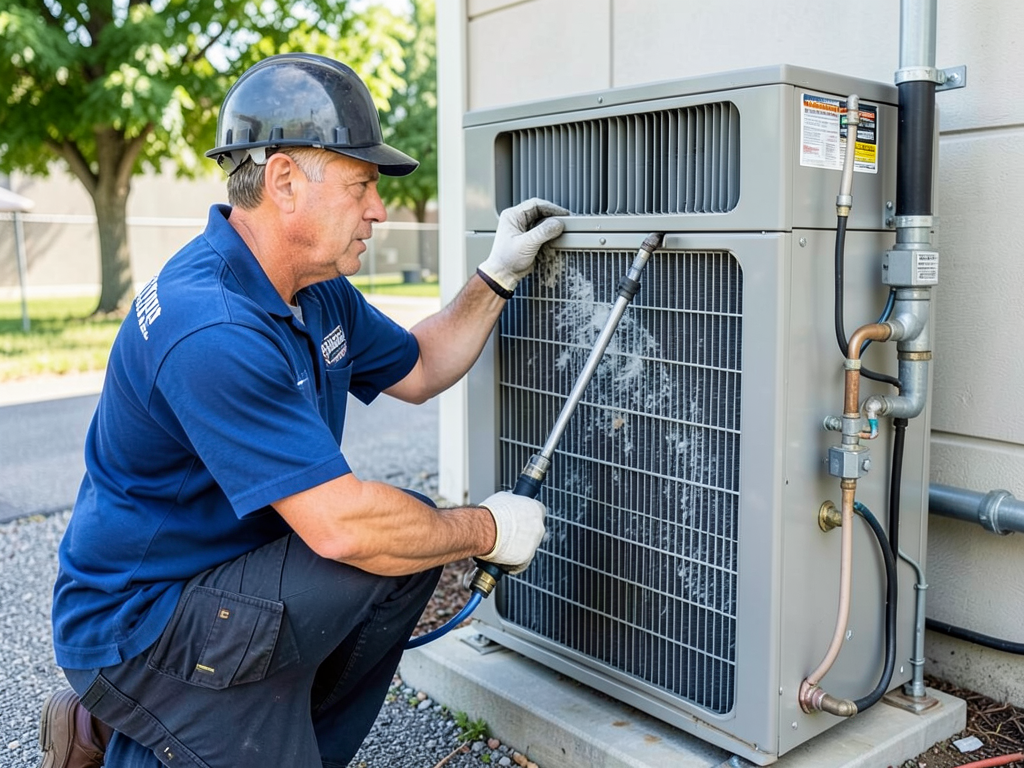
Clear away any leaves, twigs, or debris that accumulated around your outdoor unit during winter. Cincinnati’s heavy spring rains can wash debris into the condenser fins, reducing efficiency. Use a garden hose on gentle spray to clean the exterior coils, but never use a pressure washer which can bend the delicate fins.
- Change Your Air Filters
Spring brings high pollen counts to Cincinnati—oak, maple, and elm trees release billions of grains that clog filters quickly. Replace your filter with a MERV 8-11 rated option for optimal balance between air quality and system efficiency. A clean filter can reduce your energy costs by up to 15%.
- Check Thermostat Settings
Switch your thermostat from “heat” to “cool” mode and set it a few degrees below the current room temperature to test the system. Listen for the outdoor unit to kick on within a few minutes. If it doesn’t start, check your circuit breaker before calling for service.
- Clear the Condensate Drain Line
High spring humidity means your AC will produce significant condensation. Pour a cup of white vinegar down the condensate drain line to prevent algae growth that can cause clogs. A blocked drain can cause water damage to your home and system shutdown.
Common Issues During the First Spring Start-Up
Even when you follow all the safety guidelines, your AC might not work perfectly on that first warm day. Understanding these common issues can help you decide whether it’s a quick fix or time to call Five Star HVAC at (513) 717-5155.
AC Blowing Warm Air – This often indicates low refrigerant levels, which can develop during the off-season through small leaks. The Ohio River Valley’s humidity accelerates coil corrosion, making spring leaks particularly common. If your system runs but doesn’t cool after 15 minutes, you likely have a refrigerant issue that requires professional service.
Strange Noises – Banging sounds usually indicate loose parts or failing motor mounts that shifted during winter. Squealing noises often point to belt issues or failing bearings in older systems. These sounds shouldn’t be ignored—they typically worsen quickly and can lead to complete system failure during peak summer heat.
Unit Won’t Turn On – This could be as simple as a tripped breaker or as complex as a failed capacitor. Cincinnati’s spring thunderstorms can cause power surges that damage electrical components. Check your breaker box first, but if the problem persists, don’t keep resetting breakers as this can cause additional damage.
Professional Maintenance vs. DIY: What You Need to Know
While the DIY checklist covers the basics, professional maintenance provides the deep inspection that prevents summer breakdowns. A Five Star HVAC technician performs tests that homeowners simply can’t—checking refrigerant levels with precision gauges, testing electrical components for safe operation, and inspecting the heat exchanger for cracks that could leak carbon monoxide.
Professional tune-ups typically include cleaning the evaporator coil (which requires removing the furnace cabinet), checking and tightening all electrical connections, lubricating moving parts, and testing the system’s overall efficiency. These services cost between $150-300 but can prevent $1,000+ emergency repairs during summer’s peak. How to find a reliable AC repair company in Hyde Park without overpaying.
For Cincinnati homeowners, scheduling professional maintenance in April or early May hits the sweet spot—after the last frost but before the summer rush. This timing allows you to address any issues before you really need your AC during those humid July days when temperatures and humidity both climb into the 90s.
Energy Efficiency Tips for the Transition Period
The weeks between when you stop using heat and when you need full AC can be tricky for energy bills. Duke Energy reports that Cincinnati homes see the highest energy usage during these transition months as homeowners frequently switch between heating and cooling. Duke Energy.
Use ceiling fans to your advantage during this period. Running fans counterclockwise creates a wind-chill effect that makes rooms feel 4-6 degrees cooler, allowing you to delay turning on the AC. This simple step can reduce your cooling costs by up to 40% during mild weather. Cooling Tower Services.
Take advantage of Cincinnati’s cooler night temperatures by opening windows after sunset and closing them before mid-morning. This natural ventilation can keep your home comfortable without running the HVAC system at all on many spring days. Just remember to close windows before humidity climbs above 60% to prevent moisture issues.
Consider a smart thermostat if you haven’t already upgraded. These devices learn your schedule and can automatically adjust for Cincinnati’s temperature swings, potentially saving 10-15% on your annual HVAC costs. They’re particularly useful during spring when manual adjustments are frequent.
Warning Signs You Shouldn’t Ignore
Some AC problems that appear during spring startup indicate serious issues that require immediate attention. Recognizing these warning signs can prevent dangerous situations and costly repairs.
A burning smell when you first turn on the AC is common and usually harmless—it’s just dust burning off the heating elements. However, if the smell persists beyond 10-15 minutes or smells like burning plastic, shut down the system immediately. This could indicate electrical problems that pose fire risks.
Water pooling around your indoor unit during the first run isn’t always cause for alarm—condensation is normal. But if you see water leaking from the outdoor unit or notice the indoor leak continuing after the first hour of operation, you may have a blocked drain line or refrigerant issue.
Ice formation on the refrigerant lines or outdoor coil indicates either low refrigerant or restricted airflow. Never try to chip away ice—this can damage the coils. Turn off the system and call for service if you see ice, as running an iced-up system can destroy the compressor.
When to Call Five Star HVAC
While many spring start-up issues can be resolved with basic troubleshooting, certain situations require professional expertise. Call (513) 717-5155 if you experience any of these scenarios:
- Your AC runs constantly but never reaches the set temperature
- You hear loud banging, grinding, or screeching noises
- The system trips your breaker repeatedly
- You notice water damage around your indoor unit
- The air from vents is only slightly cool or room temperature
Five Star HVAC offers 24/7 emergency service throughout the Greater Cincinnati area, including Mason, Blue Ash, and West Chester. Our NATE-certified technicians carry the parts needed for most repairs on their first visit, minimizing your downtime during those critical spring weeks when you’re deciding whether you need cooling. Why Mason residents trust us for their annual HVAC maintenance and tune-ups.
Don’t wait until the first 90-degree day to discover your AC isn’t working properly. A pre-season inspection now can identify worn parts before they fail, potentially saving you from the discomfort and expense of an emergency repair during Cincinnati’s humid summer months.
Frequently Asked Questions
What’s the earliest I can safely turn on my AC in Cincinnati?
The safest approach is waiting until outdoor temperatures consistently stay above 60°F for at least 24 hours. In Cincinnati, this typically occurs in mid-to-late April, though it can vary by several weeks depending on the year.
How often should I change my air filter during spring?
During Cincinnati’s high pollen season (April through June), check your filter monthly and replace it when it appears dirty or every 60 days at minimum. Homes with pets or allergy sufferers may need monthly changes during peak pollen periods.
Is it normal for my AC to smell musty when I first turn it on?
A slight musty odor during the first run is common and usually comes from dust and dormant moisture in the system. If the smell persists beyond 30 minutes or is accompanied by visible mold, you should have your system inspected for potential mold growth in the ductwork.
Should I cover my outdoor AC unit during winter?
Professional-grade covers can protect your unit from debris, but they’re not essential for Cincinnati’s climate. If you do cover it, use a breathable cover specifically designed for AC units—never use plastic tarps which trap moisture and can cause rust.
How long should I wait between switching from heat to AC?
Ideally, wait at least 24-48 hours between switching modes to allow the system to equalize pressure and prevent short-cycling. This is especially important in Cincinnati where we often experience temperature swings that might have you switching back and forth frequently.
Ready to ensure your AC is ready for Cincinnati’s unpredictable spring? Call Five Star HVAC at (513) 717-5155 to schedule your professional tune-up today. Our experienced technicians will inspect your system, identify potential issues, and make sure you’re ready for whatever weather comes next.
You may also find this helpful. How to tell if a bad capacitor is the reason your Hyde Park AC won’t start.
You may also find this helpful. The most cost effective ways to cool a smaller starter home in Fairfax.
{
“@context”: “https://schema.org”,
“@type”: “BlogPosting”,
“headline”: “When is the best time to switch from heat to AC during a Cincinnati spring?”,
“description”: “Cincinnati’s unpredictable spring weather makes timing your HVAC switch critical. Learn the 60-degree rule, DIY checklist, and when to call Five Star HVAC at (513) 717-5155.”,
“wordCount”: 2017,
“datePublished”: “2026-06-04T08:00:00.000Z”,
“dateModified”: “2026-06-04T08:00:00.000Z”,
“inLanguage”: “en-US”,
“mainEntityOfPage”: {
“@type”: “WebPage”,
“@id”: “https://fivestarhvaccincinnati.com”
},
“publisher”: {
“@type”: “LocalBusiness”,
“name”: “Five Star HVAC Cincinnati”,
“url”: “https://fivestarhvaccincinnati.com”
},
“author”: {
“@type”: “Organization”,
“name”: “Five Star HVAC Cincinnati”,
“url”: “https://fivestarhvaccincinnati.com”
},
“image”: {
“@type”: “ImageObject”,
“url”: “https://fivestarhvaccincinnati.com/wp-content/uploads/2026/03/when-is-the-best-time-to-switch-from-heat-to-ac-du-1.png”
}
}
{
“@context”: “https://schema.org”,
“@type”: “HVACBusiness”,
“name”: “Five Star HVAC Cincinnati”,
“url”: “https://fivestarhvaccincinnati.com”,
“address”: {
“@type”: “PostalAddress”,
“addressLocality”: “Cincinnati”
},
“areaServed”: {
“@type”: “City”,
“name”: “Cincinnati”
}
}
{
“@context”: “https://schema.org”,
“@type”: “FAQPage”,
“mainEntity”: [
{
“@type”: “Question”,
“name”: “What’s the earliest I can safely turn on my AC in Cincinnati?”,
“acceptedAnswer”: {
“@type”: “Answer”,
“text”: “The safest approach is waiting until outdoor temperatures consistently stay above 60°F for at least 24 hours. In Cincinnati, this typically occurs in mid-to-late April, though it can vary by several weeks depending on the year.”
}
},
{
“@type”: “Question”,
“name”: “How often should I change my air filter during spring?”,
“acceptedAnswer”: {
“@type”: “Answer”,
“text”: “During Cincinnati’s high pollen season (April through June), check your filter monthly and replace it when it appears dirty or every 60 days at minimum. Homes with pets or allergy sufferers may need monthly changes during peak pollen periods.”
}
},
{
“@type”: “Question”,
“name”: “Is it normal for my AC to smell musty when I first turn it on?”,
“acceptedAnswer”: {
“@type”: “Answer”,
“text”: “A slight musty odor during the first run is common and usually comes from dust and dormant moisture in the system. If the smell persists beyond 30 minutes or is accompanied by visible mold, you should have your system inspected for potential mold growth in the ductwork.”
}
},
{
“@type”: “Question”,
“name”: “Should I cover my outdoor AC unit during winter?”,
“acceptedAnswer”: {
“@type”: “Answer”,
“text”: “Professional-grade covers can protect your unit from debris, but they’re not essential for Cincinnati’s climate. If you do cover it, use a breathable cover specifically designed for AC units—never use plastic tarps which trap moisture and can cause rust.”
}
},
{
“@type”: “Question”,
“name”: “How long should I wait between switching from heat to AC?”,
“acceptedAnswer”: {
“@type”: “Answer”,
“text”: “Ideally, wait at least 24-48 hours between switching modes to allow the system to equalize pressure and prevent short-cycling. This is especially important in Cincinnati where we often experience temperature swings that might have you switching back and forth frequently.”
}
}
]
}
{
“@context”: “https://schema.org”,
“@type”: “HowTo”,
“name”: “Spring HVAC Start-up Checklist”,
“step”: [
{
“@type”: “HowToStep”,
“position”: 1,
“name”: “Inspect the Outdoor Condenser”,
“text”: “Clear away any leaves, twigs, or debris that accumulated around your outdoor unit during winter. Cincinnati’s heavy spring rains can wash debris into the condenser fins, reducing efficiency. Use a garden hose on gentle spray to clean the exterior coils, but never use a pressure washer which can bend the delicate fins.”
},
{
“@type”: “HowToStep”,
“position”: 2,
“name”: “Change Your Air Filters”,
“text”: “Spring brings high pollen counts to Cincinnati—oak, maple, and elm trees release billions of grains that clog filters quickly. Replace your filter with a MERV 8-11 rated option for optimal balance between air quality and system efficiency. A clean filter can reduce your energy costs by up to 15%.”
},
{
“@type”: “HowToStep”,
“position”: 3,
“name”: “Check Thermostat Settings”,
“text”: “Switch your thermostat from \”heat\” to \”cool\” mode and set it a few degrees below the current room temperature to test the system. Listen for the outdoor unit to kick on within a few minutes. If it doesn’t start, check your circuit breaker before calling for service.”
},
{
“@type”: “HowToStep”,
“position”: 4,
“name”: “Clear the Condensate Drain Line”,
“text”: “High spring humidity means your AC will produce significant condensation. Pour a cup of white vinegar down the condensate drain line to prevent algae growth that can cause clogs. A blocked drain can cause water damage to your home and system shutdown.”
}
],
“image”: “https://fivestarhvaccincinnati.com/wp-content/uploads/2026/03/when-is-the-best-time-to-switch-from-heat-to-ac-du-1.png”
}
{
“@context”: “https://schema.org”,
“@type”: “BreadcrumbList”,
“itemListElement”: [
{
“@type”: “ListItem”,
“position”: 1,
“name”: “Home”,
“item”: “https://fivestarhvaccincinnati.com”
},
{
“@type”: “ListItem”,
“position”: 2,
“name”: “Blog”,
“item”: “https://fivestarhvaccincinnati.com/blog”
},
{
“@type”: “ListItem”,
“position”: 3,
“name”: “When is the best time to switch from heat to AC during a Cincinnati spring?”
}
]
}
{
“@context”: “https://schema.org”,
“@type”: “Service”,
“serviceType”: “HVAC”,
“provider”: {
“@type”: “LocalBusiness”,
“name”: “Five Star HVAC Cincinnati”,
“url”: “https://fivestarhvaccincinnati.com”
},
“areaServed”: {
“@type”: “City”,
“name”: “Cincinnati”
},
“description”: “Cincinnati’s unpredictable spring weather makes timing your HVAC switch critical. Learn the 60-degree rule, DIY checklist, and when to call Five Star HVAC at (513) 717-5155.”
}