
Steam boilers offer unmatched warmth and preservation for Avondale’s historic homes
For homeowners in Cincinnati’s Avondale neighborhood, steam heating represents more than just a functional choice—it’s a preservation strategy. These historic mansions built in the early 1900s were designed around radiator-based steam systems, and replacing them with forced-air units often means sacrificing architectural integrity. Steam heat provides even radiant warmth that works perfectly with the thick plaster walls and high ceilings common in these homes. Plus, steam systems operate silently when properly maintained, eliminating the whooshing sounds that come with modern forced-air systems.
The decision becomes even clearer when you consider Cincinnati’s climate. Our humid winters and dramatic temperature swings put stress on heating systems. Steam radiators excel at maintaining consistent temperatures without the cycling that causes drafts in forced-air homes. The cast-iron radiators also add thermal mass, continuing to radiate heat even after the boiler cycles off—something modern systems simply cannot replicate in these vintage spaces.. Read more about Maintaining the clean lines of an Amberley Village mid-century modern home while upgrading the AC.
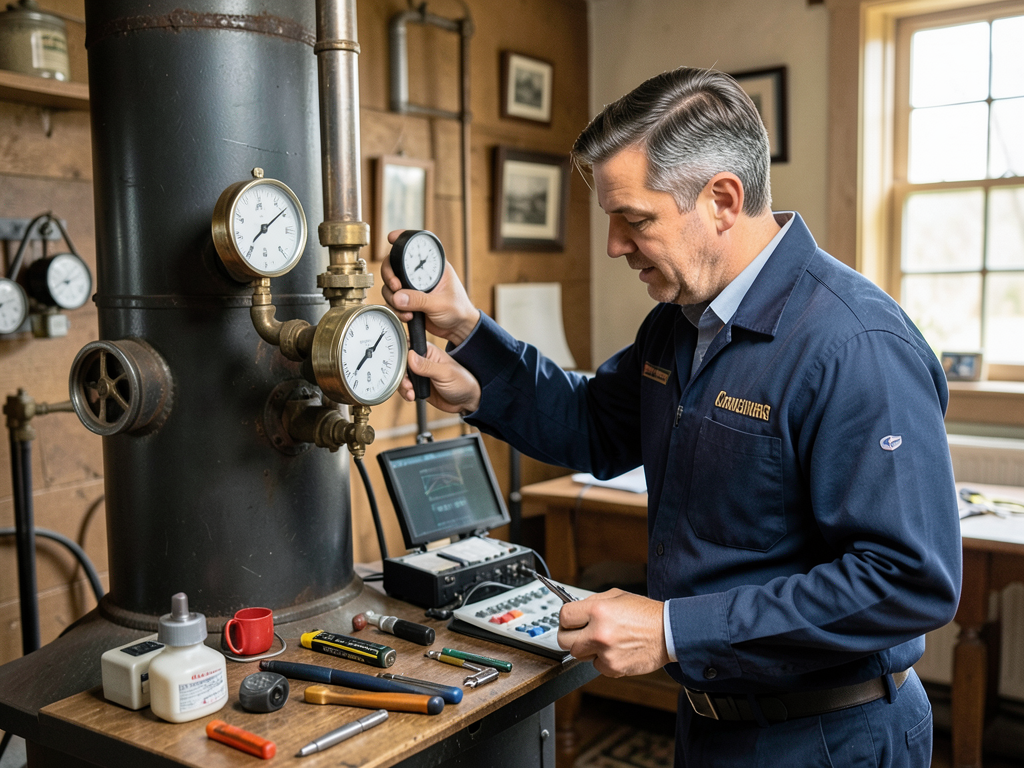
The advantages of steam heat for historic preservation
Steam boiler systems offer several benefits that align perfectly with the needs of Avondale’s historic housing stock. First, the radiant heat quality creates a comfort level that forced-air systems struggle to match. Heat rises evenly from radiators rather than blowing from ceiling vents, eliminating cold spots near windows and doors. This is particularly valuable in homes with original single-pane windows where forced-air systems create uncomfortable drafts.. Read more about Should you keep your original boiler or switch to forced air in your Wyoming house?.
Cast-iron components in steam systems demonstrate remarkable longevity. A well-maintained boiler can operate for 30-50 years, while the radiators themselves often last a century or more. This durability means fewer replacements and less disruption to historic interiors. The absence of ductwork also preserves ceiling heights and wall cavities, maintaining the architectural proportions that make these homes special.
Steam systems also provide superior air quality for allergy sufferers. Unlike forced-air systems that circulate dust and allergens through ductwork, steam radiators heat without moving air. This keeps historic woodwork and plaster dust-free while creating a healthier indoor environment. The quiet operation of steam heat also preserves the peaceful atmosphere these homes were designed to provide.
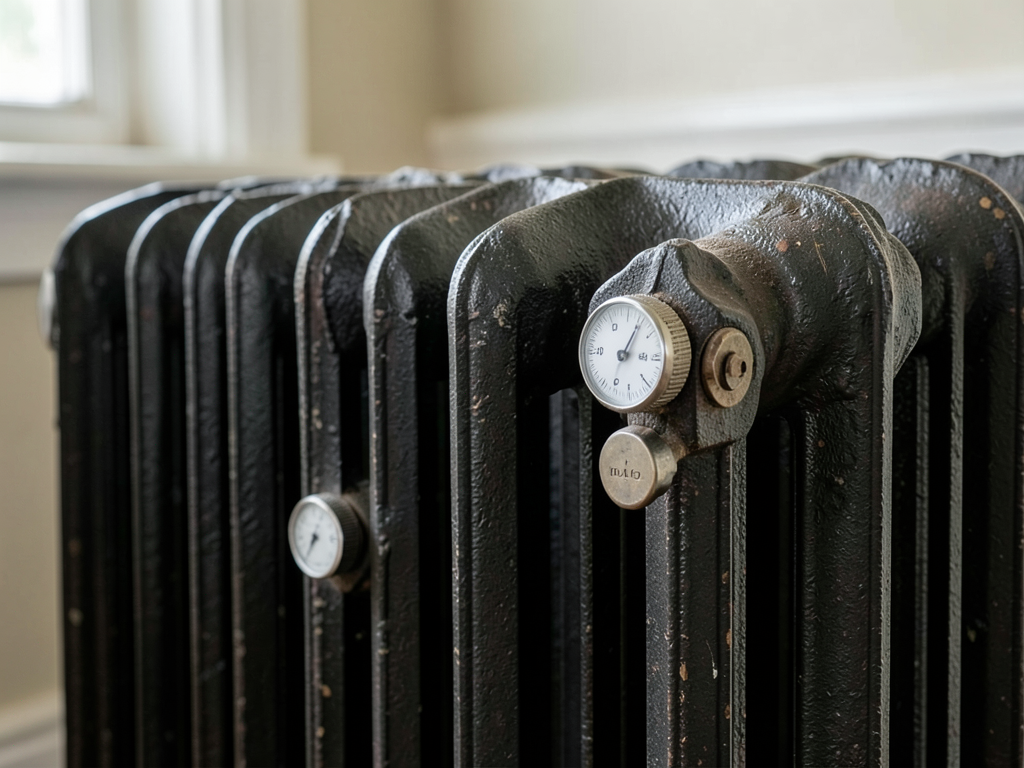
Understanding the challenges of steam heating
Steam boiler systems do present certain challenges that homeowners must understand. Modern steam boilers typically achieve 80-85% AFUE (Annual Fuel Utilization Efficiency) ratings, compared to 95-98% for high-efficiency furnaces. This means higher monthly utility costs, though the difference is often offset by the superior comfort and preservation benefits. Emergency furnace repair services for Indian Hill homeowners available right now.
Maintenance requirements for steam systems are more intensive than for modern heating. Annual service should include checking the sight glass for proper water level, performing blowdowns to remove sediment, and inspecting radiator vents. These tasks require specialized knowledge that many HVAC companies lack. Cincinnati’s hard water, sourced from the Ohio River Valley, creates additional scaling issues that can reduce efficiency by up to 15% annually without proper treatment.
Steam systems also respond more slowly to thermostat changes than forced-air units. The water must heat to boiling, create steam, and travel through pipes before heat reaches radiators. This delay can be frustrating for homeowners accustomed to instant heat. Additionally, improper maintenance can cause pipe hammering—loud banging sounds that echo through historic walls and potentially damage the system.
Steam versus hot water: choosing the right hydronic system
Many Avondale homeowners considering heating upgrades wonder about the difference between steam and hot water (hydronic) systems. Steam systems operate at higher temperatures and use one-pipe or two-pipe configurations, while hot water systems run at lower temperatures through closed loops. Steam provides more intense heat output, making it better suited for Cincinnati’s coldest days when temperatures can drop below zero.
Hot water systems offer greater efficiency and quieter operation but require larger radiators or radiant floor systems to deliver the same heat output. For historic homes with existing steam radiators, converting to hot water often means replacing all radiators—a costly and disruptive process that destroys original features. Steam systems also handle the thermal expansion of pipes better, reducing the risk of leaks in older homes where pipes run through plaster walls.
The choice between one-pipe and two-pipe steam systems affects both performance and cost. One-pipe systems use the same pipe for steam supply and condensate return, making them simpler and less expensive to install. Two-pipe systems separate supply and return lines, providing more even heat distribution and better temperature control. Most Avondale homes built before 1930 use one-pipe systems, which remain perfectly adequate for their original design parameters. EPA guidelines.
Common steam heat issues in Cincinnati’s historic homes
Avondale’s steam systems face unique challenges related to Cincinnati’s climate and water quality. The region’s high humidity accelerates corrosion in boiler chambers and pipes, particularly in homes near the Ohio River where moisture levels remain elevated year-round. Hard water from the municipal supply creates mineral scaling that reduces heat transfer efficiency by up to 20% over five years without proper treatment.
Another common issue involves aging distribution pipes. Many Avondale homes have pipes running through uninsulated crawl spaces or exterior walls where Cincinnati’s freeze-thaw cycles cause expansion and contraction. This movement can loosen fittings and create leaks that damage plaster ceilings and walls. The problem becomes more severe in homes built on clay soil, which shifts seasonally and stresses pipe connections.
Radiator air vents often fail in steam systems due to Cincinnati’s pollen-heavy springs. These vents must allow air to escape as steam enters, but pollen and dust can clog them, causing radiators to remain cold at the top. Annual vent cleaning or replacement prevents this issue and ensures even heating throughout the home. The cost of replacing all radiator vents in a typical Avondale mansion ranges from $800 to $1,500, a small investment compared to system replacement.
Making the repair versus replace decision
Homeowners facing steam boiler problems often wonder whether to repair or replace their system. The decision depends on several factors specific to each home. If your boiler is less than 25 years old and the heat exchanger remains intact, repairs often make financial sense. Common repairs include replacing the pressure relief valve, fixing leaks in near-boiler piping, or cleaning the heat exchanger. 24/7 AC repair for restaurants and small businesses in Downtown Cincinnati.
However, replacement becomes necessary when you encounter certain failure patterns. A boiler with a cracked heat exchanger poses safety risks from carbon monoxide. Systems requiring frequent repairs—more than twice per year—indicate approaching end-of-life. If your boiler struggles to heat the home on mild days when it should maintain temperature easily, the efficiency loss often justifies replacement. How to find a reliable AC repair company in Hyde Park without overpaying.
The age of your home’s distribution system also influences this decision. If pipes and radiators remain in good condition, a new high-efficiency steam boiler can reduce fuel consumption by 15-20% while preserving your home’s character. Modern boilers include features like outdoor reset controls that adjust water temperature based on outdoor conditions, significantly improving efficiency without changing the system’s fundamental operation.
Steam boiler maintenance requirements for Cincinnati homeowners
Proper maintenance keeps steam systems operating safely and efficiently in Avondale’s historic homes. Annual professional service should include combustion analysis to ensure proper fuel-air mixture, inspection of all safety controls, and cleaning of the heat exchanger. The technician should also check water chemistry, as Cincinnati’s hard water requires treatment to prevent scaling that reduces efficiency by up to 30% over a decade.
Homeowners can perform several maintenance tasks between professional visits. Weekly checks of the sight glass ensure proper water level—low water can damage the boiler, while high water causes flooding. Monthly radiator vent inspection prevents cold spots and ensures even heating. Annual system skimming removes oils and debris that accumulate in the boiler water, improving heat transfer and reducing energy consumption.
The cost of proper steam system maintenance in Cincinnati typically ranges from $300 to $500 annually for professional service, plus $100 to $200 for homeowner maintenance supplies. This investment protects a system that often represents $15,000 to $25,000 in replacement value while ensuring safe, efficient operation through our harsh winters.
Energy efficiency upgrades for existing steam systems
Steam boiler owners in Avondale can improve efficiency without sacrificing their home’s historic character. Thermostatic radiator valves (TRVs) allow room-by-room temperature control, reducing fuel consumption by 10-15% in homes where certain rooms receive excess heat. These valves automatically adjust steam flow based on room temperature, eliminating overheating in sunrooms or south-facing spaces.
Outdoor reset controls represent another valuable upgrade. These devices adjust boiler water temperature based on outdoor conditions, reducing energy consumption during mild weather while maintaining comfort. In Cincinnati’s variable climate, this can reduce annual fuel consumption by 8-12%. The controls cost $400 to $600 installed and typically pay for themselves within three heating seasons.
Insulating steam pipes in unconditioned spaces provides immediate returns. Exposed pipes in basements, crawl spaces, and attics lose significant heat before steam reaches radiators. Adding insulation to accessible pipes costs $3 to $5 per linear foot and can reduce fuel consumption by 5-8%. For a typical Avondale home with 100 feet of exposed piping, this upgrade costs $300 to $500 with a payback period of under two years.
Cincinnati building codes and steam boiler installation
Installing or replacing a steam boiler in Avondale requires compliance with Cincinnati Department of Buildings and Inspections regulations. The city mandates that all new boiler installations meet current ASME safety standards and include proper pressure relief valves, low-water cutoffs, and backflow preventers. Hamilton County Mechanical Code requires permits for all boiler work, with inspections verifying proper venting and combustion air supply. ASME safety standards.
Cincinnati’s high humidity creates specific code requirements for boiler room ventilation. The mechanical code mandates minimum air exchange rates to prevent moisture accumulation that could damage controls or create safety hazards. Homes near the Ohio River often need additional ventilation due to consistently elevated humidity levels. These requirements ensure safe operation while accounting for local climate conditions that differ from national averages.
Historic district regulations in Avondale may restrict certain modifications to steam systems. The Cincinnati Preservation Association works with homeowners to ensure that efficiency upgrades don’t compromise architectural integrity. For example, replacing radiators with more efficient models might require approval if the originals are considered contributing features to the home’s historic character. Working with contractors familiar with both mechanical codes and historic preservation ensures compliance while maintaining your home’s value.
Annual operating costs for steam heat in Cincinnati
Understanding the true cost of steam heating helps Avondale homeowners make informed decisions. Annual fuel costs for a typical steam-heated mansion range from $2,500 to $4,500 depending on home size, insulation quality, and thermostat settings. Natural gas prices in Cincinnati average $1.05 per therm, with a typical steam boiler consuming 2,500 to 4,000 therms annually.
Maintenance adds $400 to $600 annually for professional service, plus $100 to $200 for homeowner maintenance supplies. Over a 30-year system life, total operating costs average $90,000 to $150,000, including fuel, maintenance, and eventual replacement. This compares to $75,000 to $120,000 for a high-efficiency forced-air system, though steam systems often provide superior comfort that justifies the additional cost.
Weather patterns significantly impact steam heating costs in Cincinnati. The polar vortex winters of 2014 and 2019 increased fuel consumption by 30-40% compared to average years. Homes with proper insulation and modern boiler controls see smaller cost spikes during extreme weather. Investing in insulation upgrades often provides better returns than replacing the boiler itself, particularly in homes with solid masonry construction common in Avondale. Why Mason residents trust us for their annual HVAC maintenance and tune-ups.
The future of steam heating in historic Cincinnati
Steam heating continues to evolve with new technologies that improve efficiency while preserving the benefits that make it ideal for historic homes. Modulating boilers that adjust firing rates based on demand can reduce fuel consumption by 15-20% while maintaining the even heat distribution steam systems provide. These units cost $6,000 to $9,000 installed but offer significant long-term savings.
Smart controls specifically designed for steam systems represent another advancement. These devices learn heating patterns and optimize boiler operation for both comfort and efficiency. Integration with home automation systems allows remote monitoring and control, providing peace of mind for homeowners who travel during Cincinnati’s winter months. The technology costs $800 to $1,200 installed and can reduce annual fuel costs by 10-15%.
The trend toward electrification poses questions about steam heating’s long-term viability. While heat pumps offer high efficiency, they struggle to provide the intense heat needed for large historic homes with poor insulation. Steam systems remain the most practical solution for maintaining comfort in these challenging environments, particularly when paired with modern high-efficiency boilers that minimize environmental impact while preserving architectural integrity.
Why Avondale homeowners choose steam preservation
The decision to maintain steam heating often comes down to more than just economics. Avondale homeowners frequently cite the desire to preserve their home’s original character as the primary reason for choosing steam over modern alternatives. The radiators themselves often feature intricate cast-iron designs that would be impossible to replicate with modern equipment. Removing them would destroy a key architectural element that contributes to the home’s historic value.
Comfort considerations also drive the steam preservation choice. Many homeowners report that steam heat feels warmer at lower thermostat settings than forced-air systems. The radiant heat warms objects and people directly rather than heating air that rises to ceilings. This creates a cocoon of warmth that many find more comfortable than the drafty heat from forced-air vents, particularly in homes with high ceilings and large windows common in Avondale.
The quiet operation of steam systems appeals to homeowners who value peace and tranquility. Unlike forced-air systems that cycle on and off with whooshing sounds, steam radiators operate silently except for occasional gentle pinging as metal expands. This quiet operation preserves the serene atmosphere these historic homes were designed to provide, making steam heating not just a practical choice but a lifestyle preference for many Avondale residents.
Ready to optimize your historic home’s heating system? Call (513) 717-5155 today to schedule your inspection. Our steam heating experts understand the unique needs of Avondale’s historic mansions and can help you balance preservation with modern efficiency.
Frequently Asked Questions
How long do steam boilers typically last in Cincinnati homes?
A well-maintained steam boiler in Cincinnati can last 30-50 years. Factors affecting lifespan include water quality, maintenance frequency, and usage patterns. Homes with hard water may see slightly shorter lifespans without proper treatment. Annual professional maintenance and proper water chemistry management are essential for maximizing boiler life.
Can I convert my steam system to forced-air heating?
Yes, but conversion requires significant modifications including ductwork installation, which may damage historic plaster and woodwork. The cost typically ranges from $15,000 to $30,000 depending on home size. Many Avondale homeowners choose to preserve steam systems to maintain architectural integrity and avoid the disruption of major renovations.
What causes that banging noise in steam pipes?
Banging or hammering sounds usually indicate water trapped in steam pipes. This occurs when pipes aren’t properly pitched toward the boiler or when radiator vents fail to release air. The trapped water creates a shock wave when steam hits it, causing the loud banging. This issue requires professional diagnosis and repair to prevent pipe damage.
Are steam boilers safe for my family?
When properly maintained, steam boilers are very safe. Modern units include multiple safety features including pressure relief valves, low-water cutoffs, and temperature limits. Annual professional inspection ensures all safety systems function correctly. The main safety concern is carbon monoxide from combustion, which proper venting and maintenance prevent.
How much does it cost to replace a steam boiler in Avondale?
Steam boiler replacement in Avondale typically costs $6,000 to $12,000 installed, depending on boiler size and efficiency rating. High-efficiency models with advanced controls cost more upfront but reduce annual fuel costs by 15-20%. The investment often pays for itself through improved efficiency and reliability within 7-10 years.
Do I need a permit to replace my steam boiler?
Yes, Cincinnati requires permits for all boiler replacements. The permit process ensures compliance with mechanical codes and safety standards. Licensed HVAC contractors typically handle permitting as part of the replacement process. Inspections verify proper installation, venting, and safety controls before the system can operate.
How can I improve my steam system’s efficiency?
Several upgrades can improve steam system efficiency without replacing the entire system. Installing thermostatic radiator valves provides room-by-room control. Adding pipe insulation in unconditioned spaces reduces heat loss. Upgrading to a high-efficiency boiler can reduce fuel consumption by 15-20%. Smart controls optimize operation based on outdoor conditions and usage patterns.
What maintenance does a steam boiler require?
Steam boilers need annual professional service including combustion analysis, safety control inspection, and heat exchanger cleaning. Homeowners should check water level weekly through the sight glass, inspect radiator vents monthly, and perform annual system skimming to remove debris. Proper maintenance prevents costly repairs and ensures safe, efficient operation.
Is steam heating more expensive than forced-air?
Steam heating typically costs 10-15% more to operate than high-efficiency forced-air systems due to lower AFUE ratings. However, many homeowners find the superior comfort and preservation benefits justify the additional cost. The difference often narrows when factoring in the higher installation costs of forced-air systems in homes without existing ductwork.
Can I add air conditioning to my steam-heated home?
Yes, several options exist for adding cooling to steam-heated homes. High-velocity mini-duct systems require minimal structural modification. Ductless mini-split systems provide efficient cooling without ductwork. Window units or portable air conditioners offer economical solutions for smaller homes. The best option depends on your home’s layout and cooling needs. Cooling Tower Services.
{
“@context”: “https://schema.org”,
“@type”: “BlogPosting”,
“headline”: “Why a steam boiler might be the best way to heat your historic mansion in Avondale”,
“description”: “Discover why steam boilers remain the ideal heating solution for Avondale’s historic mansions. Learn about efficiency, maintenance, and preservation from Cincinnati HVAC experts.”,
“wordCount”: 2935,
“datePublished”: “2026-05-23T12:34:00.000Z”,
“dateModified”: “2026-05-23T12:34:00.000Z”,
“inLanguage”: “en-US”,
“mainEntityOfPage”: {
“@type”: “WebPage”,
“@id”: “https://fivestarhvaccincinnati.com”
},
“publisher”: {
“@type”: “LocalBusiness”,
“name”: “Five Star HVAC Cincinnati”,
“url”: “https://fivestarhvaccincinnati.com”
},
“author”: {
“@type”: “Organization”,
“name”: “Five Star HVAC Cincinnati”,
“url”: “https://fivestarhvaccincinnati.com”
},
“image”: {
“@type”: “ImageObject”,
“url”: “https://fivestarhvaccincinnati.com/wp-content/uploads/2026/03/why-a-steam-boiler-might-be-the-best-way-to-heat-y-1.png”
}
}
{
“@context”: “https://schema.org”,
“@type”: “HVACBusiness”,
“name”: “Five Star HVAC Cincinnati”,
“url”: “https://fivestarhvaccincinnati.com”,
“address”: {
“@type”: “PostalAddress”,
“addressLocality”: “Cincinnati”
},
“areaServed”: {
“@type”: “City”,
“name”: “Cincinnati”
}
}
{
“@context”: “https://schema.org”,
“@type”: “FAQPage”,
“mainEntity”: [
{
“@type”: “Question”,
“name”: “How long do steam boilers typically last in Cincinnati homes?”,
“acceptedAnswer”: {
“@type”: “Answer”,
“text”: “A well-maintained steam boiler in Cincinnati can last 30-50 years. Factors affecting lifespan include water quality, maintenance frequency, and usage patterns. Homes with hard water may see slightly shorter lifespans without proper treatment. Annual professional maintenance and proper water chemistry management are essential for maximizing boiler life.”
}
},
{
“@type”: “Question”,
“name”: “Can I convert my steam system to forced-air heating?”,
“acceptedAnswer”: {
“@type”: “Answer”,
“text”: “Yes, but conversion requires significant modifications including ductwork installation, which may damage historic plaster and woodwork. The cost typically ranges from $15,000 to $30,000 depending on home size. Many Avondale homeowners choose to preserve steam systems to maintain architectural integrity and avoid the disruption of major renovations.”
}
},
{
“@type”: “Question”,
“name”: “What causes that banging noise in steam pipes?”,
“acceptedAnswer”: {
“@type”: “Answer”,
“text”: “Banging or hammering sounds usually indicate water trapped in steam pipes. This occurs when pipes aren’t properly pitched toward the boiler or when radiator vents fail to release air. The trapped water creates a shock wave when steam hits it, causing the loud banging. This issue requires professional diagnosis and repair to prevent pipe damage.”
}
},
{
“@type”: “Question”,
“name”: “Are steam boilers safe for my family?”,
“acceptedAnswer”: {
“@type”: “Answer”,
“text”: “When properly maintained, steam boilers are very safe. Modern units include multiple safety features including pressure relief valves, low-water cutoffs, and temperature limits. Annual professional inspection ensures all safety systems function correctly. The main safety concern is carbon monoxide from combustion, which proper venting and maintenance prevent.”
}
},
{
“@type”: “Question”,
“name”: “How much does it cost to replace a steam boiler in Avondale?”,
“acceptedAnswer”: {
“@type”: “Answer”,
“text”: “Steam boiler replacement in Avondale typically costs $6,000 to $12,000 installed, depending on boiler size and efficiency rating. High-efficiency models with advanced controls cost more upfront but reduce annual fuel costs by 15-20%. The investment often pays for itself through improved efficiency and reliability within 7-10 years.”
}
},
{
“@type”: “Question”,
“name”: “Do I need a permit to replace my steam boiler?”,
“acceptedAnswer”: {
“@type”: “Answer”,
“text”: “Yes, Cincinnati requires permits for all boiler replacements. The permit process ensures compliance with mechanical codes and safety standards. Licensed HVAC contractors typically handle permitting as part of the replacement process. Inspections verify proper installation, venting, and safety controls before the system can operate.”
}
},
{
“@type”: “Question”,
“name”: “How can I improve my steam system’s efficiency?”,
“acceptedAnswer”: {
“@type”: “Answer”,
“text”: “Several upgrades can improve steam system efficiency without replacing the entire system. Installing thermostatic radiator valves provides room-by-room control. Adding pipe insulation in unconditioned spaces reduces heat loss. Upgrading to a high-efficiency boiler can reduce fuel consumption by 15-20%. Smart controls optimize operation based on outdoor conditions and usage patterns.”
}
},
{
“@type”: “Question”,
“name”: “What maintenance does a steam boiler require?”,
“acceptedAnswer”: {
“@type”: “Answer”,
“text”: “Steam boilers need annual professional service including combustion analysis, safety control inspection, and heat exchanger cleaning. Homeowners should check water level weekly through the sight glass, inspect radiator vents monthly, and perform annual system skimming to remove debris. Proper maintenance prevents costly repairs and ensures safe, efficient operation.”
}
},
{
“@type”: “Question”,
“name”: “Is steam heating more expensive than forced-air?”,
“acceptedAnswer”: {
“@type”: “Answer”,
“text”: “Steam heating typically costs 10-15% more to operate than high-efficiency forced-air systems due to lower AFUE ratings. However, many homeowners find the superior comfort and preservation benefits justify the additional cost. The difference often narrows when factoring in the higher installation costs of forced-air systems in homes without existing ductwork.”
}
},
{
“@type”: “Question”,
“name”: “Can I add air conditioning to my steam-heated home?”,
“acceptedAnswer”: {
“@type”: “Answer”,
“text”: “Yes, several options exist for adding cooling to steam-heated homes. High-velocity mini-duct systems require minimal structural modification. Ductless mini-split systems provide efficient cooling without ductwork. Window units or portable air conditioners offer economical solutions for smaller homes. The best option depends on your home’s layout and cooling needs. Cooling Tower Services.”
}
}
]
}
{
“@context”: “https://schema.org”,
“@type”: “BreadcrumbList”,
“itemListElement”: [
{
“@type”: “ListItem”,
“position”: 1,
“name”: “Home”,
“item”: “https://fivestarhvaccincinnati.com”
},
{
“@type”: “ListItem”,
“position”: 2,
“name”: “Blog”,
“item”: “https://fivestarhvaccincinnati.com/blog”
},
{
“@type”: “ListItem”,
“position”: 3,
“name”: “Why a steam boiler might be the best way to heat your historic mansion in Avondale”
}
]
}
{
“@context”: “https://schema.org”,
“@type”: “Service”,
“serviceType”: “HVAC”,
“provider”: {
“@type”: “LocalBusiness”,
“name”: “Five Star HVAC Cincinnati”,
“url”: “https://fivestarhvaccincinnati.com”
},
“areaServed”: {
“@type”: “City”,
“name”: “Cincinnati”
},
“description”: “Discover why steam boilers remain the ideal heating solution for Avondale’s historic mansions. Learn about efficiency, maintenance, and preservation from Cincinnati HVAC experts.”
}