Menu

Winterizing Your HVAC System in Cincinnati | Protect Your Heating Before the First Freeze Hits

Get your furnace, heat pump, and ductwork winter-ready before Cincinnati's unpredictable cold snaps cause breakdowns. Professional heating system winterization prevents emergency repairs and keeps you comfortable all season.

Slider Image 1
Slider Image 2
Slider Image 3
Slider Image 4
Slider Image 5
Slider Image 7
Slider Image 8
Slider Image 9
Slider Image 10
Slider Image 11

Why Cincinnati's Freeze-Thaw Cycles Destroy Unprepared HVAC Systems

Cincinnati winters hit hard and without warning. You wake up to 55 degrees one morning, then 22 degrees the next. This freeze-thaw pattern puts extreme stress on furnaces, heat pumps, and outdoor HVAC components that were sitting idle all summer.

When temperatures drop suddenly, unprepared heating systems fail. Cracked heat exchangers, seized blower motors, frozen condensate lines, and clogged air filters cause breakdowns right when you need heat most. The Ohio River Valley humidity makes everything worse. Moisture that accumulated in your ductwork during summer turns to ice, blocking airflow and forcing your furnace to work harder.

Preparing your HVAC for winter means more than changing a filter. Your furnace combustion chamber collected dust and debris during months of inactivity. Your heat exchanger may have developed hairline cracks. Your thermostat calibration drifted. Your blower motor bearings dried out. All of these issues stay hidden until the first cold night, when your system tries to fire up and fails.

Getting your heating system ready for winter prevents these failures. HVAC winter maintenance catches problems while they are small and fixable. A full heating system winterization service inspects every component that keeps your family warm, from the gas valve to the exhaust flue to the condensate drain.

Most Cincinnati homeowners wait until their furnace stops working to call for help. By then, you are competing with hundreds of other emergency calls during a cold snap. Winter HVAC preparation done in October or early November means you avoid the rush, get better scheduling, and sleep easy knowing your system works.

Why Cincinnati's Freeze-Thaw Cycles Destroy Unprepared HVAC Systems
What Professional Heating System Winterization Actually Includes

What Professional Heating System Winterization Actually Includes

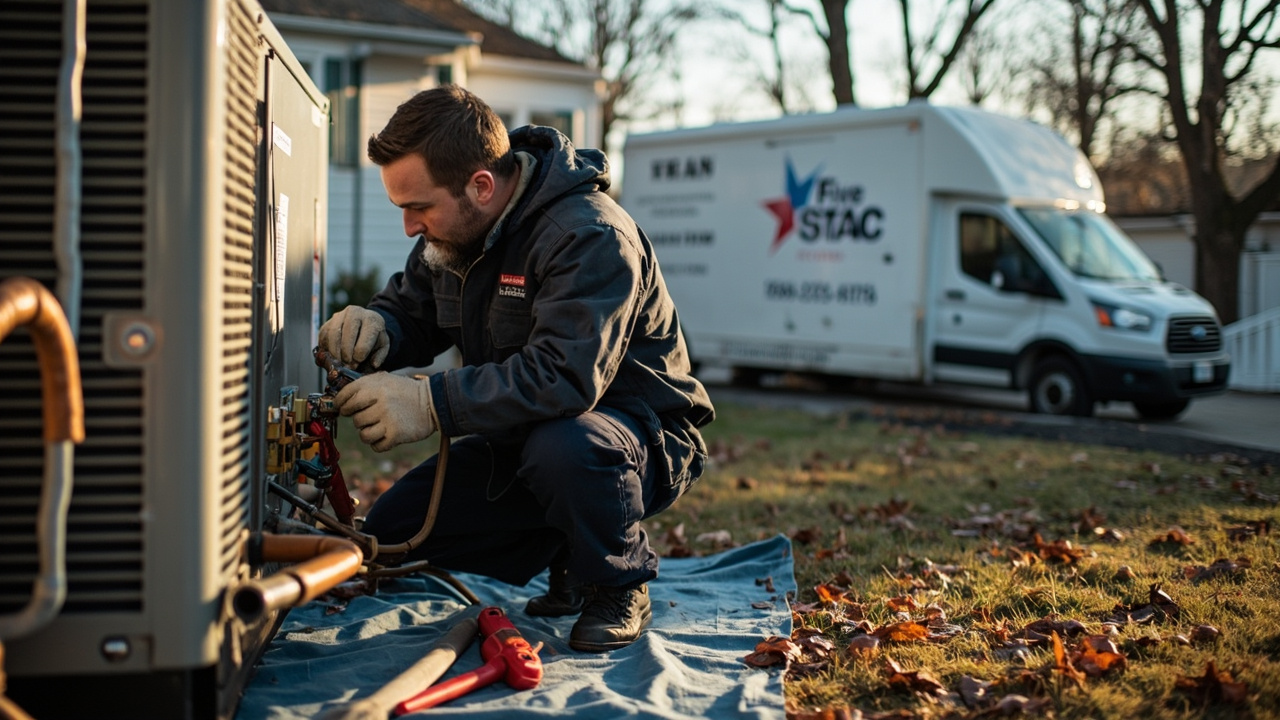
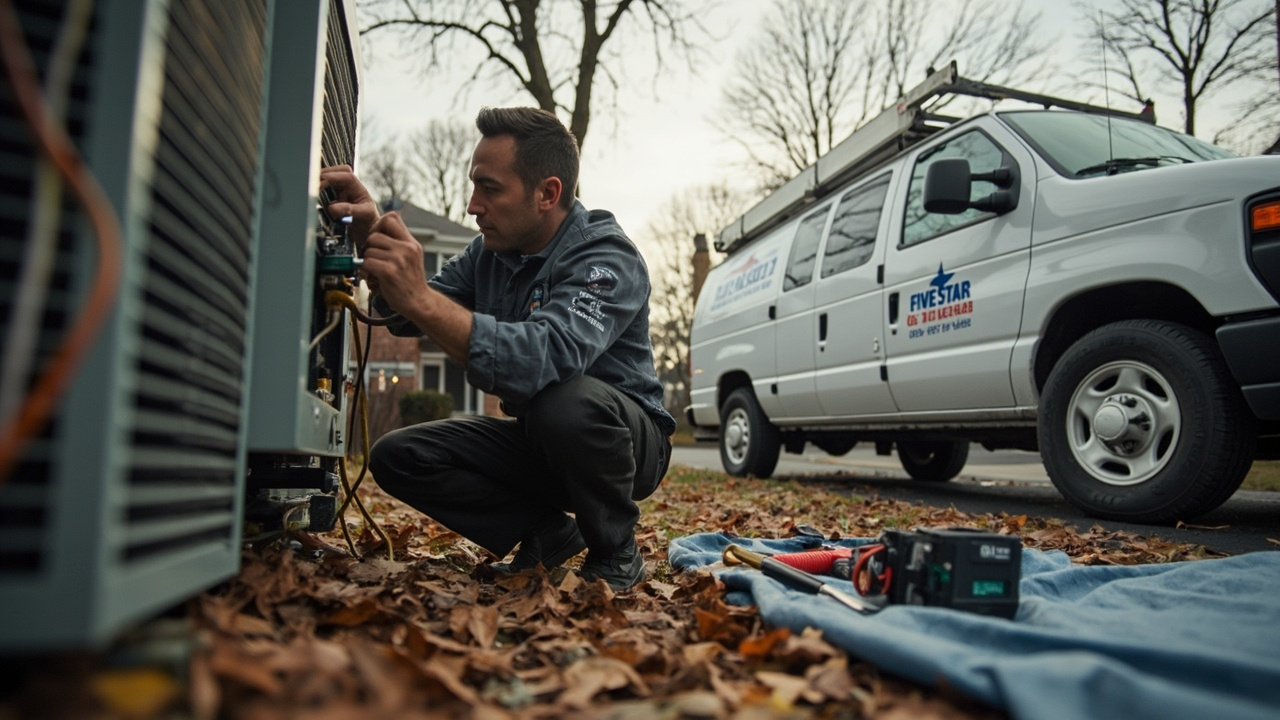
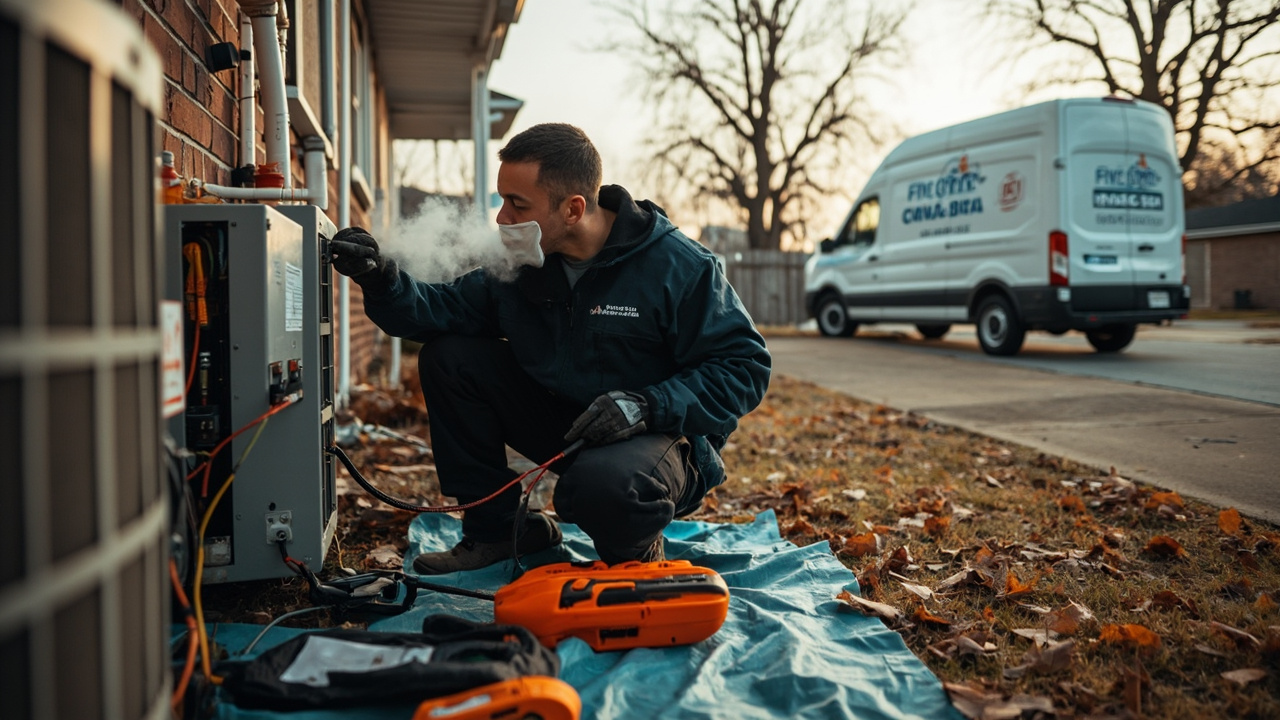
Real winter HVAC preparation goes beyond what any homeowner can do with a YouTube video. This is precision work that requires diagnostic tools, technical knowledge, and access to components most people never see.

We start with combustion analysis. Your furnace burns natural gas or propane to create heat. If the air-to-fuel ratio drifts out of spec, you waste money and risk carbon monoxide buildup. We measure flue gas composition, draft pressure, and temperature rise to confirm your furnace burns clean and efficient.

Next comes heat exchanger inspection. This metal chamber transfers heat from combustion gases to your home's air. Cracks in the heat exchanger allow carbon monoxide into your ductwork. We use fiber optic cameras to inspect every panel and seam, looking for stress fractures that develop after years of thermal expansion and contraction.

Blower motor maintenance prevents mid-winter failures. We check amp draw, lubricate bearings, inspect capacitors, and test the motor under load. A failing capacitor makes your blower struggle, reducing airflow and forcing your furnace to cycle on and off repeatedly.

Condensate line winterization matters more in Cincinnati than most places. High humidity means your furnace produces significant condensate even in heating mode. We flush the drain line, check the trap, and confirm proper drainage. A frozen condensate line shuts down your entire system through a safety switch.

Thermostat calibration ensures accurate temperature control. If your thermostat reads 68 but your house sits at 64, your furnace short cycles and wears out faster. We verify temperature accuracy, check wiring connections, and test all heating modes including emergency heat on dual-fuel systems.

How We Winterize Your System

Winterizing Your HVAC System in Cincinnati | Protect Your Heating Before the First Freeze Hits
01

Complete System Assessment

We test your heating system under actual operating conditions, measuring temperature rise, airflow velocity, and static pressure. This reveals issues like undersized ductwork, restricted filters, or weak blower motors that would cause problems once cold weather arrives. We check gas pressure at the manifold and valve, inspect electrical connections for corrosion, and verify proper venting and combustion air supply.
02

Critical Component Service

We clean the flame sensor, burner assembly, and blower wheel. These components collect dust, pet hair, and debris that block airflow and prevent ignition. We test the pressure switch, limit switch, and rollout switch to confirm all safety controls work properly. For heat pumps, we check refrigerant charge, inspect the reversing valve, and test defrost cycle operation before freezing temperatures arrive.
03

System Optimization and Documentation

We adjust airflow for proper temperature rise, calibrate your thermostat, and program setback schedules if you want them. You receive a detailed report showing system performance metrics, components that need monitoring, and expected service intervals. We flag any issues that need attention now versus parts that will last another season. This documentation helps you plan maintenance spending instead of facing surprise repair bills.

Why Cincinnati Homeowners Trust Local HVAC Winter Maintenance

Cincinnati winters demand local expertise. National chains and big franchise operations send technicians who learned their trade in temperate climates. They do not understand how Ohio River Valley humidity affects condensate production. They do not recognize the signs of thermal stress common in systems that swing between cooling and heating multiple times each fall.

Five Star HVAC Cincinnati has winterized thousands of heating systems across Hamilton County, Butler County, and Northern Kentucky. We know which furnace brands perform best in this climate. We understand which components fail first in Cincinnati homes. We have seen what happens when systems were not properly maintained.

Our technicians carry diagnostic equipment that most companies skip to save money. Combustion analyzers, manometers for measuring gas and air pressure, amp meters for testing motors, and fiber optic cameras for heat exchanger inspection. These tools catch problems before they become emergencies.

We also understand Cincinnati building codes and local utility requirements. Duke Energy and Cincinnati Gas and Electric have specific guidelines for HVAC installations and modifications. When we find issues during winter preparation, any repairs we recommend meet current code requirements. That matters if you ever sell your home or file an insurance claim.

Local knowledge extends to supply chains. When your furnace needs parts in January, we have relationships with Cincinnati distributors who stock components for the brands common in this area. National companies order parts from regional warehouses, adding days to your repair timeline. We get parts same-day or next-day for most equipment.

You also get consistent service. The technician who winterizes your system in October can service it in January if needed. They already know your equipment history, your home's layout, and any quirks in your system. That familiarity speeds diagnosis and prevents misdiagnosis.

What to Expect from Our Winter HVAC Preparation Service

Service Timing and Duration

A thorough heating system winterization takes 90 to 120 minutes depending on your equipment type and system complexity. We schedule appointments in October and November before cold weather hits, giving you flexible scheduling options and same-week availability. Early preparation means you avoid the December rush when everyone else realizes their furnace does not work. We arrive in a marked vehicle, call before we head to your home, and work efficiently to minimize disruption to your day.

Comprehensive System Evaluation

Our technicians inspect and test every component that affects heating performance and safety. You receive real-time updates as we work, including photos of any issues we discover. We explain findings in plain language, not technical jargon designed to confuse you. If we find problems, we provide clear options with transparent information about urgency and cost factors. You decide what gets fixed now versus what can wait. We never push unnecessary repairs or use scare tactics to generate service calls.

Optimized Heating Performance

When we finish winterizing your system, your furnace or heat pump operates at peak efficiency. You get faster warmup times, more consistent temperatures throughout your home, and lower utility bills compared to running a dirty, misadjusted system. We verify proper airflow to every room, eliminate cold spots caused by duct leaks or blocked vents, and confirm your thermostat accurately reflects actual room temperature. Your system runs quieter because we have lubricated motors, tightened panels, and eliminated vibration sources.

Ongoing Support and Planning

You receive a detailed service report documenting system condition, performance measurements, and maintenance recommendations. We note components showing wear and estimate remaining service life, helping you budget for future repairs or replacement. If issues arise during winter, we prioritize service calls for customers who completed fall maintenance. Our maintenance tracking system monitors your equipment history, alerting us when your next service comes due. You can opt into our maintenance plan for scheduled twice-yearly service, priority emergency response, and discounts on repairs.

Frequently Asked Questions

You Have Questions,
We Have Answers

How do you winterize your HVAC system? +

Start by scheduling a professional inspection before temperatures drop. A technician will clean or replace your air filter, check the furnace heat exchanger for cracks, test the thermostat calibration, and inspect ductwork for leaks. Clean debris from around your outdoor unit and ensure vents inside your home are unblocked. Test your heating system early to catch issues before the first freeze. In Cincinnati, where winter humidity can stress systems, checking the condensate drain line prevents freeze-ups. Replace batteries in your carbon monoxide detector and thermostat. This proactive approach prevents mid-winter breakdowns when repair demand peaks.

How to prepare your HVAC system for winter? +

Replace your air filter first, then schedule a tune-up with a qualified technician. They will inspect the ignition system, lubricate moving parts, check electrical connections, and test safety controls. Clean your outdoor condenser unit by removing leaves and debris. Inside, ensure all supply and return vents remain unobstructed by furniture or curtains. Test your programmable thermostat settings for winter schedules. Cincinnati's freeze-thaw cycles can damage exposed refrigerant lines, so inspect insulation on exterior piping. Seal any air leaks around windows and doors to reduce heating load. These steps improve efficiency and reliability throughout the heating season.

How to keep a HVAC unit from freezing in winter? +

Maintain airflow across the indoor coil by changing filters monthly during heavy use. Keep supply vents open and unblocked in all rooms, even unused ones. Restricted airflow drops coil temperature below freezing. If you have a heat pump, clear snow and ice from the outdoor unit immediately and never let ice build up on the coils. Ensure your condensate drain line has proper insulation in unheated spaces. In Cincinnati's cold snaps, running your system in emergency heat mode during extreme cold prevents outdoor coil freeze-ups. Low refrigerant levels also cause freezing and require professional repair before winter starts.

Should HVAC be covered in winter? +

Never cover your outdoor HVAC unit during winter. Modern heat pumps and air conditioners need airflow year-round for defrost cycles and component ventilation. Covers trap moisture, which promotes rust and provides shelter for rodents that chew wiring. In Cincinnati, where winter temperatures fluctuate, your heat pump runs frequently and needs unrestricted airflow. The unit is designed to withstand snow, ice, and rain. Only remove heavy snow accumulation that blocks airflow or weighs down the fan. If you have a straight air conditioning unit that remains off all winter, you can cover just the top to prevent debris buildup, but leave sides open.

What is the $5000 rule for HVAC? +

The $5000 rule is an HVAC replacement guideline. Multiply the repair cost by your system's age in years. If the result exceeds $5000, replacement often makes better financial sense than repair. For example, a $400 repair on a 10-year-old furnace equals $4000, suggesting repair. A $600 repair on a 15-year-old system equals $9000, suggesting replacement. This rule considers that older systems need more frequent repairs and run less efficiently. In Cincinnati, where humidity and temperature swings stress equipment, systems older than 15 years often justify replacement when facing major repairs. Factor in energy savings and reliability when deciding.

What is the 3 minute rule for AC? +

The 3-minute rule protects your compressor from damage. After shutting off your air conditioner or heat pump, wait at least three minutes before restarting it. This delay allows refrigerant pressure to equalize between the high and low sides of the system. Starting the compressor against unequalized pressure strains the motor and can cause premature failure. Most modern thermostats have built-in delay timers that enforce this rule automatically. If you manually turn your system on and off at the breaker or disconnect switch, respect the three-minute wait. This simple precaution extends compressor life and prevents expensive repairs.

What is the 2 foot rule for HVAC? +

The 2-foot rule requires maintaining two feet of clearance around your outdoor HVAC unit on all sides. This spacing ensures proper airflow for heat exchange and allows service access. Remove plants, stored items, lawn equipment, and debris from this zone. In Cincinnati yards, fall leaves and snow drifts commonly block units and reduce efficiency. Trim back shrubs and vegetation before winter. The top of the unit also needs clearance for vertical airflow and fan operation. Never stack firewood, store trash cans, or place grills near your condenser. Adequate clearance prevents overheating, improves performance, and extends equipment life.

What are the 5 P's for cold weather? +

The 5 P's for cold weather are Proper Planning Prevents Poor Performance. This saying applies to winterizing your HVAC system by emphasizing advance preparation. Schedule maintenance in fall before the heating rush. Stock furnace filters before stores sell out. Test your system in October, not during the first December freeze. Keep emergency contact information accessible. In Cincinnati, where winter arrives suddenly after mild fall weather, homeowners who plan ahead avoid emergency service premiums and uncomfortable wait times. The 5 P's remind you that prevention costs less than emergency repairs and keeps your family comfortable when temperatures drop.

How do the Amish keep warm in the winter? +

The Amish heat their homes primarily with wood-burning stoves and passive solar design. They build well-insulated homes with strategic window placement for solar gain. Many use propane heaters for supplemental warmth, and some communities allow diesel-fueled furnaces. Heavy quilts, layered clothing, and shared body heat in smaller living spaces reduce heating needs. This question seems unrelated to modern HVAC winterization, but the principle applies: proper insulation reduces heating demand. Cincinnati homeowners can learn from this approach by improving attic insulation, sealing air leaks, and using programmable thermostats to lower temperatures when away or sleeping, reducing strain on HVAC systems.

Should I set my heat pump to auto in winter? +

Set your heat pump to auto in winter for balanced comfort and efficiency. Auto mode allows the system to switch between heating and cooling as temperatures fluctuate, which happens frequently in Cincinnati's variable winter climate. The system uses the outdoor unit until temperatures drop below the balance point, usually around 35 degrees, then switches to auxiliary heat. Avoid using emergency heat mode unless the heat pump fails, as it costs more to operate. Program your thermostat for lower temperatures when sleeping or away. Auto mode handles Cincinnati's unpredictable winter days when afternoon temperatures can swing 30 degrees from morning lows.

How Cincinnati's Ohio River Valley Humidity Affects Winter Heating Systems

The Ohio River Valley traps moisture, giving Cincinnati higher humidity levels than most Midwest cities at the same latitude. This moisture does not disappear in winter. Your furnace produces condensate year-round, but cold weather makes drainage problems worse. When temperatures drop below freezing, condensate lines freeze solid, triggering safety switches that shut down your entire heating system. Preparing your HVAC for winter means flushing these drain lines, insulating exposed sections, and confirming proper trap installation. Systems that worked fine last winter fail this year because condensate buildup corroded pipes and fittings during humid summer months.

Cincinnati building codes require specific venting standards for high-efficiency furnaces, especially in homes built before 2000. Many older homes have been retrofitted with modern furnaces but kept original venting, creating code violations and safety hazards. Five Star HVAC Cincinnati knows Hamilton County and Butler County inspection requirements. We identify non-compliant installations during winter maintenance checks and explain your options for bringing systems up to code. Local expertise matters because Cincinnati has specific requirements for combustion air supply, flue termination clearances, and condensate disposal that differ from statewide Ohio codes.

HVAC Services in The Cincinnati Area

Five Star HVAC proudly serves all homes and businesses in the greater Cincinnati area. Our skilled team is ready to respond to your service requests, whether you're in the city center or the surrounding suburbs. Use the map to explore our service area and see how close we are to you. We're committed to providing prompt and dependable service, no matter where you are within our coverage zone.

Address:
Five Star HVAC Cincinnati, 4024 Hamilton Ave, Cincinnati, OH, 45223

Additional Services We Offer

Our news updates

Latest Articles & News from The Blogs

How Close Can You Plant Flowers and Shrubs to Your AC Unit in Batavia? Planting too close to your outdoor…

How Close Can You Plant Flowers and Shrubs to Your AC Unit in Batavia?

How Close Can You Plant Flowers and Shrubs to Your AC Unit in Batavia? Planting too close to your outdoor…

Where to Place Your Thermostat in a Mt. Washington House for the Most Accurate Readings

Where to Place Your Thermostat in a Mt. Washington House for the Most Accurate Readings Your thermostat location affects your…

Why Your Furnace Keeps Turning On and Off Every Few Minutes in Westwood

Why Your Furnace Keeps Turning On and Off Every Few Minutes in Westwood If your furnace is turning on and…

Contact Us

Do not wait until the first freeze to discover your furnace does not work. Call Five Star HVAC Cincinnati at (513) 717-5155 to schedule professional winter HVAC preparation. We have appointments available now and will get your system ready before temperatures drop.