
Menu

Zone Control Systems in Cincinnati – Precision Climate Control for Every Room in Your Home

Five Star HVAC Cincinnati installs custom multi-zone HVAC systems that eliminate hot and cold spots, reduce energy waste, and give you independent temperature control in every area of your home.

Slider Image 1
Slider Image 2
Slider Image 3
Slider Image 4
Slider Image 5
Slider Image 7
Slider Image 8
Slider Image 9
Slider Image 10
Slider Image 11

Why Cincinnati Homes Struggle With Uneven Temperatures

Walk into your living room and it feels like an icebox. Head upstairs to the bedroom and you are sweating. This temperature imbalance frustrates homeowners across Cincinnati every single day.

The problem stems from how traditional forced air systems work. One thermostat controls the entire house. Your HVAC unit runs until that single location reaches the set temperature, then shuts off. Meanwhile, rooms with more windows, higher ceilings, or southern exposure never reach comfort. Rooms in the basement stay cold. Second-floor bedrooms in Oakley and Hyde Park bungalows trap heat during summer. Split-level homes in Anderson Township create temperature stratification that no amount of thermostat adjustment can fix.

Cincinnati's humid summers and cold winters make this worse. When outdoor temperatures swing from 15 degrees in January to 95 degrees in July, your single-zone system works overtime trying to maintain one temperature for spaces that heat and cool at different rates. You waste energy conditioning rooms you are not using. You close vents trying to redirect airflow, which actually increases pressure in your ductwork and reduces system efficiency.

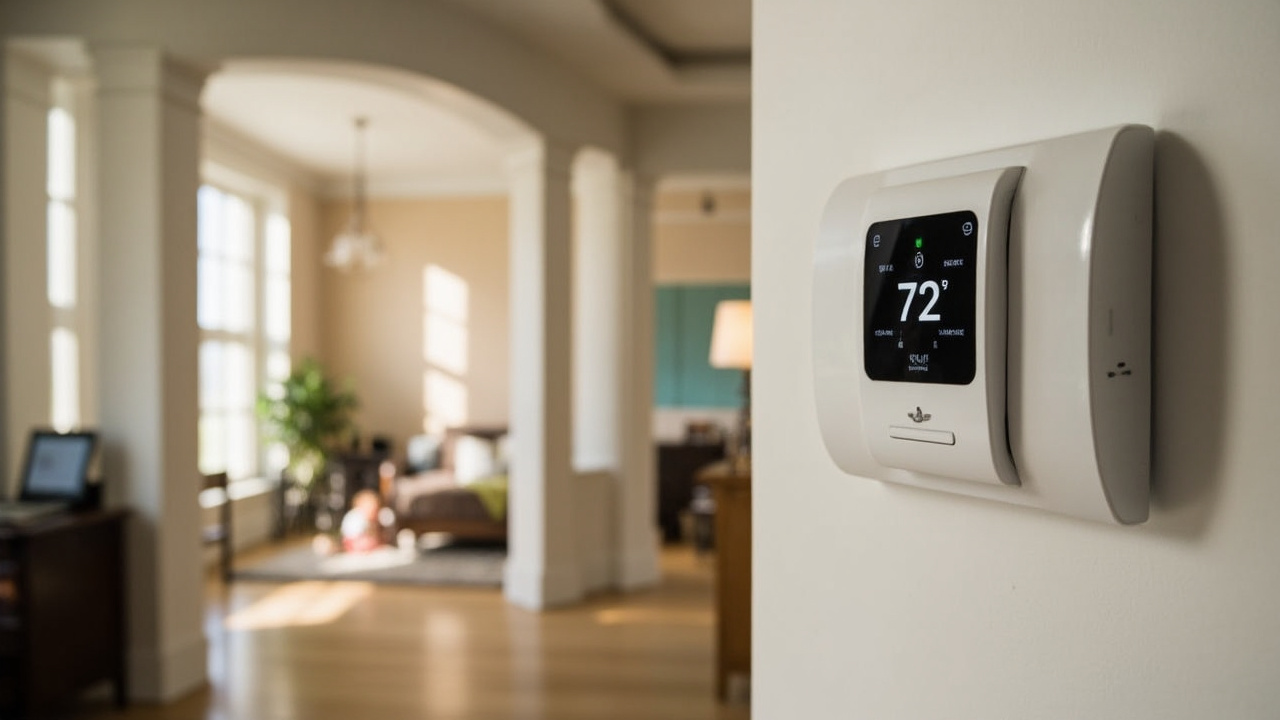
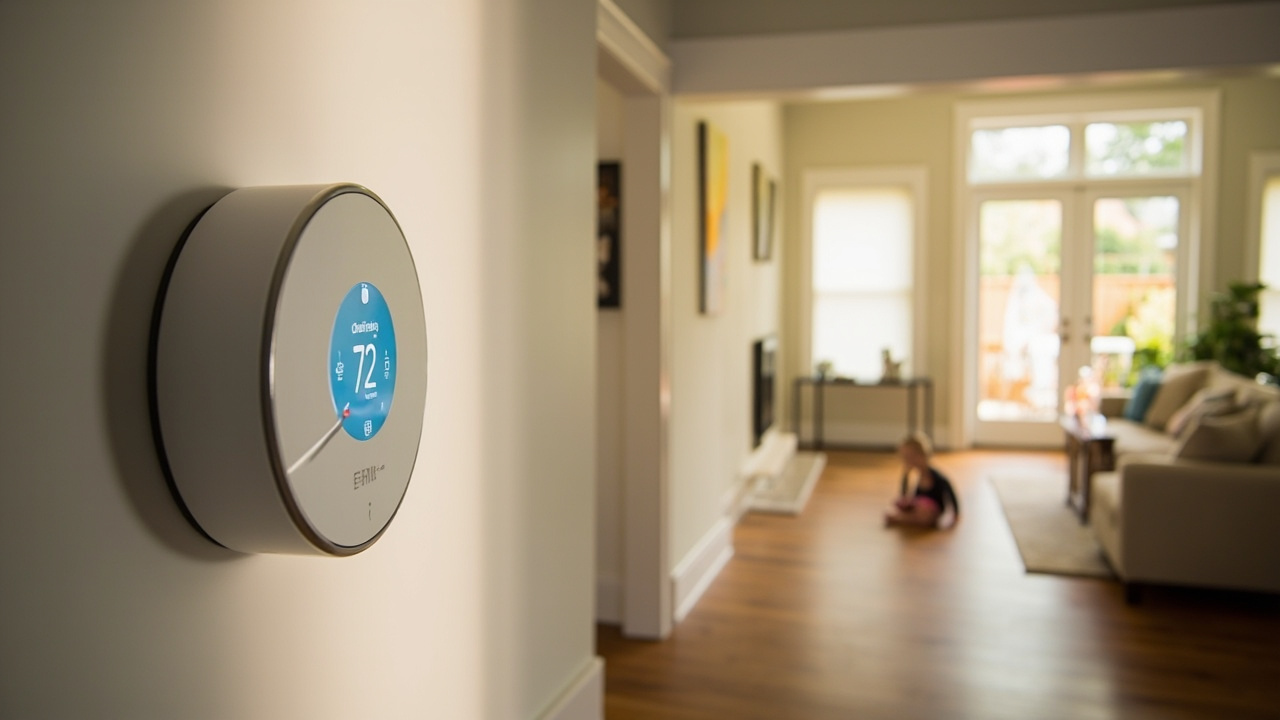
HVAC zoning systems solve this. A properly designed zone control system divides your home into separate areas, each with its own thermostat and motorized dampers in the ductwork. You set different temperatures for different zones. The system delivers conditioned air only where you need it. This is not a luxury add-on. For homes with multiple stories, finished basements, or large square footage, zoned heating and cooling is the only way to achieve consistent comfort without overpaying your utility bill.

Why Cincinnati Homes Struggle With Uneven Temperatures
How Multi-Zone HVAC Systems Actually Work

How Multi-Zone HVAC Systems Actually Work

A zone control system uses motorized dampers installed inside your existing ductwork. Each damper opens or closes based on signals from individual zone thermostats. When a zone calls for heating or cooling, the damper opens and allows airflow. When the zone reaches temperature, the damper closes.

The system controller communicates with your HVAC equipment and coordinates damper positions. If only one zone needs cooling, the system modulates blower speed and refrigerant flow to match the reduced load. This prevents short cycling and maintains efficiency. Advanced controllers adjust fan speed dynamically to maintain proper static pressure in the duct system. Without this pressure management, closed dampers would cause the blower motor to work against resistance, reducing airflow and potentially damaging the equipment.

Central air zoning requires careful load calculation. You cannot just install dampers and hope for the best. We measure the heating and cooling load for each proposed zone. We calculate the square footage, window area, insulation levels, and sun exposure. We verify your existing ductwork has adequate trunk line capacity to handle zone-specific airflow. If your ducts are undersized or improperly designed, we identify those issues before installation.

We install bypass dampers when needed. These dampers open automatically when too many zones close at once, preventing pressure buildup. We add zone sensors that monitor temperature and humidity in each area. For homes with variable-speed air handlers, we program the controller to match blower output to the actual demand. This maximizes efficiency and extends equipment life.

The result is a system that delivers the right amount of conditioned air to the right place at the right time. You stop paying to heat or cool empty rooms. You eliminate the temperature battles between family members. You gain control.

What Happens During Your Zone Control Installation

Zone Control Systems in Cincinnati – Precision Climate Control for Every Room in Your Home
01

Zone Design and Assessment

We walk through your home and identify natural zones based on usage patterns, architecture, and thermal characteristics. We test airflow at each register using a flow hood. We inspect your existing ductwork for leaks, restrictions, and sizing issues. We calculate the heating and cooling load for each proposed zone and verify your current HVAC equipment can handle zone control operation. This assessment determines damper placement, controller type, and whether your system needs modifications before zoning.
02

Damper and Control Installation

We install motorized dampers in your duct runs at strategic points that control airflow to each zone. We mount the zone controller near your HVAC equipment and wire it to communicate with the air handler, dampers, and thermostats. We install a thermostat in each zone at locations that provide accurate temperature readings away from windows, doors, and heat sources. We add bypass dampers or pressure relief systems to protect your equipment. All electrical work is done to code with proper wire sizing and circuit protection.
03

System Calibration and Testing

We program the zone controller with your specific system parameters. We test each zone independently to verify dampers open and close correctly. We measure airflow at registers to confirm proper distribution. We cycle through different zone combinations to verify the system maintains appropriate static pressure. We walk you through thermostat operation and explain how to set schedules for each zone. We document baseline performance and provide recommendations for optimizing comfort and efficiency in your specific home layout.

Why Cincinnati Homeowners Trust Five Star HVAC for Zoned Systems

Installing a zone control system is not a universal process. The design must match your home's specific layout, your existing HVAC equipment, and how you actually use your space. We have installed zoned heating and cooling in every style of home common to Cincinnati, from Queen Anne Victorians in Clifton to modern builds in Mason.

We understand how Cincinnati's architecture affects zoning design. Older homes in neighborhoods like Mount Adams and Columbia-Tusculum have radiator systems converted to forced air with ductwork retrofitted into tight spaces. These installations require creative damper placement and careful attention to airflow balance. Split-level homes common in Blue Ash and Montgomery need three or four zones to handle the temperature stratification between levels. Ranch homes with finished basements need separate zone control to prevent the basement from staying cold while the main floor overheats.

We also understand local code requirements. Hamilton County and surrounding jurisdictions have specific rules about electrical work, duct sealing, and system modifications. We pull permits when required and ensure all work passes inspection. This protects you if you sell your home and ensures your homeowners insurance remains valid.

Most HVAC companies in Cincinnati install single-zone systems. They understand basic heating and cooling but lack experience with the load calculations, damper sizing, and controller programming that zoning requires. We have invested in training and diagnostic equipment specifically for multi-zone installations. We use manometers to measure static pressure. We use thermal imaging to identify duct leaks. We calculate zone loads using Manual J procedures, not guesswork.

You want a system that works correctly the first time. Improper zoning creates more problems than it solves. Call us, and you work with technicians who understand the engineering behind comfort control.

What You Can Expect From Your Zone Control Project

Installation Timeline and Disruption

Most zone control installations take one to two days depending on the number of zones and complexity of your ductwork. We typically complete the work in a single visit if your ducts are accessible. Homes with finished ceilings or complex layouts may require a second day. We schedule installations to minimize disruption to your routine. You can remain in your home during the work, though you will lose heating or cooling while we tie into your air handler. We protect your floors and work areas with drop cloths. We clean up completely before we leave. You have functional climate control by the end of each work day.

Pre-Installation Evaluation and Planning

Before installation day, we conduct a thorough assessment of your HVAC system and home layout. We identify the optimal number of zones based on how you use your space. We inspect your air handler and ductwork to verify compatibility with zone control. If your system has issues that would interfere with zoning, we explain those problems and provide solutions. We discuss thermostat placement and controller options. You receive a detailed proposal that outlines exactly what we will install, where dampers will be located, and how the system will operate. You understand the project scope before we start work.

Performance and Energy Savings

A properly designed zone control system eliminates hot and cold spots in your home. Each zone maintains the temperature you set without affecting other areas. You stop overcooling the basement to make the second floor comfortable. You stop running your system constantly trying to balance temperatures manually. Most homeowners see a reduction in energy consumption because they only condition spaces they actively use. You can set unused zones to wider temperature ranges or turn them off completely. The system responds faster to temperature changes because it heats or cools smaller areas rather than your entire home at once.

System Maintenance and Adjustments

Zone control systems require minimal maintenance beyond your normal HVAC service. Dampers are mechanical devices that occasionally need lubrication or adjustment. We check damper operation during annual tune-ups. We verify the zone controller is functioning correctly and update programming if your comfort needs change. If you add insulation, replace windows, or make other home improvements that affect heating and cooling loads, we can adjust zone parameters to match. The thermostats use standard batteries that you replace as needed. We provide documentation of your system layout and controller settings for future reference.

Frequently Asked Questions

You Have Questions,
We Have Answers

What is a zone control system? +

A zone control system divides your home into separate areas, each with its own thermostat. Motorized dampers inside your ductwork open and close to direct airflow where needed. You control the temperature in each zone independently. This means your upstairs bedrooms can stay cooler at night while your main floor stays warmer. In Cincinnati homes, this solves the common problem of uneven heating and cooling caused by multi-story layouts and varying sun exposure. The system works with your existing HVAC equipment and a central control panel that manages all zones.

What are the three primary types of zoning systems? +

The three primary types are damper-based systems, multi-split systems, and ductless mini-splits. Damper-based systems use motorized dampers in existing ductwork to control airflow to different zones. Multi-split systems connect multiple indoor units to one outdoor unit, each serving a different zone. Ductless mini-splits mount individual air handlers in each zone without ductwork. For Cincinnati homes with existing duct systems, damper-based zoning offers the most cost-effective solution. Ductless systems work well for additions or older homes in neighborhoods like Hyde Park where adding ductwork is difficult.

How much does a zone control system cost? +

Zone control system costs depend on your home size, number of zones, and existing HVAC setup. A basic two-zone damper system starts lower than multi-zone configurations with four or more zones. Ductless mini-split systems cost more per zone than damper-based systems. Cincinnati homes with existing ductwork see lower installation costs. Factors affecting price include the number of thermostats, damper quality, control panel features, and labor for running wiring. Your return on investment comes from energy savings and comfort improvements, particularly in multi-story homes common throughout the Cincinnati area.

What is the best HVAC system for zoning? +

Variable-speed heat pumps and furnaces work best with zoning because they adjust output to match demand. These systems ramp up or down smoothly as zones call for heating or cooling. Single-stage systems work with zoning but cycle on and off more frequently, reducing efficiency. For Cincinnati's climate with hot, humid summers and cold winters, a variable-speed heat pump with backup heat gives you the flexibility to manage different zones effectively. The system maintains consistent comfort without the temperature swings you get from older single-stage equipment running full blast every time.

What is the $5000 rule for HVAC? +

The $5000 rule suggests replacing your HVAC system if repair costs plus equipment age exceed $5000. You multiply the repair estimate by your system's age in years. If the total exceeds $5000, replacement makes more financial sense than repair. This rule helps Cincinnati homeowners decide when aging equipment costs more to maintain than replace. When facing this decision, adding zone control to a new system installation costs less than retrofitting later. Consider zoning during replacement if you have comfort issues in different areas of your home or want better energy control.

What is the purpose of the zone control system? +

Zone control systems deliver conditioned air only where you need it, when you need it. This eliminates wasted energy heating or cooling empty rooms. You set different temperatures for sleeping areas, living spaces, and unused rooms. In Cincinnati homes, this solves comfort problems caused by sun exposure differences, multiple stories, and room usage patterns. The system reduces energy waste by up to 30 percent compared to single-thermostat systems. You gain precise comfort control while lowering utility bills. Zone control also extends HVAC equipment life by reducing runtime and preventing unnecessary cycling.

How Cincinnati's Climate Swings Make Zoned HVAC Essential for Comfort

Cincinnati experiences temperature extremes that stress single-zone systems. Summer humidity levels regularly exceed 70 percent, making upper floors feel oppressive while basements stay cool and damp. Winter cold penetrates poorly insulated attics common in older neighborhoods, creating temperature stratification that no amount of thermostat adjustment can fix. The Ohio River Valley traps heat and moisture, causing multi-story homes to develop microclimates between floors. Forced air zoning allows you to address these conditions independently. You can dehumidify and cool upper levels during summer without overcooling lower levels. You can heat poorly insulated spaces in winter without overheating well-insulated areas. This adaptability is critical in a climate where morning lows and afternoon highs can swing 30 degrees.

Five Star HVAC Cincinnati has installed multi-zone HVAC systems throughout Hamilton County, Warren County, Butler County, and Clermont County. We understand the construction methods used in Cincinnati homes built from the 1880s through today. We work with local building officials and follow jurisdiction-specific codes for duct modifications and electrical work. When you choose a local contractor for zone control installation, you work with technicians who have solved the same comfort problems in homes just like yours. We know which systems work in Cincinnati architecture and which create problems. That experience protects your investment and ensures your zoned system delivers the comfort you paid for.

HVAC Services in The Cincinnati Area

Five Star HVAC proudly serves all homes and businesses in the greater Cincinnati area. Our skilled team is ready to respond to your service requests, whether you're in the city center or the surrounding suburbs. Use the map to explore our service area and see how close we are to you. We're committed to providing prompt and dependable service, no matter where you are within our coverage zone.

Address:
Five Star HVAC Cincinnati, 4024 Hamilton Ave, Cincinnati, OH, 45223

Additional Services We Offer

Our news updates

Latest Articles & News from The Blogs

How Close Can You Plant Flowers and Shrubs to Your AC Unit in Batavia? Planting too close to your outdoor…

How Close Can You Plant Flowers and Shrubs to Your AC Unit in Batavia?

How Close Can You Plant Flowers and Shrubs to Your AC Unit in Batavia? Planting too close to your outdoor…

Where to Place Your Thermostat in a Mt. Washington House for the Most Accurate Readings

Where to Place Your Thermostat in a Mt. Washington House for the Most Accurate Readings Your thermostat location affects your…

Why Your Furnace Keeps Turning On and Off Every Few Minutes in Westwood

Why Your Furnace Keeps Turning On and Off Every Few Minutes in Westwood If your furnace is turning on and…

Contact Us

Stop fighting with your thermostat. Call Five Star HVAC Cincinnati at (513) 717-5155 today. We will evaluate your home and design a zone control system that eliminates hot and cold spots for good. You deserve comfort in every room.