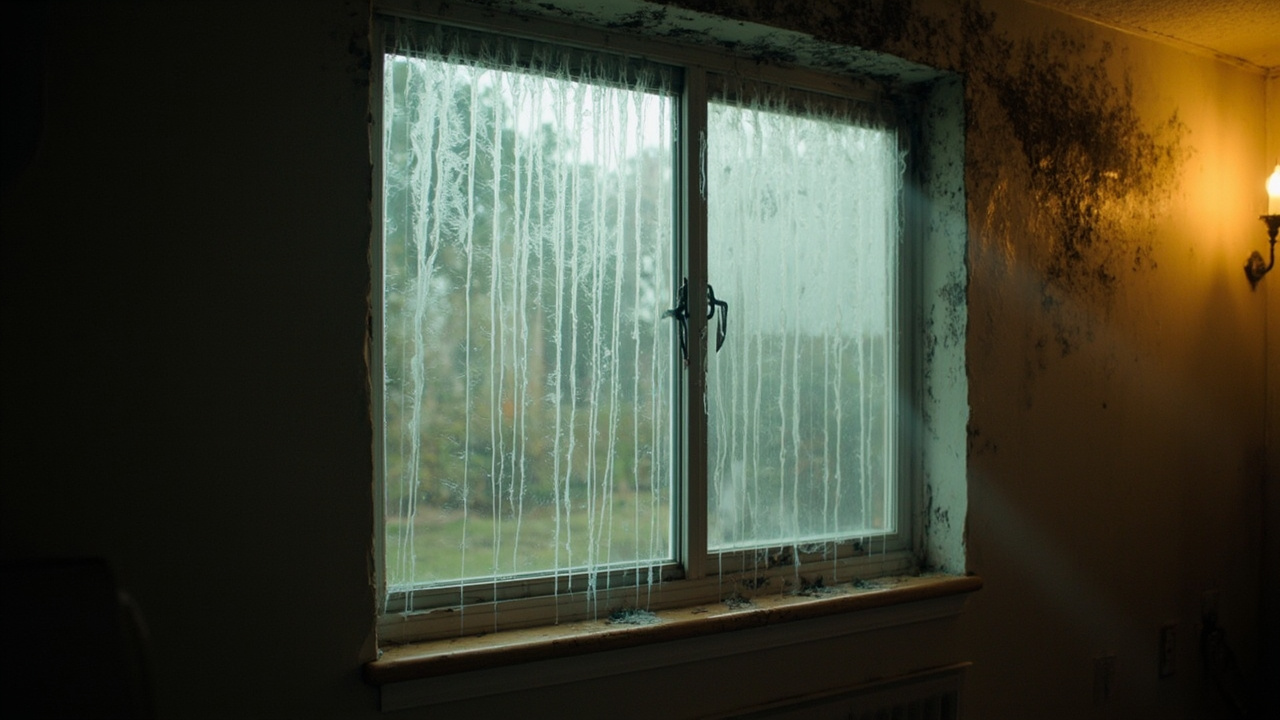

The Ohio River Valley creates a humid microclimate that affects Cincinnati differently than surrounding regions. Warm, moist air from the Gulf of Mexico settles in the valley and stagnates during summer months. Morning fog and evening dew point temperatures above 70 degrees are common from June through September. This sustained high outdoor humidity overwhelms residential HVAC systems designed for standard load calculations. Basements dug into clay soils absorb ground moisture year-round, creating constant vapor pressure against foundation walls. Without professional moisture barriers and mechanical dehumidification, Cincinnati homes cannot maintain healthy indoor humidity levels through ventilation alone.
Cincinnati's housing stock includes thousands of homes built before 1980, when building codes required minimal moisture protection. These properties need retrofitted solutions that account for existing construction limitations. We work extensively throughout Price Hill, Columbia-Tusculum, and East Walnut Hills, where older homes face the most severe moisture challenges. Our familiarity with local architecture, foundation types, and construction methods ensures we recommend solutions that work within your home's constraints. We understand Cincinnati's seasonal patterns and size equipment for peak summer humidity loads rather than average conditions that leave you uncomfortable during the worst months.