
Replacing your air conditioner in a Downtown Cincinnati condo sounds simple until you discover your Homeowners Association has strict rules about everything from noise levels to exterior appearance. The process can feel overwhelming, especially when you’re trying to stay cool during a humid Ohio summer. This guide breaks down exactly what you need to know about HOA approval processes, local regulations, and how to avoid costly mistakes when upgrading your HVAC system. Cincinnati Department of Buildings and Inspections.
Understanding Your HOA’s Authority Over HVAC Systems
Your HOA governs exterior modifications through Covenants, Conditions, and Restrictions (CC&Rs). These documents specifically address air conditioning units because they impact building aesthetics, noise levels, and property values. Most Downtown Cincinnati HOAs require written approval before any exterior work begins, and violations can result in fines or forced removal of unapproved equipment.
The approval process typically involves submitting detailed plans to your Architectural Review Committee (ARC). This committee evaluates how your proposed AC unit affects the building’s appearance and whether it meets community standards. Some HOAs in historic districts like Over-the-Rhine have even stricter guidelines to preserve architectural integrity. HVAC Warranty Guide.
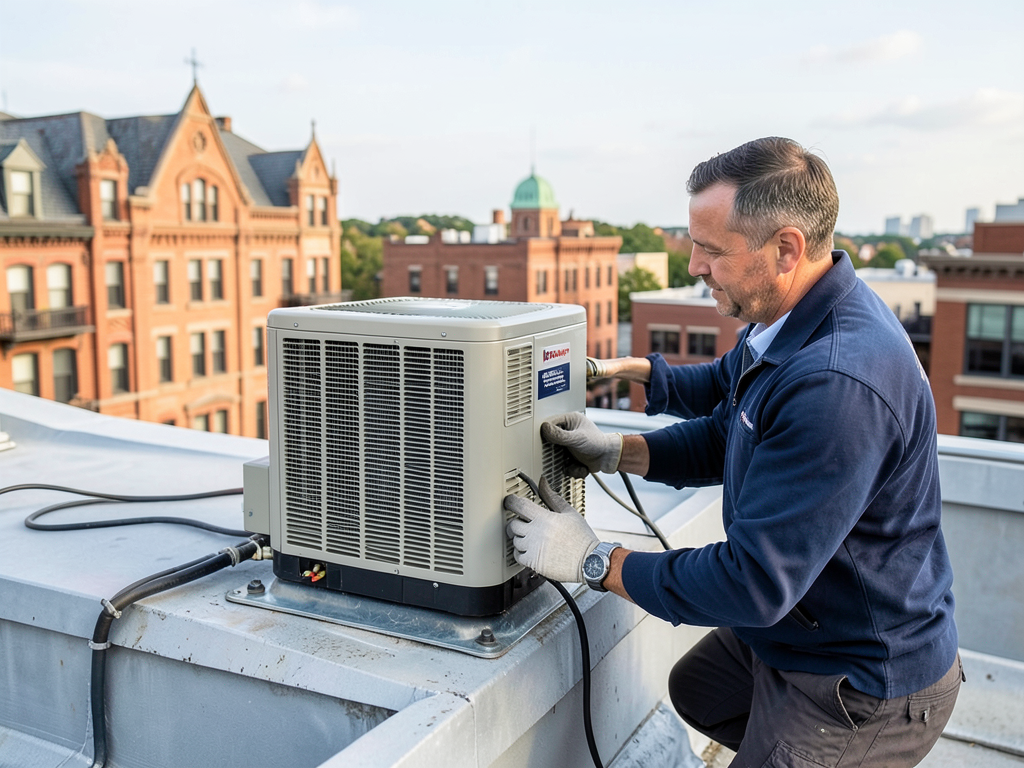
Golden Nugget: Cincinnati Municipal Code Chapter 727 limits exterior equipment noise to 60 decibels during daytime hours. Many Downtown HOAs adopt this standard or set even lower limits for residential units.
Common HOA Requirements for AC Units
HOA rules vary by building, but most Downtown Cincinnati condos share similar requirements. Understanding these upfront saves time and prevents approval delays.
Noise Level Restrictions: Most HOAs require units under 60 dB, with some demanding 55 dB or lower. High-efficiency models from brands like Trane and Carrier offer ultra-quiet operation around 50 dB.
Unit Placement: Condos often restrict placement to specific areas like mechanical closets or designated roof spaces. Side yard installations may be prohibited if visible from public streets.
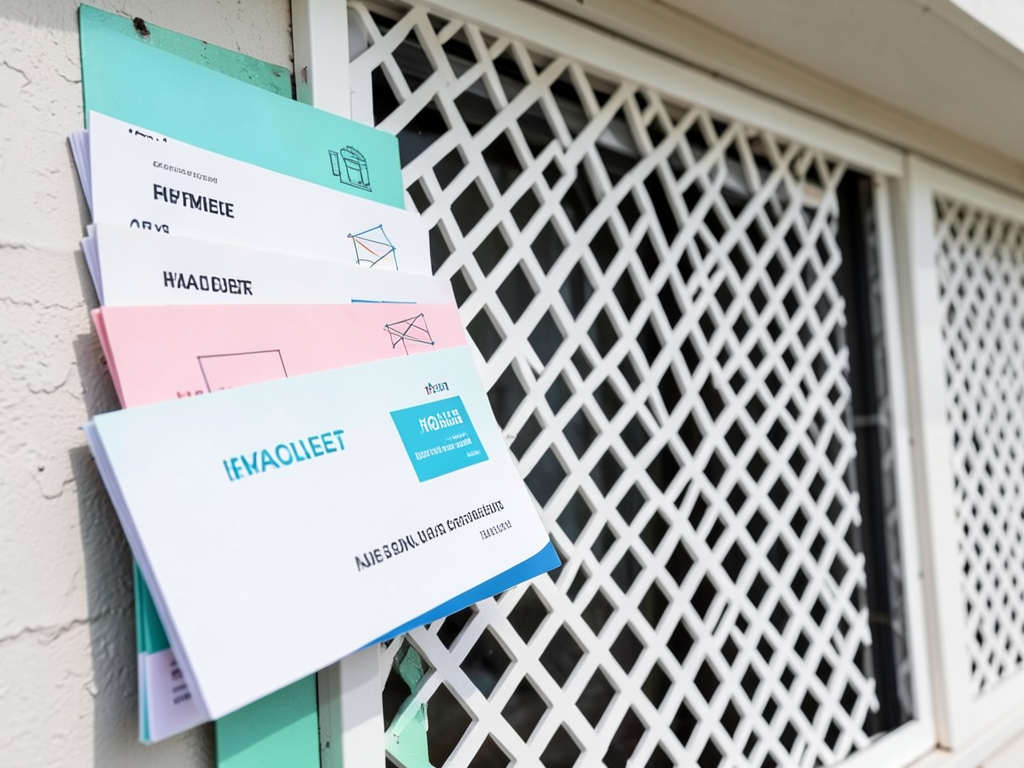
Aesthetic Screening: Many HOAs require lattice screens, decorative fencing, or strategic landscaping to hide outdoor units. Some specify materials that match building exteriors.
Line Set Covers: Exposed refrigerant lines connecting indoor and outdoor units must be concealed with color-matched covers. Popular options include ‘Slimduct’ systems that blend with building siding.
Golden Nugget: Cincinnati’s humid continental climate (humid summers, cold winters) means your AC must handle both high cooling loads and occasional heat pump operation. This affects unit sizing and approval.
The Architectural Review Committee Process
Navigating the ARC approval process requires preparation and patience. Here’s what most Downtown Cincinnati HOAs expect:
- Gather Required Documents
Collect contractor license information, insurance certificates, and detailed equipment specifications including decibel ratings and dimensions.
- Prepare Site Plans
Create drawings showing exact unit placement, screening structures, and how the installation affects common areas or neighboring units.
- Submit Color Samples
Provide paint chips or material samples for any screening structures to ensure they match building exteriors.
- Include Timeline Estimates
Outline installation duration and any planned disruptions to neighbors or common areas.
Most HOAs require 2-4 weeks for review, though some take longer during peak seasons. Rush approvals are rarely granted unless you’re dealing with a complete system failure during extreme weather.
Golden Nugget: Hamilton County Building Code requires permits for AC replacements, and your HOA approval doesn’t substitute for municipal permits. Always check both requirements.
Cincinnati-Specific Considerations
Downtown Cincinnati presents unique challenges for AC installations. The city’s historic districts have additional layers of oversight beyond standard HOA rules.. Read more about Comparing the top HVAC brands for the unique climate of the Ohio Valley.
Historic District Regulations: Buildings in areas like Over-the-Rhine or the Dayton Street Historic District may require approval from the Cincinnati Historic Conservation Office. These reviews focus on maintaining period-appropriate exteriors.
Noise Ordinances: Cincinnati Municipal Code Chapter 727 sets specific decibel limits for mechanical equipment. Daytime limits typically cap at 60 dB, while nighttime restrictions may be lower.
Climate Factors: Cincinnati’s location in the Ohio River Valley creates high humidity levels that stress AC systems. Your HOA may require units with enhanced moisture control features.
Energy Efficiency Requirements: Some newer buildings require minimum SEER2 ratings (Seasonal Energy Efficiency Ratio) to meet green building standards. Current federal minimums are 14 SEER for most systems.
Golden Nugget: Duke Energy offers rebates up to $600 for high-efficiency AC replacements in Cincinnati. Your HOA may require documentation of these energy savings in your approval submission.
Emergency Replacements vs. HOA Timelines
What happens when your AC dies during a 90-degree Cincinnati heat wave and your HOA board won’t meet for 30 days? This scenario creates a difficult choice between comfort and compliance.
Emergency Protocols: Some HOAs have expedited review processes for complete system failures. Document the emergency with repair invoices and photos of the failed unit.
Temporary Solutions: Consider portable AC units or temporary window units while waiting for permanent approval. Some HOAs allow these as stopgap measures.
Post-Installation Approvals: In true emergencies, some HOAs will approve work retroactively if you can demonstrate immediate need and submit all required documentation within 48 hours of installation.
Insurance Considerations: Check whether your homeowner’s insurance covers emergency AC replacement. Some policies include coverage for equipment failures during extreme weather events.
Choosing the Right Contractor for HOA Projects
Not all HVAC contractors understand HOA requirements. Look for companies with specific experience in Downtown Cincinnati condo installations.
Experience Matters: Contractors familiar with local HOAs know typical requirements and can prepare complete submission packages that avoid multiple revision cycles.
Documentation Skills: Your contractor should provide detailed spec sheets, noise level certifications, and installation plans that meet ARC standards.
Permitting Knowledge: Ensure your contractor handles both HOA approvals and municipal permits. Missing either can result in fines or forced removal.
Emergency Response: Ask about emergency protocols and whether they maintain relationships with local HOAs for expedited approvals.
Cost Factors and Timeline Considerations
HOA-compliant AC replacements often cost more than standard installations due to additional requirements and potential delays.
Premium Equipment: Ultra-quiet units meeting HOA noise standards typically cost 15-25% more than standard models.
Screening Structures: Custom lattice or decorative fencing can add $500-$2,000 to your project depending on materials and complexity.
Timeline Delays: Plan for 4-8 weeks total from initial submission to final installation, longer if your HOA meets monthly rather than more frequently.
Permit Processing: Hamilton County permits typically take 1-2 weeks, but can extend during busy seasons or if additional inspections are required.
Frequently Asked Questions
Can I install a window unit without HOA approval?
Most HOAs prohibit window units in exterior-facing windows because they affect building appearance and can cause water damage. Check your CC&Rs for specific restrictions.
What if my HOA denies my AC replacement request?
You can appeal the decision, propose alternative equipment, or request a variance hearing. Some HOAs will approve different models or placement options.
How long do HOA approvals typically take in Cincinnati?
Most Downtown Cincinnati HOAs require 2-4 weeks for initial review, though some take longer. Monthly board meetings can extend timelines to 6-8 weeks total.
Do historic districts have different requirements?
Yes. Buildings in historic districts like Over-the-Rhine may need approval from the Cincinnati Historic Conservation Office in addition to HOA review.
Can I do the installation myself to save money?
Most HOAs and building codes require licensed HVAC contractors for installations. DIY work typically violates both HOA rules and safety regulations.
Ready to Replace Your AC? Call (513) 717-5155 Today
Don’t let HOA rules keep you sweating through another Cincinnati summer. Our team understands Downtown condo requirements and can guide you through the entire approval process. We handle everything from initial ARC submissions to final inspections, ensuring your new AC meets all HOA and building code requirements.
Call (513) 717-5155 now to schedule your consultation. We’ll review your HOA documents, assess your current system, and provide a detailed plan for approval. Most consultations are free, and we can often start work within 2-3 weeks of HOA approval.
Why wait? The sooner you call, the sooner you’ll enjoy reliable cooling without HOA headaches. Our phones are answered 24/7, and we offer emergency services for critical system failures. For more information, visit Ohio Home Builders Association.
{
“@context”: “https://schema.org”,
“@type”: “BlogPosting”,
“headline”: “Dealing with HOA rules when replacing your AC unit in a Downtown Cincinnati condo”,
“description”: “Navigate Cincinnati HOA rules for AC replacement. Learn about ARC approval, noise limits, and historic district requirements before your condo HVAC upgrade.”,
“wordCount”: 1320,
“datePublished”: “2026-05-08T07:18:00.000Z”,
“dateModified”: “2026-05-08T07:18:00.000Z”,
“inLanguage”: “en-US”,
“mainEntityOfPage”: {
“@type”: “WebPage”,
“@id”: “https://fivestarhvaccincinnati.com”
},
“publisher”: {
“@type”: “LocalBusiness”,
“name”: “Five Star HVAC Cincinnati”,
“url”: “https://fivestarhvaccincinnati.com”
},
“author”: {
“@type”: “Organization”,
“name”: “Five Star HVAC Cincinnati”,
“url”: “https://fivestarhvaccincinnati.com”
},
“image”: {
“@type”: “ImageObject”,
“url”: “https://fivestarhvaccincinnati.com/wp-content/uploads/2026/03/dealing-with-hoa-rules-when-replacing-your-ac-unit-1.png”
}
}
{
“@context”: “https://schema.org”,
“@type”: “HVACBusiness”,
“name”: “Five Star HVAC Cincinnati”,
“url”: “https://fivestarhvaccincinnati.com”,
“address”: {
“@type”: “PostalAddress”,
“addressLocality”: “Cincinnati”
},
“areaServed”: {
“@type”: “City”,
“name”: “Cincinnati”
}
}
{
“@context”: “https://schema.org”,
“@type”: “FAQPage”,
“mainEntity”: [
{
“@type”: “Question”,
“name”: “Can I install a window unit without HOA approval?”,
“acceptedAnswer”: {
“@type”: “Answer”,
“text”: “Most HOAs prohibit window units in exterior-facing windows because they affect building appearance and can cause water damage. Check your CC&Rs for specific restrictions.”
}
},
{
“@type”: “Question”,
“name”: “What if my HOA denies my AC replacement request?”,
“acceptedAnswer”: {
“@type”: “Answer”,
“text”: “You can appeal the decision, propose alternative equipment, or request a variance hearing. Some HOAs will approve different models or placement options.”
}
},
{
“@type”: “Question”,
“name”: “How long do HOA approvals typically take in Cincinnati?”,
“acceptedAnswer”: {
“@type”: “Answer”,
“text”: “Most Downtown Cincinnati HOAs require 2-4 weeks for initial review, though some take longer. Monthly board meetings can extend timelines to 6-8 weeks total.”
}
},
{
“@type”: “Question”,
“name”: “Do historic districts have different requirements?”,
“acceptedAnswer”: {
“@type”: “Answer”,
“text”: “Yes. Buildings in historic districts like Over-the-Rhine may need approval from the Cincinnati Historic Conservation Office in addition to HOA review.”
}
},
{
“@type”: “Question”,
“name”: “Can I do the installation myself to save money?”,
“acceptedAnswer”: {
“@type”: “Answer”,
“text”: “Most HOAs and building codes require licensed HVAC contractors for installations. DIY work typically violates both HOA rules and safety regulations.”
}
}
]
}
{
“@context”: “https://schema.org”,
“@type”: “HowTo”,
“name”: “HOA AC Approval Process”,
“step”: [
{
“@type”: “HowToStep”,
“position”: 1,
“name”: “Gather Required Documents”,
“text”: “Collect contractor license information, insurance certificates, and detailed equipment specifications including decibel ratings and dimensions.”
},
{
“@type”: “HowToStep”,
“position”: 2,
“name”: “Prepare Site Plans”,
“text”: “Create drawings showing exact unit placement, screening structures, and how the installation affects common areas or neighboring units.”
},
{
“@type”: “HowToStep”,
“position”: 3,
“name”: “Submit Color Samples”,
“text”: “Provide paint chips or material samples for any screening structures to ensure they match building exteriors.”
},
{
“@type”: “HowToStep”,
“position”: 4,
“name”: “Include Timeline Estimates”,
“text”: “Outline installation duration and any planned disruptions to neighbors or common areas.”
}
],
“image”: “https://fivestarhvaccincinnati.com/wp-content/uploads/2026/03/dealing-with-hoa-rules-when-replacing-your-ac-unit-1.png”
}
{
“@context”: “https://schema.org”,
“@type”: “BreadcrumbList”,
“itemListElement”: [
{
“@type”: “ListItem”,
“position”: 1,
“name”: “Home”,
“item”: “https://fivestarhvaccincinnati.com”
},
{
“@type”: “ListItem”,
“position”: 2,
“name”: “Blog”,
“item”: “https://fivestarhvaccincinnati.com/blog”
},
{
“@type”: “ListItem”,
“position”: 3,
“name”: “Dealing with HOA rules when replacing your AC unit in a Downtown Cincinnati condo”
}
]
}
{
“@context”: “https://schema.org”,
“@type”: “Service”,
“serviceType”: “HVAC”,
“provider”: {
“@type”: “LocalBusiness”,
“name”: “Five Star HVAC Cincinnati”,
“url”: “https://fivestarhvaccincinnati.com”
},
“areaServed”: {
“@type”: “City”,
“name”: “Cincinnati”
},
“description”: “Navigate Cincinnati HOA rules for AC replacement. Learn about ARC approval, noise limits, and historic district requirements before your condo HVAC upgrade.”
}