
Comparing the top HVAC brands for the unique climate of the Ohio Valley
Cincinnati’s climate presents unique challenges for HVAC systems. The Ohio River Valley experiences high humidity levels averaging 70-80% in summer months combined with temperature swings that can drop below zero in winter or exceed 95 degrees in summer. These conditions demand HVAC equipment that can handle both extreme moisture and temperature variations without failing. When comparing the top brands, it’s essential to look beyond basic specifications and examine how each manufacturer addresses the specific demands of our region.. Read more about Preparing your Sharonville HVAC system for a sudden Ohio Valley flash freeze.
Why Cincinnati’s Climate Makes Brand Selection Critical
The Ohio Valley’s weather patterns create distinct HVAC performance requirements. Summer humidity forces air conditioners to work overtime removing moisture from indoor air. Winter brings the polar vortex phenomenon where temperatures can plummet rapidly, testing furnace reliability. Many homeowners in neighborhoods like Hyde Park and Mount Lookout discover their standard systems struggle with these extremes. The right brand choice means the difference between consistent comfort and constant repairs. Emergency furnace repair services for Indian Hill homeowners available right now.
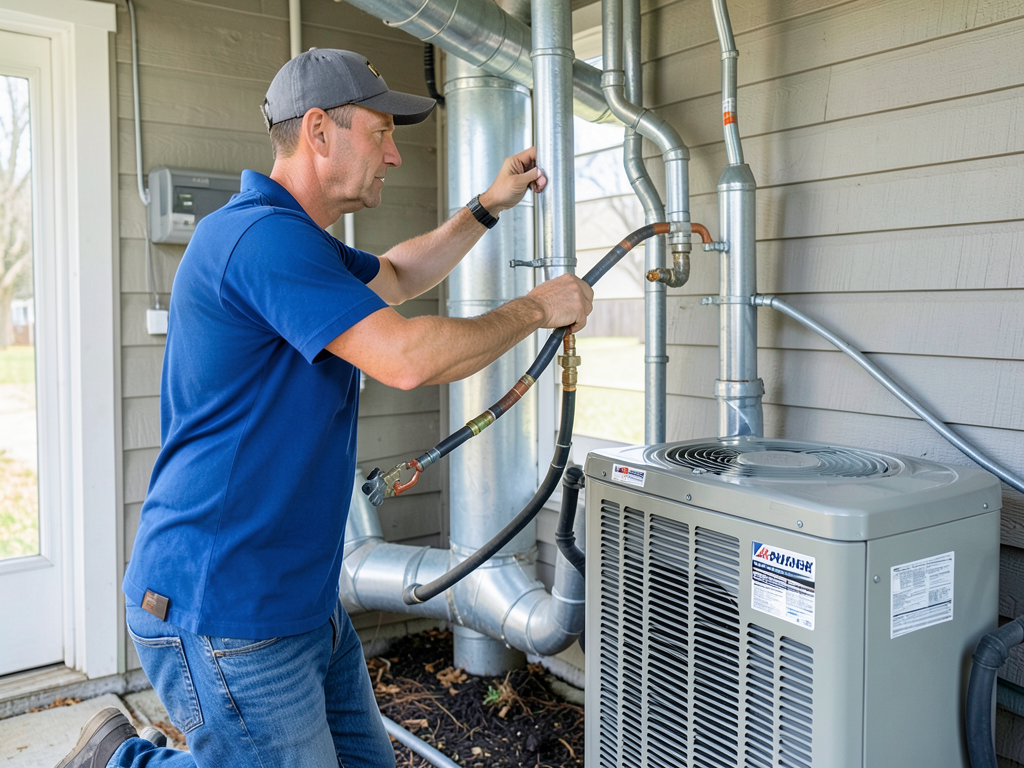
Technician installing a high-efficiency HVAC system in a Cincinnati-area home, showing ductwork connections and outdoor unit placement considerations for Ohio Valley weather.
Carrier: American-Made Reliability for Ohio Winters
Carrier has manufactured HVAC equipment in the United States for over 100 years. Their Infinity series uses variable-speed technology that adjusts compressor operation based on demand. This matters in Cincinnati because our spring and fall seasons require frequent system adjustments as temperatures fluctuate. Carrier’s Greenspeed intelligence technology can modulate output from 40% to 100% capacity, providing precise temperature control during our unpredictable shoulder seasons.. Read more about When is the best time to switch from heat to AC during a Cincinnati spring?.
The brand’s performance in high humidity stands out. Carrier systems include enhanced dehumidification modes that can remove up to 400% more moisture than standard units. This proves valuable in neighborhoods near the Ohio River where humidity levels remain elevated throughout summer months. Their corrosion-resistant coatings on outdoor coils help combat the effects of our mineral-rich water supply on system longevity.. Read more about How to choose between a standard heat pump and a high velocity system for your Northside Victorian.
Trane: Built to Handle Ohio’s Temperature Extremes
Trane equipment undergoes testing in their SEET lab where systems face 16 weeks of continuous stress testing. This rigorous approach results in units that withstand Cincinnati’s temperature extremes. The XV20i variable-speed air conditioner operates as quietly as 42 decibels while maintaining efficiency during our humid summers. This matters because many Cincinnati homes, particularly in historic districts, have limited space between houses where noise carries easily.
Trane’s CleanEffects air filtration system removes up to 99.98% of airborne particles, addressing another Ohio Valley concern. Our region experiences high pollen counts in spring and fall that affect indoor air quality. The system’s ability to capture particles as small as 0.1 micron helps reduce allergy symptoms for many Cincinnati residents. Their ComfortLink II communicating technology allows different system components to optimize performance automatically based on local weather conditions. Why Mason residents trust us for their annual HVAC maintenance and tune-ups.
Lennox: Innovation for Energy Efficiency
Lennox pioneered solar-ready HVAC systems and continues pushing efficiency boundaries. Their SL28XCV heat pump achieves up to 28 SEER efficiency, which translates to significant energy savings during Cincinnati’s long cooling season. The Precise Comfort technology adjusts fan speed, heating, and cooling output in increments as small as 1%. This precision matters in our climate where a system might need to add just a bit of heat on a cool spring morning. Cooling Tower Services.
The brand’s Dave Lennox Signature Collection includes units with sound blankets and insulated compressor compartments. These features reduce operating noise to levels comparable to a library. This proves valuable in dense Cincinnati neighborhoods where outdoor units sit close to bedroom windows. Lennox’s iComfort S30 smart thermostat learns household patterns and can automatically switch between heating and cooling modes as our unpredictable spring weather shifts throughout the day.
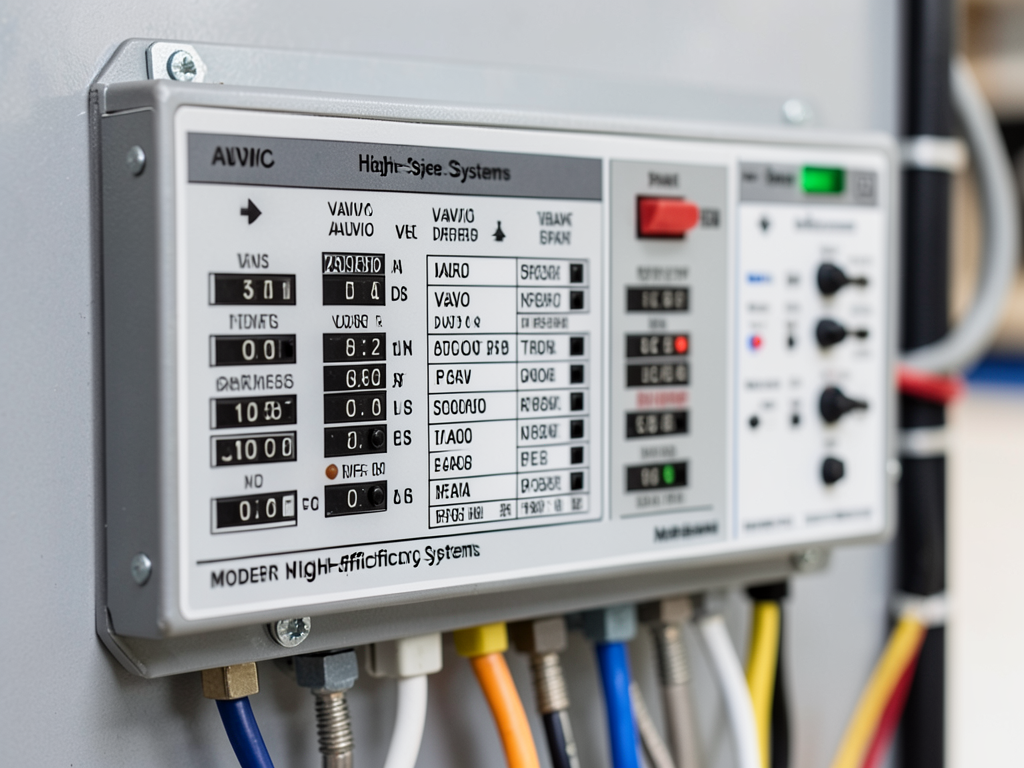
Close-up of HVAC control board showing diagnostic codes and variable-speed motor connections, demonstrating the technical complexity of modern high-efficiency systems.
Rheem: Value-Oriented Performance
Rheem offers competitive pricing without sacrificing essential features needed for Cincinnati’s climate. Their Prestige Series includes models with EcoNet smart home technology that monitors system performance and alerts homeowners to potential issues before failures occur. This proactive approach helps prevent mid-winter furnace failures when emergency repair services face high demand. 24/7 AC repair for restaurants and small businesses in Downtown Cincinnati.
The brand’s hybrid heat pump systems provide an economical solution for Cincinnati’s mixed heating needs. These units automatically switch between electric heat pump operation and gas furnace backup based on outdoor temperatures and energy costs. This proves particularly cost-effective given our region’s relatively low natural gas prices compared to national averages. Rheem’s 10-year conditional warranty covers parts when installed by certified contractors, providing peace of mind for homeowners concerned about long-term reliability.
Daikin: Global Technology for Local Performance
Daikin, the world’s largest HVAC manufacturer, brings advanced technology to the American market. Their FIT system allows multiple indoor units to connect to a single outdoor compressor, providing zoned comfort without extensive ductwork modifications. This proves valuable in Cincinnati’s older homes where installing new ducts through plaster walls presents significant challenges.
The brand’s VRV (Variable Refrigerant Volume) technology adjusts refrigerant flow based on individual zone demands. This efficiency matters in our climate where different home areas might need heating or cooling simultaneously during spring and fall. Daikin’s inverter-driven compressors operate at variable speeds rather than simple on/off cycles, reducing energy consumption and extending equipment life in our demanding climate.
Comparative Analysis: Efficiency and Reliability Metrics
| Brand | Top SEER2 Rating | Heating Efficiency (AFUE/HSPF2) | Sound Level (dB) | Warranty (Years) |
|---|---|---|---|---|
| Carrier | 26 | 98.5% AFUE | 51 | 10 |
| Trane | 28 | 97% AFUE | 42 | 12 |
| Lennox | 28 | 98.7% AFUE | 47 | 10 |
| Rheem | 20 | 96% AFUE | 58 | 10 |
| Daikin | 22 | 96% AFUE | 45 | 12 |
Duke Energy Rebates and Federal Tax Credits
Cincinnati residents can significantly reduce HVAC upgrade costs through utility and federal programs. Duke Energy’s Smart $aver program offers rebates up to $1,500 for high-efficiency heat pump installations. The program requires minimum 15 SEER2 and 8.5 HSPF2 ratings for heat pumps. These rebates apply to qualifying Carrier, Trane, Lennox, and Rheem equipment installed by participating contractors. Duke Energy Smart $aver rebates.
Federal tax credits under the Inflation Reduction Act provide up to $2,000 for qualifying HVAC upgrades. Heat pumps meeting ENERGY STAR requirements installed in 2023-2032 qualify for the full credit. The credit covers 30% of installation costs up to the maximum amount. Homeowners should retain all documentation including manufacturer certification statements to claim these credits when filing taxes. Federal tax credits for HVAC upgrades.
Local utility programs often change annually. Checking Duke Energy’s current offerings before purchasing ensures maximum savings. Some manufacturers also offer seasonal promotions that stack with utility rebates, potentially saving thousands on a complete system replacement.
Dual-Fuel Systems: The Ohio Valley Sweet Spot
Dual-fuel systems combine electric heat pumps with gas furnaces to optimize efficiency across Cincinnati’s temperature range. These systems automatically switch between heat pump and furnace operation based on outdoor temperatures and energy prices. When temperatures remain above 35-40 degrees, the heat pump provides efficient heating. As temperatures drop, the system switches to gas furnace operation for reliable warmth. How to find a reliable AC repair company in Hyde Park without overpaying.
This approach proves particularly effective in Cincinnati where electricity rates average 12.5 cents per kilowatt-hour and natural gas costs approximately $1.15 per therm. The break-even point typically occurs around 30-35 degrees, meaning the system uses the most economical fuel source at any given time. Many homeowners report 30-40% reduction in heating costs compared to single-fuel systems.
Installation requires both an outdoor heat pump unit and a compatible gas furnace. The control system manages the transition between heating sources automatically. Professional sizing proves critical since undersized heat pumps struggle during cold snaps while oversized units short-cycle and waste energy.
Local Parts Availability and Service Considerations
Parts availability affects long-term ownership costs and system reliability. Major brands maintain distribution centers in the Midwest, but response times vary. Trane and Carrier typically stock common parts within 24-48 hours in the Cincinnati area. Lennox and Rheem might require 3-5 days for specialized components. This difference matters during peak seasons when system failures leave homes without heating or cooling.
Local contractor certification also impacts service quality. NATE-certified technicians complete ongoing training on specific brands. This certification ensures proper installation and diagnostics. Many manufacturers require certified installation for warranty coverage. Homeowners should verify contractor credentials before selecting equipment, as improper installation causes more system failures than manufacturing defects.
Emergency repair availability varies by brand. National manufacturers provide 24/7 technical support to certified contractors. Local service providers stock common failure parts like capacitors and contactors on service vehicles. Response times during extreme weather events often depend on parts availability rather than technician availability.
Making the Right Choice for Your Cincinnati Home
Selecting the best HVAC brand requires evaluating multiple factors beyond initial cost. Home size, insulation quality, and existing ductwork condition all influence system performance. Cincinnati’s mixed humid climate demands equipment that handles both moisture removal and temperature control efficiently. Homes in areas like Mason or Blue Ash with newer construction might prioritize different features than century homes in Northside or Clifton.
Professional load calculations determine proper system sizing. Manual J calculations consider square footage, window orientation, insulation levels, and local climate data. Oversized systems cycle frequently, reducing efficiency and comfort. Undersized units run continuously during extreme weather, increasing energy costs and wear. Quality contractors provide detailed load calculations before recommending specific equipment.
Long-term ownership costs include energy consumption, maintenance requirements, and repair frequency. Higher-efficiency units cost more initially but often pay for themselves through utility savings within 5-7 years. Maintenance requirements vary by brand, with some requiring more frequent filter changes or coil cleaning. Local water quality affects coil cleaning frequency, with Cincinnati’s mineral content potentially requiring more frequent maintenance.
Call (513) 717-5155 for Your Free HVAC Assessment
Don’t wait until your system fails during a Cincinnati heat wave or polar vortex. Our NATE-certified technicians understand the specific demands our climate places on HVAC equipment. We provide honest assessments of your current system’s condition and recommend solutions tailored to your home’s unique requirements. Call (513) 717-5155 today to schedule your free evaluation and learn which brand offers the best performance for your specific situation.
Whether you need emergency repairs, routine maintenance, or a complete system replacement, we’re ready to help. Our team stays current with all local utility rebate programs and can help you maximize available savings. We service all major brands and provide 24/7 emergency response for those critical system failures that always seem to happen at the worst possible times.
Frequently Asked Questions
What HVAC brand lasts the longest in Cincinnati’s climate?
Most major brands offer similar lifespans of 15-20 years with proper maintenance. Trane and Carrier typically show slightly better corrosion resistance in our humid climate. The key factor is professional installation and regular maintenance rather than brand selection alone.
Are heat pumps effective in Cincinnati winters?
Yes, modern cold-climate heat pumps operate efficiently down to about 0 degrees Fahrenheit. For Cincinnati’s climate, dual-fuel systems provide the best performance by switching to gas heat during extreme cold while using the heat pump during milder conditions.
How much can I save with a high-efficiency system?
Homeowners typically save 20-40% on heating and cooling costs with high-efficiency systems compared to units over 10 years old. Actual savings depend on current system efficiency, home insulation, and local utility rates.
Do I need a permit for HVAC replacement in Cincinnati?
Yes, Hamilton County requires permits for HVAC system replacements. Licensed contractors handle permit acquisition as part of the installation process. This ensures compliance with local building codes and maintains warranty coverage.
How often should I replace my HVAC filter?
Standard 1-inch filters require replacement every 30-60 days. High-efficiency pleated filters last 60-90 days. Homes with pets or in areas with high pollen might need more frequent changes. Check filters monthly during peak heating and cooling seasons.
What size HVAC system do I need?
System size depends on home square footage, insulation quality, window efficiency, and local climate. Professional Manual J calculations determine proper sizing. Typical Cincinnati homes require 600-1,000 square feet per ton of cooling capacity, but individual calculations vary significantly.
You may also find this helpful. What to look for in an HVAC financing plan when you are on a budget in Colerain.
You may also find this helpful. Choosing the right air scrubber technology for a sensitive allergy sufferer in Montgomery.
{
“@context”: “https://schema.org”,
“@type”: “BlogPosting”,
“headline”: “Comparing the top HVAC brands for the unique climate of the Ohio Valley”,
“description”: “Discover which HVAC brands perform best in Cincinnati’s extreme humidity and seasonal swings. Compare Carrier, Trane, Lennox, and more with local rebate info.”,
“wordCount”: 2034,
“datePublished”: “2026-05-17T08:04:00.000Z”,
“dateModified”: “2026-05-17T08:04:00.000Z”,
“inLanguage”: “en-US”,
“mainEntityOfPage”: {
“@type”: “WebPage”,
“@id”: “https://fivestarhvaccincinnati.com”
},
“publisher”: {
“@type”: “LocalBusiness”,
“name”: “Five Star HVAC Cincinnati”,
“url”: “https://fivestarhvaccincinnati.com”
},
“author”: {
“@type”: “Organization”,
“name”: “Five Star HVAC Cincinnati”,
“url”: “https://fivestarhvaccincinnati.com”
},
“image”: {
“@type”: “ImageObject”,
“url”: “https://fivestarhvaccincinnati.com/wp-content/uploads/2026/03/comparing-the-top-hvac-brands-for-the-unique-clima-1.png”
}
}
{
“@context”: “https://schema.org”,
“@type”: “HVACBusiness”,
“name”: “Five Star HVAC Cincinnati”,
“url”: “https://fivestarhvaccincinnati.com”,
“address”: {
“@type”: “PostalAddress”,
“addressLocality”: “Cincinnati”
},
“areaServed”: {
“@type”: “City”,
“name”: “Cincinnati”
}
}
{
“@context”: “https://schema.org”,
“@type”: “FAQPage”,
“mainEntity”: [
{
“@type”: “Question”,
“name”: “What HVAC brand lasts the longest in Cincinnati’s climate?”,
“acceptedAnswer”: {
“@type”: “Answer”,
“text”: “Most major brands offer similar lifespans of 15-20 years with proper maintenance. Trane and Carrier typically show slightly better corrosion resistance in our humid climate. The key factor is professional installation and regular maintenance rather than brand selection alone.”
}
},
{
“@type”: “Question”,
“name”: “Are heat pumps effective in Cincinnati winters?”,
“acceptedAnswer”: {
“@type”: “Answer”,
“text”: “Yes, modern cold-climate heat pumps operate efficiently down to about 0 degrees Fahrenheit. For Cincinnati’s climate, dual-fuel systems provide the best performance by switching to gas heat during extreme cold while using the heat pump during milder conditions.”
}
},
{
“@type”: “Question”,
“name”: “How much can I save with a high-efficiency system?”,
“acceptedAnswer”: {
“@type”: “Answer”,
“text”: “Homeowners typically save 20-40% on heating and cooling costs with high-efficiency systems compared to units over 10 years old. Actual savings depend on current system efficiency, home insulation, and local utility rates.”
}
},
{
“@type”: “Question”,
“name”: “Do I need a permit for HVAC replacement in Cincinnati?”,
“acceptedAnswer”: {
“@type”: “Answer”,
“text”: “Yes, Hamilton County requires permits for HVAC system replacements. Licensed contractors handle permit acquisition as part of the installation process. This ensures compliance with local building codes and maintains warranty coverage.”
}
},
{
“@type”: “Question”,
“name”: “How often should I replace my HVAC filter?”,
“acceptedAnswer”: {
“@type”: “Answer”,
“text”: “Standard 1-inch filters require replacement every 30-60 days. High-efficiency pleated filters last 60-90 days. Homes with pets or in areas with high pollen might need more frequent changes. Check filters monthly during peak heating and cooling seasons.”
}
},
{
“@type”: “Question”,
“name”: “What size HVAC system do I need?”,
“acceptedAnswer”: {
“@type”: “Answer”,
“text”: “System size depends on home square footage, insulation quality, window efficiency, and local climate. Professional Manual J calculations determine proper sizing. Typical Cincinnati homes require 600-1,000 square feet per ton of cooling capacity, but individual calculations vary significantly.”
}
}
]
}
{
“@context”: “https://schema.org”,
“@type”: “BreadcrumbList”,
“itemListElement”: [
{
“@type”: “ListItem”,
“position”: 1,
“name”: “Home”,
“item”: “https://fivestarhvaccincinnati.com”
},
{
“@type”: “ListItem”,
“position”: 2,
“name”: “Blog”,
“item”: “https://fivestarhvaccincinnati.com/blog”
},
{
“@type”: “ListItem”,
“position”: 3,
“name”: “Comparing the top HVAC brands for the unique climate of the Ohio Valley”
}
]
}
{
“@context”: “https://schema.org”,
“@type”: “Service”,
“serviceType”: “HVAC”,
“provider”: {
“@type”: “LocalBusiness”,
“name”: “Five Star HVAC Cincinnati”,
“url”: “https://fivestarhvaccincinnati.com”
},
“areaServed”: {
“@type”: “City”,
“name”: “Cincinnati”
},
“description”: “Discover which HVAC brands perform best in Cincinnati’s extreme humidity and seasonal swings. Compare Carrier, Trane, Lennox, and more with local rebate info.”
}