
Do attic fans actually help your AC system in the humid Ohio Valley?
Your air conditioner works hard to keep your Cincinnati home cool during summer. When the attic temperature climbs above 140 degrees, your AC must fight that heat radiating through the ceiling. An attic fan promises to reduce that heat load by venting hot air outside. But in our Ohio River Valley climate with high humidity and frequent storms, the answer isn’t simple.. Read more about How the Ohio River humidity affects the lifespan of your AC unit in New Richmond.
The truth is attic fans can help your AC system work more efficiently in Cincinnati homes, but only when properly sized and controlled. A correctly installed attic fan reduces the temperature difference between your living space and attic by 20-30 degrees. This means your AC runs fewer cycles and your second floor stays cooler. However, if your home has air leaks or the fan runs during humid conditions, it can actually pull moisture into your attic and increase cooling costs. Cooling Tower Services.
The key factors are your home’s construction year, current insulation levels, and roof design. Homes built before 1980 in neighborhoods like Hyde Park and Oakley often lack adequate attic ventilation. Modern builds in Mason and West Chester typically have better passive ventilation but may still benefit from active exhaust during peak summer heat. The decision comes down to your specific attic configuration and cooling goals. Why Mason residents trust us for their annual HVAC maintenance and tune-ups.
Call (513) 717-5155 today to schedule your inspection and find out if an attic fan makes sense for your home.
How attic fans actually work with your AC system

An attic fan doesn’t cool your living space directly. Instead, it removes superheated air from your attic, which reduces the heat transfer through your ceiling insulation. When your attic stays cooler, your AC doesn’t have to work as hard to maintain your thermostat setting.
The physics are straightforward. Heat moves from hot areas to cold areas. During Cincinnati summers, your attic can reach 150 degrees while your living space stays at 75 degrees. That 75-degree difference drives heat through your ceiling at a rate of about 1 BTU per square foot per hour for each degree of difference. An attic fan reduces that temperature gap, cutting heat transfer by up to 40%.
Your AC system responds by running shorter cycles. Instead of running 20 minutes every hour to overcome attic heat gain, it might run only 12 minutes. This extends the life of your compressor and reduces electricity consumption. The savings depend on your AC unit’s efficiency rating and your attic’s current ventilation setup.. Read more about Managing proper ventilation for the narrow painted ladies of Columbia Tusculum.
However, attic fans only help when outdoor air is cooler than attic air. During heat waves when outdoor temperatures exceed 90 degrees, the benefit diminishes. That’s why Cincinnati’s climate requires careful fan control through thermostats and humidistats.
The Cincinnati humidity factor: why it matters
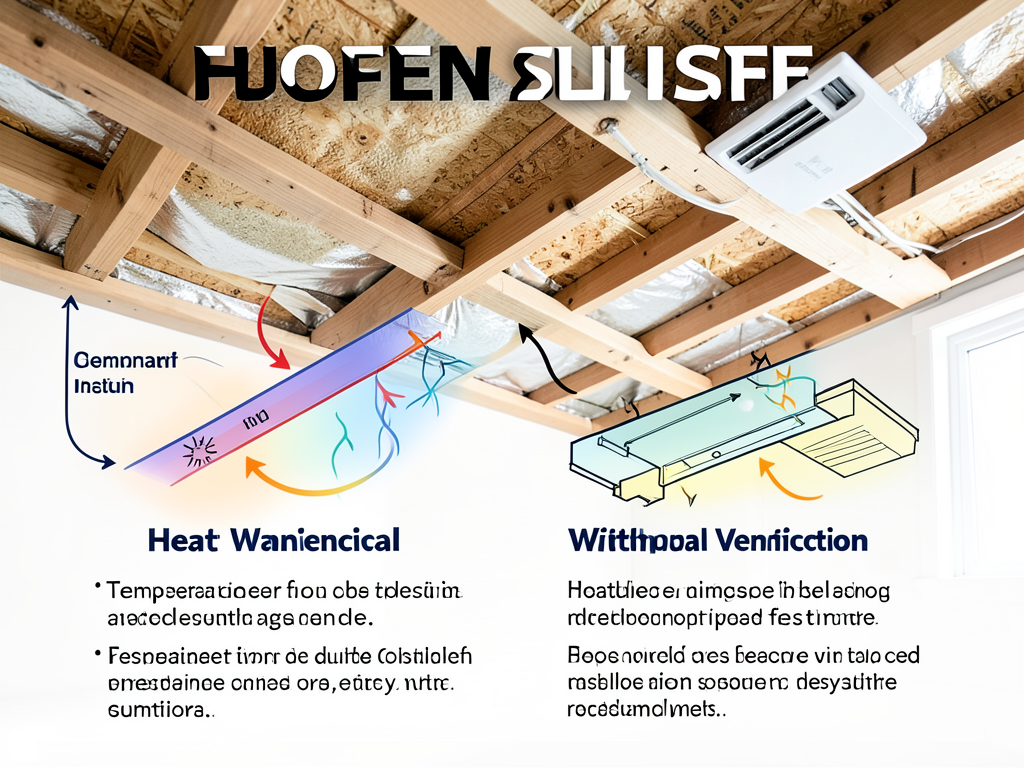
Ohio River Valley humidity changes everything about attic ventilation. When outdoor dew points exceed 65 degrees, which happens on 45+ days annually in Cincinnati, your attic fan can do more harm than good.
Here’s why. Your attic contains small air leaks around light fixtures, attic hatches, and ductwork penetrations. When an attic fan runs during humid conditions, it creates negative pressure that pulls moist outdoor air through these leaks. That moisture condenses on cooler attic surfaces, leading to mold growth, wood rot, and insulation damage.
The problem compounds because Cincinnati’s humidity often stays high overnight. A fan controlled only by a thermostat might run all night, bringing in damp air when temperatures drop. This moisture gets trapped in your attic insulation, reducing its R-value and creating perfect conditions for mold.
Proper control systems use both temperature and humidity sensors. The fan only activates when outdoor dew points are below 55 degrees and attic temperatures exceed 95 degrees. This prevents moisture problems while still providing cooling benefits during appropriate conditions.
Older Cincinnati homes in neighborhoods like Columbia Tusculum and East End often have more air leaks, making humidity control even more critical. Modern homes in West Chester and Liberty Township typically have better air sealing but may still need humidity management.
Cost-benefit analysis for Cincinnati homeowners
Installing an attic fan costs between $800 and $2,500 depending on your attic size and electrical requirements. Solar-powered units cost more upfront but eliminate operating costs. Hardwired fans require an electrician but provide more reliable control. How to find a reliable AC repair company in Hyde Park without overpaying.
The energy savings depend on your AC unit’s efficiency and your attic’s current conditions. A 2,000-square-foot ranch home with poor ventilation might see AC runtime decrease by 15-25%. At Cincinnati’s average electricity rate of $0.13 per kWh, this translates to $15-30 monthly savings during cooling season.
However, the real benefit often comes from improved comfort rather than pure energy savings. Many Cincinnati homeowners report their second floors stay 3-5 degrees cooler with an attic fan, allowing them to set their thermostats 2-3 degrees higher without sacrificing comfort.. Read more about The permanent comfort upgrade for Cheviot homes still relying on window AC units.
The payback period typically ranges from 3 to 7 years. Solar fans pay back faster since they have no operating costs. Homes with vaulted ceilings or finished attics see quicker returns because they have more ceiling area exposed to attic heat.
Factor in potential roof shingle protection. Cincinnati’s intense summer sun can bake asphalt shingles, reducing their lifespan by 2-3 years. By keeping attic temperatures lower, a fan helps preserve your roof investment, which can offset a significant portion of the installation cost.
Solar vs. electric attic fans: which works better here
Solar attic fans have become popular in Cincinnati, but they come with trade-offs. The main advantage is zero operating cost and easy installation since they don’t require electrical wiring. However, they only work when sunlight hits the solar panel directly.
On partly cloudy days common in Cincinnati, solar fans may produce only 30-50% of their rated airflow. During morning and evening hours when attic temperatures are still high but the sun angle is low, they provide minimal benefit. This timing mismatch can leave your attic hot during the most critical cooling hours.
Electric fans provide consistent airflow regardless of weather conditions. They can be controlled by thermostats that activate at specific temperatures, ensuring operation during the hottest parts of the day. Many Cincinnati homeowners prefer this reliability, especially in neighborhoods like Hyde Park where afternoon sun beats down on attic spaces.
The decision often comes down to your roof’s sun exposure and your budget. South-facing roofs with minimal shading work well for solar fans. Homes with complex rooflines or significant tree cover near the house benefit more from electric units.
Consider hybrid options that combine solar power with battery backup. These provide the energy savings of solar with the reliability of electric fans. The initial cost is higher, but they offer the best performance for Cincinnati’s variable weather patterns.
Installation requirements and building codes
Cincinnati building codes require attic ventilation to meet specific standards. The International Residential Code mandates 1 square foot of net free ventilation area for every 150 square feet of attic floor space. This can be reduced to 1:300 if certain conditions are met. National Fire Protection Association electrical codes.
For effective fan operation, you need both intake and exhaust vents. Soffit vents provide cool air intake, while the fan serves as the exhaust. Without proper intake ventilation, a fan can create negative pressure that pulls conditioned air from your living space through ceiling leaks.
The National Fire Protection Association (NFPA) requires that attic fans in homes with gas appliances have proper combustion air supply. This prevents backdrafting of carbon monoxide into living spaces. Homes in older Cincinnati neighborhoods often need additional intake vents to meet these safety requirements.
Mounting location matters significantly. Fans installed near the roof peak work most efficiently because hot air naturally rises. Sidewall installations near the roof edge are less effective and may create uneven airflow patterns.
Professional installation includes sealing all penetrations around the fan mounting to prevent roof leaks. In Cincinnati’s climate with frequent thunderstorms and occasional hail, proper flashing and sealing are essential for long-term performance.
Common mistakes that hurt AC efficiency
Many Cincinnati homeowners sabotage their attic fan’s effectiveness through simple mistakes. The most common error is installing a fan without adequate intake ventilation. This creates negative pressure that pulls cool air from your living space, making your AC work harder.
Another frequent mistake is running the fan during rainy or extremely humid conditions. When outdoor humidity exceeds indoor levels, the fan pulls moisture into your attic. This moisture condenses on cool surfaces, leading to mold growth and potential structural damage.
Some homeowners install oversized fans thinking bigger is better. However, fans that move too much air can create excessive negative pressure, pulling conditioned air through ceiling leaks and increasing your cooling costs. Proper sizing based on attic volume ensures optimal performance.
Ignoring thermostat placement causes problems too. If your thermostat is in a cool area of your home, it may not signal the AC to run when upstairs bedrooms are hot. This makes the attic fan’s cooling effect less noticeable and can lead to uneven comfort throughout your home.
Finally, failing to maintain the fan leads to reduced efficiency. Dust buildup on fan blades decreases airflow by up to 30%. In Cincinnati’s pollen-heavy springs, cleaning the fan becomes essential for maintaining performance.
The hybrid approach: attic fans plus smart AC strategies
The most effective cooling strategy combines attic ventilation with smart AC management. Start by ensuring your AC system is properly sized and maintained. An undersized or dirty AC unit won’t benefit from attic ventilation because it’s already struggling to keep up.
Next, address air leaks between your living space and attic. Seal gaps around light fixtures, plumbing penetrations, and the attic hatch. This prevents the negative pressure issues that plague many attic fan installations.
Install a whole-house fan for spring and fall cooling. These fans pull cool evening air through your home, reducing or eliminating AC use during mild weather. Unlike attic fans, whole-house fans directly cool your living space and work best when outdoor temperatures drop at night.
Consider a smart thermostat that learns your cooling patterns and adjusts automatically. These devices can coordinate with your attic fan, ensuring both systems work together efficiently. Some models even integrate with weather forecasts to optimize operation based on upcoming conditions.
Finally, upgrade your attic insulation if it’s less than R-30. In Cincinnati’s climate, proper insulation works with ventilation to create the most energy-efficient system. The combination can reduce cooling costs by 30-40% compared to a poorly insulated, poorly ventilated attic.
Local case study: Hyde Park historic home transformation
A 1920s Tudor in Hyde Park’s Virginia Avenue corridor demonstrates the real impact of proper attic ventilation. The 2,500-square-foot home had original knob-and-tube wiring, minimal insulation, and no attic ventilation. Summer electric bills exceeded $400 monthly, and upstairs bedrooms stayed 8-10 degrees warmer than downstairs.
The solution involved a comprehensive approach. First, we sealed all air leaks between the attic and living space using spray foam around penetrations. Next, we added R-38 insulation while maintaining proper ventilation channels. We installed a 1,500 CFM electric attic fan with thermostat and humidistat controls.
The results were dramatic. AC runtime decreased by 22%, and the homeowners reported they could set their thermostat 3 degrees higher while maintaining comfort. The second floor temperature difference dropped to just 2-3 degrees. Annual cooling costs fell by $280, and the system’s compressor cycles decreased by 40%.
Most importantly, the homeowners noticed their AC wasn’t running constantly during mild days. The attic fan handled temperature control during comfortable outdoor conditions, extending their AC system’s lifespan and reducing maintenance needs. Furnace Maintenance Checklist.
Frequently Asked Questions
Will an attic fan work with my existing roof vents?
It depends on your current ventilation setup. Most homes need additional intake vents when adding a powered exhaust fan. A professional assessment can determine if your existing vents provide adequate airflow for a new attic fan.
How noisy are attic fans during operation?
Modern attic fans operate at 50-70 decibels from inside the attic, which is comparable to a normal conversation. From inside your living space, the noise is barely noticeable, especially when your AC is running. Some models offer ultra-quiet operation at slightly higher costs.
Can I install an attic fan myself to save money?
DIY installation is possible but risky. Improper wiring can create fire hazards, and incorrect sizing or placement reduces effectiveness. Building code compliance is also critical. Professional installation ensures proper sizing, safe electrical connections, and optimal performance.
How long do attic fans typically last in Cincinnati’s climate?
Quality attic fans last 10-15 years with proper maintenance. Cincinnati’s humidity and temperature extremes can stress components, so annual cleaning and inspection help maximize lifespan. Solar fans may have shorter lifespans due to weather exposure of electronic components.
Will an attic fan help in winter by reducing ice dams?
Attic fans primarily help in summer, but proper ventilation year-round prevents ice dams by keeping attic temperatures closer to outdoor levels. This stops snow from melting on the roof and refreezing at the eaves, which is a common problem in Cincinnati’s freeze-thaw cycles.
Ready to find out if an attic fan is right for your Cincinnati home? Call (513) 717-5155 today to schedule your inspection. Our NATE-certified technicians will evaluate your attic’s current conditions and recommend the most cost-effective solution for your specific situation. Don’t wait until the next heat wave hits. For more information, visit U.S. Department of Energy attic ventilation guide.
You may also find this helpful. Comparing the top HVAC brands for the unique climate of the Ohio Valley.
{
“@context”: “https://schema.org”,
“@type”: “BlogPosting”,
“headline”: “Do attic fans actually help your AC system in the humid Ohio Valley?”,
“description”: “Cincinnati homeowners often wonder if attic fans really cut cooling costs. Here’s the local truth about attic ventilation vs. air conditioning efficiency in our humid climate.”,
“wordCount”: 2253,
“datePublished”: “2026-05-12T11:00:00.000Z”,
“dateModified”: “2026-05-12T11:00:00.000Z”,
“inLanguage”: “en-US”,
“mainEntityOfPage”: {
“@type”: “WebPage”,
“@id”: “https://fivestarhvaccincinnati.com”
},
“publisher”: {
“@type”: “LocalBusiness”,
“name”: “Five Star HVAC Cincinnati”,
“url”: “https://fivestarhvaccincinnati.com”
},
“author”: {
“@type”: “Organization”,
“name”: “Five Star HVAC Cincinnati”,
“url”: “https://fivestarhvaccincinnati.com”
},
“image”: {
“@type”: “ImageObject”,
“url”: “https://fivestarhvaccincinnati.com/wp-content/uploads/2026/03/do-attic-fans-actually-help-your-ac-system-in-the-1.png”
}
}
{
“@context”: “https://schema.org”,
“@type”: “HVACBusiness”,
“name”: “Five Star HVAC Cincinnati”,
“url”: “https://fivestarhvaccincinnati.com”,
“address”: {
“@type”: “PostalAddress”,
“addressLocality”: “Cincinnati”
},
“areaServed”: {
“@type”: “City”,
“name”: “Cincinnati”
}
}
{
“@context”: “https://schema.org”,
“@type”: “FAQPage”,
“mainEntity”: [
{
“@type”: “Question”,
“name”: “Will an attic fan work with my existing roof vents?”,
“acceptedAnswer”: {
“@type”: “Answer”,
“text”: “It depends on your current ventilation setup. Most homes need additional intake vents when adding a powered exhaust fan. A professional assessment can determine if your existing vents provide adequate airflow for a new attic fan.”
}
},
{
“@type”: “Question”,
“name”: “How noisy are attic fans during operation?”,
“acceptedAnswer”: {
“@type”: “Answer”,
“text”: “Modern attic fans operate at 50-70 decibels from inside the attic, which is comparable to a normal conversation. From inside your living space, the noise is barely noticeable, especially when your AC is running. Some models offer ultra-quiet operation at slightly higher costs.”
}
},
{
“@type”: “Question”,
“name”: “Can I install an attic fan myself to save money?”,
“acceptedAnswer”: {
“@type”: “Answer”,
“text”: “DIY installation is possible but risky. Improper wiring can create fire hazards, and incorrect sizing or placement reduces effectiveness. Building code compliance is also critical. Professional installation ensures proper sizing, safe electrical connections, and optimal performance.”
}
},
{
“@type”: “Question”,
“name”: “How long do attic fans typically last in Cincinnati’s climate?”,
“acceptedAnswer”: {
“@type”: “Answer”,
“text”: “Quality attic fans last 10-15 years with proper maintenance. Cincinnati’s humidity and temperature extremes can stress components, so annual cleaning and inspection help maximize lifespan. Solar fans may have shorter lifespans due to weather exposure of electronic components.”
}
},
{
“@type”: “Question”,
“name”: “Will an attic fan help in winter by reducing ice dams?”,
“acceptedAnswer”: {
“@type”: “Answer”,
“text”: “Attic fans primarily help in summer, but proper ventilation year-round prevents ice dams by keeping attic temperatures closer to outdoor levels. This stops snow from melting on the roof and refreezing at the eaves, which is a common problem in Cincinnati’s freeze-thaw cycles.”
}
}
]
}
{
“@context”: “https://schema.org”,
“@type”: “BreadcrumbList”,
“itemListElement”: [
{
“@type”: “ListItem”,
“position”: 1,
“name”: “Home”,
“item”: “https://fivestarhvaccincinnati.com”
},
{
“@type”: “ListItem”,
“position”: 2,
“name”: “Blog”,
“item”: “https://fivestarhvaccincinnati.com/blog”
},
{
“@type”: “ListItem”,
“position”: 3,
“name”: “Do attic fans actually help your AC system in the humid Ohio Valley?”
}
]
}
{
“@context”: “https://schema.org”,
“@type”: “Service”,
“serviceType”: “HVAC”,
“provider”: {
“@type”: “LocalBusiness”,
“name”: “Five Star HVAC Cincinnati”,
“url”: “https://fivestarhvaccincinnati.com”
},
“areaServed”: {
“@type”: “City”,
“name”: “Cincinnati”
},
“description”: “Cincinnati homeowners often wonder if attic fans really cut cooling costs. Here’s the local truth about attic ventilation vs. air conditioning efficiency in our humid climate.”
}