
Can Smart Vents Really Fix the Hot Spots in Your Cleves Home?
Hot upstairs bedrooms. Freezing downstairs living rooms. Sound familiar? Many Cleves homeowners battle these comfort issues year-round. Smart vents offer a modern solution by automatically adjusting airflow to different rooms based on temperature needs. But do they actually work in the real world of Hamilton County’s historic homes and unpredictable weather?
The answer depends on your home’s specific layout, existing HVAC system, and whether you work with experienced technicians who understand the unique challenges of retrofitting smart technology into older forced-air systems. Let’s examine how these systems function and whether they can solve your hot spot problems.
How Smart Vent Systems Actually Work in Your Home
Smart vents replace standard air registers with motorized dampers that open and close automatically. These devices connect to your home’s Wi-Fi network and communicate with a central hub or your existing smart thermostat. When a room gets too warm or cold, the system adjusts airflow by opening vents in that area while closing vents in other zones.
The technology relies on precise pressure management. Each vent contains a small motor that controls a damper blade. When closed, the vent creates minimal backpressure on your HVAC system. Quality smart vents include pressure sensors that monitor static pressure in your ductwork and prevent dangerous pressure buildup that could damage your furnace or air handler. Emergency furnace repair services for Indian Hill homeowners available right now.
Installation requires careful calibration. Technicians must measure your existing ductwork, calculate proper airflow distribution, and program the system to maintain balanced pressure throughout your home. This process typically takes 4-6 hours for a standard three-bedroom house.
Why Cleves Homes Struggle with Temperature Imbalances
Cleves homes built before 2000 often have design flaws that create hot spots. Many feature open stairwells that allow warm air to rise to second floors, while first-floor rooms remain chilly. Older ductwork frequently has leaks, poor insulation, or improper sizing that prevents even air distribution.
The Ohio River Valley climate makes these problems worse. Summer humidity causes air to feel warmer than actual temperatures, while winter’s polar vortex events create extreme temperature differentials. Homes with vaulted ceilings or large windows facing west absorb heat during afternoons, creating afternoon hot spots that standard thermostats cannot address.. Read more about Creating a comfortable home office in East Walnut Hills with targeted cooling solutions.
Many Cleves residences use single-zone HVAC systems. These systems treat your entire home as one temperature zone, despite varying sun exposure, occupancy patterns, and insulation quality in different areas. Smart vents create multiple virtual zones without the expense of traditional zoning systems.
Smart Vent Brands and Compatibility with Local HVAC Systems
Several smart vent manufacturers serve the Cincinnati market. Flair Smart Vents integrate seamlessly with Ecobee and Google Nest thermostats. Their puck-style sensors monitor temperature, humidity, and occupancy in each room. Keen Home Smart Vents work with Amazon Alexa and Google Home for voice control. Ecovent offers a more comprehensive system with built-in room sensors and advanced scheduling features.
Compatibility depends on your existing HVAC equipment. Most smart vents work with standard forced-air furnaces and central air conditioners. However, homes with heat pumps, dual-fuel systems, or high-efficiency variable-speed equipment may require specific models or professional calibration to prevent system damage. Furnace Maintenance Checklist.
Older furnaces present unique challenges. Systems over 15 years old may have pressure switches that cannot handle the reduced airflow when multiple vents close simultaneously. Professional installers use static pressure gauges to verify your system can safely operate with smart vents installed. Top-rated heat pump installers serving the Montgomery and Blue Ash area.
Installation Process and Static Pressure Protection
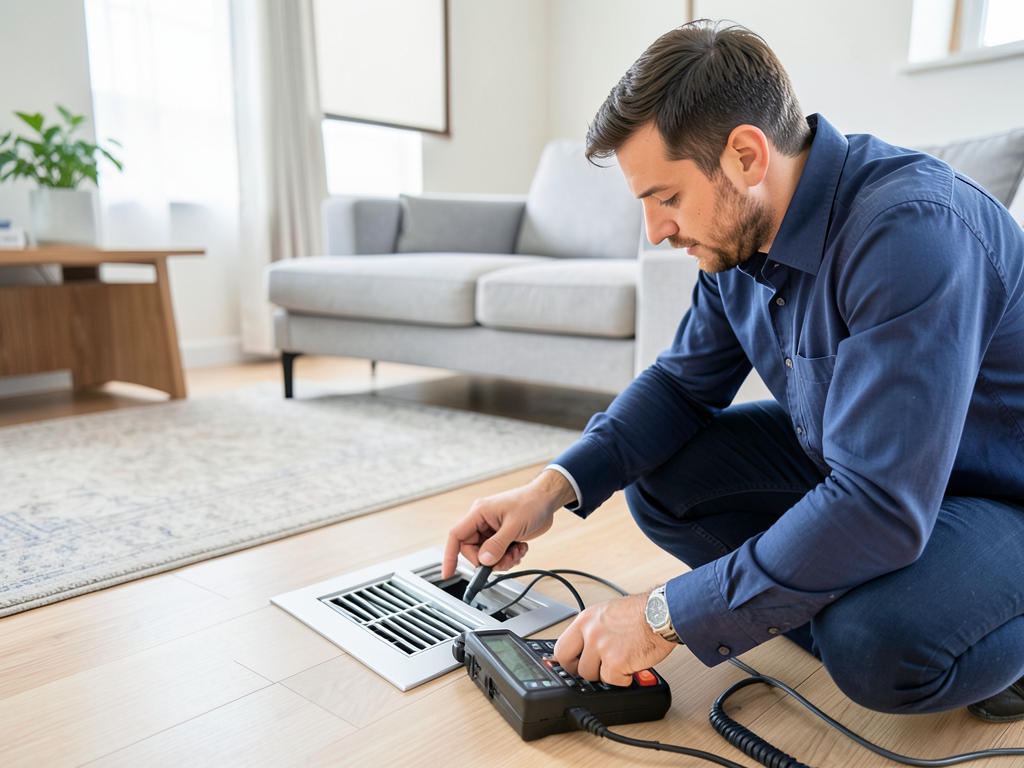
Professional installation follows a specific protocol to protect your HVAC equipment. Technicians begin with a comprehensive system evaluation using a manometer to measure existing static pressure. They inspect ductwork for leaks, check filter condition, and verify proper sizing of your air handler.
The installation process includes mounting the smart vents in existing register locations, connecting them to your home’s Wi-Fi network, and configuring the control hub. Technicians then perform a pressure test by gradually closing vents while monitoring system performance. If pressure exceeds manufacturer specifications, they adjust vent settings or recommend system modifications.
Critical safety features prevent damage. Quality smart vents include pressure relief mechanisms that automatically open if system pressure becomes too high. Some systems integrate with your furnace’s pressure switch to prevent operation when conditions become unsafe. These protections are essential for Hamilton County’s humid climate, where moisture can affect system performance.
Energy Savings and Return on Investment
Smart vents can reduce energy consumption by 20-30% in homes with significant temperature imbalances. The system eliminates wasted energy by heating or cooling unoccupied rooms. During summer, closing vents in cooler basement areas forces more conditioned air to upstairs bedrooms. In winter, the reverse applies. Cooling Tower Services.
Energy savings vary based on your home’s characteristics. Homes with large temperature differences between floors typically see the greatest benefits. A typical Cleves residence with three bedrooms and two floors might save $300-500 annually on utility bills. The investment usually pays for itself within 3-5 years through energy savings alone.
Additional benefits include extended HVAC equipment life. By reducing system runtime and preventing short cycling, smart vents decrease wear on compressors and blower motors. This can add 2-3 years to your equipment’s lifespan, representing significant long-term savings.
Common Smart Vent Problems and Professional Solutions
Smart vent systems occasionally experience issues that require professional attention. Battery life varies by usage patterns, with high-traffic areas requiring replacement every 6-12 months. Wi-Fi connectivity problems can interrupt system operation, particularly in older homes with thick plaster walls that block wireless signals.
Pressure management failures represent the most serious concern. If vents close too aggressively or system programming becomes corrupted, dangerous pressure buildup can occur. Professional technicians use specialized diagnostic tools to identify and correct these issues before equipment damage occurs.
Compatibility problems sometimes arise with certain HVAC configurations. Homes with zoning systems, variable-speed equipment, or commercial-grade furnaces may require custom programming or additional hardware. Professional installers can assess your specific situation and recommend appropriate solutions.
Why Choose Professional Installation in Hamilton County
Cleves homeowners need local expertise for smart vent installation. Hamilton County’s building codes require permits for HVAC modifications that affect system pressure or airflow. Professional installers understand these requirements and handle permitting processes.
Local climate knowledge proves essential. Cincinnati’s humidity levels and temperature extremes create unique challenges for smart vent systems. Technicians familiar with local conditions can program your system to handle seasonal variations and prevent condensation issues that could damage your home.
Professional installation includes comprehensive testing and calibration. Technicians verify proper airflow to each room, check for pressure imbalances, and program optimal operating schedules based on your family’s routines. This level of service ensures your system performs reliably for years.
Frequently Asked Questions
Will smart vents void my furnace warranty?
Quality installation by certified technicians typically does not void manufacturer warranties. However, improper installation or failure to follow manufacturer guidelines could affect coverage. Professional installers provide documentation showing your system meets all requirements. HVAC Warranty Guide.
Can I install smart vents myself?
DIY installation risks system damage and safety hazards. Smart vents require precise calibration to prevent pressure buildup that could crack heat exchangers or damage blower motors. Professional installation includes warranty coverage and ensures code compliance.
How long do smart vents last?
Quality smart vents typically last 7-10 years with proper maintenance. Battery life varies by usage, but most units operate 6-12 months between replacements. The control hub and software typically receive updates for 5-7 years after purchase.
Do smart vents work with all thermostats?
Most smart vents integrate with popular smart thermostats like Ecobee, Nest, and Honeywell. However, compatibility varies by brand and model. Professional installers can verify compatibility with your existing equipment before purchase.
Ready to Eliminate Your Home’s Hot Spots?
Smart vents offer a proven solution for Cleves homeowners struggling with temperature imbalances. The technology works best when installed by experienced professionals who understand local building codes, climate conditions, and HVAC system requirements.
Don’t let another summer pass with uncomfortable upstairs bedrooms or freezing downstairs living areas. Professional smart vent installation can transform your home’s comfort while reducing energy costs.
Call (513) 717-5155 today to schedule your free consultation. Our technicians will evaluate your home’s specific needs and recommend the best smart vent solution for your budget and comfort goals.
Pick up the phone and call (513) 717-5155 before the next heat wave hits. Your family deserves consistent comfort throughout every room in your home. For more information, visit EPA Indoor Air Quality Guidelines. For more information, visit ASHRAE HVAC Standards.
You may also find this helpful. The best ways to heat and cool a finished basement in your Sayler Park home.
{
“@context”: “https://schema.org”,
“@type”: “BlogPosting”,
“headline”: “Can Smart Vents Really Fix the Hot Spots in Your Cleves Home?”,
“description”: “Discover how smart vent systems can eliminate hot spots in your Cleves home. Learn about zoning benefits, installation process, and energy savings for Hamilton County homeowners.”,
“wordCount”: 1432,
“datePublished”: “2026-03-24T10:55:00.000Z”,
“dateModified”: “2026-03-24T10:55:00.000Z”,
“inLanguage”: “en-US”,
“mainEntityOfPage”: {
“@type”: “WebPage”,
“@id”: “https://fivestarhvaccincinnati.com”
},
“publisher”: {
“@type”: “LocalBusiness”,
“name”: “Five Star HVAC Cincinnati”,
“url”: “https://fivestarhvaccincinnati.com”
},
“author”: {
“@type”: “Organization”,
“name”: “Five Star HVAC Cincinnati”,
“url”: “https://fivestarhvaccincinnati.com”
},
“image”: {
“@type”: “ImageObject”,
“url”: “https://fivestarhvaccincinnati.com/wp-content/uploads/2026/03/can-smart-vents-really-fix-the-hot-spots-in-your-c-1.png”
}
}
{
“@context”: “https://schema.org”,
“@type”: “HVACBusiness”,
“name”: “Five Star HVAC Cincinnati”,
“url”: “https://fivestarhvaccincinnati.com”,
“address”: {
“@type”: “PostalAddress”,
“addressLocality”: “Cincinnati”
},
“areaServed”: {
“@type”: “City”,
“name”: “Cincinnati”
}
}
{
“@context”: “https://schema.org”,
“@type”: “FAQPage”,
“mainEntity”: [
{
“@type”: “Question”,
“name”: “Will smart vents void my furnace warranty?”,
“acceptedAnswer”: {
“@type”: “Answer”,
“text”: “Quality installation by certified technicians typically does not void manufacturer warranties. However, improper installation or failure to follow manufacturer guidelines could affect coverage. Professional installers provide documentation showing your system meets all requirements. HVAC Warranty Guide.”
}
},
{
“@type”: “Question”,
“name”: “Can I install smart vents myself?”,
“acceptedAnswer”: {
“@type”: “Answer”,
“text”: “DIY installation risks system damage and safety hazards. Smart vents require precise calibration to prevent pressure buildup that could crack heat exchangers or damage blower motors. Professional installation includes warranty coverage and ensures code compliance.”
}
},
{
“@type”: “Question”,
“name”: “How long do smart vents last?”,
“acceptedAnswer”: {
“@type”: “Answer”,
“text”: “Quality smart vents typically last 7-10 years with proper maintenance. Battery life varies by usage, but most units operate 6-12 months between replacements. The control hub and software typically receive updates for 5-7 years after purchase.”
}
},
{
“@type”: “Question”,
“name”: “Do smart vents work with all thermostats?”,
“acceptedAnswer”: {
“@type”: “Answer”,
“text”: “Most smart vents integrate with popular smart thermostats like Ecobee, Nest, and Honeywell. However, compatibility varies by brand and model. Professional installers can verify compatibility with your existing equipment before purchase.”
}
},
{
“@type”: “Question”,
“name”: “Ready to Eliminate Your Home’s Hot Spots?”,
“acceptedAnswer”: {
“@type”: “Answer”,
“text”: “Smart vents offer a proven solution for Cleves homeowners struggling with temperature imbalances. The technology works best when installed by experienced professionals who understand local building codes, climate conditions, and HVAC system requirements.”
}
}
]
}
{
“@context”: “https://schema.org”,
“@type”: “BreadcrumbList”,
“itemListElement”: [
{
“@type”: “ListItem”,
“position”: 1,
“name”: “Home”,
“item”: “https://fivestarhvaccincinnati.com”
},
{
“@type”: “ListItem”,
“position”: 2,
“name”: “Blog”,
“item”: “https://fivestarhvaccincinnati.com/blog”
},
{
“@type”: “ListItem”,
“position”: 3,
“name”: “Can Smart Vents Really Fix the Hot Spots in Your Cleves Home?”
}
]
}
{
“@context”: “https://schema.org”,
“@type”: “Service”,
“serviceType”: “HVAC”,
“provider”: {
“@type”: “LocalBusiness”,
“name”: “Five Star HVAC Cincinnati”,
“url”: “https://fivestarhvaccincinnati.com”
},
“areaServed”: {
“@type”: “City”,
“name”: “Cincinnati”
},
“description”: “Discover how smart vent systems can eliminate hot spots in your Cleves home. Learn about zoning benefits, installation process, and energy savings for Hamilton County homeowners.”
}