
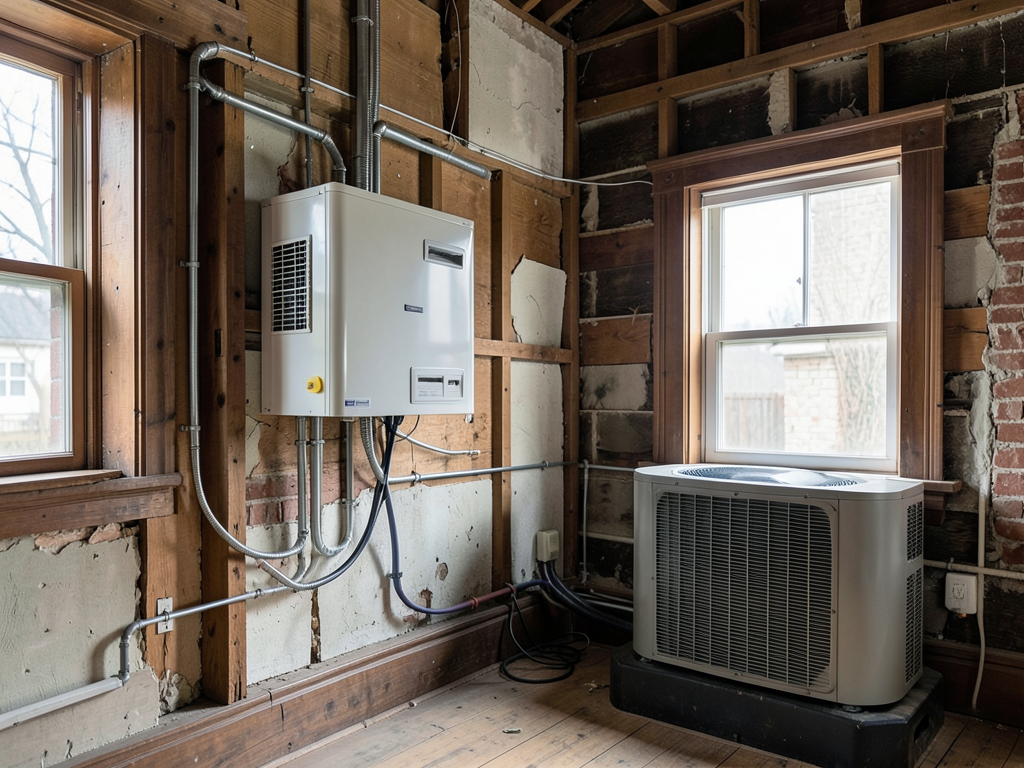
Ductless mini split solutions for historic homes in Clifton and Northside
Homeowners in Clifton and Northside face unique heating and cooling challenges. Many of these charming historic homes were built before central air conditioning existed. Traditional ductwork would require extensive renovations that could damage original architecture. That’s where ductless mini split systems offer a perfect solution. Cooling Tower Services.
These systems provide zoned climate control without tearing into walls or ceilings. They work exceptionally well in Cincinnati’s humid continental climate, handling both freezing winters and hot summers. The technology has advanced significantly, with modern units delivering efficient heating even when temperatures drop below zero.. Read more about Fixing uneven temperatures in your Mount Lookout home with zoned HVAC.
Installing a ductless mini split in a historic Clifton or Northside home means preserving architectural integrity while gaining modern comfort. The indoor units can be mounted high on walls or in ceiling cassettes that blend with existing decor. Outdoor condensers can be placed on small pads or mounted on brackets to minimize visual impact.
Why historic homes in Clifton and Northside need special HVAC solutions
Historic homes in these neighborhoods present unique challenges. Many feature plaster walls, original wood trim, and decorative ceilings that cannot be easily modified. Adding traditional ductwork would require removing and replacing these irreplaceable features.
The age of these homes also means they often have outdated electrical systems. Modern mini splits use less power than traditional HVAC systems, making them compatible with older wiring in many cases. This reduces the need for expensive electrical upgrades.. Read more about The quietest HVAC systems for homeowners in the Village of Glendale.
Clifton and Northside homes were built during different architectural periods. Victorian homes from the late 1800s have different construction methods than early 1900s craftsman bungalows. Each style requires specific mounting considerations for indoor units and condensate drainage solutions.
Local building codes in Cincinnati require permits for HVAC modifications in historic districts. Working with experienced contractors who understand these requirements prevents costly delays and ensures compliance with Hamilton County Mechanical Code Section 1301.
How ductless mini split technology works in Cincinnati’s climate
Ductless mini splits use inverter technology to adjust compressor speed based on demand. This means they use less energy than traditional systems that constantly cycle on and off. In Cincinnati’s humid summers, this efficiency translates to lower utility bills. Energy Star certified mini split systems.
Modern units feature hyper-heating technology that maintains efficiency even in sub-zero temperatures. Cincinnati experiences polar vortex events where temperatures can drop below -10°F. Quality mini splits continue heating effectively down to -15°F or lower.
The Ohio River Valley’s high humidity creates condensation challenges. Mini splits include advanced dehumidification modes that remove moisture without overcooling. This prevents the clammy feeling common in traditional air conditioning during humid Cincinnati summers.
SEER2 ratings for current mini splits range from 18 to 30, with higher numbers indicating better efficiency. In Cincinnati’s climate, a SEER2 rating of 20 or higher provides optimal energy savings while maintaining comfort during extreme weather events.
Installation process for historic homes
The installation begins with a detailed load calculation using Manual J methodology. This determines the exact capacity needed for each room based on square footage, insulation levels, and Cincinnati’s climate data. Historic homes often have variable insulation, requiring room-by-room calculations.
Mounting indoor units requires careful planning to avoid structural damage. Technicians use specialized mounting brackets that distribute weight across multiple studs. In plaster walls, they may need to install backing boards to prevent cracking.
Refrigerant lines run through small holes, typically 2-3 inches in diameter. These holes are sealed with expanding foam to prevent air infiltration. The lines can be routed through attics, basements, or exterior walls depending on the home’s construction.
Condensate drainage requires special attention in older homes. Many lack proper floor drains in utility areas. Technicians install condensate pumps that lift water to existing plumbing or exterior discharge points. This prevents water damage to original flooring.
The entire installation typically takes 1-2 days for a single-zone system and 3-4 days for multi-zone setups. Historic homes may require additional time for careful routing and structural protection.. Read more about Getting your Milford home addition ready with the right HVAC ductwork.
Energy efficiency and cost savings in Cincinnati
Ductless mini splits can reduce heating and cooling costs by 30-50% compared to electric resistance heating or window units. In Cincinnati, where heating and cooling account for about 45% of home energy use, these savings add up quickly.
Duke Energy offers Smart Saver incentives for high-efficiency HVAC equipment. Current rebates can cover up to $1,000 of installation costs for qualifying systems. These rebates apply to units with SEER2 ratings above 18 and HSPF2 ratings above 9.5. Smart Thermostat Installation.
The federal 25C tax credit allows homeowners to claim 30% of installation costs, up to $2,000, for qualifying energy-efficient systems. This credit applies to both equipment and installation labor, making mini splits even more affordable.
Many Clifton and Northside homeowners see payback periods of 3-5 years through utility savings alone. When combined with rebates and tax credits, the effective cost of installation drops significantly.
Smart thermostats integrated with mini splits provide additional savings. These devices learn usage patterns and optimize operation based on Cincinnati’s weather forecasts, further reducing energy consumption.
Multi-zone vs single-zone configurations
Single-zone systems work well for homes that need cooling in just one area, such as a master bedroom or home office addition. These units range from 9,000 to 24,000 BTU and cost between $3,500 and $7,000 installed in Cincinnati.
Multi-zone systems connect multiple indoor units to one outdoor condenser. This configuration works best for historic homes needing whole-house comfort. A typical 3-zone setup for a Clifton Victorian might include units for the living room, master bedroom, and kitchen.
Multi-zone systems offer individual temperature control for each area. This allows different family members to set their preferred temperatures without affecting other zones. In Cincinnati’s variable climate, this flexibility prevents energy waste.
The outdoor unit size for multi-zone systems ranges from 24,000 to 60,000 BTU. Larger units handle more indoor heads but require more space for placement. In historic neighborhoods, condenser placement often requires creative solutions to maintain curb appeal.
Installation costs for multi-zone systems range from $8,000 to $20,000 depending on the number of zones and home complexity. The higher upfront cost often pays for itself through improved comfort and energy efficiency.
Maintenance requirements for long-term performance
Regular maintenance keeps mini splits running efficiently. The most important task is cleaning or replacing air filters every 1-3 months. Cincinnati’s pollen season means more frequent cleaning during spring and fall. Furnace Maintenance Checklist.
Outdoor units need annual cleaning to remove debris and ensure proper airflow. Cincinnati’s fall leaf drop and spring seed pods can clog condenser coils if not removed. Professional cleaning includes coil washing and checking refrigerant levels.
Indoor units have washable filters that should be vacuumed monthly. Some models include self-cleaning functions that use heat to dry internal components and prevent mold growth. This feature proves valuable in Cincinnati’s humid climate.
Condensate drains should be checked annually for clogs. The acidic nature of condensation can cause buildup over time. Flushing with a vinegar solution prevents blockages that could cause water damage.
Professional maintenance visits should occur annually before cooling season. Technicians check electrical connections, measure superheat and subcooling, and verify proper operation of all system components.. Read more about Boiler repair and maintenance for historic homes in Wyoming and Walnut Hills.
Indoor air quality benefits for allergy sufferers
Ductless mini splits improve indoor air quality by eliminating ductwork that can harbor dust, mold, and allergens. This proves especially beneficial in Cincinnati, where spring pollen counts often exceed 1,500 grains per cubic meter.
Many mini split systems include advanced filtration that captures particles as small as 0.3 microns. This includes pollen, pet dander, and dust mites. Some models feature ionizer functions that neutralize airborne bacteria and viruses.
The continuous filtration in mini splits means air passes through filters multiple times per hour. This constant cleaning reduces indoor pollutant levels compared to traditional HVAC systems that only filter when the fan runs.
Humidity control plays a crucial role in air quality. Mini splits maintain optimal humidity levels between 40-60%, preventing mold growth while keeping air comfortable. This range also reduces dust mite populations, which thrive in higher humidity.
For homes with elderly residents or those with respiratory conditions, the improved air quality can significantly impact health and comfort. Many Cincinnati families report reduced allergy symptoms after installing mini split systems.
Common installation challenges in historic homes
Historic homes often have limited exterior wall space for mounting outdoor units. Creative solutions include roof-mounted brackets, ground-level pads hidden by landscaping, or shared condenser setups for adjacent properties.
Many older homes lack proper electrical service for new HVAC equipment. While mini splits use less power than traditional systems, they still require dedicated circuits. Upgrading electrical panels in historic homes requires careful work to preserve original features.
Condensate drainage presents unique challenges in homes without basements or proper floor drains. Technicians must design custom drainage solutions that prevent water damage while complying with local plumbing codes.
Noise considerations matter in historic neighborhoods. Modern mini splits operate quietly, but proper mounting and vibration isolation remain important. Indoor units should be placed away from bedrooms or include noise-reducing features.
Historic preservation guidelines may restrict exterior modifications. Working with preservation boards requires detailed plans showing how installations will maintain architectural integrity. Some installations need special approval before work begins. HVAC Warranty Guide.
Comparing top brands for Cincinnati installations
Mitsubishi Electric leads the market with Diamond Contractor certification ensuring proper installation. Their hyper-heating models perform exceptionally well in Cincinnati winters, maintaining efficiency down to -13°F. The company offers 12-year warranties when installed by certified contractors.
Daikin provides competitive options with their Quaternity series featuring advanced humidity control. Their units work well in Cincinnati’s humid climate, with some models including integrated air purification systems.
LG offers budget-friendly options without sacrificing quality. Their dual inverter technology provides efficient operation and quiet performance. Many Cincinnati homeowners choose LG for smaller installations or budget-conscious projects.
Carrier and Trane, while known for traditional HVAC, have entered the mini split market with reliable options. Their systems integrate well with existing Carrier or Trane equipment in homes with mixed HVAC setups.
Brand selection depends on specific home requirements, budget, and local support availability. All major brands offer models suitable for Cincinnati’s climate when properly sized and installed.
Winter performance in Ohio’s extreme cold
Cincinnati experiences some of the Midwest’s most variable winter weather. Temperatures can swing from 60°F to below zero within days. Quality mini splits with hyper-heating technology handle these swings effectively.
Modern units use advanced compressors and refrigerant mixtures that maintain heating capacity even in extreme cold. Some models continue producing heat when outdoor temperatures drop to -15°F, though efficiency decreases at these extremes.
During polar vortex events, mini splits may need supplemental heating. Many Cincinnati homeowners keep existing furnaces as backup systems. The mini split handles most heating needs, with the furnace activating only during extreme cold snaps. Emergency furnace repair services for Indian Hill homeowners available right now.
Defrost cycles prevent ice buildup on outdoor units. In Cincinnati’s freezing rain and sleet, these cycles activate more frequently. Quality systems minimize defrost time to maintain consistent heating.
Energy consumption during extreme cold remains lower than traditional electric heating. Even at reduced efficiency, mini splits typically use 50-70% less electricity than resistance heating at the same temperatures.
Permitting and code compliance in Cincinnati
Hamilton County requires permits for all HVAC installations, including mini splits. The permitting process ensures installations meet mechanical code requirements and safety standards. Permit fees typically range from $75 to $200 depending on system size.
Historic district installations may require additional approvals from preservation boards. These reviews examine how installations affect architectural integrity. Some projects need detailed drawings showing mounting locations and concealment strategies.
Ohio building codes require proper refrigerant handling by EPA 608 certified technicians. This certification ensures safe handling of refrigerants and compliance with environmental regulations. All installations must include proper refrigerant recovery and recycling. EPA Section 608 certification requirements.
Electrical codes require dedicated circuits for mini split systems. Older homes may need electrical panel upgrades to accommodate new circuits. These upgrades must comply with NEC Article 440 for air conditioning and refrigeration equipment.
Final inspections verify proper installation, including refrigerant charge, electrical connections, and condensate drainage. Passing inspection ensures warranty validity and system safety.
Cost factors and return on investment
Installation costs depend on several factors. Single-zone systems start around $3,500 for basic installations. Multi-zone setups range from $8,000 to $20,000 depending on the number of zones and installation complexity.
Historic home installations often cost more due to careful routing requirements and potential electrical upgrades. Plaster wall repairs, custom mounting solutions, and specialized drainage can add $500 to $2,000 to installation costs.
Energy savings typically range from 30-50% compared to electric resistance heating. In Cincinnati, where electricity costs average 12-15 cents per kWh, annual savings often reach $500 to $1,500 depending on usage patterns.
Utility rebates and tax credits significantly reduce net costs. Duke Energy rebates up to $1,000 combined with the 30% federal tax credit can cut installation costs by 40-50% in the first year.
Property value increases often offset a portion of installation costs. Energy-efficient HVAC systems appeal to buyers and can increase home values by 2-5% in Cincinnati’s competitive market.
Choosing the right contractor in Cincinnati
Experience with historic homes proves crucial for successful installations. Contractors should understand plaster wall repair, historic preservation guidelines, and creative mounting solutions for challenging spaces.
EPA 608 certification ensures proper refrigerant handling. NATE certification indicates comprehensive HVAC knowledge. Both certifications should be current and verifiable.
Local references from Clifton and Northside provide insight into a contractor’s historic home experience. Ask to see photos of previous installations in similar homes, not just stock photos.
Warranty coverage varies by manufacturer and installer. Look for at least 5-year parts warranties and 1-year labor coverage. Some contractors offer extended warranties for an additional fee.
Detailed written estimates should include load calculations, equipment specifications, and a clear scope of work. Avoid contractors who provide quotes without inspecting the home first.
Emergency service availability matters for unexpected issues. Choose contractors offering 24/7 service with response times under 4 hours for urgent repairs.
Future technology and smart home integration
Modern mini splits integrate with smart home systems through Wi-Fi controls. These apps allow temperature adjustment from anywhere, scheduling based on occupancy patterns, and energy usage monitoring.
Some systems work with voice assistants like Amazon Alexa and Google Assistant. Voice control proves convenient for adjusting temperatures without interrupting activities or when hands are full.
Advanced models include occupancy sensors that automatically adjust temperatures based on room usage. This feature maximizes efficiency by heating or cooling only occupied spaces.
Energy monitoring capabilities help track usage patterns and identify opportunities for additional savings. Many systems provide detailed reports showing energy consumption by day, week, or month.
Future developments may include improved integration with solar panels and battery storage. This could allow mini splits to operate during power outages using stored energy, enhancing resilience during Cincinnati’s occasional severe weather events.
Frequently Asked Questions
Do mini splits work in Cincinnati’s cold winters?
Yes, modern mini splits with hyper-heating technology work effectively in Cincinnati winters. Quality units maintain heating capacity down to -15°F, though efficiency decreases at extreme temperatures. Most Cincinnati homeowners find mini splits handle 90% of their heating needs, with existing furnaces providing backup during polar vortex events.
How long do mini split systems last?
With proper maintenance, mini split systems typically last 15-20 years. The outdoor unit often lasts longer than indoor units because it experiences less wear from frequent cycling. Regular filter cleaning, annual professional maintenance, and prompt repairs when issues arise maximize system lifespan.
Can I install a mini split myself?
DIY installation is not recommended for mini splits. These systems require EPA 608 certification for refrigerant handling, electrical expertise for proper wiring, and knowledge of load calculations for proper sizing. Improper installation can void warranties, create safety hazards, and result in poor performance. Professional installation ensures optimal operation and code compliance.
What maintenance do mini splits require?
Monthly filter cleaning, annual professional maintenance, and keeping outdoor units clear of debris constitute basic maintenance. Cincinnati’s pollen season may require more frequent filter cleaning. Professional maintenance includes checking refrigerant levels, cleaning coils, and verifying electrical connections. These simple steps keep systems running efficiently for years.
Are mini splits noisy?
Modern mini splits operate very quietly, with indoor units producing 19-30 decibels on low settings. This sound level compares to rustling leaves or a whisper. Outdoor units generate 40-60 decibels, similar to normal conversation. Proper installation and vibration isolation further reduce any noise concerns.
How much do mini splits cost in Cincinnati?
Single-zone installations start around $3,500, while multi-zone systems range from $8,000 to $20,000. Historic home installations may cost more due to careful routing and potential electrical upgrades. Utility rebates and tax credits can reduce costs by 40-50%. Annual energy savings of $500 to $1,500 provide strong return on investment.
Do mini splits improve indoor air quality?
Yes, mini splits improve air quality by eliminating ductwork that can harbor dust and allergens. Advanced filtration captures particles as small as 0.3 microns, including pollen and pet dander. Continuous air filtration and humidity control create healthier indoor environments, particularly beneficial for allergy sufferers in Cincinnati’s pollen-heavy climate.
What permits are required in Cincinnati?
Hamilton County requires permits for all HVAC installations, including mini splits. Historic district projects may need additional preservation board approval. Permits ensure code compliance and proper installation. Professional contractors typically handle permitting as part of the installation process, including scheduling required inspections.
Ready to upgrade your historic home’s comfort?
Ductless mini splits offer the perfect solution for Clifton and Northside’s historic homes. They provide efficient heating and cooling without damaging irreplaceable architectural features. Modern technology handles Cincinnati’s extreme weather while improving indoor air quality and reducing energy costs.
Professional installation makes all the difference in historic homes. Experienced contractors understand the unique challenges of plaster walls, limited electrical service, and preservation requirements. They design systems that maximize comfort while maintaining your home’s character.
Utility rebates and tax credits make now an ideal time to invest in mini split technology. Combined with energy savings, these incentives can cut installation costs by half while providing immediate comfort improvements.
Don’t let another Cincinnati summer or winter pass without proper climate control. Call (513) 717-5155 today to schedule your free consultation. Our experts will evaluate your home, explain your options, and provide a detailed quote with no obligation. Experience the comfort and efficiency of modern mini split technology in your historic home.
Pick up the phone and call (513) 717-5155 before the next heat wave or cold snap hits. Your comfort can’t wait, and neither should you. Let’s make your historic home as comfortable as it is beautiful.
{
“@context”: “https://schema.org”,
“@type”: “BlogPosting”,
“headline”: “Ductless mini split solutions for historic homes in Clifton and Northside”,
“description”: “Discover how ductless mini splits solve HVAC challenges in Clifton and Northside’s historic homes. Learn about installation, energy rebates, and year-round comfort.”,
“wordCount”: 3105,
“datePublished”: “2026-02-15T15:44:00.000Z”,
“dateModified”: “2026-02-15T15:44:00.000Z”,
“inLanguage”: “en-US”,
“mainEntityOfPage”: {
“@type”: “WebPage”,
“@id”: “https://fivestarhvaccincinnati.com”
},
“publisher”: {
“@type”: “LocalBusiness”,
“name”: “Five Star HVAC Cincinnati”,
“url”: “https://fivestarhvaccincinnati.com”
},
“author”: {
“@type”: “Organization”,
“name”: “Five Star HVAC Cincinnati”,
“url”: “https://fivestarhvaccincinnati.com”
},
“image”: {
“@type”: “ImageObject”,
“url”: “https://fivestarhvaccincinnati.com/wp-content/uploads/2026/03/ductless-mini-split-solutions-for-historic-homes-i-1.png”
}
}
{
“@context”: “https://schema.org”,
“@type”: “HVACBusiness”,
“name”: “Five Star HVAC Cincinnati”,
“url”: “https://fivestarhvaccincinnati.com”,
“address”: {
“@type”: “PostalAddress”,
“addressLocality”: “Cincinnati”
},
“areaServed”: {
“@type”: “City”,
“name”: “Cincinnati”
}
}
{
“@context”: “https://schema.org”,
“@type”: “FAQPage”,
“mainEntity”: [
{
“@type”: “Question”,
“name”: “Do mini splits work in Cincinnati’s cold winters?”,
“acceptedAnswer”: {
“@type”: “Answer”,
“text”: “Yes, modern mini splits with hyper-heating technology work effectively in Cincinnati winters. Quality units maintain heating capacity down to -15°F, though efficiency decreases at extreme temperatures. Most Cincinnati homeowners find mini splits handle 90% of their heating needs, with existing furnaces providing backup during polar vortex events.”
}
},
{
“@type”: “Question”,
“name”: “How long do mini split systems last?”,
“acceptedAnswer”: {
“@type”: “Answer”,
“text”: “With proper maintenance, mini split systems typically last 15-20 years. The outdoor unit often lasts longer than indoor units because it experiences less wear from frequent cycling. Regular filter cleaning, annual professional maintenance, and prompt repairs when issues arise maximize system lifespan.”
}
},
{
“@type”: “Question”,
“name”: “Can I install a mini split myself?”,
“acceptedAnswer”: {
“@type”: “Answer”,
“text”: “DIY installation is not recommended for mini splits. These systems require EPA 608 certification for refrigerant handling, electrical expertise for proper wiring, and knowledge of load calculations for proper sizing. Improper installation can void warranties, create safety hazards, and result in poor performance. Professional installation ensures optimal operation and code compliance.”
}
},
{
“@type”: “Question”,
“name”: “What maintenance do mini splits require?”,
“acceptedAnswer”: {
“@type”: “Answer”,
“text”: “Monthly filter cleaning, annual professional maintenance, and keeping outdoor units clear of debris constitute basic maintenance. Cincinnati’s pollen season may require more frequent filter cleaning. Professional maintenance includes checking refrigerant levels, cleaning coils, and verifying electrical connections. These simple steps keep systems running efficiently for years.”
}
},
{
“@type”: “Question”,
“name”: “Are mini splits noisy?”,
“acceptedAnswer”: {
“@type”: “Answer”,
“text”: “Modern mini splits operate very quietly, with indoor units producing 19-30 decibels on low settings. This sound level compares to rustling leaves or a whisper. Outdoor units generate 40-60 decibels, similar to normal conversation. Proper installation and vibration isolation further reduce any noise concerns.”
}
},
{
“@type”: “Question”,
“name”: “How much do mini splits cost in Cincinnati?”,
“acceptedAnswer”: {
“@type”: “Answer”,
“text”: “Single-zone installations start around $3,500, while multi-zone systems range from $8,000 to $20,000. Historic home installations may cost more due to careful routing and potential electrical upgrades. Utility rebates and tax credits can reduce costs by 40-50%. Annual energy savings of $500 to $1,500 provide strong return on investment.”
}
},
{
“@type”: “Question”,
“name”: “Do mini splits improve indoor air quality?”,
“acceptedAnswer”: {
“@type”: “Answer”,
“text”: “Yes, mini splits improve air quality by eliminating ductwork that can harbor dust and allergens. Advanced filtration captures particles as small as 0.3 microns, including pollen and pet dander. Continuous air filtration and humidity control create healthier indoor environments, particularly beneficial for allergy sufferers in Cincinnati’s pollen-heavy climate.”
}
},
{
“@type”: “Question”,
“name”: “What permits are required in Cincinnati?”,
“acceptedAnswer”: {
“@type”: “Answer”,
“text”: “Hamilton County requires permits for all HVAC installations, including mini splits. Historic district projects may need additional preservation board approval. Permits ensure code compliance and proper installation. Professional contractors typically handle permitting as part of the installation process, including scheduling required inspections.”
}
},
{
“@type”: “Question”,
“name”: “Ready to upgrade your historic home’s comfort?”,
“acceptedAnswer”: {
“@type”: “Answer”,
“text”: “Ductless mini splits offer the perfect solution for Clifton and Northside’s historic homes. They provide efficient heating and cooling without damaging irreplaceable architectural features. Modern technology handles Cincinnati’s extreme weather while improving indoor air quality and reducing energy costs.”
}
}
]
}
{
“@context”: “https://schema.org”,
“@type”: “BreadcrumbList”,
“itemListElement”: [
{
“@type”: “ListItem”,
“position”: 1,
“name”: “Home”,
“item”: “https://fivestarhvaccincinnati.com”
},
{
“@type”: “ListItem”,
“position”: 2,
“name”: “Blog”,
“item”: “https://fivestarhvaccincinnati.com/blog”
},
{
“@type”: “ListItem”,
“position”: 3,
“name”: “Ductless mini split solutions for historic homes in Clifton and Northside”
}
]
}
{
“@context”: “https://schema.org”,
“@type”: “Service”,
“serviceType”: “HVAC”,
“provider”: {
“@type”: “LocalBusiness”,
“name”: “Five Star HVAC Cincinnati”,
“url”: “https://fivestarhvaccincinnati.com”
},
“areaServed”: {
“@type”: “City”,
“name”: “Cincinnati”
},
“description”: “Discover how ductless mini splits solve HVAC challenges in Clifton and Northside’s historic homes. Learn about installation, energy rebates, and year-round comfort.”
}