
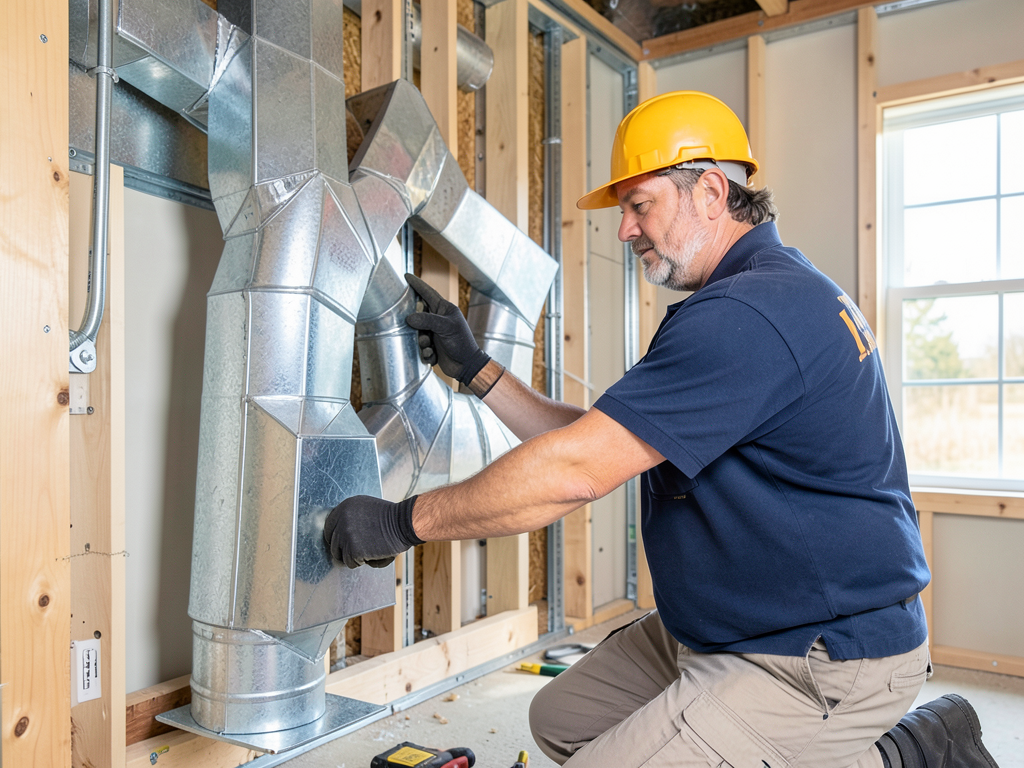
Getting your Milford home addition ready with the right HVAC ductwork
Adding a room to your Milford home is exciting but it creates a challenge your existing HVAC system wasn’t designed to handle. Without proper ductwork planning, that new space can feel like a sauna in July or an icebox in January. The key is understanding how Milford’s climate, building codes, and your home’s existing system work together before construction begins.. Read more about Adding radiant floor heating to your Hamilton bathroom or kitchen remodel.
Milford sits in the Ohio River Valley where humidity levels often exceed 70 percent in summer and winter temperatures regularly dip below freezing. These conditions demand precise airflow calculations and proper insulation to maintain comfort without skyrocketing energy bills. A properly designed duct system ensures your addition feels like it was always part of your home.
Understanding Milford’s climate impact on ductwork design
Milford experiences significant temperature swings throughout the year. Summer heat combined with river valley humidity creates conditions where inadequate ductwork leads to poor cooling performance and potential mold growth in duct cavities. Winter brings freeze-thaw cycles that can cause metal ducts to expand and contract if not properly supported. Cooling Tower Services.
The area’s clay soil composition affects foundation stability which in turn impacts duct routing through crawl spaces and basements. Soil movement can cause ducts to sag or disconnect over time if not properly secured with vibration isolators and adequate support spacing.
Local building codes for Milford home additions
Milford follows Hamilton County Mechanical Code requirements for residential HVAC installations. According to Hamilton County Building Regulations Section 1303, all new ductwork must meet minimum R-6 insulation standards for supply ducts and R-4.2 for return ducts when installed in unconditioned spaces. Hamilton County Building Standards.
Permit requirements include a Manual J heat load calculation showing the additional square footage’s impact on your existing system capacity. Most Milford homes built before 2010 require system upgrades when adding more than 400 square feet of conditioned space. The county also mandates duct leakage testing with a maximum allowable leakage of 6 percent of system airflow.
Manual J and Manual D calculations explained
Manual J calculations determine the heating and cooling capacity needed for your addition based on square footage, ceiling height, window orientation, and insulation levels. For a typical 300 square foot addition in Milford, you’ll need approximately 6,000 to 8,000 BTU of cooling capacity depending on window placement and sun exposure.
Manual D calculations design the actual duct layout ensuring proper airflow distribution. The calculation considers static pressure, duct length, and fitting losses to determine the correct duct size. Undersized ducts create noise and reduce efficiency while oversized ducts waste energy and may not deliver enough conditioned air to the space.
Call (513) 717-5155 today to schedule your inspection.
Common ductwork mistakes in Milford home additions
Homeowners often underestimate the importance of proper duct sizing. A common error is extending existing 6-inch supply lines to feed a new room. This creates excessive pressure drop and starves other rooms of airflow. The correct approach uses a dedicated trunk line with properly sized branches based on Manual D calculations.
Another frequent mistake involves return air placement. Many additions lack adequate return pathways causing pressure imbalances. Without proper returns, conditioned air cannot circulate effectively and your system works harder to maintain temperatures. Building codes require at least one return air pathway for every 1,000 square feet of conditioned space.
Material selection for Milford’s climate
Galvanized steel ducts offer durability in Milford’s climate but require proper sealing to prevent condensation issues. Flex duct provides easier installation in tight spaces but must be supported every 4 feet to prevent sagging that restricts airflow. The choice depends on your home’s construction and the addition’s location.
Insulation selection matters significantly. R-8 insulation is recommended for supply ducts in unconditioned attics where summer temperatures can exceed 130 degrees. Without adequate insulation, you’ll lose cooling capacity before air reaches your new space. For return ducts, R-6 insulation prevents condensation when cold air travels through warm spaces.
Installation best practices for optimal performance
Proper sealing prevents energy loss and maintains indoor air quality. All duct joints should be sealed with mastic or UL-181 rated tape, not standard duct tape which deteriorates within years. Testing shows properly sealed ducts can improve system efficiency by 20 percent compared to poorly sealed installations.
Support spacing prevents vibration noise and structural damage. Supply ducts need support every 6 feet while flex ducts require support every 4 feet. Without proper support, ducts can bang against framing during system operation creating noise that carries through walls and floors.
Energy efficiency considerations
Properly designed ductwork can reduce your energy consumption by 15 to 30 percent. This translates to lower utility bills and reduced wear on your HVAC equipment. Energy Star certified duct systems include features like variable speed blowers that adjust airflow based on demand rather than running at full capacity constantly.
Zoning systems offer another efficiency option for larger additions. By installing dampers and separate thermostats, you can condition the addition independently when needed rather than running your entire system to heat or cool one room.
Indoor air quality in new additions
Proper duct design impacts more than just temperature. Return air placement affects how effectively your system filters airborne contaminants. New additions often introduce construction dust and off-gassing from building materials. A well-designed return system captures these particles before they circulate throughout your home.
Humidity control becomes critical in Milford’s climate. Ducts that leak into unconditioned spaces can draw in humid air, overwhelming your air conditioner’s dehumidification capacity. This leads to that clammy feeling even when temperatures are technically comfortable.
Cost factors for ductwork in Milford additions
Several factors influence ductwork costs for home additions. Simple extensions of existing runs cost less than new trunk line installations. The need for zoning controls, high-efficiency filters, or smart thermostats adds to the investment but often pays for itself through energy savings.
Permit fees in Milford typically range from $75 to $200 depending on project scope. Duct testing and certification add another $150 to $300 but are required for final approval. These costs pale compared to the expense of correcting improperly designed systems after construction is complete.
Timeline considerations for your project
Ductwork installation usually occurs in phases. Rough-in happens during framing when ducts are positioned and secured. Final installation follows drywall completion when registers and grilles are installed. This phased approach means ductwork work spans several weeks of your overall project timeline.
Weather impacts scheduling. Summer humidity can affect adhesive curing times while winter cold may require temporary heating to maintain proper installation temperatures for certain materials. Planning for these variables prevents delays in your overall construction schedule.
Working with your contractor
Communication between your HVAC contractor and general contractor prevents costly mistakes. Duct routing decisions made during framing affect both system performance and construction costs. Early collaboration ensures ducts fit within wall cavities and ceiling spaces without compromising structural integrity.
Ask for detailed plans showing duct locations, sizes, and insulation specifications. These documents become part of your building permit package and provide reference for future maintenance or modifications. Furnace Maintenance Checklist.
Maintenance considerations for new ductwork
New ductwork requires minimal maintenance but benefits from regular inspection. Check for loose connections annually, especially in the first year as materials settle. Listen for unusual noises that might indicate loose supports or airflow restrictions.
Filter maintenance becomes even more important with new additions. The increased conditioned space means your system moves more air, capturing more particles. Check filters monthly and replace when dirty rather than on a fixed schedule.
Smart technology integration
Modern ductwork can accommodate smart thermostats and zoning controls that learn your schedule and preferences. These systems optimize comfort while minimizing energy use. Some models integrate with home automation platforms allowing control via smartphone apps.
Variable speed blowers paired with smart controls provide precise temperature control and improved dehumidification. These systems run at lower speeds most of the time, reducing noise and energy consumption while maintaining consistent comfort.
Common questions about Milford addition ductwork
Many homeowners worry about noise from new ductwork. Properly sized ducts operated at correct static pressure produce minimal noise. If you hear whistling or rumbling, it indicates design problems that need correction.
Another concern involves impact on existing room temperatures. A well-designed addition with proper duct sizing should not affect comfort in other areas. If you notice changes after installation, it suggests imbalances that require adjustment.
Final considerations before construction
Evaluate your existing system’s capacity before finalizing addition plans. An HVAC contractor can perform a quick assessment to determine if your current equipment can handle the additional load or if upgrades are needed. This evaluation should happen before architectural plans are finalized.
Consider future expansion possibilities. Installing slightly oversized ductwork or including extra capacity in your mechanical room provides flexibility for potential future additions without requiring major system modifications.
Pick up the phone and call (513) 717-5155 before the next storm hits.
Frequently Asked Questions
How much does ductwork for a home addition typically cost in Milford?
Costs vary based on project complexity but typically range from $2,500 to $6,000 for a standard addition. Factors affecting price include the need for new trunk lines, zoning controls, and whether your existing system requires capacity upgrades.
Do I need a permit for ductwork in my Milford home addition?
Yes. Hamilton County requires permits for all new HVAC installations including ductwork in additions. The permit process ensures your system meets local building codes and includes required testing for proper operation.
How long does ductwork installation take for a typical addition?
Installation usually spans 2 to 4 days depending on project complexity. This includes rough-in during framing and final installation after drywall completion. Your HVAC contractor will coordinate with your general contractor to minimize conflicts with other trades.
Will adding ductwork affect my existing rooms’ comfort?
Properly designed ductwork should not impact existing room comfort. If you notice changes after installation, it indicates design issues that need correction. A professional design using Manual D calculations ensures balanced airflow throughout your home.
What insulation level do I need for ducts in my addition?
Hamilton County code requires minimum R-6 insulation for supply ducts and R-4.2 for return ducts in unconditioned spaces. For attics or crawl spaces, R-8 insulation provides better energy efficiency and prevents condensation issues common in Milford’s humid climate. For more information, visit Energy.gov duct efficiency guide.
{
“@context”: “https://schema.org”,
“@type”: “BlogPosting”,
“headline”: “Getting your Milford home addition ready with the right HVAC ductwork”,
“description”: “Ensure your Milford home addition has proper HVAC ductwork with expert installation. Learn about load calculations, insulation, and local building codes for optimal comfort.”,
“wordCount”: 1727,
“datePublished”: “2026-02-26T14:19:00.000Z”,
“dateModified”: “2026-02-26T14:19:00.000Z”,
“inLanguage”: “en-US”,
“mainEntityOfPage”: {
“@type”: “WebPage”,
“@id”: “https://fivestarhvaccincinnati.com”
},
“publisher”: {
“@type”: “LocalBusiness”,
“name”: “Five Star HVAC Cincinnati”,
“url”: “https://fivestarhvaccincinnati.com”
},
“author”: {
“@type”: “Organization”,
“name”: “Five Star HVAC Cincinnati”,
“url”: “https://fivestarhvaccincinnati.com”
},
“image”: {
“@type”: “ImageObject”,
“url”: “https://fivestarhvaccincinnati.com/wp-content/uploads/2026/03/getting-your-milford-home-addition-ready-with-the-1.png”
}
}
{
“@context”: “https://schema.org”,
“@type”: “HVACBusiness”,
“name”: “Five Star HVAC Cincinnati”,
“url”: “https://fivestarhvaccincinnati.com”,
“address”: {
“@type”: “PostalAddress”,
“addressLocality”: “Cincinnati”
},
“areaServed”: {
“@type”: “City”,
“name”: “Cincinnati”
}
}
{
“@context”: “https://schema.org”,
“@type”: “FAQPage”,
“mainEntity”: [
{
“@type”: “Question”,
“name”: “How much does ductwork for a home addition typically cost in Milford?”,
“acceptedAnswer”: {
“@type”: “Answer”,
“text”: “Costs vary based on project complexity but typically range from $2,500 to $6,000 for a standard addition. Factors affecting price include the need for new trunk lines, zoning controls, and whether your existing system requires capacity upgrades.”
}
},
{
“@type”: “Question”,
“name”: “Do I need a permit for ductwork in my Milford home addition?”,
“acceptedAnswer”: {
“@type”: “Answer”,
“text”: “Yes. Hamilton County requires permits for all new HVAC installations including ductwork in additions. The permit process ensures your system meets local building codes and includes required testing for proper operation.”
}
},
{
“@type”: “Question”,
“name”: “How long does ductwork installation take for a typical addition?”,
“acceptedAnswer”: {
“@type”: “Answer”,
“text”: “Installation usually spans 2 to 4 days depending on project complexity. This includes rough-in during framing and final installation after drywall completion. Your HVAC contractor will coordinate with your general contractor to minimize conflicts with other trades.”
}
},
{
“@type”: “Question”,
“name”: “Will adding ductwork affect my existing rooms’ comfort?”,
“acceptedAnswer”: {
“@type”: “Answer”,
“text”: “Properly designed ductwork should not impact existing room comfort. If you notice changes after installation, it indicates design issues that need correction. A professional design using Manual D calculations ensures balanced airflow throughout your home.”
}
},
{
“@type”: “Question”,
“name”: “What insulation level do I need for ducts in my addition?”,
“acceptedAnswer”: {
“@type”: “Answer”,
“text”: “Hamilton County code requires minimum R-6 insulation for supply ducts and R-4.2 for return ducts in unconditioned spaces. For attics or crawl spaces, R-8 insulation provides better energy efficiency and prevents condensation issues common in Milford’s humid climate. For more information, visit Energy.gov duct efficiency guide.”
}
}
]
}
{
“@context”: “https://schema.org”,
“@type”: “BreadcrumbList”,
“itemListElement”: [
{
“@type”: “ListItem”,
“position”: 1,
“name”: “Home”,
“item”: “https://fivestarhvaccincinnati.com”
},
{
“@type”: “ListItem”,
“position”: 2,
“name”: “Blog”,
“item”: “https://fivestarhvaccincinnati.com/blog”
},
{
“@type”: “ListItem”,
“position”: 3,
“name”: “Getting your Milford home addition ready with the right HVAC ductwork”
}
]
}
{
“@context”: “https://schema.org”,
“@type”: “Service”,
“serviceType”: “HVAC”,
“provider”: {
“@type”: “LocalBusiness”,
“name”: “Five Star HVAC Cincinnati”,
“url”: “https://fivestarhvaccincinnati.com”
},
“areaServed”: {
“@type”: “City”,
“name”: “Cincinnati”
},
“description”: “Ensure your Milford home addition has proper HVAC ductwork with expert installation. Learn about load calculations, insulation, and local building codes for optimal comfort.”
}